





How to Increase Pitching Velocity: Science-Backed Baseball Training by Age Group
I have played & coached baseball & softball for over 40 years, and it doesn't matter what age group it is, the common goal of every baseball player is to throw harder.
Whether you’re an 8U pitcher just learning mechanics or a high school athlete trying to hit college recruiting numbers, these days, pitching velocity matters. Increased pitching speed can improve strikeout potential, intimidate hitters, and overall increase confidence on the mound.
But here’s the truth:
Velocity isn’t just about “throwing harder.”
It’s about developing strength, mechanics, mobility, explosiveness, recovery, and proper arm care over time.
At Tiger Fitness, we believe athletes should train smart, especially young baseball players. This guide breaks down how to increase pitching speed safely and effectively using science-backed principles, organized by age group.
What Actually Increases Pitching Velocity?
Research on baseball biomechanics consistently shows that pitching velocity is heavily influenced by:
- Lower body force production
- Rotational power
- Hip-to-shoulder separation
- Proper mechanics
- Mobility
- Arm speed
- Strength and power development
- Efficient energy transfer through the kinetic chain
In simple terms:
Pitching Velocity starts from the ground up.
The legs, hips, core, and torso generate force that transfers through the shoulder, arm, wrist, and baseball.
That means throwing harder requires full-body athletic development, not just arm strength alone.
The Biggest Mistakes Players Make Trying to Throw Harder
Before breaking down age groups, here are the most common mistakes young pitchers make:
1. Throwing Weighted Balls Too Early
Weighted balls can be effective for advanced athletes, but using them too young or without proper supervision may increase injury risk.
2. Ignoring Lower Body Training
Pitching is NOT an arm-only movement. Elite pitchers generate massive force through their legs and hips.
3. Overthrowing Year-Round
Many young athletes never properly recover. Overuse is one of the biggest risk factors for arm injuries.
4. Chasing Velocity Before Mechanics
Poor mechanics limit velocity and increase stress on the arm.
5. Neglecting Mobility
Tight hips, shoulders, and thoracic spine reduce power transfer and mechanics.
How to Increase Pitching Velocity by Age Group
8U–9U Pitching Velocity Training
Main Goal:
Develop confidence, athleticism, coordination, and throwing mechanics.
At this age, players should NOT focus heavily on velocity, if at all.
Instead, focus on:
- Having Fun
- Movement quality
- Throwing mechanics
- General athletic development
- Accuracy / Consistency
Average Pitching Velocity (Approximate)
- 8U: 35–45 MPH
- 9U: 40–50 MPH
Best Training Methods for 8U–9U
1. Play Multiple Sports
Research shows early athletic diversity improves long-term athletic development. Let them have fun, play, and be kids!
2. Learn Proper Throwing Mechanics
Key focuses:
- Balance
- Direction toward the target
- Hip rotation
- Proper arm path
3. Bodyweight Exercises
Great options include:
- Push-ups
- Squats
- Spiderman crawls
- Lunges
- Jumping drills
4. Sprinting
Short sprints help develop explosive power naturally. Focus on knee drive to help increase those hip flexors.
5. Avoid Heavy Weight Training
At this stage, movement quality matters more than loading.
10U–12U Pitching Velocity Training
Main Goal:
Build coordination, movement efficiency, and rotational athleticism.
Average Pitching Velocity
- 10U: 45–55 MPH
- 11U: 50–60 MPH
- 12U: 55–65 MPH
Growth spurts begin affecting mechanics during this stage, especially around the 12u season.
Best Training Methods
1. Medicine Ball Rotational Work (2-4 lbs is ideal for 10u-12u)
Rotational throws help develop power transfer.
Examples:
- Scoop tosses
- Side throws
- Shot-put throws
2. Introduce Strength Training
Focus on:
- Goblet squats
- Split squats
- Pull-ups
- Push-ups
- Planks
3. Improve Mobility
Key areas:
- Hips
- Thoracic spine
- Ankles
- Shoulders
4. Long Toss Programs
Long toss may help improve arm speed and throwing efficiency when used properly.
5. Learn Recovery Habits
Young athletes should prioritize:
- Sleep
- Hydration
- Nutrition
- Arm care

13U–14U Pitching Velocity Training
Main Goal:
Develop strength and explosiveness safely during puberty.
This is where many athletes begin seeing major velocity jumps due to growth and hormonal changes.
Average Pitching Velocity
- 13U: 60–70 MPH
- 14U: 65–75 MPH
Best Training Methods
1. Structured Strength Training
Now is the time to begin progressive resistance training.
Key exercises:
- Squats
- Deadlifts
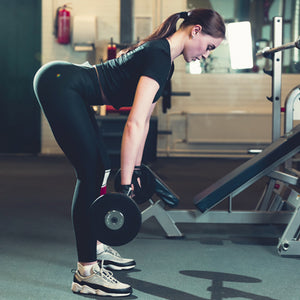
- Romanian deadlifts
- Pull-ups
- Dumbbell rows
- Push presses
2. Train Explosive Power
Velocity is highly correlated with power output.
Add:
- Broad jumps
- Box jumps
- Medicine ball throws
- Sprint work
3. Improve Rotational Force
The core must efficiently transfer force from the lower body to the upper body.
Focus on:
- Anti-rotation work
- Rotational medicine ball drills
- Cable rotations
4. Focus on Mechanical Efficiency
Key velocity traits include:
- Hip-shoulder separation
- Proper timing
- Efficient stride length
- Stable front leg blocking
5. Avoid Overuse
Many injuries begin during this stage due to excessive showcases, travel ball, and year-round throwing.

15U–16U Pitching Velocity Training
Main Goal:
Maximize power production and strength while refining mechanics.
Average Pitching Velocity
- 15U: 70–80 MPH
- 16U: 75–85 MPH
This is often the biggest recruiting period for pitchers.
Best Training Methods
1. Advanced Strength Training
Prioritize:
- Lower body strength
- Posterior chain development
- Rotational explosiveness
Key lifts:
- Trap bar deadlifts
- Front squats
- Bulgarian split squats
- Chin-ups
- Landmine presses
2. Sprint Training
Sprinting improves force production and athletic explosiveness.
3. Weighted Ball Programs (Carefully)
Some advanced athletes may benefit from professionally supervised weighted ball programs.
These should NEVER replace:
- Mechanics
- Recovery
- Mobility
- Strength training
4. Arm Care Becomes Critical
Prioritize:
- Scapular stability
- Rotator cuff strength
- Recovery work
- Mobility
5. Nutrition Matters More
Hard-throwing pitchers require:
- Adequate protein
- Carbohydrates for performance
- Hydration
- Recovery-focused nutrition
17U–18U Pitching Velocity Training
Main Goal:
Maximize performance while staying healthy.
Average Pitching Velocity
- 17U: 80–88 MPH
- 18U: 82–92+ MPH
At this level, small improvements matter.
Best Training Methods
1. Individualized Strength Programs
Athletes should train based on:
- Weaknesses
- Mobility restrictions
- Force production deficits
2. Power Development
Elite velocity requires elite explosiveness.
Prioritize:
- Olympic lift variations
- Plyometrics
- Rotational power drills
- Sprint work
3. Recovery Optimization
Recovery separates elite athletes from average athletes.
Focus on:
- Sleep quality
- Nutrition
- Soft tissue work
- Proper throwing volume
4. Advanced Biomechanics Analysis
Video analysis may help identify:
- Timing inefficiencies
- Arm path issues
- Force leaks
- Mechanical inconsistencies
Best Exercises to Increase Pitching Velocity
Some of the most effective science-backed exercises include:
Lower Body
- Squats
- Deadlifts
- Split squats
- Lunges
- Broad jumps
Rotational Power
- Medicine ball rotational throws
- Scoop tosses
- Cable rotations
Upper Body
- Pull-ups
- Rows
- Push presses
-
Landmine presses
Arm Care
- Band pull-aparts
- External rotations
- YTWs
- Scap push-ups
Nutrition for Pitchers
Pitchers often underestimate nutrition.
To maximize velocity and recovery:
- Eat enough protein
- Stay hydrated
- Consume carbohydrates around training
- Prioritize sleep
Many athletes also use supplements to support recovery and performance.
Popular baseball supplements include:
Does Creatine Help Pitching Velocity?
Research suggests creatine may help improve:
- Power output
- Strength
- Sprint performance
- Recovery
For baseball players, this may indirectly support throwing velocity by improving explosive performance and training quality.
Tiger Thoughts
Increasing pitching velocity is a long-term process.
The hardest throwers aren’t just born with great arms, they develop. A lot of the best pitchers in the MLB didn't even start pitcing until HS:
- Strength
- Power
- Mobility
- Mechanics
- Recovery habits
- Athleticism
Young players should focus on development, not shortcuts.
Train smart.
Recover properly.
Stay healthy.
Build the body first.
Velocity will follow.
Leave a comment