


Ideal Body Measurements Calculator: Classic Physique Proportions
Use this ideal body measurements calculator to generate a classic-proportion reference from your wrist circumference. It gives you a practical set of chest, waist, arm, forearm, thigh, calf, neck, and hip targets in inches or centimeters—then helps you decide what to train next.
Classic Physique Measurements Calculator
Enter your wrist circumference. Your wrist is used as a frame-size reference for the classic McCallum proportion model.
What Are Ideal Body Measurements?
There is no single ideal physique for every lifter. This calculator uses the classic McCallum proportion model, which starts with wrist circumference as a frame-size reference and creates proportional reference measurements from that base. Treat the output as a visual-balance tool, not a judgment on your body or a promise about what you can build.
How the Classic Proportion Formula Works
The model calculates chest circumference as wrist circumference multiplied by 6.5. It then derives the other measurements as a share of chest circumference: waist at 70%, hips at 85%, neck at 37%, upper arms at 36%, forearms at 29%, calves at 34%, and thighs at 53%.
That is why the calculator asks only for your wrist: it is a simple frame-size input. It is not a medical formula and it does not account for every genetic difference, so use it to spot a possible training emphasis—not to chase a number blindly.
How to Measure Each Body Part
| Measurement | How to take it |
|---|---|
| Chest | Wrap the tape around the fullest part of the chest and upper back with a relaxed breath. |
| Waist | Measure around the natural waist at a consistent point, without pulling the tape tight. |
| Upper arm | Measure the fullest part of the flexed upper arm using the same position each time. |
| Thigh | Measure the widest part of the upper thigh while standing relaxed. |
| Calf | Measure the fullest point of the calf while standing. |
| Wrist | Measure just above the wrist bone where the wrist is narrowest. |
Use the Result to Guide Your Training
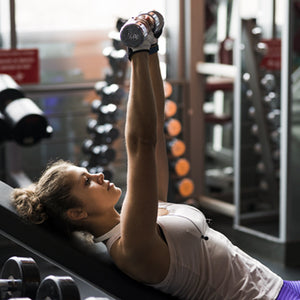
Look for the biggest practical gap, not a reason to overhaul everything. If your arms and calves are already balanced but your back and chest need more work, add productive pulling and pressing volume. If your thighs lag, prioritize a consistent squat pattern and enough recovery before adding more exercises.
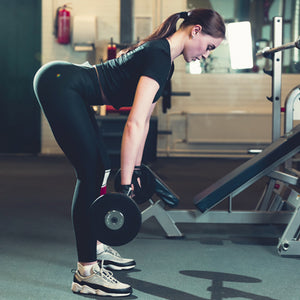
Start with the 3-day full-body workout plan for efficient whole-body progress, or use the 4-day upper/lower workout plan when you need more weekly volume. For form, use the front squat guide and bent-over dumbbell row guide.
FAQ
Are these ideal body measurements realistic?
They are classic proportion references, not universal targets. Your bone structure, genetics, body composition, and training preferences determine what is realistic and worthwhile for you.
Should you measure flexed or relaxed?
Use the same method each time. For upper arms, a flexed measurement is common; for chest, waist, hips, thighs, calves, and neck, use a relaxed consistent measurement.
Can women use this calculator?
The historical formula was developed as a classic male-bodybuilding proportion reference. Anyone can use it as a curiosity or a tracking tool, but it is not a universal standard.
How often should you measure?
Every four to eight weeks is enough for most lifters. Training changes are slow; consistent technique matters more than measuring often.
Bottom Line
Use the calculator to add structure to your goals, not pressure. Build strength, train the areas that matter to you, and let consistent workouts—not a perfect measurement chart—drive your progress.
Leave a comment