


Protein Calculator: How Much Protein Do You Need?
Use this protein calculator to estimate your daily protein target for maintenance, active training, muscle gain, or fat loss. Get your range in grams, grams per pound, grams per kilogram, and per meal.
Protein Calculator
Enter your body weight and goal for a practical daily protein range, then use the per-meal target to make it easy to hit.
How to Use the Protein Calculator
- Choose pounds or kilograms and enter your current body weight.
- Select the goal that best matches your current training and nutrition phase.
- Choose how many meals or snacks you want to include protein in, then calculate your daily range and per-meal target.
How Much Protein Do You Need Per Day?
Your protein target depends on body size, training, overall calorie intake, and your goal. The baseline recommended dietary allowance for sedentary adults is about 0.8 grams per kilogram of body weight, or roughly 0.36 grams per pound. That is a minimum to cover basic needs—not automatically the best target for a lifter, athlete, or person dieting for fat loss.
For regular training, practical targets often sit higher. Tiger Fitness’s evidence-led guidance puts dedicated lifters around 0.8–0.9 grams per pound of body weight, rather than the extreme 2 grams per pound sometimes pushed online. Sports nutrition research also commonly places physically active adults in a higher range than sedentary adults.
Protein Targets by Goal
| Goal | Starting range | Who it fits |
|---|---|---|
| General health | 0.36–0.45 g/lb | Low-activity maintenance |
| Active training | 0.55–0.70 g/lb | Regular cardio, lifting, or sport |
| Build or maintain muscle | 0.75–0.90 g/lb | Consistent resistance training |
| Fat loss | 0.75–1.00 g/lb | Dieting while prioritizing lean mass |
These are practical starting ranges for generally healthy adults, not a medical prescription. Use your response—training performance, recovery, hunger, digestion, and progress—to decide where inside the range to start.
Protein Calculator for Muscle Gain
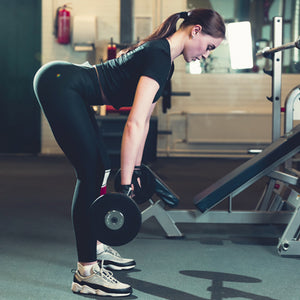
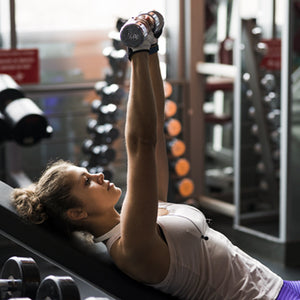
Muscle gain requires more than protein alone: you need progressive resistance training, enough total calories to support your goal, sleep, and consistency. Protein is the daily building material, but more is not always better. Start in the calculator’s 0.75–0.90 g/lb muscle range, hit the target consistently, then put your attention into progressive training and a sustainable calorie plan.
Protein Calculator for Fat Loss
When calories drop, protein can help preserve lean mass and make meals more filling. Pair the fat-loss range with resistance training and a calorie target you can sustain. For the calorie side of the plan, use the TDEE calculator.
How to Hit Your Daily Protein Target
- Start with the daily total: The result is your daily target, not a requirement to eat at exact times.
- Split it into meals you actually enjoy: The calculator’s per-meal result makes a three- or four-meal day easier to plan.
- Use protein-rich foods first: Meat, fish, eggs, dairy, soy, legumes, and protein powder can all help you close the gap.
- Keep it realistic: Consistently hitting a good target beats chasing a perfect number for two days.
Protein Sources for Your Plan
Build your target around foods you can repeat: chicken, lean beef, fish, eggs, Greek yogurt, cottage cheese, tofu, tempeh, beans, lentils, and protein powder. If you need a convenient option after training or between meals, browse Tiger Fitness’s protein selection—but food quality, total calories, and consistency still set the foundation.
Protein Calculator FAQ
How much protein should I eat to build muscle?
A practical starting range for consistent lifters is 0.75–0.90 grams of protein per pound of body weight each day. Use the calculator to turn that into a daily and per-meal target.
How much protein should I eat to lose weight?
For generally healthy adults dieting while resistance training, 0.75–1.00 grams per pound is a practical starting range. Pair it with a sustainable calorie deficit and adjust with a qualified professional if needed.
Is 1 gram of protein per pound necessary?
Not always. It can be a simple high-end target, especially during a fat-loss phase, but many lifters make progress around 0.8–0.9 grams per pound.
Does protein need to be split evenly across meals?
No. The daily total is the priority. Splitting your target across meals is simply a practical way to make the total easier to reach.
Can I use this protein calculator if I have kidney disease?
Not as a substitute for medical care. Protein needs can differ with kidney disease and other medical conditions, so ask your clinician or registered dietitian for an individualized target.
Bottom Line
Use this protein calculator to build a daily target you can hit consistently, then support it with hard training, adequate calories, and recovery. Fuel the work and earn the gains.
Leave a comment