





What Kills Muscle Gains: 7 Science Backed Saboteurs
Table of Contents
- Sleep Deprivation Crushes Muscle Protein Synthesis
- Inadequate Protein Intake: How to Calculate Daily Protein Intake
- Overtraining Without Recovery: Signs of Overtraining Syndrome
- Chronic Stress and Elevated Cortisol
- The Impact of Alcohol on Muscle Growth
- Poor Training Technique and Junk Volume
- Age-Related Anabolic Resistance and Micronutrient Gaps
- Conclusion: Stop Sabotaging Your Gains
Last Updated: August 21, 2026
Sleep Deprivation Crushes Muscle Protein Synthesis
A single night of total sleep deprivation reduced skeletal muscle protein synthesis by 18%, raised plasma cortisol by 21%, and lowered testosterone by 24% the next morning Physiological Reports study on sleep and muscle protein synthesis. That's one night. One.
This isn't theoretical. Your muscles literally cannot build themselves without sleep. Sleep is where the adaptation happens. You train hard in the gym, that's the stimulus. But the actual growth occurs during recovery, specifically during deep sleep when your body releases growth hormone and your muscles repair the damage you created under the bar.
Here's what kills muscle gains the most when it comes to sleep: inconsistency and insufficient duration. Dieters on 5.5 hours of sleep lost 60% more fat-free mass than dieters on 8.5 hours, even with matched calories Annals of Internal Medicine research on sleep and body composition. You can dial in your nutrition perfectly, but if you're sleeping five hours, your body will cannibalize muscle tissue to fuel itself.
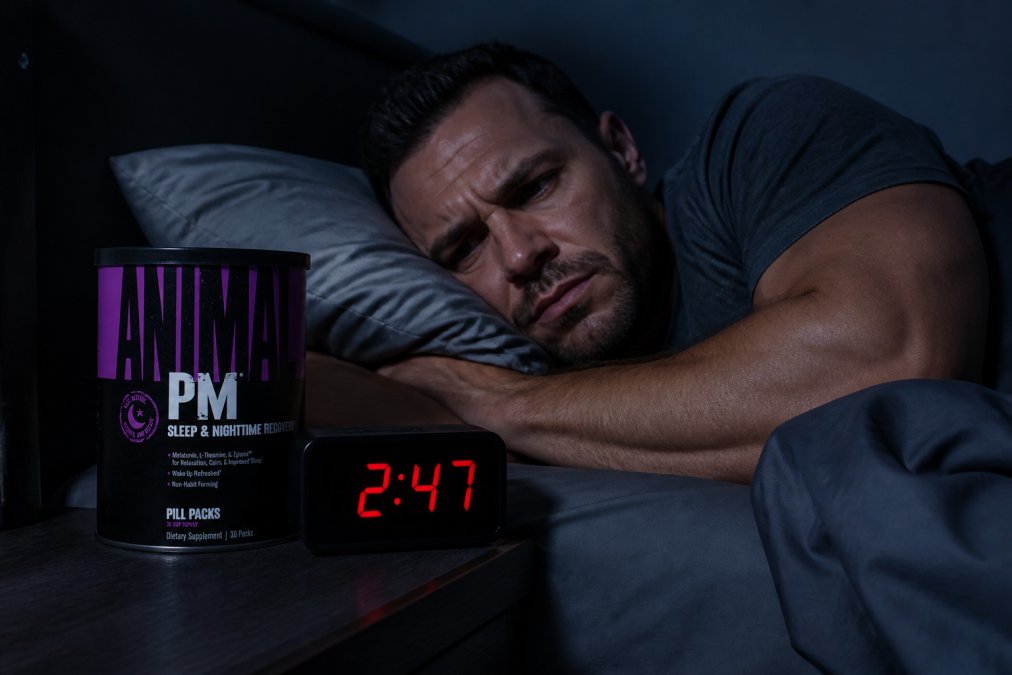
The mechanism is straightforward. Sleep deprivation elevates cortisol, your body's primary catabolic hormone. Elevated cortisol increases protein breakdown and decreases protein synthesis simultaneously. You're working against yourself. Add inadequate calories on top of poor sleep, and you're not building muscle, you're losing it.
Most lifters underestimate sleep's impact because it's not "sexy." You can't feel sleep working the way you feel a good pump. But the data is unambiguous: chronic short sleep blunts strength and hypertrophy adaptations Journal of Science and Medicine in Sport review on sleep deprivation and muscle adaptation. Your training becomes less effective. Your recovery slows. Your hormonal profile deteriorates.
What to do: Aim for 7-9 hours consistently. Not sometimes. Consistently. Set a sleep schedule and stick to it like you stick to your training split. If you're serious about building muscle, sleep is non-negotiable. Consider products like Animal PM or PANDA Supps Snoozzzze if you struggle with sleep quality, they're designed specifically to help you sleep deeper and recover better.

Pro Tip Track your sleep like you track your workouts. One night of poor sleep doesn't destroy your gains, but a pattern of 5-6 hour nights absolutely will. Use your phone's sleep app or a wearable to establish a baseline and monitor improvement.
Inadequate Protein Intake: How to Calculate Daily Protein Intake
You cannot build muscle without sufficient amino acids. This isn't debatable. Protein provides the raw material for muscle protein synthesis. Without it, your body has nothing to build with.
How to calculate your daily protein intake: Multiply your body weight in pounds by 0.8 to 1.0 grams per day for muscle building. If you weigh 200 pounds, that's 160-200 grams daily. This is the baseline. During a caloric deficit (fat loss phase), push toward the upper end or slightly higher, 1.0-1.2 grams per pound, to preserve muscle mass.
The problem most lifters face isn't understanding the math. It's execution. They know they need protein, but they underestimate how much they're actually consuming. A chicken breast is roughly 35 grams. An egg is 6 grams. Most people think they're eating more protein than they actually are.
Track for one week. Write down everything. You'll likely discover you're 30-50 grams short of your target daily. That gap is the difference between building muscle and spinning your wheels. Use the FREE TOOLS & FITNESS CALCULATORS available to help you dial in your exact protein targets based on your body weight and goals.
Here's what kills muscle gains related to protein: inconsistent intake. One day you hit 180 grams, the next day you hit 110. Your muscles need consistent amino acid availability. Spikes and valleys don't optimize muscle protein synthesis, steady, adequate intake does.
Consider adding a quality protein source like a shake. It's the most reliable way to hit your target consistently. Pair it with digestive support like MuscleMeds Feast Mode to maximize nutrient absorption from every meal, especially during high-protein phases.
Key Takeaway If you're not tracking protein intake, you're guessing. And guessing doesn't build muscle. Spend one week logging everything, you'll be shocked at the gap between what you think you're eating and reality.
Overtraining Without Recovery: Signs of Overtraining Syndrome
Overtraining is real, but it's rarer than most people think. True overtraining syndrome, where your performance actually decreases for more than two months despite continued training, is primarily seen in professional or endurance athletes pushing extreme volume.
That said, excessive volume without recovery absolutely kills muscle gains. There's a difference between pushing hard and destroying your central nervous system.
Signs of overtraining syndrome include:
- Persistent fatigue despite adequate sleep
- Declining strength week to week (not daily fluctuations)
- Elevated resting heart rate (5-10 bpm above normal)
- Mood disturbances and irritability
- Frequent illness or infections
- Plateaued or declining muscle growth despite consistent training
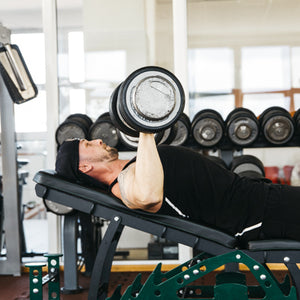
The real issue most lifters face isn't true overtraining. It's junk volume, sets that don't contribute meaningfully to muscle growth. You can do 30 sets per muscle group per week and build muscle. You can also do 30 sets and build nothing if those sets are poorly structured, use insufficient weight, or lack progressive overload.
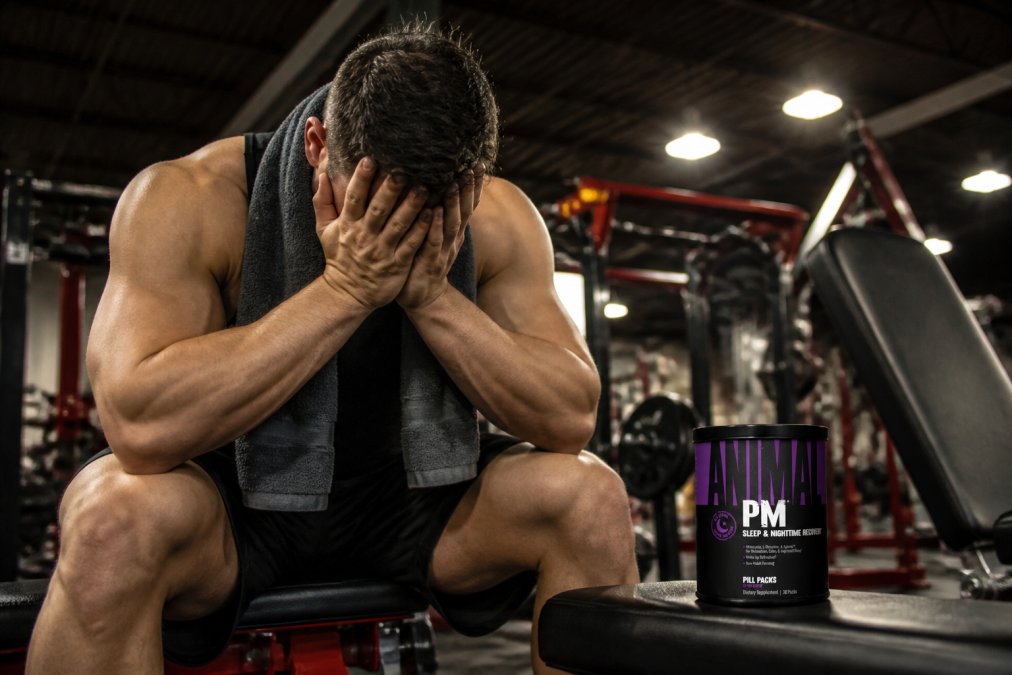
Here's what kills muscle gains: training hard without strategic recovery. Your muscles grow during recovery, not during the workout. If you're training six days a week with high intensity and getting minimal sleep, you're not recovering. You're accumulating fatigue.
The fix is simpler than most think: take rest days. One to two full rest days per week is reasonable for most lifters. On training days, prioritize compound movements and focus on progressive overload, adding weight, reps, or sets over time. Quality beats quantity.
Recovery support matters too. MuscleMeds Glutamine Decanate supports muscle repair and glycogen replenishment, helping your body recover faster between sessions.

Watch Out Training harder every session is not sustainable. Your central nervous system fatigues. Your joints accumulate stress. Your hormones shift toward a catabolic state. If you're not getting stronger or building muscle after 4-6 weeks of consistent training, the problem isn't volume, it's recovery, nutrition, or sleep.
Chronic Stress and Elevated Cortisol
Chronic stress is a silent muscle killer. Most lifters focus on diet and training but ignore the hormonal impact of stress.
Here's the mechanism: chronic stress elevates cortisol. Elevated cortisol increases protein degradation, decreases muscle protein synthesis, and shifts your body toward a catabolic state. It also impairs sleep quality, disrupts appetite regulation, and increases visceral fat storage. Stress literally works against every muscle-building goal you have.
The research is clear. Chronic stress triggers elevated cortisol, which increases protein breakdown, hampers muscle protein synthesis, and impairs tissue repair and recovery. You can eat perfectly and train hard, but if you're under constant stress, your body is fighting you.
Common stressors include: work pressure, relationship issues, financial concerns, poor sleep (which creates additional stress), and excessive training volume. The cumulative effect matters. One stressful day doesn't kill your gains. Weeks of chronic stress absolutely does.
What to do: Implement stress management. This isn't optional. Exercise helps (but excessive training adds stress, so balance matters). Sleep helps. Meditation or breathing work helps. Time with people you care about helps. Reducing workload or addressing life circumstances helps.
Supplemental support can assist. Gaspari Cytolean Night Time PM includes ashwagandha (KSM-66), an adaptogen that helps manage stress response and cortisol levels while supporting sleep quality.
Pro Tip Cortisol isn't your enemy, it's necessary. The problem is chronically elevated cortisol. If you're stressed constantly, your body prioritizes survival over muscle building. Fix the stress first, then optimize training and nutrition.
The Impact of Alcohol on Muscle Growth
Alcohol kills muscle gains. This is one area where there's no gray area.
Here's why: alcohol impairs muscle protein synthesis, decreases testosterone, increases cortisol, and disrupts sleep quality. A single drink doesn't destroy your progress. Consistent drinking absolutely does.
The mechanism: alcohol is metabolized as a priority fuel source. Your body shifts resources toward processing alcohol instead of building muscle. Additionally, alcohol impairs growth hormone release during sleep, the critical window for muscle adaptation. It also increases estrogen and decreases testosterone, shifting your hormonal profile away from anabolism.
If you're serious about building muscle, alcohol should be minimal or eliminated. This is non-negotiable at the competitive level. At the recreational level, occasional drinking won't destroy your gains, but regular consumption will slow progress noticeably.
One drink per week? Minimal impact. Three to four drinks per week? You're sabotaging your results. Five or more? You're essentially choosing alcohol over muscle growth.
What to do: Eliminate alcohol or limit it to one drink per week maximum. If social situations require drinking, choose lower-calorie options and limit quantity. Prioritize hydration and recovery support afterward.
Poor Training Technique and Junk Volume
This is where most lifters go wrong. They confuse effort with effectiveness.
You can perform 100 reps of an exercise with poor form, inadequate weight, and no progressive overload. You've created metabolic stress and a pump. You've also wasted time. That's junk volume.
Mechanical tension is the primary driver of muscle growth McMaster University's comprehensive review on muscle growth mechanisms. This means lifting progressively heavier weight with proper form. Everything else is secondary.
Poor technique reduces mechanical tension. You're not loading the muscle effectively. You're recruiting stabilizer muscles instead of maximizing target muscle involvement. You feel like you're working hard, but you're not creating the stimulus necessary for growth.
What kills muscle gains: performing high volume with poor form and inadequate progressive overload. You're training hard but not smart.
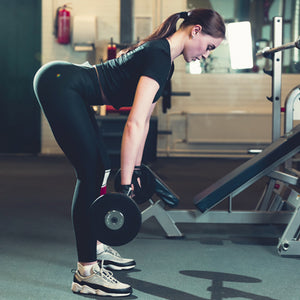
What to do: Learn proper form for compound movements. Film yourself. Compare to quality tutorials. Start lighter and master the movement. Then add weight progressively. One set of 8 reps with proper form and heavy weight beats five sets of 15 reps with sloppy form and light weight.
Untrained males can expect to gain approximately 1.53 kg of fat-free mass over 10-12 weeks of training McMaster University review on realistic muscle gain expectations. Long-term natural lifters average 2.5-4.0 kg of fat-free mass per year. These numbers assume proper training stimulus, compound movements, progressive overload, and adequate recovery.
Age-Related Anabolic Resistance and Micronutrient Gaps
As you age, your body becomes less responsive to training stimulus. This is anabolic resistance, a documented physiological phenomenon.
Starting around age 30, your body naturally loses about 3-5% of muscle mass per decade U.S. Department of Health and Human Services Office on Women's Health on age-related muscle loss. By age 60, this accelerates. Physical decline, including strength and muscle endurance, begins around age 35, with decline accelerating over time.
This doesn't mean you can't build muscle as you age. It means the stimulus needs to be more precise. Higher training frequency, better nutrition, and superior recovery become non-negotiable.
Additionally, micronutrient deficiencies compound the problem. Most lifters don't track micronutrient intake. They focus on calories and macros, ignoring vitamin D, zinc, magnesium, and other critical nutrients for testosterone production and muscle protein synthesis.
Vitamin D deficiency is particularly common and directly impacts testosterone levels and muscle protein synthesis. If you're not supplementing vitamin D, especially in winter months, you're likely deficient.
What to do: Get bloodwork done. Check testosterone, vitamin D, iron, zinc, and magnesium levels. Supplement accordingly. Revive Vitamin K2 & D3 provides essential vitamin D3 and K2 for bone health, muscle function, and overall hormonal support.
For comprehensive micronutrient coverage, Ambrosia Nektar addresses internal organ health and includes antioxidants, liver support, and cardiovascular protection, all factors that support sustained muscle growth and overall performance.

Key Takeaway Age-related muscle loss is real, but it's not inevitable. Precise training, adequate protein, superior recovery, and micronutrient sufficiency can minimize age related decline and continue building muscle into your 50s, 60s, and beyond.
Conclusion: Stop Sabotaging Your Gains
You now understand what kills muscle gains the most. It's not one factor, it's the combination of poor sleep, inadequate protein, excessive volume without recovery, chronic stress, alcohol consumption, poor technique, and neglected micronutrients.
Most lifters excel in one or two areas and fail in the others. You need to execute across all fronts.
Start with the biggest use points: sleep (7-9 hours consistently), protein (0.8-1.0g per pound), and progressive overload with proper form. These three factors account for 80% of muscle-building success.
Then address stress management, eliminate or minimize alcohol, and ensure adequate micronutrient intake. Add recovery support through quality supplementation, Animal PM for sleep optimization, MuscleMeds Glutamine Decanate for muscle repair, and Revive Vitamin K2 & D3 for foundational micronutrient support.
Tiger Fitness provides the supplements, guidance, and tools you need to optimize every variable. Access the FREE TOOLS & FITNESS CALCULATORS to track your progress, calculate your macros, and adjust as needed. Your gains depend on execution across all these factors. Stop leaving them on the table.
Frequently Asked Questions
What single factor kills muscle gains the most?
Sleep deprivation is the single most destructive factor. One night of total sleep loss reduces muscle protein synthesis by 18%, raises cortisol by 21%, and tanks testosterone by 24% the next morning. Chronic short sleep (5.5 hours) causes dieters to lose 60% more muscle mass than those sleeping 8.5 hours, even on identical calorie deficits. Sleep is where muscle is actually built, without it, your training is wasted effort.
How do I calculate daily protein intake to prevent muscle loss?
Aim for 0.7-1.0 gram of protein per pound of body weight daily. If you weigh 180 pounds, target 126-180 grams daily. Split this across 4-5 meals to maximize muscle protein synthesis at each meal. Spread protein intake evenly throughout the day rather than loading it all at dinner, your muscles respond better to consistent amino acid availability. Use free fitness calculators to dial in your exact targets based on your body weight and training intensity.
What are the main signs of overtraining syndrome?
Watch for persistent fatigue that doesn't improve with rest, declining strength despite consistent training, elevated resting heart rate (5-10 bpm above normal), mood disturbances, and increased injury susceptibility. True overtraining is rare in natural lifters, but it shows up as performance drops lasting more than two months. Most people confuse high volume with overtraining, the real issue is inadequate recovery, sleep, and nutrition stacked on top of excessive volume.
Does alcohol consumption really prevent muscle gains?
Yes. Alcohol impairs muscle protein synthesis, increases cortisol, reduces testosterone, and dehydrates muscle tissue. A single heavy drinking session can suppress muscle protein synthesis for up to 48 hours. Chronic alcohol use blunts hypertrophy adaptations and slows recovery. If you drink, keep it minimal, occasional drinks won't destroy your progress, but regular consumption directly interferes with the hormonal environment needed for muscle growth.
Leave a comment