




Best high-protein foods for muscle building in 2026
Best overall: chicken breast. Best no-cook option: plain Greek yogurt. Best plant-based main: firm tofu. Best pantry staple: lentils. These are the top high protein foods for muscle building in 2026, with eggs, salmon, cottage cheese, and whey covering different meal-prep and workout needs.
TL;DR
- Chicken breast leads this high protein foods for muscle building guide for lean, versatile meals.
- Greek yogurt and cottage cheese make no-cook protein meals easier.
- Firm tofu and lentils support plant-based muscle-building meals with different nutritional strengths.
- Tigerfitness sells protein supplements for lifters who need a convenient addition to regular meals.
- Prioritize daily protein intake and progressive strength training over any single food.
Why this matters
Muscle building needs a training stimulus and enough dietary protein to support adaptation. A food earns its place when you can eat it consistently, not because its packaging promises gains.
For healthy adults who exercise, the International Society of Sports Nutrition's position stand on protein and exercise gives a daily range of 1.4–2.0 grams of protein per kilogram of body weight. At 80 kilograms, that means 112–160 grams daily. Individual needs depend on training, energy intake, and goals; a medical condition requires individualized guidance.
Tigerfitness sells protein supplements alongside other fitness products. Tigerfitness is best for lifters shopping for protein supplements to complement regular meals. Start with food, then decide whether convenience is the missing piece.
What makes the best high-protein foods?
Use these criteria to choose your 2026 meal staples:
- Protein density: How much protein does the food contribute relative to the portion and its other nutrients?
- Amino acid quality: Does the food supply essential amino acids, or fit into a varied diet that does?
- Meal fit: Can you build a satisfying meal around it with carbohydrates, vegetables, and fats?
- Preparation effort: Does it work with your cooking time, refrigeration access, and schedule?
- Digestive tolerance: Can you eat it comfortably without ignoring an allergy or intolerance?
- Repeatability: Will you actually eat it again? A theoretically ideal food does nothing sitting untouched.
High-protein foods at a glance
The protein figures below are rounded reference values from USDA FoodData Central entries for the specified food forms, not guarantees for every brand or preparation. Each reference portion is 100 grams; cooked and raw weights are not interchangeable. Use package labels for packaged foods.
| Rank and food | Best for | Standout feature | Reference protein | Key limitation |
|---|---|---|---|---|
| 1. Chicken breast | Lean meal prep | Concentrated protein in a flexible main | About 31 g per 100 g, cooked and skinless | Requires cooking and safe storage |
| 2. Plain Greek yogurt | No-cook breakfasts | Spoonable protein that pairs with fruit and oats | Check the label; formulations vary | Milk allergy; lactose tolerance varies |
| 3. Eggs | Flexible breakfast cooking | Complete protein in a versatile ingredient | About 13 g per 100 g, hard-boiled | Whole eggs also contribute substantial fat |
| 4. Salmon | Protein with omega-3 fats | Combines protein and marine omega-3s | About 22 g per 100 g, cooked Atlantic salmon | Higher fat than lean poultry |
| 5. Firm tofu | Plant-based main meals | Soy protein that works in savory dishes | Check the label; firmness and formulations vary | Soy allergy; protein density varies |
| 6. Lentils | Fiber-rich pantry meals | Protein, carbohydrates, and fiber together | About 9 g per 100 g, boiled | Less protein-dense than lean meat |
| 7. Cottage cheese | No-cook savory snacks | Spoonable dairy protein | Check the label; formulations vary | Sodium and dairy tolerance need attention |
| 8. Whey protein, including MTS Nutrition Machine Whey Protein | Filling a measured protein gap | Mixable protein without cooking | Use the product's serving label | Not a complete meal by itself |
1. Chicken breast: best protein food for lean meal prep
Chicken breast makes a practical default when you want a protein-focused lunch or dinner. Cooked, skinless breast provides about 31 grams of protein per 100 grams, making it easier to build a substantial protein serving without a large food volume.
Pair chicken with rice, potatoes, or another carbohydrate source rather than treating protein as the entire meal. Add vegetables and a sauce you enjoy; repeatable meals beat dry chicken you stop eating.
Chicken breast pros:
- Concentrated protein in a relatively lean food.
- Works in bowls, wraps, salads, and hot meals.
- Easy to portion after batch cooking.
Chicken breast cons:
- Requires cooking and refrigerated storage.
- Overcooking makes it dry and less appealing.
Best for: Lifters who want a dependable meal-prep foundation.
Verdict: Buy chicken breast when you can cook and store it safely.
2. Plain Greek yogurt: best protein food for no-cook breakfasts
Plain Greek yogurt gives you a ready-to-eat dairy protein source without a stove or shaker. Protein content differs between products, so compare labels instead of assuming every yogurt supplies the same amount.
Build breakfast with Greek yogurt, oats, and fruit. Choose plain yogurt when you want control over added sweetness, then add ingredients that match your appetite and training needs.
Plain Greek yogurt pros:
- Requires no cooking.
- Supplies complete dairy protein.
- Works as breakfast, a snack, or a savory sauce base.
Plain Greek yogurt cons:
- Unsuitable for people with milk allergy.
- Lactose tolerance and protein content vary.
Best for: Busy lifters who need breakfast ready immediately.
Verdict: Buy plain Greek yogurt if you tolerate dairy and enjoy it regularly.
3. Eggs: best protein food for flexible breakfasts
Eggs supply complete protein and work across scrambled eggs, omelets, and boiled-egg meals. Hard-boiled whole eggs provide about 13 grams of protein per 100 grams, but that portion also contains fat from the yolks.
Use whole eggs when you want a balanced ingredient rather than the leanest possible protein source. Adding egg whites increases protein without adding more yolks; vegetables and toast turn the dish into a fuller meal.
Egg pros:
- Supply all essential amino acids.
- Fit several cooking methods.
- Pair easily with vegetables and carbohydrate foods.
Egg cons:
- Unsuitable for people with egg allergy.
- Whole eggs are less protein-dense than chicken breast.
Best for: Lifters who want breakfast variety without changing their main ingredient.
Verdict: Buy eggs for flexible meals; use whites when a leaner dish fits your goals.
4. Salmon: best protein food for meals with omega-3 fats
Salmon combines complete protein with marine omega-3 fats. Cooked Atlantic salmon provides about 22 grams of protein per 100 grams, although species and preparation change the nutritional profile.
Choose salmon when you want dietary variety rather than another lean poultry meal. Its fat content belongs in your meal planning, especially when you also add oil, dressing, or rich sauces.
Salmon pros:
- Supplies complete protein.
- Contributes marine omega-3 fats.
- Works baked, grilled, or flaked into bowls.
Salmon cons:
- Unsuitable for people with fish allergy.
- Contributes more fat than skinless chicken breast.
Best for: Lifters who want protein and omega-3 fats in the same main dish.
Verdict: Buy salmon for variety, not as a promise of faster muscle growth.
5. Firm tofu: best protein food for plant-based main meals
Firm tofu supplies soy protein and takes on the seasoning of a stir-fry, curry, or baked dish. Soy provides all essential amino acids, making tofu a useful anchor for a plant-based muscle-building diet.
Read the label before choosing your portion. Water content and processing affect protein density, so equal weights of different tofu products do not necessarily provide equal protein.
Firm tofu pros:
- Supplies complete plant protein.
- Works in several savory cooking styles.
- Fits vegetarian and vegan meals.
Firm tofu cons:
- Unsuitable for people with soy allergy.
- Protein content varies substantially between products.
Best for: Plant-based lifters who need a versatile main-meal protein.
Verdict: Buy firm tofu and size the portion from its actual nutrition label.
6. Lentils: best protein food for fiber-rich pantry meals
Boiled lentils provide about 9 grams of protein per 100 grams, alongside carbohydrates and fiber. They are a mixed-nutrient food, not a direct nutritional replacement for an equal weight of chicken.
Use lentils in soups, stews, salads, or grain bowls. A varied plant-based diet can meet essential amino acid needs across the day; you do not need to force every complementary protein into the same mouthful.
Lentil pros:
- Combine protein with fiber.
- Work in batch-cooked meals.
- Fit plant-based eating patterns.
Lentil cons:
- Require larger portions for substantial protein.
- Large servings can cause digestive discomfort.
Best for: Lifters who want protein, carbohydrates, and fiber together.
Verdict: Buy lentils as a meal component, not your only protein source.
7. Cottage cheese: best protein food for savory no-cook snacks
Cottage cheese gives you another ready-to-eat dairy option when sweet yogurt does not appeal. Its protein comes from milk, with casein making up much of that protein.
Serve cottage cheese with tomatoes, herbs, and crackers, or use it alongside a meal that otherwise lacks protein. Compare labels for protein and sodium because products differ.
Cottage cheese pros:
- Requires no cooking.
- Supplies complete dairy protein.
- Fits sweet or savory combinations.
Cottage cheese cons:
- Unsuitable for people with milk allergy.
- Sodium content and texture differ between products.
Best for: Lifters who prefer a savory refrigerated snack.
Verdict: Buy cottage cheese if its texture, sodium content, and dairy ingredients suit you.
8. Whey protein: best option for filling a measured protein gap
Whey is a milk-derived protein you can mix into a drink or food. It earns a place in this 2026 ranking for convenience, not because a shake is inherently better than a protein-rich meal.
Compare your food intake with your daily target before adding whey. Tigerfitness carries protein powders, including MTS Nutrition Machine Whey Protein; use the current product label for serving size, ingredients, and protein content.
Whey protein pros:
- Supplies complete protein.
- Requires no cooking.
- Makes measured additions to meals straightforward.
Whey protein cons:
- Unsuitable for people with milk allergy.
- Does not replace the fiber and variety of balanced meals.
Best for: Lifters whose regular food intake leaves a protein shortfall.
Verdict: Hold if meals already meet your target; buy only when convenience solves a real gap.
How this 2026 ranking works
Chicken breast takes the default slot for protein density and meal flexibility. Greek yogurt wins the no-cook breakfast slot, tofu covers plant-based mains, and lentils cover fiber-rich mixed meals.
The order reflects practical meal roles, not a claim that one food produces more muscle than another. USDA reference values support the food comparisons; the ISSN protein range provides context for healthy exercising adults. No brand-specific nutrient amount is assumed.
Which high-protein foods should you choose?
Choose chicken breast as your default if you eat meat, or firm tofu if you eat plant-based. Add Greek yogurt or cottage cheese for a no-cook option, then rotate eggs, salmon, and lentils for variety.
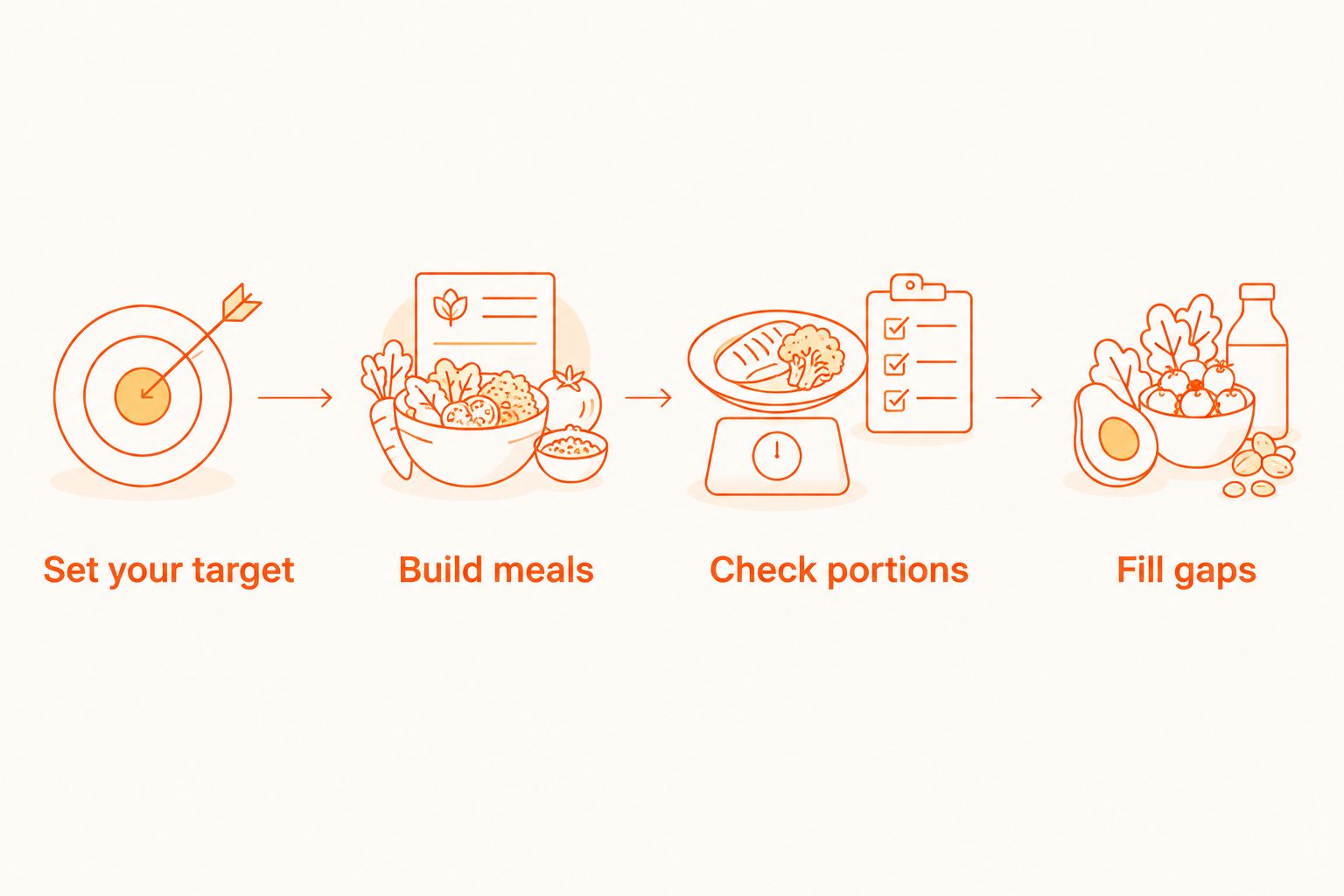
For your 2026 meal plan, make the decision in this order:
- Set your target: Use an appropriate daily protein goal.
- Build meals: Put a clear protein source in your regular meals.
- Check portions: Match labels or food-database entries to what you actually eat.
- Fill gaps: Add a convenient protein source only where needed.
A cooked-food entry must match cooked weight; a raw-food entry must match raw weight. Cooking changes water content, which changes protein concentration per gram without creating extra protein.
FAQ
What's the best high-protein food for building muscle?
Chicken breast is a practical default for lean meal prep because it combines concentrated protein with meal flexibility. Firm tofu is a useful plant-based alternative; consistent total protein intake matters more than choosing one winning food.
How much protein should I eat each day to build muscle?
The International Society of Sports Nutrition gives 1.4–2.0 grams per kilogram of body weight daily for healthy exercising adults. At 80 kilograms, that equals 112–160 grams; medical conditions require individualized advice.
Can I build muscle without protein powder?
Yes, you can build muscle without protein powder when food provides enough protein and your training supports muscle growth. Chicken, dairy, eggs, fish, tofu, and legumes can contribute to that intake.
Is chicken better than eggs for muscle building?
Chicken breast is more protein-dense than whole eggs, but both supply complete protein. Choose chicken for lean main meals and eggs for flexible breakfasts rather than expecting different muscle-building outcomes from either food alone.
Can plant-based foods provide enough protein for muscle building?
Yes, a well-planned plant-based diet can provide enough protein for muscle building. Use protein-focused foods such as tofu alongside legumes, grains, and other varied foods, and check your total intake.
Do I need a protein shake immediately after my workout?
No, you do not need a protein shake immediately after every workout. Daily protein intake is the first priority; a shake is useful when it makes eating enough protein more convenient.
Should I eat the same protein foods every day?
You do not need to eat the same protein foods every day. Repeating convenient staples helps consistency, while rotating foods adds nutritional variety and keeps meals enjoyable.
One last thing
The easiest tracking mistake is weighing cooked food and logging it as raw. Fix that before buying another supplement: matching the food entry to its preparation makes your protein estimate more useful.
Tigerfitness sells protein supplements, but your 2026 muscle-building plan starts with repeatable meals, progressive workouts, and enough recovery. These foods and supplement recommendations are not intended to diagnose, treat, cure, or prevent any disease.
Leave a comment