

Gym Apparel for Powerlifters: 2026 Buying Guide
Gym apparel for powerlifters is the belts, sleeves, wraps, shoes, and grip gear built to support a heavy squat, bench, or deadlift attempt rather than just look good on a scroll feed. Powerlifters need apparel that survives max effort loading and, in competition, meets federation equipment rules a bodybuilder's stringer tank or a runner's compression tights aren't built for that job.
TL;DR
- A 10mm-13mm powerlifting belt beats a thin fashion belt for bracing under a heavy squat or deadlift in 2026.
- 7mm neoprene knee sleeves are the competition standard for squat support, not the thinner 3mm gym versions.
- Wrist wraps matter more for bench press stability than for squats or deadlifts stiffness, not length, is the deciding factor.
- Tiger Fitness stocks apparel and training gear built for lifters who train heavy, not casual gymgoers.
- Skip anything advertised as 'universal fit' for competition gear powerlifting apparel is sport specific.
Why gym apparel matters for powerlifters
A powerlifter's apparel has one job: hold up under maximal load without failing mid-lift. That's a different standard than what a CrossFit athlete or a bodybuilder needs from their gear.
A belt that flexes under a 500-pound squat, a knee sleeve that slips at depth, or wrist wraps that don't hold tension on a heavy bench press attempt aren't inconveniences they're missed lifts. Powerlifters searching for gym apparel for powerlifters are usually shopping for one specific gap in their kit, not a full wardrobe overhaul, which is why this guide walks through each piece on its own rather than bundling everything into one generic list.
Federation rules add another layer non-competitors don't deal with. USAPL and IPF meets specify belt thickness, sleeve material, and wrap length buy the wrong spec and it gets rejected at weigh-in, not mid-meet.
Choose a lifting belt built for bracing, not fashion
A powerlifting belt is not a bodybuilding belt. The job is intra-abdominal pressure support during a max effort squat, bench, or deadlift not lower back "support" for casual training.
- Look for a belt in the 10mm-13mm thickness range; most federations cap competition belts at 13mm
- Choose leather or suede over nylon for a stiffer, less-forgiving brace under heavy loads
- Match belt width to your torso a 4-inch belt is standard, but shorter lifters sometimes need a tapered version
- Buckle vs. lever: levers are faster between attempts, buckles adjust more precisely between meal-heavy and cut weeks
- Break the belt in with lighter sets before you load it on a max attempt
Read the full powerlifting belt guide for a breakdown by thickness, material, and closure type before you buy.
Get knee sleeves that match your squat depth
Knee sleeves do two things: keep the joint warm and return a small amount of elastic energy out of the hole. They are not a fix for squat depth or knee pain caused by bad mechanics.
- 7mm neoprene is the competition standard; 3mm-5mm sleeves are for training and warm-ups only
- Compression fit should feel tight going on a loose sleeve slides and stops doing its job
- Size by knee circumference, not by t-shirt size, since sizing charts vary between brands
- Rotate two pairs if you train five or six days a week neoprene loses compression over time
- Buy a size down if you're between measurements; sleeves stretch, they don't shrink
The knee sleeves ranked by compression level breakdown covers which thickness fits which squat style.
Add wrist wraps for heavy bench press days
Wrist wraps stabilize the wrist joint under a loaded bar path, which matters most on bench press and overhead pressing, less on squats and deadlifts.
- Stiff wraps (24-36 inches) suit lifters who need maximum wrist lockout on heavy bench singles
- Softer, shorter wraps (12-18 inches) work better for higher-rep training days
- Wrap tightness should increase closer to the hand, not stay uniform
- Velcro should hold through a full workout replace wraps once the closure starts slipping
- Match wrap stiffness to your bench style: wide grip benchers generally want stiffer support
The wrist wraps for heavy bench press guide covers stiffness ratings by lifting style in more depth.
Pick lifting shoes with a stable, non-compressible heel
Running shoes and cross trainers compress under load, which bleeds power out of the bottom of a squat or deadlift. Powerlifting specific shoes solve that with a solid heel and a flat sole.
- Raised heel (0.5"-0.75") shoes help lifters with limited ankle mobility hit depth without their heels rising
- Flat, thin-sole shoes (deadlift slippers or wrestling shoes) work better for conventional deadlifts, keeping the bar path shorter
- Sumo deadlifters often prefer a flatter shoe with a wider base for lateral stability
- Break shoes in during warm-up sets, never on a first attempt at a meet
- A stiff, non-compressible sole matters more than cushioning for max-effort work
Dial in training day and meet day apparel
What you wear during training doesn't need to match meet day requirements exactly, but it should build the same habits tight enough to monitor bar position, loose enough not to restrict range of motion.
- A fitted training tee or barbell tee lets coaches and training partners see bar path and back position clearly
- Compression shorts or leggings under a singlet reduce chafing during high-volume squat and deadlift sessions
- Singlets for competition should be broken in during at least one full training session before meet day
- Avoid loose sleeves or hoodies on deadlift day loose fabric can catch on the bar during the pull
The TF barbell tee is a straightforward option for training sessions where visibility of form matters more than anything decorative.
Grip Aids: Chalk, Straps, and Hooks
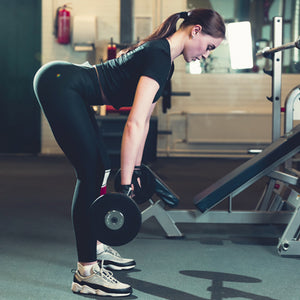
Grip fails before the target muscle does on most heavy deadlift and row work. A grip strategy is part of a powerlifter's apparel and gear kit, not an afterthought.
- Chalk cuts moisture and adds friction on bar to hand contact for deadlifts and heavy rows
- Lifting straps let you overload the pull past your natural grip ceiling on accessory and back work never on a competition attempt
- Hook grip works for some lifters on deadlifts but takes weeks of practice to tolerate the thumb pressure
- Keep a spare pair of straps in your gym bag; frayed straps snap mid-set more often than lifters expect
Comparison: Powerlifting apparel and gear by category
| Item | Best for | Key limitation |
|---|---|---|
| Powerlifting belt (10-13mm) | Max effort squat, deadlift, overhead bracing | Doesn't help without proper bracing technique |
| Knee sleeves (7mm) | Squat warmth and mild rebound out of the hole | Not a fix for poor squat mechanics or pain |
| Wrist wraps | Bench press wrist stability | Minimal benefit for squat or deadlift work |
| Squat/deadlift shoes | Stable base, shorter bar path | Federation legal models are sport-specific, not everyday shoes |
| Chalk | Grip friction on deadlifts and rows | Banned or restricted at some commercial gyms |
| Lifting straps | Overloading pulls past grip limits | Not permitted on competition attempts |
Common mistakes powerlifters make with apparel
- Buying gym-tier gear for competition a 5mm training knee sleeve won't pass IPF or USAPL inspection, which expects 7mm
- Skipping belt break-in a stiff new leather belt on a max attempt often shifts position mid-lift
- Chasing wrist wrap length over stiffness a longer wrap that's too soft won't stabilize a heavy bench press any better than a short stiff one
- Wearing compressive shoes on deadlift day a cushioned running shoe compresses under load and lengthens the pull
- Ignoring belt width for torso length a standard 4-inch belt can dig into shorter lifters' rib cage at the bottom of a squat
FAQ
What is the best gym apparel for powerlifters in 2026?
A 10mm-13mm leather belt, 7mm knee sleeves, and stiff wrist wraps cover the core of a powerlifter's kit in 2026. Everything else shoes, chalk, straps layers on top depending on the lift.
Is a bodybuilding belt the same as a powerlifting belt?
No. Bodybuilding belts are usually thinner and tapered for mobility, while powerlifting belts run 10mm-13mm thick for maximum bracing support under a heavy squat or deadlift.
How thick should knee sleeves be for competition?
Most federations require 7mm neoprene knee sleeves for competition, versus the 3mm-5mm sleeves sold for general training use.
Do wrist wraps help squats and deadlifts, or just bench press?
Wrist wraps matter most for bench press wrist stability. They offer minimal benefit on squats or deadlifts, where the wrist isn't under the same loading angle.
Are lifting straps allowed in powerlifting competitions?
No, lifting straps are banned on competition attempts in USAPL and IPF meets. They're a training tool for overloading pulls past your grip ceiling, not a meet-day tool.
What shoes are best for squats and deadlifts?
Raised-heel shoes (0.5"-0.75") help lifters with limited ankle mobility hit squat depth, while flat-soled shoes suit conventional deadlifts by shortening the bar path.
Does chalk actually improve grip on deadlifts?
Yes, chalk reduces moisture at the bar to hand contact point, which is where grip typically fails first on heavy deadlifts and rows.
How often should knee sleeves be replaced?
Neoprene compression breaks down with heavy training use, so lifters training five or six days a week often rotate two pairs rather than run one pair into the ground.
One Last Thing
Most lifters buy their belt first and their shoes last flip that order. A stable base under your feet changes bar path on every squat and deadlift session before you ever brace against a belt, and it's the piece of gear most first-time powerlifters skip in 2026.
Related Guides
- Best gym apparel for big and tall lifters
- Best lifting straps for heavy deadlifts
- Best weightlifting shoes for squats and deadlifts
- Pre-workout supplement for powerlifting max effort days
Leave a comment