


Gym Gloves Ranked by Grip and Padding in 2026
Your hands give out before your back does on heavy pulling days, and that's usually a grip problem, not a strength problem. This guide ranks gym gloves by grip and padding for 2026, matching each pair to the training style it actually fits instead of pretending one glove wins every workout.
TL;DR
- Heavy Duty Lifting Gloves win for max effort presses and pulls with reinforced rubber padding.
- Classic Lightweight Padded Lifting Gloves keep bar feel close to bare hand for everyday sets.
- SPINTO FITNESS Workout Gloves cover mixed modal training where you touch dumbbells, bars, and machines in one session.
- Gym gloves grip and padding decisions come down to bar feel versus callus protection, not one universal winner.
Why This Matters
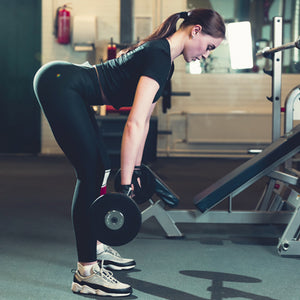
Bad grip cuts sets short. If your palms slide on the last rep of a deadlift or your calluses tear mid-set, the workout stops before your legs or back actually fatigue. That's a gear problem, and it's fixable in one purchase.
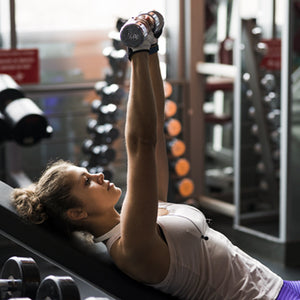
Gym gloves grip and padding needs change by lift. A bench press needs thin padding so you still feel the bar in your fingers. A deadlift or shrug needs enough padding to survive friction without going numb. Tiger Fitness carries a range of gloves ranked by grip support for lifters who want a second opinion before buying, and the picks below break down which pair earns its spot in your gym bag in 2026.
What makes the Best gym gloves for grip and padding
- Palm padding density — thick enough to stop friction tears, thin enough to keep bar feel
- Grip texture — rubberized or silicone patterns that hold on sweaty bars and dumbbell knurling
- Wrist support — a snug closure that stops the glove from sliding during heavy pulls
- Breathability — mesh or perforated backs that don't turn your hands into a sweat trap by set three
- Durability under load — stitching and padding that survive months of barbell and rack contact
- Versatility across equipment — how the glove performs on barbells, dumbbells, cables, and pull-up bars
Gym Gloves at a Glance
| Item | Best for | Standout feature | Key limitation |
|---|---|---|---|
| Heavy Duty Lifting Gloves | Max effort presses and pulls | Reinforced rubber padding across the palm | Extra bulk cuts bar feel on Olympic style lifts |
| Classic Lightweight Padded Lifting Gloves | Everyday training and warm-up sets | Thin padding keeps bar feel close to bare hand | Padding thins out faster under heavy iron |
| SPINTO FITNESS Workout Gloves | Mixed modal and circuit training | Grip texture built for varied equipment | Less cushioning than heavy duty gloves on barbell only days |
1. Heavy Duty Lifting Gloves: Best gym glove for max effort lifting
The Heavy Duty Lifting Gloves are built around reinforced rubber padding across the palm, which is exactly what heavy pressing and pulling days call for. These are the thickest padded option on this list, and that thickness is the point when you're grinding through a top set.
Heavy Duty Lifting Gloves pros:
- Reinforced rubber padding absorbs friction on heavy barbell work
- Padding placement targets the high friction zone across the palm
- Holds up under repeated heavy rack contact
Heavy Duty Lifting Gloves cons:
- Bulkier feel reduces bar sensitivity for lifters who rely on fine grip feedback
- Overkill for lighter accessory work or cardio days
Heavy Duty Lifting Gloves verdict: Buy if your training revolves around heavy barbell pressing, rowing, or pulling and your hands are the first thing to fatigue.
2. Classic Lightweight Padded Lifting Gloves: Best gym glove for everyday training
The Classic Lightweight Padded Lifting Gloves trade bulk for bar feel. Padding is thin by design, so you keep more of the tactile connection to the bar that heavier gloves sacrifice. That makes them the pick for general training days where grip endurance matters more than raw padding.
Classic Lightweight Padded Lifting Gloves pros:
- Thin padding keeps bar feel close to bare-hand lifting
- Lighter and less restrictive across the fingers
- Works across most equipment without feeling clunky
Classic Lightweight Padded Lifting Gloves cons:
- Padding wears thin faster under sustained heavy loading
- Less protection on max-effort days than the Heavy Duty option
Classic Lightweight Padded Lifting Gloves verdict: Buy if your split is mostly moderate-weight hypertrophy work and you want bar feel over cushioning.
3. SPINTO FITNESS Workout Gloves: Best gym glove for mixed modal training
The SPINTO FITNESS Workout Gloves are built for lifters who bounce between barbells, dumbbells, cable stations, and machines in the same session. The grip texture is designed to hold across varied equipment surfaces rather than optimize for one lift type, which is the tradeoff you make for versatility.
SPINTO FITNESS Workout Gloves pros:
- Grip texture performs consistently across barbells, dumbbells, and machines
- Comfortable enough for full session wear without hot spots
- Suited to circuit style and mixed modal training
SPINTO FITNESS Workout Gloves cons:
- Less padding than the Heavy Duty option for barbell only heavy days
- Not the first pick if your training is strictly max effort powerlifting
SPINTO FITNESS Workout Gloves verdict: Buy if your week mixes equipment types and you want one glove that handles all of it reasonably well.
A no-glove option worth knowing about
Some lifters skip gloves entirely and rely on chalk for grip instead. Gym Chalk removes moisture from the palm rather than adding a padding layer, which is a different approach to the same problem: hands slipping before the set is done. It's not a glove alternative for everyone, but it's worth having in the bag alongside a pair of gloves, especially for deadlift-heavy training blocks.
Grip support picks


How We Ranked
Each glove got measured against the six criteria above: padding density, grip texture, wrist support, breathability, durability, and versatility across equipment. The Heavy Duty Lifting Gloves score highest on raw padding and grip texture for heavy work; the Classic Lightweight option wins on bar feel and breathability; SPINTO FITNESS Workout Gloves take the versatility slot for lifters who don't train the same way twice in a week.
That's also why a straps only approach doesn't replace gloves entirely lifting straps solve grip fatigue on pulls but do nothing for palm friction on pressing days, which is a padding problem, not a strap problem.
“If your hands slip before your legs give out, the workout stops early, and that's a gear fix, not a strength fix.”
Which gym gloves should you choose?
Buy the Heavy Duty Lifting Gloves if you're chasing max effort numbers on presses, rows, and pulls in 2026 and your palms are the limiting factor before your target muscles fatigue. Buy the Classic Lightweight Padded Lifting Gloves if your training is mostly moderate-weight volume work and you want bar feel over cushioning. Buy SPINTO FITNESS Workout Gloves if your week mixes barbells, dumbbells, and machines and you don't want to switch gloves for each station.
Lifters who also chase heavy bench numbers should pair glove choice with wrist support padding handles palm friction, wraps handle joint stability, and the two problems aren't interchangeable.
FAQ
What's the best gym glove for grip and padding in 2026?
The Heavy Duty Lifting Gloves win for grip and padding in 2026 because of the reinforced rubber palm built for heavy barbell work. Lighter training days are better served by the Classic Lightweight Padded Lifting Gloves, which trade padding for bar feel.
Are padded lifting gloves better than lifting straps?
Gloves and straps solve different problems: padding protects palm skin from friction, while straps offload grip fatigue on heavy pulls. Many lifters use straps for deadlifts and gloves for pressing and general training in the same week.
Do gym gloves reduce grip strength gains?
Gloves don't directly weaken grip strength, but relying on them for every set can reduce the callus toughening that comes from bare hand training. Rotating gloves and bare hand sets across the week keeps both grip endurance and hand protection in play.
How thick should glove padding be for bench press?
Thinner padding works better for bench press because it keeps the bar close to your fingers for control. That's why the Classic Lightweight Padded Lifting Gloves fit pressing days better than the bulkier Heavy Duty option.
Can you use gym gloves and chalk together?
Yes, chalk on top of a gloved palm adds friction without changing the padding layer underneath. It's a common combination on deadlift-heavy training days when moisture control matters as much as cushioning.
How often should you replace gym gloves?
Replace gloves once the palm padding compresses flat or the stitching starts separating, which shows up faster on gloves used for heavy barbell work. There's no fixed timeline in 2026 check padding thickness monthly if you train five or more days a week.
Are gym gloves better than bare hand lifting for calluses?
Gloves reduce callus buildup by cutting direct friction, which some lifters want and others don't. If callus-free hands matter more to you than raw bar feel, gloves are the better call.
Do gym gloves work for pull-ups and rows?
Yes, but padding placement matters more here than on presses gloves with grip texture across the fingers, like SPINTO FITNESS Workout Gloves, hold better on pull-up bars than heavily padded palm only designs.
One Last Thing
The glove that wins on paper isn't always the one you'll actually wear a pair with too much padding for your hand size gets left in the gym bag by week three of 2026, no matter how good the rubber is. Try the pair that matches your most frequent training style first, not the one with the most padding on the spec sheet.
Related Guides
Leave a comment