





FOODS FOR ENERGY BEFORE A WORKOUT
How to Manage Workout Energy Levels Naturally
Last Updated: October 26, 2026
Quick Summary
To manage workout energy naturally, fuel before you train, time your meals right, hydrate with electrolytes instead of just water, pace your sessions with a proper warm-up, and recover hard. A review found regular exercise lowered fatigue slightly and raised energy by a small-to-moderate amount, so you have to stack the basics.
- Eat a full meal 2-3 hours before training, or a small snack 30-60 minutes out.
- Aim for 300-600 mg of sodium per hour of hard sweating to replace electrolytes.
- Warm up 5-10 minutes before heavy work and rest 60-90 seconds on hypertrophy sets.
- Take 30-60 grams of fast carbs per hour during endurance sessions over 60 minutes.
- Track your energy for one week to spot patterns from skipped meals or poor hydration.
Table of Contents
- Why Your Workout Energy Crashes (and What Actually Fixes It)
- Foods for Energy Before a Workout: What to Eat and What to Skip
- Pre-Workout Meal Timing: The Window That Matters
- Hydration for Exercise: More Than Just Water
- How to Avoid Fatigue During Exercise: Pacing, Warm-Ups, and Rest
- Supplements and Energy Products: What the Evidence Says
- Build Your Natural Energy Plan at Tiger Fitness
- Frequently Asked Questions
Why Your Workout Energy Crashes (and What Actually Fixes It)
Most people think low energy in the gym is a caffeine problem. It's not. It's a fuel and recovery problem.
Here's the hard truth about how to manage workout energy levels naturally: a review in The Effect of Chronic Exercise on Energy and Fatigue States found that regular exercise lowered fatigue by a small amount and raised energy by a small-to-moderate amount. That's real, but it's not magic. You have to stack the basics.
At Tiger Fitness, we see the same pattern in the gym every day. Guys slam a pre-workout, skip breakfast, train dehydrated, then wonder why they crash on set three.
The fix comes down to five levers:
- Fuel before you train
- Time your meals right
- Hydrate with electrolytes, not just water
- Pace your sessions and warm up properly
- Recover hard
Below, we break down each one and give you a simple plan to track your energy.
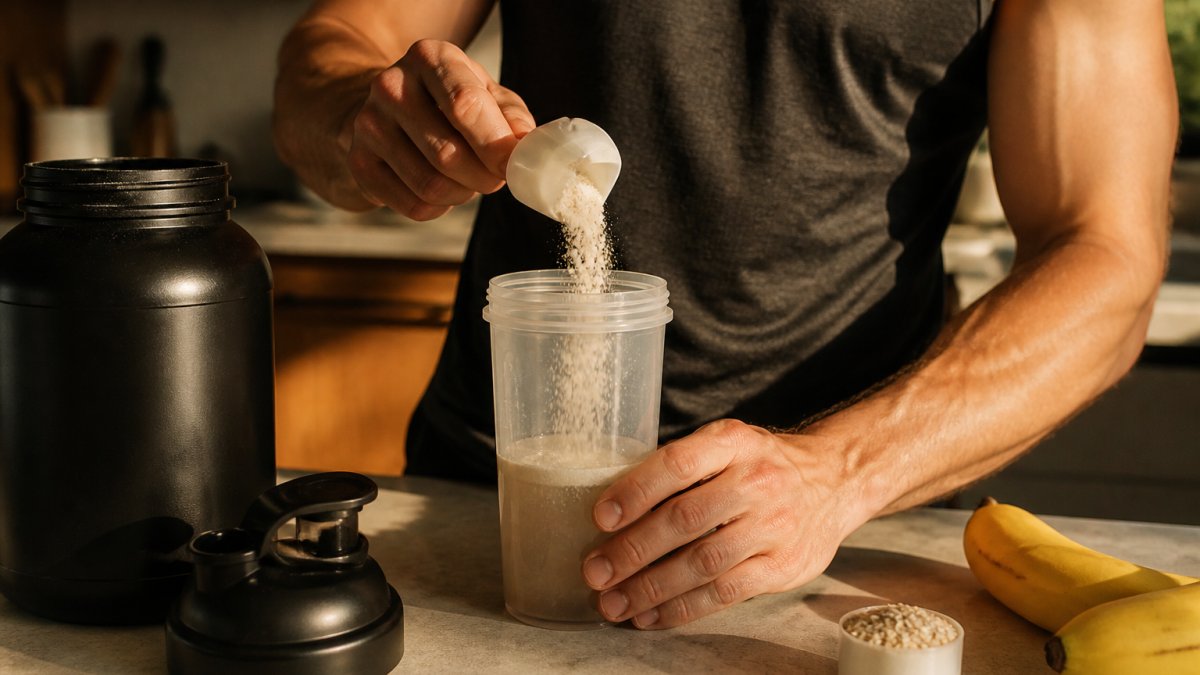
If you're crashing specifically mid-session, read our breakdown on how to manage a pre-workout crash after heavy training.
Foods for Energy Before a Workout: What to Eat and What to Skip
What you eat before training decides how hard you can push. The best pre-workout fuel is a mix of fast carbs for quick energy and protein to protect muscle. But the real trick is matching the food to the session, not just eating "clean."
The Cleveland Clinic's guidance on meal patterns points to smaller, more frequent meals built on complex carbs and lean protein. That beats a giant meal you can't digest. Here's how to apply that to actual training.
Eat this:
- Rice cakes, cream of rice, or white rice
- A banana or dried fruit
- Greek yogurt with granola
- Lean protein: chicken, egg whites, whey
Skip this:
- Heavy fried food
- High-fat meals right before training
- Sugary drinks with no protein
Fast Carbs vs. Slow Carbs: Picking Your Fuel
Fast carbs digest quickly and hit your system in 15-30 minutes. Slow carbs release energy over hours. Use fast carbs 30-60 minutes before training. Use slow carbs 2-3 hours out. For a quick hit during long sessions, Honey Stinger Organic Energy Gels deliver fast carbs in a portable packet.

Fuel by Workout Type and Time of Day
This is where most guys screw up. A 6 a.m. strength session and a 6 p.m. endurance ride need different fuel.
- Early-morning strength (within 60 minutes of waking): You don't have time for a full meal. Use 30-40 grams of fast carbs, a banana plus a rice cake, or cream of rice, 20-30 minutes before you lift. Add 20-25 grams of whey if you're training fasted and want to protect muscle. Keep it small so you don't bloat.
- Evening strength (after work): You've had meals during the day. A small snack 45-60 minutes out, Greek yogurt with granola or a rice cake with honey, is enough. Don't eat a full dinner right before heavy squats.
- Endurance sessions over 60 minutes: Start with slow carbs 2-3 hours out (oatmeal, rice, lean protein), then take 30-60 grams of fast carbs per hour during the session. That's the standard sports-nutrition range most practitioners use.
- High-intensity intervals or conditioning: Treat it like strength, fast carbs 30-45 minutes out, keep fat and fiber low so nothing sits in your gut.
Pro Tip If you train first thing in the morning and feel flat, try 30 grams of fast carbs before you leave the house for one week. Most guys notice a difference in session energy within three sessions.
What to Skip, and Why
High fat and high fiber meals right before training slow gastric emptying. That means blood goes to your gut instead of your muscles, and you feel heavy and sluggish. Save the big salad and fried food for after training. Sugary drinks with no protein spike insulin and leave you crashing mid-session, that's not fuel, that's a rollercoaster.
For a fast digesting carb source that sits easy before lifting, RAW Nutrition Cream of Rice is built for exactly this window.

Pre-Workout Meal Timing: The Window That Matters
Pre-workout meal timing is about giving your body fuel without weighing you down. Eat a full meal 2-3 hours before training, or a small snack 30-60 minutes out.
Here's the simple rule:
- Big meal: 2-3 hours before
- Small snack: 30-60 minutes before
- Fast carbs: 15-30 minutes before
For a fast-digesting carb source that sits easy before lifting, RAW Nutrition Cream of Rice is built for exactly this window.
Hydration for Exercise: More Than Just Water
Hydration for exercise is about replacing fluids AND electrolytes. When you sweat, you lose sodium, potassium, magnesium, and calcium. Water alone doesn't replace them. That loss hits muscle contractions, nerve function, and energy levels. So plain water can leave you flat.
But "drink more water" is lazy advice. Here's what actually matters.
How Much Fluid You Actually Lose
A common estimate is 1-2 liters of sweat per hour during hard training, but that varies wildly by body size, heat, and intensity. A simple way to check: weigh yourself before and after a session. Every pound lost is roughly 16-24 ounces of fluid. Replace 1.5 times that amount over the next few hours. Most practitioners find that's more useful than guessing.
Hydration by Session Length and Intensity
- Under 60 minutes, moderate intensity: Water is usually enough. Drink 16-20 ounces in the 2 hours before training and sip as needed.
- 60-90 minutes, hard training: Add electrolytes. Sodium is the big one, aim for 300-600 mg of sodium per hour of hard sweating. That's the range most sports-nutrition guidance lands on.
- Over 90 minutes or hot conditions: You need a real electrolyte plan. Sodium, potassium, and magnesium all matter. Drink to thirst plus a scheduled 8-12 ounces every 15-20 minutes.
What to Do
- Drink water throughout the day, don't try to catch up right before training
- Add electrolytes around training, especially for long or hot sessions
- Sip during long or hot sessions instead of chugging
- Check urine color: pale yellow is the target, dark yellow means you're behind
Watch Out Drinking too much plain water during long, hard sessions can dilute your sodium and leave you worse off. If you're sweating heavily for over an hour, electrolytes aren't optional.
RAW Replenish packs sodium, potassium, magnesium, and calcium to replace what you sweat out. For deeper guidance, see how to use hydration supplements for better workouts.
How to Avoid Fatigue During Exercise: Pacing, Warm-Ups, and Rest
You avoid fatigue during exercise by pacing your effort, warming up properly, and resting enough between sets. Simple, but most people skip all three.
The CDC physical activity guidelines call for at least 150 minutes of moderate activity weekly, or 75 minutes of vigorous work. That's the baseline. How you pace within a session matters just as much.
Do this:
- Warm up 5-10 minutes before heavy work
- Stretch tight areas after training, not cold
- Rest 60-90 seconds on hypertrophy sets
- Cap sessions so you don't fry your nervous system
Watch out: stacking stimulants to push through real fatigue hides the problem. It doesn't fix it.
Supplements and Energy Products: What the Evidence Says
Most energy products are stimulants. They spike alertness, then drop you. That's not the same as real energy.
The research backs a different approach. A review on lifelong exercise links consistent training to a longer health span and delayed onset of 40 chronic conditions. Exercise itself is the energy tool.
Non-stimulant options have a place too. NOW Sports D-Ribose supports ATP production at the cellular level, with no caffeine. It's a smart pick if you're sensitive to stimulants.

If you're hooked on caffeine-heavy products, read how to taper off pre-workout stimulants safely.
Build Your Natural Energy Plan at Tiger Fitness
Here's how to put it all together. Track your energy for one week with this simple plan:
| Day | Pre-Workout Fuel | Hydration | Session Pacing | Energy Score (1-10) |
|---|---|---|---|---|
| Mon | Snack 45 min out | 2 cups + electrolytes | 60-90s rest | |
| Wed | Meal 2 hrs out | 3 cups + electrolytes | Warm-up 10 min | |
| Fri | Fast carbs 30 min out | 2 cups + electrolytes | Cap at 45 min |
Score your energy after each session. Look for patterns: low scores after skipped meals or poor hydration tell you where to fix.
Watch out: persistent fatigue that doesn't improve with food, fluids, and rest is a red flag. That's a signal to see a doctor, not to add more stimulants.
Frequently Asked Questions
How can I get more energy for a workout naturally?
Start with the basics: eat a carb-and-protein meal 2 to 3 hours before training, sip water throughout the day, and get 7 to 9 hours of sleep. A 2022 review found chronic exercise increased energy with a small-to-moderate effect and reduced fatigue with a small effect, so consistency matters more than any single trick. If you still drag, check your calorie intake. The American Institute for Cancer Research warns energy falls when you eat too little to fuel activity. Fix the fundamentals before you buy another stimulant.
What should I eat before a workout for energy?
Keep it simple: complex carbs plus lean protein. The Cleveland Clinic recommends smaller, more frequent meals built on complex carbohydrates and lean proteins. A pre-workout snack like Greek yogurt with granola, or a fast-digesting carb source such as cream of rice, gives you fuel without sitting heavy. Avoid heavy fats and fiber right before training. If you train within an hour of eating, go smaller and lighter. If you have 3 hours, eat a full meal. Match the size of the meal to the time you have before your first set.
How much water should I drink before exercising?
There is no single number that fits everyone, but hydration for exercise starts hours before you train. Drink water consistently through the day, and add electrolytes when you sweat heavily or train longer than an hour. A full-spectrum electrolyte mix with sodium, potassium, magnesium, and calcium helps maintain fluid balance and muscle function during intense activity. Weigh yourself before and after a hard session: the pounds you lose are fluid you need to replace. Plain water works for short sessions; long or hot workouts need the minerals too.
Why do I feel tired when I work out?
Common causes are under-fueling, dehydration, poor sleep, and going out too hard too early. Insufficient calories undermine energy for physical activity, per the American Institute for Cancer Research. If fatigue shows up every session and does not improve with rest, food, and fluids, that is a signal to back off and get checked by a qualified professional. Persistent fatigue is not something to push through. Track your food, water, and sleep for a week before you blame your program.
Tiger Fitness is here to fuel that plan with the right supplements and free tools. Our fitness calculators help you dial in calories and macros, and our rewards program saves you money on every order. Get started with Tiger Fitness and train with real energy, not borrowed energy.

Leave a comment