







How to Save Money on Fitness Supplements
Table of Contents
- Calculate Price Per Serving Before You Buy
- Best Affordable Supplement Brands That Don't Compromise Quality
- How to Read Supplement Labels and Avoid Proprietary Blends
- Essential vs Non-Essential Supplements: What Actually Matters
- Bulk Supplement Buying Guide: When and How to Stock Up
- Third-Party Testing and Safety: Non-Negotiable at Any Price
- Loyalty Programs and Subscription Discounts That Actually Save Money
- Conclusion
Calculate Price Per Serving Before You Buy
Stop throwing money away on supplements you don't understand. The single biggest mistake people make is buying based on the bottle price, not the actual cost per serving. That's how you end up overspending on products that seem cheap until you do the math.
Here's what separates smart buyers from broke ones: you calculate the cost per serving before anything else. A 5-pound tub of protein powder that costs more upfront might deliver 100 servings at $0.30 each. A smaller container at half the price might give you 20 servings at $0.75 each. The math tells the real story.
To calculate price per serving, divide the total cost by the number of servings. If a container costs $40 and contains 40 servings, you're paying $1 per serving. If another brand costs $35 with 25 servings, you're paying $1.40 per serving. That $5 difference in bottle price just cost you money on a per-serving basis.
This matters for every supplement category. Creatine monohydrate, pre-workout, protein powder, vitamins, the math works the same way. When you shop at Tiger Fitness, you can see the serving count and total cost clearly, which makes this calculation straightforward. Compare price per serving across brands, not the sticker price on the bottle. That's how you actually save money on fitness supplements.
Pro Tip Most supplement labels list servings per container in small print. Find that number first, then divide the total cost. This takes 10 seconds and saves you money every single purchase.
Best Affordable Supplement Brands That Don't Compromise Quality
The fitness supplement market is flooded with cheap brands that cut corners on ingredient quality, bioavailability, and third-party testing. Just because something costs less doesn't mean it's a bargain, it might be garbage.
Real affordability means finding brands that deliver quality ingredients at reasonable prices, not brands that slash costs by using inferior formulations. These companies exist. They don't advertise as heavily as the big names, which is why they stay cheaper.
Look for brands that publish their ingredient profiles transparently, include serving sizes that match industry standards, and don't hide behind proprietary blends. The best affordable brands compete on volume and efficiency, not on cutting ingredients. They make money by selling more units, not by charging premium prices for basic formulations.
When you're evaluating an affordable supplement brand, check three things: ingredient transparency, third-party testing certifications, and customer feedback from people who've actually used the product. If a brand hides its formula or lacks testing, it's not affordable, it's a risk. Tiger Fitness carries brands that meet these standards at prices that don't require you to choose between quality and cost.
The brands worth your money are the ones that publish full ingredient lists, show dosage amounts clearly, and can back up their claims with actual testing data. Affordability paired with transparency is the only combination that makes sense.

Key Takeaway Cheap supplements from unknown brands often cost more per serving than quality alternatives when you factor in bioavailability and actual ingredient content. Do the math before you assume you're saving money.
How to Read Supplement Labels and Avoid Proprietary Blends
Proprietary blends are the enemy of smart supplement shopping. They let companies hide the actual dosages of individual ingredients behind a total blend weight, which means you have no idea what you're actually getting.
A supplement label that says "Proprietary Energy Blend, 500mg" tells you nothing. You don't know if it contains 400mg of caffeine or 50mg. You don't know the ratio of ingredients. The company isn't being transparent, which is a red flag every single time.
When you read a label, look for these specific things: individual ingredient amounts listed in milligrams or grams, not hidden in proprietary blends. The Supplement Facts panel should show each active ingredient with its dose. If you see "proprietary blend" anywhere, move on. There are better options.
Check the ingredient list for fillers, artificial sweeteners you want to avoid, and additives that don't serve a purpose. A clean label has ingredients that do something. Everything listed should have a reason to be there. If you can't pronounce an ingredient or don't know what it does, look it up. You're putting this in your body, you should know what it is.
Dosage matters enormously. A pre-workout with 150mg of caffeine is not the same as one with 400mg, even if they cost the same. A creatine product with 3 grams per serving is underdosed compared to 5 grams. Read the label carefully, compare dosages across brands, and understand that higher dosage doesn't always mean better, but it does mean different, and you should know the difference before you buy.
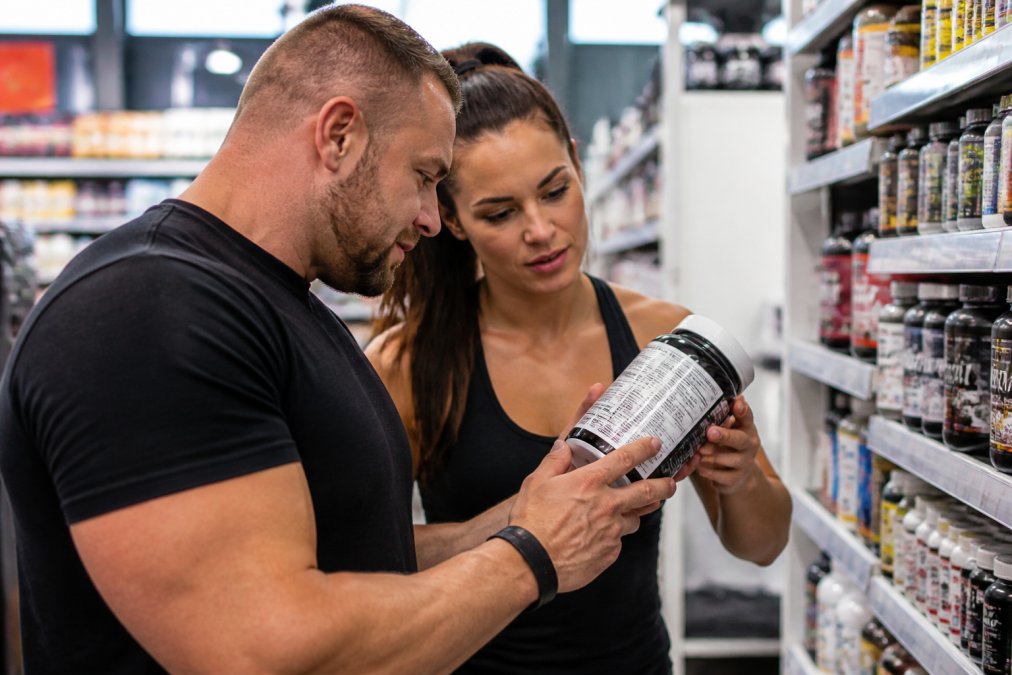
Watch Out Proprietary blends hide ingredient dosages. You cannot assess whether the formula is effective or safe without knowing exact amounts. Avoid them entirely, there are no exceptions where this is acceptable.
Essential vs Non-Essential Supplements: What Actually Matters
Not every supplement you see is worth buying. The fitness industry profits from selling you things you don't need. Learning the difference between essential and non-essential supplements is how you cut through the noise and stop wasting money.
Essential supplements are the ones that address real nutritional gaps or directly support your training goals. Protein powder makes sense if you can't hit your daily protein target through food. Creatine monohydrate has decades of research showing it improves strength and muscle gains. A multivitamin fills micronutrient gaps if your diet is incomplete. These are the foundational supplements worth your money.
Non-essential supplements are the ones that provide marginal benefits in specific situations. Fat burners might give you a slight edge if everything else is already dialed in, but they won't fix a bad diet. Nootropics might help with focus, but they're not necessary for results. Expensive amino acid formulations are nice-to-haves, not must-haves. The supplement stack that delivers 80% of the results uses about four products: protein, creatine, a multivitamin, and maybe a pre-workout if you train hard. That's it.
The fitness industry wants you to believe you need 10 supplements stacked together. You don't. A focused supplement stack with essential products beats a massive collection of mediocre ones every single time. Start with the essentials, nail those, then add one or two non-essentials if you want to optimize further.

When you're building your supplement stack, ask yourself: does this address a real gap in my nutrition or training? If the answer is no, don't buy it. If the answer is yes, buy the best version you can afford based on price per serving. Use FREE TOOLS & FITNESS CALCULATORS to determine your exact nutritional needs and training requirements before you spend a dime on supplements. That's how you avoid wasting money on products you don't actually need.
Bulk Supplement Buying Guide: When and How to Stock Up
Buying in bulk is one of the most effective ways to save money on fitness supplements, but only if you do it strategically. Bulk purchasing doesn't make sense for every product, and timing matters.
Buy in bulk when you've found a product you use consistently and trust completely. If you go through a tub of protein powder every month, buying three months' worth at once makes sense. You lock in the price, reduce shipping costs per unit, and ensure you don't run out. The math works in your favor.
The products worth buying in bulk are your staples: protein powder, creatine monohydrate, a multivitamin, maybe a pre-workout if you use it daily. These are products you'll definitely use before they expire. Protein powder stays good for months. Creatine doesn't degrade. A quality multivitamin has a long shelf life. These are safe bets for bulk purchasing.
Don't buy in bulk for products you're trying for the first time. Buy a single serving or small container first. Make sure it works for you, doesn't cause side effects, and fits your routine. Once you know it's a keeper, then go big on the next order.
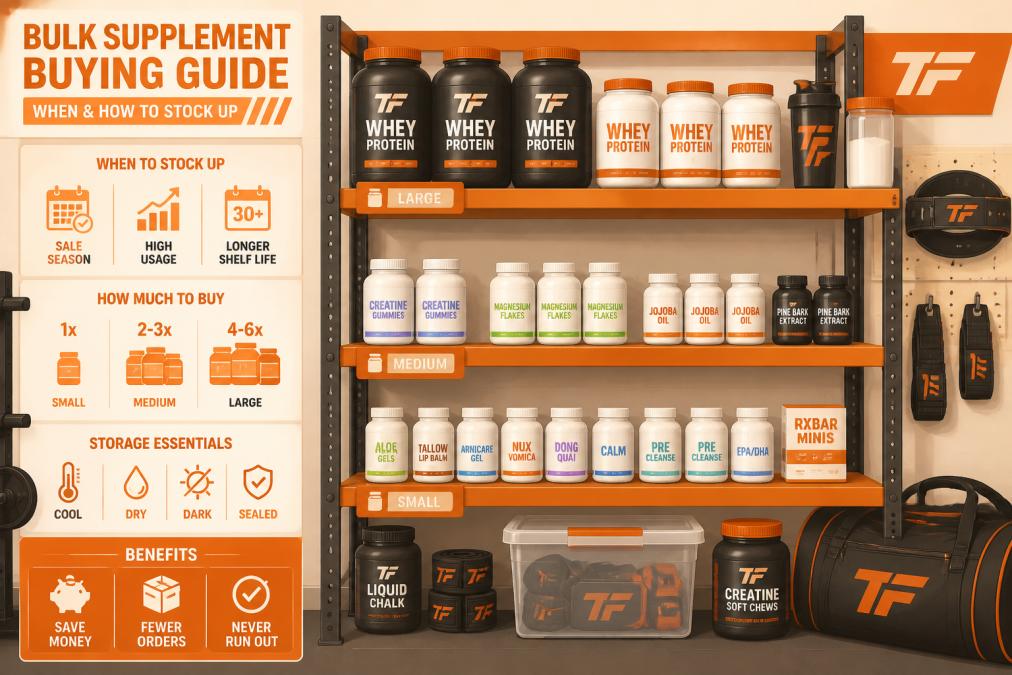
Timing your bulk purchases with sales events matters. Most supplement retailers run promotions during major holidays and the start of the year. If you know you'll need supplements in three months, buying during a sale event saves significant money. Stack bulk purchasing with promotional pricing, and your cost per serving drops even further.
Storage matters when you're buying in bulk. Keep supplements in a cool, dry place away from direct sunlight. Protein powder containers should be sealed tight. Creatine stays stable for years if kept dry. A multivitamin in a sealed bottle lasts indefinitely. Proper storage means your bulk purchase stays good the entire time you're using it.
Pro Tip Buy your staple supplements in bulk during sales events, then set up auto ship subscriptions for ongoing discounts. This combination reduces your cost per serving more than any other strategy.
Third-Party Testing and Safety: Non-Negotiable at Any Price
Third-party testing separates legitimate supplement companies from fly by night operations. If a supplement hasn't been tested by an independent lab, you have no guarantee it contains what the label claims or that it's free from contaminants.
This isn't theoretical. The supplement industry has a documented problem with products that don't match their labels. Some contain less of the active ingredient than advertised. Others contain undisclosed ingredients or contaminants. Third-party testing catches these issues before the product reaches you.
Look for NSF Certification, USP Verification, or testing from other reputable independent labs. These certifications mean a third party verified the ingredient content, tested for contaminants, and confirmed the product matches its label. It's the only way to know you're getting what you paid for.
The cost of third-party testing is minimal compared to the risk of buying untested supplements. A company that invests in testing is showing you they stand behind their product. A company that avoids testing is cutting corners, and you should avoid them entirely.
When you're evaluating brands, check their website for testing certifications. Real companies display this information prominently because it's a competitive advantage. If you can't find testing information, email the company and ask. A legitimate company will provide documentation. A company that dodges the question or claims testing isn't necessary is not worth your money.
Watch Out Untested supplements can contain banned substances, heavy metals, or incorrect ingredient amounts. Saving money on an untested product isn't savings, it's a risk. Always verify third-party testing before purchasing.
Loyalty Programs and Subscription Discounts That Actually Save Money
Most loyalty programs are designed to make you feel like you're saving money while you're actually spending more. The ones that matter are the ones with concrete discounts on products you're already buying.
Tiger Fitness offers a rewards program structured around your actual purchases. The more you buy, the more you earn back. This isn't marketing fluff, it's a direct reduction in what you pay over time. If you're buying supplements regularly, a rewards program that tracks your spending and gives you points toward future purchases is worth using.
Subscription models work when they're automatic and they discount the product. An auto-ship subscription for your protein powder that gives you a discount every month saves real money if you use that product consistently. You set it and forget it, the product arrives on schedule, and you pay less. That's a genuine win.
The key to using loyalty programs and subscriptions effectively is honesty about what you actually use. If you subscribe to a supplement you don't consume before the next shipment arrives, you're wasting money. Only subscribe to products you know you'll use within the subscription period.
Compare the subscription discount to the bulk purchase discount. Sometimes buying multiple months at once during a sale beats the monthly subscription. Sometimes the subscription wins. Do the math for your specific products and buying patterns. The answer changes based on your usage and the current promotions.
Key Takeaway Loyalty programs and subscriptions only save money if you use the products consistently and the discount is real. Track your actual savings over time, not just the promised percentage.
Conclusion
Saving money on fitness supplements comes down to understanding what you're buying, knowing your actual cost per serving, and refusing to compromise on quality or safety. The cheapest supplement isn't a bargain if it doesn't work or if you can't trust what's in the bottle.
Start by determining exactly what your body needs. Use FREE TOOLS & FITNESS CALCULATORS to dial in your nutritional gaps and training requirements, then build a focused supplement stack around those essentials. Buy in bulk when it makes sense, use loyalty programs strategically, and always verify third-party testing. That approach saves money without sacrificing results.
The best rewards program in the industry isn't worth anything if you're buying the wrong products. Get the fundamentals right first, know your goals, understand your nutritional gaps, and choose supplements backed by testing and transparency. Then optimize the price. That's how you actually save money on fitness supplements and get the results you're paying for.
Frequently Asked Questions
What is the cheapest way to buy supplements without sacrificing quality?
Calculate price per serving, not just total cost. Buy bulk when you're committed to a supplement long-term. Stack third-party tested brands with loyalty programs and subscription discounts. Generic brands are often identical to name brands, check the ingredient profile and testing certification, not the label. Most savings come from eliminating supplements you don't need and buying only what directly supports your fitness goals.
Are generic supplement brands as effective as name brands?
Yes, if they're third-party tested and have identical ingredient profiles. The markup on name brands comes from marketing, not superior formulation. Compare creatine monohydrate from a budget brand against a premium brand, the active ingredient is the same. What matters: bioavailability, dosage accuracy, and third-party testing. Read the label, verify testing, then buy based on price per serving.
How do I know which supplements are actually worth the investment?
Focus on essentials: protein powder, creatine monohydrate, and a multivitamin if your diet is inconsistent. Pre-workout and sustained-release formulas are optional, they're nice but not necessary for results. Non-essentials like exotic amino acid blends and proprietary stacks are where companies inflate prices. Consult with a healthcare provider about your nutritional requirements based on your fitness goals and current diet.
Is it better to buy supplements in bulk?
Only if you're committed to using the product consistently. Bulk purchasing reduces price per serving significantly, but only if you finish the product before shelf life expires. Calculate how long a bulk container will last based on your dosage, then decide. Subscription discounts on auto-ship orders often match or beat bulk pricing without the storage risk. For staples like protein powder and creatine, bulk buying makes sense. For pre-workout or single-serving packets, buy smaller quantities.
Leave a comment