

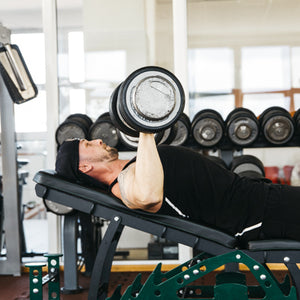

HOW LONG TO WAIT TO EAT AFTER A WORKOUT
Post Workout Meal Timing for Fat Loss: What Works
Table of Contents
- Post Workout Meal Timing for Fat Loss: What the Evidence Actually Says
- When to Eat After a Workout to Lose Fat
- How Long to Wait to Eat After a Workout
- What to Eat After a Workout for Fat Loss
- Post-Workout Meal Examples for Fat Loss
- Calorie Deficit and Portion Sizes: The Part That Actually Drives Fat Loss
- Timing by Workout Type and Schedule
- Frequently Asked Questions
Last Updated: October 6, 2026
Post Workout Meal Timing for Fat Loss: What the Evidence Actually Says
Let me hit you with the truth: your post workout meal timing for fat loss matters far less than most fitness influencers want you to believe.
According to Aragon and Schoenfeld's nutrient timing review, delaying carbs by two hours after training slows glycogen refill compared to eating right away. That's a recovery finding, not proof that a specific meal time burns more fat.
At Tiger Fitness, we've watched lifters obsess over the clock while ignoring the only thing that actually strips fat: a calorie deficit. So here's the deal.
Watch Out The biggest mistake is treating the "30 minute window" as a deadline. Miss it and you'll panic eat junk you didn't need. The clock is not the enemy. Your total daily calories are.
When to Eat After a Workout to Lose Fat
The short answer: eat when it fits your schedule, ideally within a couple of hours.
A 2018 review from Schoenfeld and colleagues on the postworkout window found that if you ate a real meal within three to four hours before training, that window stretches well past the gym.
The National Academy of Sports Medicine's nutrient timing guidance now describes a protein and carb meal within a couple of hours as plenty for most people. The rigid 30 minute rule has relaxed under scrutiny.
The 30 Minute Anabolic Window Is Not a Deadline
The anabolic window is the period after training when your muscles are primed to absorb nutrients for repair. That window is real. It's just wider than the fitness industry sold you.
Here's what most guides miss: the window's length depends on when you last ate. Train fasted and it's tighter. Train fed and it's wide open.
- Trained fasted? Eat within 60 minutes.
- Ate 2 to 3 hours before? You have up to 3 to 4 hours.
- Ate within 90 minutes of training? No rush at all.
How Long to Wait to Eat After a Workout
How long to wait to eat after a workout depends on your last meal, not a universal number. Most people can wait one to two hours without hurting recovery.
The 2013 review found that a two hour carb delay slows glycogen replenishment. So if you're a high volume athlete training twice a day, don't dawdle. For everyone else chasing fat loss, the difference is small.
A Practical Decision Guide Based on Your Next Meal
Use this simple framework. It beats guessing every time.
| Your Situation | When to Eat | Why |
|---|---|---|
| Trained fasted, morning cardio | Within 60 minutes | Glycogen is low, recovery needs fuel |
| Ate 2 to 3 hours before training | Within 2 to 3 hours after | Pre-workout meal covers the window |
| Trained after a full meal | At your next scheduled meal | No urgency, timing is covered |
| Two-a-day training | Within 30 to 60 minutes | Fast glycogen refill matters |
Pro Tip If you're cutting calories, a protein shake right after training is the easiest way to hit 20 to 40 grams of protein without blowing your deficit. One scoop of Dymatize ISO 100 delivers 25g of protein with less than 1g of fat and virtually zero sugar.
What to Eat After a Workout for Fat Loss
What to eat after a workout for fat loss is a protein source plus smart carbs, all inside your calorie deficit. That's it. No magic ratio, no secret food, no $80 supplement stack.

Here's the mechanism, because you should know why you're eating what you're eating. Resistance training creates microtrauma in muscle fibers and depletes glycogen. Protein delivers amino acids to rebuild those fibers and drive muscle protein synthesis. Carbs refill glycogen and blunt cortisol, which is elevated after hard training.
Protein: The Non-Negotiable
Aim for 20 to 40 grams of high-quality protein after training. That range is well-supported for maximizing muscle protein synthesis in most trained lifters. If you're older or training fasted, lean toward the higher end. If you just ate a 40-gram protein meal two hours ago, you can go lower.
Best sources for a cut:
- Whey or whey isolate, fast digesting, low fat, low calorie
- Chicken breast or turkey, high protein per calorie
- Egg whites, almost pure protein
- Greek yogurt (nonfat), protein plus carbs, good for evening sessions
- Lean beef (93/7 or leaner), protein, iron, creatine
- Tofu, tempeh, or edamame, solid plant options
Carbs: Dose Them, Don't Fear Them
Carbs are not the enemy when you're in a deficit. They're the fuel that lets you train hard again tomorrow. A practical range is 0.5 to 1 gram per kilogram of body weight after training. For a 180-pound lifter, that's roughly 40 to 80 grams.

Scale it to the session:
- Heavy leg day or two-a-day: go to the top of the range
- Upper body or moderate session: middle of the range
- Light cardio or a walk: you probably don't need a dedicated carb refeed
Good carb choices: white rice, potatoes, oats, fruit, quinoa, and even a plain bagel if it fits your numbers. Fast-digesting carbs are fine post-workout, this is one of the few times they earn their place.
Fat: Keep It Moderate
You don't need to avoid fat, but you don't want a 30-gram fat bomb right after training if fast refueling is the goal. Keep post-workout fat to roughly 5 to 15 grams. Save the avocado, olive oil, and nut butter for your next meal.
The Deficit Override
Here's the part most guides skip: none of this matters if it blows your daily calories. A 700-calorie "recovery shake" with peanut butter, whole milk, and honey is a great bulking tool and a terrible cutting tool. Build the meal around protein first, add carbs to match your training demand, and keep total calories inside your target.
A simple formula for a cutting lifter:
- Pick your protein source (20-40g)
- Add carbs scaled to session intensity (0.5-1g/kg)
- Keep added fat low (5-15g)
- Log it and move on
That's the whole game. No 30-minute panic, no overpriced "anabolic" powder required.
Post-Workout Meal Examples for Fat Loss
Post-workout meal examples for fat loss should be simple, balanced, and easy to repeat. Here are three that fit a cut.
Meal 1: The Classic Plate
- 6 oz grilled salmon
- 1 cup cooked quinoa
- 2 cups steamed broccoli
Meal 2: The Fast Shake
- 1 scoop whey protein isolate
- 1 medium banana
- 8 oz water or milk
Meal 3: The On-the-Go Option
- 1 Premier Protein RTD Shake (30g protein, low sugar)
- 1 Outright Protein Bar for carbs and satiety
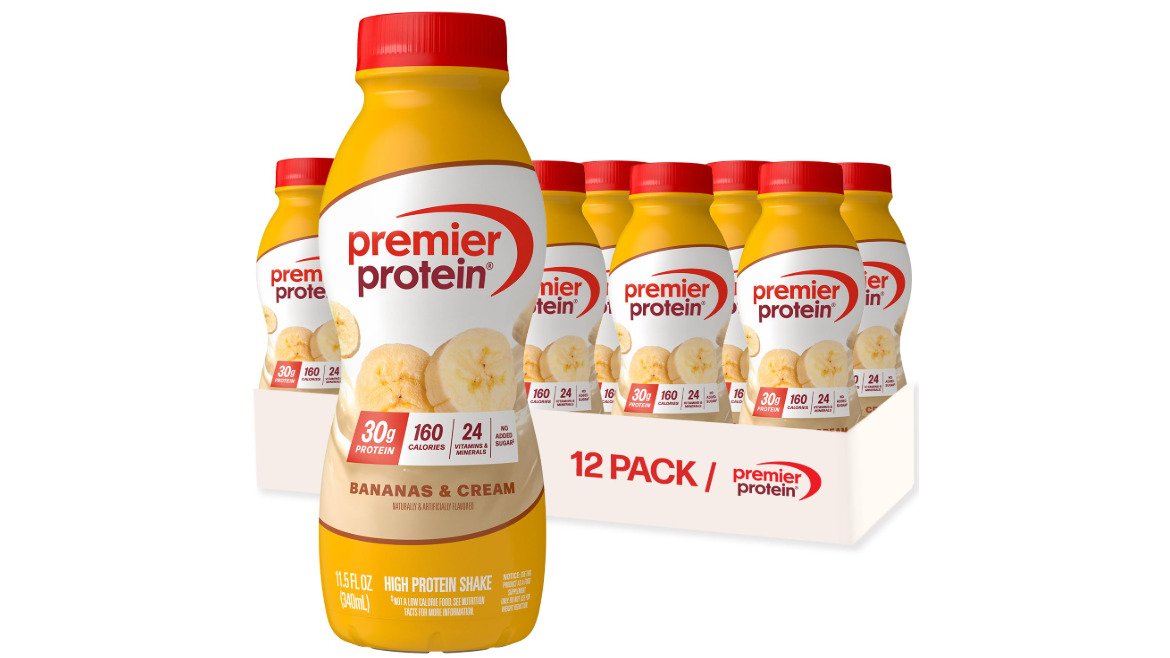
Notice none of these are complicated. That's the point. Consistency beats perfection.

Calorie Deficit and Portion Sizes: The Part That Actually Drives Fat Loss
Fat loss comes down to energy balance. Burn more than you eat and you lose fat. No meal timing trick beats that math. Every credible review on nutrient timing says the same thing: timing is a minor variable, total intake is the major one.
But here's what almost nobody explains clearly, how to actually size your post-workout meal so it supports recovery without wiping out your deficit. That's the gap. Let's close it.
Step 1: Set Your Daily Numbers First
Before you touch a single post-workout meal, know your daily targets:
- Protein: 1.6 to 2.2 grams per kilogram of body weight (roughly 0.7 to 1 gram per pound)
- Calories: a deficit of 300 to 500 below maintenance for steady fat loss
- Carbs and fat: fill whatever calories remain after protein is set
For a 180-pound lifter eating 2,000 calories: that's about 145 to 180 grams of protein (580-720 calories), leaving roughly 1,280 to 1,420 calories for carbs and fat.
Step 2: Carve Out the Post-Workout Slot
Your post-workout meal is not a separate budget. It's a slice of the daily pie. A reasonable allocation:
- Post-workout meal: 25 to 35% of daily calories
- Remaining meals: split the rest across 2 to 4 feedings
On a 2,000-calorie day, that's a 500 to 700-calorie post-workout meal. That's a real meal, not a sad protein shake and a rice cake.
Step 3: Build the Plate by Hand
You don't need a food scale for every meal. Use your hand:
- Protein: 1 to 2 palm-sized portions (20-40g)
- Carbs: 1 to 2 cupped-hand portions (40-80g cooked)
- Vegetables: 1 to 2 fist-sized portions
- Fat: 1 thumb-sized portion (5-15g)
This scales with your body size automatically. A 220-pound lifter has bigger hands than a 130-pound lifter. That's the point.
Step 4: Adjust Based on the Scale, Not Your Feelings
Weigh yourself 3 to 4 mornings a week and average it. If the average hasn't moved in 2 to 3 weeks and you're consistent, drop 100 to 200 calories, usually from carbs or fat, not protein. If you're losing more than 1% of body weight per week, you're probably shedding muscle. Add calories back.
The Portioning Mistakes That Kill Deficits
- Liquid calories: shakes, juices, and fancy coffee drinks add up fast
- "Healthy" fats: olive oil, nut butter, and avocado are calorie-dense, measure them
- Weekend blowouts: two bad days can erase five good ones
- Eyeballing protein: most people under-eat protein and over-eat carbs when guessing
Key Takeaway Meal timing is the polish. The calorie deficit is the engine. Size your post-workout meal as a slice of your daily calories, not as a reward for training, and the fat comes off without the guesswork.
Timing by Workout Type and Schedule
Different workouts and schedules change the timing picture. A morning cardio session is not the same as an evening strength training block.
- Strength training: eat protein within 2 hours, carbs to refill glycogen
- Cardio for fat loss: timing matters less, total calories matter more
- Fasted morning training: eat within 60 minutes after
- Evening lifters: your afternoon meal already covers the window
Exercise intensity and exercise duration shift your needs too. Longer, harder sessions drain glycogen faster and reward quicker refueling.
Pro Tip Our free fitness calculators at Tiger Fitness make it easy to set your protein and calorie targets. Plug in your stats, get your numbers, and stop guessing.
Frequently Asked Questions
Do you need to eat immediately after a workout to lose fat?
No. A 2018 review by Schoenfeld and colleagues found that a meal eaten within about three to four hours before training may extend the post-exercise anabolic window beyond the immediate post-workout period. The National Academy of Sports Medicine also notes the classic 30 minute window has relaxed under research scrutiny, describing a protein and carbohydrate meal within a couple of hours as suitable for most clients. For fat loss, total calorie intake and daily protein matter more than racing to eat within minutes of your last set.
When should you eat after a workout to lose fat?
If you trained fasted or ate more than three to four hours before your session, eat within about 60 to 90 minutes. If you ate a mixed meal two to three hours before training, you have more room; a post workout meal within two hours works fine.
What should you eat after a workout when trying to lose fat?
Build the meal around a lean protein source at 20 to 40 grams, add carbohydrates to refill glycogen, and keep fats moderate so the meal stays inside your calorie deficit. A whey protein shake like Dymatize ISO 100 (25g protein, under 1g fat and sugar) covers the protein side fast. Pair it with a whole-food carbohydrate such as quinoa, oats, or fruit, and a vegetable. Protein plus carbohydrates supports muscle repair and glycogen replenishment, which is what protects lean mass while you diet.
Does eating after a workout stop fat burning?
No. Fat loss comes down to energy balance, not whether you eat in the hour after training. The timing findings in the research concern glycogen replenishment and the anabolic window, not a demonstrated fat-loss advantage from any specific meal time. Aragon and Schoenfeld (2013) reported that delaying carbohydrate intake by two hours after exercise attenuates glycogen supercompensation, but that is a recovery finding. Eating a controlled post workout meal that fits your calorie deficit does not cancel the work you just did.
Fat loss is simple, but it isn't easy. The challenge is staying consistent when the internet tells you to panic about a 30-minute window that doesn't really exist. At Tiger Fitness, we stock the tools that make it work: fast-digesting protein like Dymatize ISO 100, convenient options like Premier Protein RTD Shakes, and free fitness calculators to dial in your numbers. Get started with Tiger Fitness and build a plan you can actually stick to.
Leave a comment