
Pick This Year's Olympia T-Shirt

Last Updated: September 6, 2026
Cutting without losing muscle is the holy grail of bodybuilding, yet most guys screw it up by chasing the scale instead of the mirror. A 2026 study published by the National Library of Medicine found that men who dieted without resistance training lost significant lean body mass, with LBM accounting for a staggering 33.9% of total weight loss PMC study on lean body mass loss during weight reduction. That means one-third of the weight you drop could be the muscle you worked years to build. This guide from Tiger Fitness breaks down the exact strength training routines for cutting without losing muscle, backed by data, not bro science.
The scale is a liar. The University of New South Wales reported back in 2021 that strength training can trigger simultaneous fat loss and muscle gain, meaning your weight might stall while your body composition improves dramatically University of New South Wales research on strength training and body composition. If you're only tracking pounds, you'll panic and sabotage your cut. Below, we'll cover the non-negotiable training protocol, rep ranges that actually work, protein targets, cardio integration, and the supplements that give you an edge. Stick with this plan and you'll step on stage or into summer looking fuller and drier than ever.
Here's the brutal truth: a caloric deficit is catabolic by default. When you eat less, your body doesn't just burn fat; it breaks down muscle tissue for energy. The 2026 research confirms that without intervention, muscle loss is an inevitable side effect of dieting ScienceDaily report on exercise intensity and muscle preservation. Your body doesn't care about your six-pack goals. It only cares about survival, and muscle is expensive metabolic tissue it would rather shed.
The fix isn't complicated, but it requires discipline. You must send your body an unambiguous signal that your muscles are still needed. That signal is resistance training. The National Institutes of Health data shows that lifting weights during a deficit forces your body to hold onto muscle while still accessing stored fat for energy. Combine that with adequate protein and you've got the formula for recomposition.
This is where most dieters fail. They slash calories, hammer the treadmill, and watch their lifts plummet. Their bodies respond by dropping muscle and slowing metabolism. The result? They look smaller, softer, and worse than when they started. Don't be that guy.
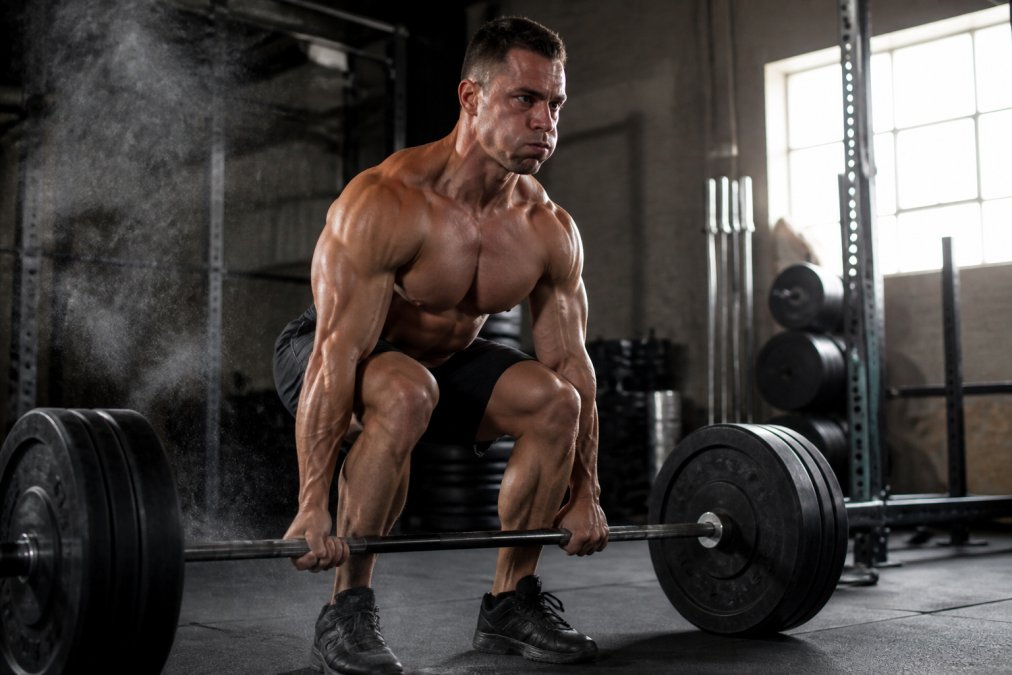
Strength training for cutting isn't optional if you want to keep your hard-earned muscle. The Mayo Clinic recommends strength training at least two times per week for all major muscle groups to maintain muscle mass Mayo Clinic guidelines on strength training frequency. If you're serious about preserving muscle in a deficit, training three to five days per week with a structured plan is recommended. Anytime Fitness guidance for 2026 backs this up, emphasizing compound movements performed three to five times weekly for body recomposition Anytime Fitness recommendations on compound movements.
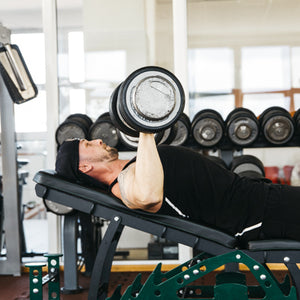
Base your entire cut around heavy compound lifts: squats, deadlifts, bench presses, overhead presses, and rows. These movements recruit the most muscle fibers, create the greatest hormonal response, and burn the most calories. Isolation exercises have their place, but they're the garnish, not the meal. When calories are low, efficiency matters. Every set needs to count.
This is the part most people get wrong. When you cut, you don't need to drop the weight on the bar. You need to manage your volume. Your recovery capacity shrinks in a deficit because you're giving your body fewer resources to rebuild. Keep your intensity high, meaning heavy loads in the 75-85% of your one-rep max range, but cut back on total sets. If you normally do 16 working sets for chest, drop it to 10 or 12. You're maintaining strength, not chasing a pump.
The best rep ranges for cutting prioritize strength maintenance over hypertrophy. Keeping your main lifts in the 4-6 rep range helps preserve neural adaptations and muscle fiber recruitment. The heavier the load, the stronger the signal to your body that your muscle is essential. Drop the ego and focus on moving heavy weight with perfect form.
That said, you can add a pump set or two at the end of each muscle group. Higher reps in the 12-15 range with lighter weight increase blood flow, deliver nutrients to the tissue, and help with recovery. The key is knowing which is which. Heavy compounds first, pump work last. Never flip that order.
| Training Phase | Rep Range | Load | Purpose |
|---|---|---|---|
| Main Compounds | 4-6 reps | 75-85% 1RM | Strength and muscle preservation |
| Accessory Work | 8-12 reps | 65-75% 1RM | Volume and balance |
| Pump/Finisher Sets | 12-15 reps | 50-60% 1RM | Blood flow and nutrient delivery |
Protein intake for muscle retention during a cut is non-negotiable. While individual needs vary, aggressive cuts demand aggressive protein consumption. The Exercise Coach, led by Dr. Wayne Westcott, has demonstrated significant improvements in muscle retention among older adults when combining strength training with increased protein intake during weight loss phases The Exercise Coach research on protein and muscle retention. Aim for roughly one gram of protein per pound of body weight daily.
Spread it across four to six meals to maximize muscle protein synthesis throughout the day. Every meal should center on a complete protein source: chicken, beef, fish, eggs, or whey. If you're struggling to hit your target with whole foods alone, a quality protein supplement fills the gap. Carbs and fats are lower priority, but don't eliminate them entirely. Fats support hormone production, which matters more than you think when dieting.
Cardio is a tool, not a punishment. When you're in a deep caloric deficit, excessive cardio can lead to muscle loss. The 2026 ScienceDaily research confirms that while all exercise levels contribute to fat loss, specific resistance protocols are needed to prevent muscle loss ScienceDaily study on exercise intensities in older adults. The real issue isn't just how much cardio you do, it's how it affects your hormones, specifically cortisol and ghrelin.
Let's talk about cortisol. When you're in a deficit, your body is already under stress. Add hours of steady state cardio on top of heavy lifting, and your cortisol levels spike. Cortisol is catabolic, it signals your body to break down muscle tissue for amino acids to fuel gluconeogenesis. A 2017 study in the Journal of the International Society of Sports Nutrition found that elevated cortisol during a hypocaloric diet was directly associated with greater losses in lean body mass. The fix isn't to eliminate cardio; it's to use it strategically and manage your stress response.
Here's a protocol for cardio during a cut:
Now, let's talk about ghrelin, the hunger hormone. When you cut calories, ghrelin levels rise, making you hungrier and more likely to binge. This is a major reason why cuts fail. But here's the thing: intense exercise can blunt ghrelin. A 2019 study in the Journal of Endocrinology found that high intensity resistance training suppressed ghrelin levels for up to three hours post exercise, reducing hunger and making adherence easier. This is another reason to keep your training heavy and intense, it's not just about muscle preservation; it's about controlling your appetite.
Sleep is the other half of this equation. Cortisol spikes from overtraining and sleep deprivation are catabolic. They tell your body to break down muscle and hold onto fat, particularly around your midsection. A 2020 study in the Journal of Sleep Research found that subjects who slept fewer than six hours per night during a caloric deficit lost 60% more lean mass than those who slept seven to nine hours. If you're training hard and dieting but sleeping five hours a night, you're undoing all your work. Prioritize seven to nine hours of quality sleep. This is where your body actually repairs and rebuilds.
Here's a practical recovery checklist for your cut:
Supplements won't save a bad diet or lazy training, but the right ones give you a meaningful edge. During a cut, I look for products that support muscle retention, energy, and recovery. If you're running a serious cut, a dedicated stack can simplify the process. The BSL Elite Cutting Stack is a 30-day cycle designed to quicken recovery and support lean muscle gains. It combines SuperStrol-7 for lean, dry muscle growth, Brutal 4ce to boost testosterone and support mass and strength, and Chosen1, a 1-DHEA-based formula. It's priced at $369.99 and covers the full cycle.

For a more targeted approach, Nutrex Anabol Ripped at $38.24 combines anabolic muscle activation with fat burning support, making it a solid option for those who want to build lean muscle while burning fat. Another staple is 5% Nutrition All Day You Shred at $41.64. It blends BCAAs with fat burning ingredients like L-Carnitine and Coleus Forskohlii, plus electrolytes, so you preserve muscle and maintain output from the first scoop to the last rep. Finally, Chemix GDA at $44.99 helps your body use carbohydrates more efficiently, turning carbs into muscle fuel instead of fat storage. That's a smart addition when you're cycling carbs around your training.
Strength training for cutting comes down to one principle: you must force your body to keep muscle by demanding it under heavy loads. The data is clear. Dieting without resistance training costs you lean mass, with lean body mass accounting for 33.9% of total weight loss in men who skipped it. Don't make that mistake.
Train heavy three to five days per week with compound movements. Manage your volume when calories drop. Keep protein high and prioritize sleep. Use cardio as a supplement, not a replacement for lifting. And if you want to stack the odds in your favor, choose supplements that support your goals without breaking the bank.
Cutting is a mental and physical battle, but you don't have to sacrifice muscle to get shredded. At Tiger Fitness, we provide the tools to keep you on track, from free workout plans and diet guides to FREE TOOLS & FITNESS CALCULATORS that help you dial in your macros. Our extensive selection of top selling supplements at the lowest prices, backed by fast shipping and personalized customer service, ensures you have everything you need to crush your cut. Join our rewards program and get started with Tiger Fitness today to preserve your muscle and reveal the physique you've worked for.
Research and field experience point to a daily intake of 1.6 to 2.2 grams of protein per kilogram of body weight (about 0.7 to 1.0 grams per pound). This range supports muscle protein synthesis and offsets the muscle breakdown that a caloric deficit can cause. Spread your intake across four to five meals to keep nitrogen balance positive. If you weigh 90 kg (200 lbs), that means roughly 180 to 220 grams of protein every day.
Yes, but the conditions are specific. Beginners and those returning from a layoff can build muscle in a deficit because their bodies adapt quickly. Trained lifters usually need a smaller deficit and higher protein intake to see recomposition. A 2026 study showed that strength training at least twice per week helps preserve lean body mass during weight loss. The scale may stall because you are adding muscle while dropping fat, so track waist measurements and strength levels, not just body weight.
Yes, but keep intensity high. When calories drop, your recovery capacity drops with them. Cut back on junk volume and focus on the main compound lifts: squat, bench press, deadlift, and overhead press. Research from 2026 shows that without resistance training, lean body mass made up 33.9% of total weight loss in men. Keep your top sets in the 3-5 rep range for strength and add one back-off set in the 6-8 range for volume. If your performance drops for two sessions in a row, reduce volume further.
The best rep range for cutting is the one that lets you maintain the most weight on the bar. For most lifters, that means working in the 3-6 rep range for compound movements and the 8-12 range for isolation work. Heavy, low-rep sets send the strongest signal to preserve muscle tissue. A 2026 study on exercise intensity found that while all exercise levels produced fat loss, specific resistance protocols were required to prevent muscle loss. Keep the weight heavy and track your top sets week to week.
{"one"=>"Select 2 or 3 items to compare", "other"=>"{{ count }} of 3 items selected"}


Leave a comment