
NEW NULLA BAR FLAVORS
In-Stock Now!

Last Updated: September 20, 2026
The protein bar market is projected to reach $16.7 billion in 2026, with a compound annual growth rate of 5.5% through 2033 Grand View Research protein bar market analysis. That growth tells you something: athletes and lifters are done settling for mediocre nutrition in bar form. But not all bars are created equal when your goal is building muscle.
Here's what matters: you need 20 grams of protein minimum per bar, that's the benchmark Garage Gym Reviews muscle-building bar standards. You need quality ingredients that actually support recovery. And you need a bar that tastes good enough to eat consistently without forcing it down.
We've tested and ranked the best protein bars for muscle building based on protein content, ingredient quality, macronutrient balance, and real-world performance.
| Bar | Protein | Starting Price | Best For |
|---|---|---|---|
| Quest Nutrition | 20g | $35.95 | Low-carb muscle building |
| Barebells | 20g | $3.75 | Taste without compromise |
| GHOST | 20g | $34.95 | Premium texture and flavor |
| MusclePharm Combat Sport | 20g | $34.99 | Soft-baked performance |
| Fit Crunch | 20g | $3.95 | Chef-crafted quality |
| RAW Nutrition | 20g | $34.99 | Clean ingredients, minimal sugar |
| Anabar | 20g | $3.10 | Real ingredients, budget-friendly |
| BUILT Puff | 17g | $3.50 | Unique marshmallow texture |
| Barebells Soft | 20g | $3.50 | Chewy recovery snack |
| Alani Nu | 20g | $2.95 | Budget-conscious high protein |
Protein content matters first. Twenty grams of protein per bar is the standard for muscle-building products, anything less and you're short-changing your recovery Men's Health expert recommendations for muscle recovery protein intake. But protein alone doesn't build muscle. The source matters. Whey protein isolate, milk protein, and plant-based blends all work if they're quality sources.

High sugar bars spike insulin without supporting performance. Low-sugar formulations with fiber keep you full longer and support body composition goals. If you can't pronounce what's in it, it shouldn't be in your body.
Your muscles need amino acids to repair and grow after training. Twenty to 30 grams of protein per serving supports recovery Men's Health protein intake guidelines for muscle recovery. A quality protein bar delivers this in a convenient package, but the source and form matter.
Whey protein isolate and milk protein concentrate are fast-absorbing and rich in leucine, which triggers muscle protein synthesis. Plant-based proteins work too, though they're less bioavailable. Some bars blend multiple sources to balance amino acid profiles.
Four to 10 grams of net carbs (total carbs minus fiber) keeps you in a metabolic sweet spot for muscle building. Fiber adds satiety and helps with diet adherence.
Fat content should be 5 to 10 grams. Dietary fat supports hormone production, including testosterone, which is critical for muscle growth.
Quest bars deliver 20 grams of protein and 4 grams of net carbs with a proprietary baking process that tastes good without the chemical aftertaste of most low-carb options.
Quest bars fit seamlessly into macros and keep you full during a caloric deficit. The consistency and taste justify the price for serious lifters.
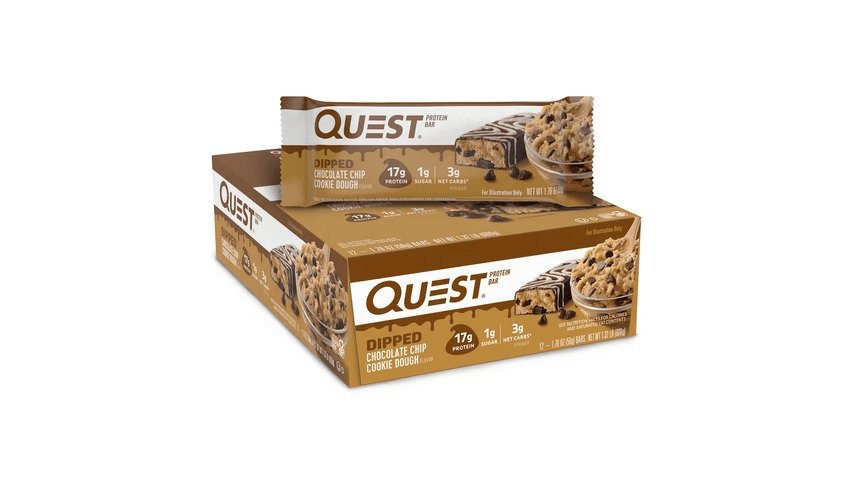
What works: Legitimately low carbs, high protein, tastes like actual food, proven formula. What doesn't: Price point is higher than some alternatives, limited to specific flavors.
Barebells delivers 20 grams of protein, no added sugar, and a soft center with chocolate coating that genuinely satisfies cravings. This is the bar you'll want to eat.
The macronutrient balance supports muscle recovery without excess calories. Barebells bridges the gap between performance and enjoyment, something most bars fail at.
What works: Excellent taste, high protein, affordable, soft texture that doesn't feel like cardboard. What doesn't: Some flavors are better than others; texture can soften in warm conditions.
GHOST delivers soft-baked bars with real mix-ins and 20 grams of protein without the chalky texture competitors are known for.
The ingredient list reads clean with no mystery compounds. If you care about ingredient quality, GHOST delivers premium texture and flavor.
What works: Premium taste and texture, clean ingredients, high protein, individually wrapped for convenience. What doesn't: Price is higher; overkill if you just need basic nutrition.
Combat Sport bars use a proprietary baking process that creates a soft, cookie-like texture with 20 grams of protein, low active carbs, and high fiber for athletes who want performance without sacrificing eating experience.
The soft texture sets it apart from harder bars that crack teeth or stick to fillings.
What works: Soft texture, high protein, low carbs, fiber-rich. What doesn't: Slightly higher price point; not the cheapest option per bar.
Fit Crunch features a soft baked cookie core, creamy layer, and chocolate coating with 20 grams of protein and balanced macros that feel like indulgence, not punishment.
Fit Crunch proves you don't need to choose between taste and results.
RAW Nutrition delivers 20 grams of protein with only 1 gram of added sugar, gluten-free and built for athletes serious about body composition and ingredient quality.
Anabar delivers 20 grams of protein with dessert-level flavor and a soft center with mix-ins. One of the most affordable options without sacrificing quality.
BUILT Puff stands out with a unique marshmallow-like texture, 17 grams of protein, and only 4 grams of sugar. For lifters who want something that feels like a treat without the guilt.
Barebells Soft delivers a soft, chewy bar with 20 grams of protein and no added sugar for post-workout recovery without the density of harder options.
Alani Nu delivers 20 grams of protein at the most affordable price point. Solid macros, respectable taste, and unmatched convenience for budget-conscious lifters.
Twenty grams minimum for muscle-building bars. Whey isolate is fastest-absorbing, though milk protein and plant-based blends work too.
Both deliver protein, but they serve different purposes. A protein shake is liquid, fast-absorbing, and ideal for immediate post-workout recovery when your muscles are primed to accept amino acids. You can consume it in seconds, and your digestive system processes it quickly.
Post-workout is the obvious window. Within 30 minutes after training, your muscles are primed to accept amino acids. A protein bar delivers 20 grams of protein when your body needs it most.
If you're serious about low carbs and body composition, Quest Nutrition bars are the standard. Twenty grams of protein, 4 grams of net carbs, and a formula that works.
For muscle building, aim for at least 20 grams of protein per bar. Research shows 20 to 30 grams of protein per serving supports muscle recovery effectively. Bars with 20g of protein, like Quest and RAW Nutrition options, meet the standard benchmark for muscle-building products. Check the label to ensure you're getting quality protein sources like whey isolate or milk proteins, which are rich in essential amino acids needed for muscle protein synthesis.
Protein bars work when they deliver quality protein with minimal added sugar. Studies show high-protein bars with whey or soy protein isolate serve as effective meal replacements in sports nutrition. The advantage: convenience and portability. The trade-off: whole foods like chicken, eggs, and Greek yogurt offer more micronutrients and fiber. Use bars as a supplement to whole food, not a replacement. Post-workout or on-the-go situations make bars practical; at home, prioritize whole foods for complete nutrition.
Avoid bars loaded with sugar alcohols, excessive added sugars (over 5g), and low-quality protein blends. Sugar alcohols can cause digestive issues. Check labels for whey protein isolate or milk protein concentrates, these support muscle synthesis better than soy alone. Skip bars with more than 200 calories if you're cutting, or those with trans fats and artificial sweeteners as primary ingredients. Quest bars stand out because they use zero sugar alcohols and focus on fiber instead, keeping insulin stable while supporting lean muscle.
Post-workout is ideal for muscle building. Within 30 minutes after training, your muscles are primed for protein uptake and recovery. A 20g protein bar paired with carbs (fruit or carb powder) refuels glycogen and triggers muscle protein synthesis. Pre-workout, a bar works if you need energy, but whole carbs are better. For convenience during travel or between meetings, bars work anytime. The key: time your higher protein intake around training windows when your body maximizes muscle adaptation.
Building muscle requires consistent training, proper nutrition, and recovery tools that actually work. Protein bars are one piece of that puzzle, they make hitting your daily protein targets practical when life gets busy. Tiger Fitness carries the best options available, backed by our lowest prices, fast shipping, and personalized customer service. Start with one of the picks above, track your progress, and adjust based on results.
{"one"=>"Select 2 or 3 items to compare", "other"=>"{{ count }} of 3 items selected"}






Leave a comment