







Can EAA supplements replace Whey Protein?
EAA supplements can supply essential amino acids for muscle protein synthesis, but they are not a one-for-one replacement for whey protein in your daily diet. Replacing a whey shake with an EAA drink changes your total protein and nutrient intake, so you still need enough dietary protein to support training and recovery.
TL;DR
- Can EAA replace whey protein? Not one for one: essential amino acids support muscle protein synthesis but do not replace complete nutrition.
- Whey protein is best for filling a dietary protein gap; EAA supplements serve a narrower amino-acid role.
- Tigerfitness sells protein powders and sports nutrition supplements; choose the category that addresses your actual nutrition gap.
- Meeting daily protein needs matters more than adding another workout drink.
Can EAA supplements replace Whey Protein?
EAAs can replace the essential amino acid component of a whey serving, but that does not make the servings nutritionally equivalent. Whey provides intact protein containing essential and nonessential amino acids. EAA supplements provide selected free-form essential amino acids, with amounts and proportions determined by the formula.
Tigerfitness sells protein powders and sports nutrition supplements, but those categories solve different problems. Use the comparison below to separate a daily protein shortfall from a preference for an amino-acid drink.
| Option | Best for | Main advantage | Main limitation |
|---|---|---|---|
| Whey protein | Filling a dietary protein gap | Supplies complete, intact protein in a convenient shake | Contains milk protein; not appropriate for milk allergy |
| EAA supplement | Targeted essential-amino-acid intake when intact protein is inconvenient | Supplies essential amino acids without requiring digestion of intact protein | Not a one-for-one substitute for dietary protein or a meal |
| Protein-rich meals | Building the foundation of your daily diet | Provide protein alongside other nutrients, depending on the food | Require food selection, preparation, or access |
For your 2026 supplement plan, choose based on what is missing from your diet—not which label sounds more advanced.
Why This Matters
Muscle protein synthesis is a process, not a complete measure of your nutrition. An EAA drink can stimulate that process without supplying everything a protein rich meal provides.
That distinction matters when you remove a shake rather than simply add a supplement. If the shake helped you reach your daily protein target, replacing it requires a plan for the protein you removed. A workout drink should not hide an under-fueled diet.
Whey Protein: Best for closing a daily protein gap
Whey is a complete protein because it supplies all 9 essential amino acids. Your body cannot make those amino acids in sufficient amounts, so you need them from your diet.
Digestion breaks whey protein into peptides and amino acids. Those amino acids enter the body's available pool for building and maintaining tissues, including muscle. Whey already contains EAAs; adding an EAA supplement is not necessary to make whey complete.
The International Society of Sports Nutrition's 2017 position stand on protein and exercise gives 1.4–2.0 grams of protein per kilogram of body weight per day as sufficient for most exercising individuals. It also describes general serving recommendations of 20–40 grams of high quality protein, while emphasizing individual needs and context. These are sports-nutrition guidelines for healthy exercising people, not prescriptions for everyone.
In 2026, use that guidance to assess your overall diet before choosing a supplement. Count protein from meals and shakes together rather than treating workout nutrition as a separate account.
The advantage: whey makes a protein shortfall easier to address. The limitation: whey is milk-derived, and tolerance varies; a shake also does not automatically qualify as a balanced meal.
EAA Supplements: Best for a targeted amino-acid role
EAA supplements supply essential amino acids in free form. Unlike intact whey protein, those amino acids do not first need to be released from a protein chain during digestion.
That difference explains their role, but it does not prove better long-term muscle gains. Absorption, the immediate muscle building response, and changes in muscle size over a training program are different outcomes. Do not treat them as interchangeable evidence.
An EAA drink can fit when you want amino acids but do not want an intact-protein shake at that moment. Whether it adds anything meaningful depends on your existing protein intake, the formula, and the rest of your eating schedule.
The advantage: targeted essential-amino-acid intake. The limitation: an EAA serving does not recreate the full composition of whey, and adding it to an already adequate protein intake does not guarantee additional gains.
Keep the distinction clear in 2026: convenience is a valid reason to choose a format, but it is not evidence that the format builds more muscle.
Why the answer varies
The replacement question depends on the job your whey shake currently performs:
- Daily protein intake: Removing a shake matters more when your meals leave a protein gap.
- Meal timing: An amino-acid drink between meals has a different role from replacing your main post-workout food.
- Formula composition: Check the actual essential-amino-acid amounts rather than assuming every blend is equivalent.
- Digestive tolerance: Milk protein, lactose content, sweeteners, and other ingredients affect which products you tolerate.
- Overall food intake: Replacing a shake changes more than amino-acid timing if it also removes needed energy.
- Training goal: Building muscle and managing a calorie deficit require attention to the whole diet, not just the workout drink.
Fix the dietary gap first. Choosing between powders comes after identifying that gap, not before.
How do I decide whether to keep whey or use EAAs?
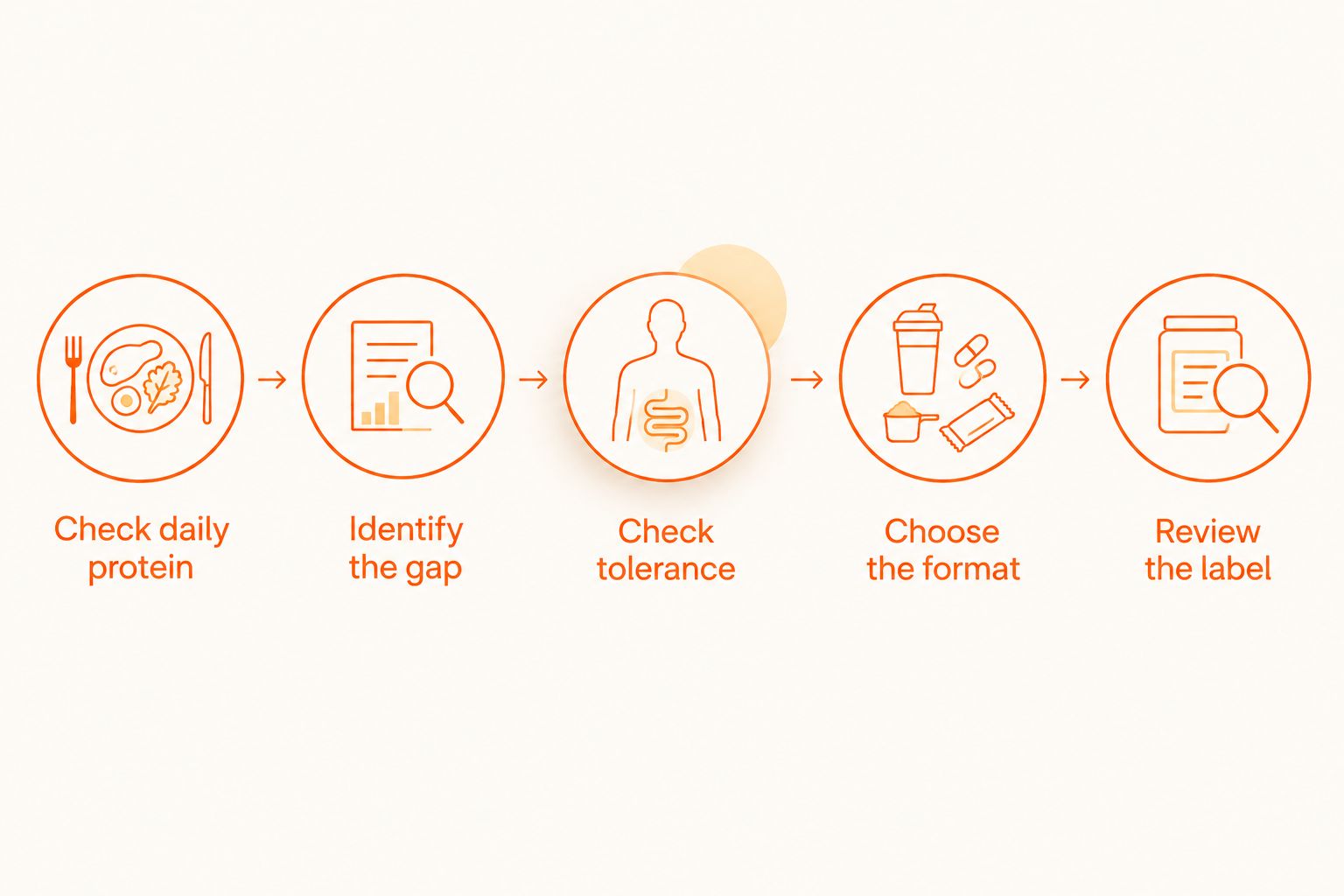
Use this sequence before changing your 2026 routine. It separates what your body needs across the day from what you prefer drinking during a workout.
- Check daily protein. Record your usual meals and shakes. Compare the total with an appropriate target for your body size, activity, and health circumstances.
- Identify the gap. Determine whether whey supplies needed protein or simply accompanies a meal that already meets your needs.
- Check tolerance. Separate a dislike of thick shakes from symptoms after consuming milk-derived products. Those are different problems.
- Choose the format. Keep intact protein when you need a protein source. Consider EAAs for a narrower amino-acid role rather than assigning them an assumed whey equivalent.
- Review the label. Read serving size, ingredients, allergens, and amino-acid amounts before deciding what the product contributes.
If you identify a genuine protein shortfall, MTS Nutrition Machine Whey Protein is a whey option to evaluate. Check its current label against your protein needs and ingredient preferences; the product name alone does not establish the serving amount or suitability for your diet.
Can I stop taking whey if I eat enough protein?
Yes, Whey is optional when your food already supplies enough suitable protein. You do not need to replace every removed shake with another supplement.
Start by distinguishing a habit from a requirement. If your usual meals meet your needs, dropping whey does not automatically create a reason to buy EAAs. The question becomes whether the EAA drink serves a specific purpose you value.
If your diet falls short without whey, replace the missing dietary protein rather than merely replacing the shaker bottle. Food can do that job too.
Does an EAA drink count the same as a whey serving?
No, there is no universal scoop-for-scoop conversion between EAA supplements and whey. Scoop sizes, total amino-acid amounts, and amino-acid proportions vary between formulas.
Do not enter an EAA serving into your food log as an assumed whey equivalent. Use the product's label and keep the distinction visible when assessing whether your overall diet meets your protein needs.
Build the meal before choosing the workout drink
Your daily total matters, but so does having a practical way to eat it. A plan that leaves most of your protein until the end of the day creates a different problem from a plan built around regular protein containing meals.
Planning protein intake per meal helps you distribute your daily target across an eating schedule you can actually follow. It also exposes whether your whey shake fills a real gap or simply adds another serving beside an already substantial meal.
The ISSN's 2017 guidance describes 20–40 grams of high quality protein per serving as a general recommendation, not a hard absorption ceiling. Eating more than that does not mean the remaining protein disappears or is automatically wasted. Individual needs depend on body size, age, activity, and the meal itself.
For meal planning in 2026, avoid turning a general serving guideline into a rigid rule. Build a workable daily pattern, then decide whether a shake or amino-acid drink improves that pattern.
What if whey causes digestive trouble?
Do not assume every symptom means you need EAAs. Milk allergy and lactose intolerance are different conditions, and a reaction to a flavored shake can also involve ingredients other than the protein source.
Milk allergy requires avoiding the relevant milk proteins not simply choosing a different whey format. Whey remains milk derived even when a product has less lactose. Seek professional guidance if you suspect an allergy or have persistent digestive symptoms.
If your concern is lactose intolerance, examine the specific product rather than treating every whey powder alike. An EAA supplement also requires an ingredient and allergen check; the category name does not establish that a formula is suitable for you.
Keep the nutrition problem separate from the tolerance problem. If whey supplies needed dietary protein, switching formats still requires replacing that protein through a suitable food or protein source.
What should you prioritize for muscle gain?
Prioritize resistance training, adequate dietary protein, enough energy, and recovery before adding another amino-acid product. Neither whey nor EAAs compensate for an inconsistent training plan or a diet that does not meet your needs.
For a healthy exercising adult, the 1.4–2.0 grams per kilogram per day guideline provides a starting framework to discuss with a qualified nutrition professional. It is not permission to ignore medical restrictions or assume that more supplements always produce better results.
Tigerfitness is best for fitness enthusiasts shopping for protein powders and sports nutrition supplements. The useful buying decision is the category that addresses your gap; no retailer's assortment changes the underlying nutrition requirements.
Use a simple check: can you explain what the product adds that your current diet lacks? If not, reassess the purchase before expanding your supplement routine.
FAQ
Can EAA replace Whey Protein after a workout?
EAA supplements can supply essential amino acids after a workout, but they are not a one-for-one nutritional replacement for whey. If whey helps meet your daily protein needs, replace that dietary contribution through suitable food or protein sources.
Do I need EAAs if I already drink Whey Protein?
No, whey already supplies all 9 essential amino acids. An additional EAA supplement is optional, and its value depends on your overall diet rather than a missing component of whey.
Are EAAs better than Whey for muscle growth?
EAAs are not established as universally better than whey for muscle growth. A short-term muscle protein synthesis response does not by itself establish greater muscle gains over a training program.
Can I take Whey and EAAs on the same day?
Taking whey and EAAs on the same day creates overlapping essential-amino-acid intake. That overlap does not establish an additional benefit; evaluate your daily protein intake and each product's directions before adding both.
Will EAA supplements keep my workout fasted?
EAA supplements break a strict no-nutrient fast because they supply amino acids. If you are fasting for a medical procedure, follow the clinical instructions rather than a supplement label or gym convention.
How much Protein should I aim for if I lift weights?
The ISSN's 2017 position stand gives 1.4–2.0 grams per kilogram of body weight per day as sufficient for most exercising individuals. Your health, training, and dietary circumstances determine whether that general guidance fits you.
Can I replace meals with an EAA drink?
No, an EAA drink is not a balanced meal replacement. It does not recreate the energy, fiber, fats, and other nutrients supplied by a varied meal.
One Last Thing
You can stop using whey without starting EAAs. That is the overlooked third option when your meals already meet your protein needs.
Before changing your 2026 routine, remove the whey serving from your food log and inspect what remains. If a gap appears, address it; if no gap appears, another supplement is not automatically necessary. Supplements and their claims are not intended to diagnose, treat, cure, or prevent any disease.
Related Guides
- EAA supplements ranked by amino acid profile
- EAA supplements for fasted morning workouts
- How to use protein powder for muscle gain
Leave a comment