

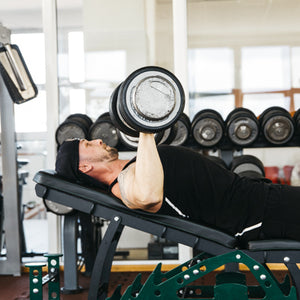

Choose the Right Protein Powder for Women Over 40
Table of Contents
- Why Protein Powder Matters for Women Over 40
- Protein Intake for Women Over 40: What Science Says
- Whey Isolate vs Concentrate for Women: Which Wins
- How to Read Protein Supplement Labels Like a Pro
- Ingredients to Avoid in Protein Powders
- Protein Powder for Muscle Maintenance and Sarcopenia
- How to Choose the Right Protein Powder for Your Goals
- Frequently Asked Questions
Last Updated: September 1, 2026
Why Protein Powder Matters for Women Over 40
Women over 40 face a biological reality most fitness content ignores: your body stops building muscle efficiently. Starting in your 40s, women lose an estimated 1-2% of muscle mass per year, accelerating to 3% or more annually after 60. By 80, many have lost 30-50% of peak muscle mass.
Menopause and perimenopause trigger a collagen decline of approximately 30% in just five years, combined with hormonal changes that make muscles resistant to protein synthesis. Your body needs more fuel to build the same amount of muscle. This is where protein powder for women over 40 becomes strategic, not optional.
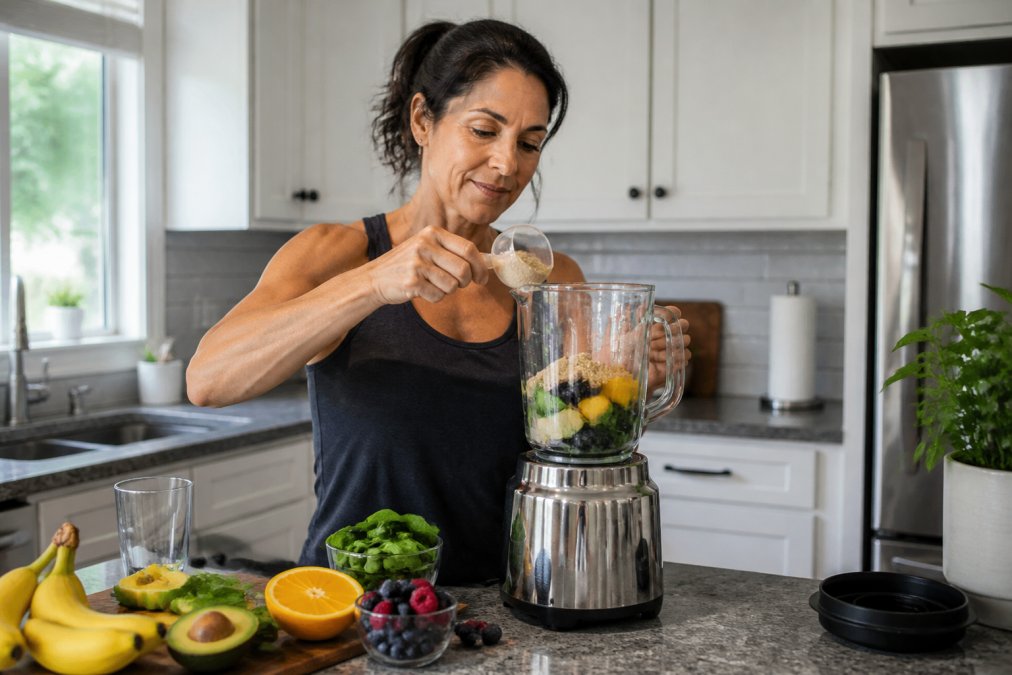
Protein powder solves a real problem: getting enough protein consistently without eating chicken breast five times a day. When your body requires higher protein intake to maintain muscle, a convenient, cost-effective source matters. Tiger Fitness carries multiple options designed specifically for this demographic, from plant-based formulas to isolates that maximize absorption.
The global protein supplement market size is estimated at $19.9 billion as of 2023, with the market pacing to reach over $35 billion by 2030. Women's share of that market has risen to 35% of total protein supplement consumption, reflecting a real shift in how women approach muscle maintenance and healthy aging.
Protein Intake for Women Over 40: What Science Says
The standard recommendation of 0.8 grams per kilogram of body weight was designed to prevent deficiency, not preserve muscle. For women over 40, that's dangerously low.
Research shows older adults require 0.40g protein per kg of body weight per meal (compared to 0.24g for younger adults) to maximally stimulate muscle protein synthesis, a 68% higher threshold. If you weigh 150 pounds (68 kg), you need roughly 27 grams of protein per meal to trigger the same muscle-building response a younger person would get from 16 grams.
For perimenopausal and menopausal women, daily protein needs increase to about 1-1.2g per pound of body weight. A 150-pound woman should aim for 150-180 grams daily, distributed across meals.
"For perimenopausal and menopausal women, daily protein needs increase to about 2-2.3g per kg of body weight (~1-1.2g per lb). As we age, our bodies become more resistant to the muscle-building effects of protein and exercise, requiring higher doses of both." -- Dr. Stacy Sims, exercise physiologist and nutrition scientist
Pro Tip Distribute protein evenly across meals every 3-4 hours, with 25-30 grams per meal. This consistent stimulus is more effective for muscle preservation than loading protein into one or two meals.
A 2025 trial involving 126 postmenopausal women (ages 60-75) found that 1.2 g/kg/day of protein resulted in more than double the fat loss and significantly greater muscle mass compared to the 0.8 g/kg guideline, verified by MRI. That's the difference between losing fat while preserving muscle versus losing both.
Sarcopenia prevalence sits at 10-16% in older adults globally, with women affected at rates equal to or higher than men when adjusted for baseline muscle mass. Higher plant-based protein intake was associated with reduced frailty risk in women aged 60 and older.
Whey Isolate vs Concentrate for Women: Which Wins
Whey concentrate contains 70-80% protein by weight; whey isolate contains 90%+ protein with most lactose and fat removed.
For women over 40, isolate wins. Isolate costs more but provides faster absorption, which matters if you're training hard and need rapid muscle protein synthesis. If your goal is simple muscle maintenance, concentrate works fine and costs less.
Isolate's real advantage appears if you have digestive sensitivity. Women often experience increased lactose intolerance with age, and isolate's lower lactose content means less bloating and GI distress. That matters for consistency.
Additional whey protein was more beneficial when paired with resistance training, while supplementation without resistance training showed little clear benefit for muscle strength or lean mass. The supplement amplifies the work; it doesn't replace it.
Plant-based proteins (pea, soy, rice) are preferred by women seeking clean label, vegan-friendly options. The plant-based protein segment is anticipated to register at 10.8% CAGR through 2030.
Tiger Fitness carries options across this spectrum. GHOST Vegan Protein delivers plant-based muscle recovery support without dairy, while isolate-based formulas provide maximum protein density for muscle preservation.

How to Read Protein Supplement Labels Like a Pro
Most people glance at the protein number and call it a day. The label tells you whether you're buying quality or marketing hype.
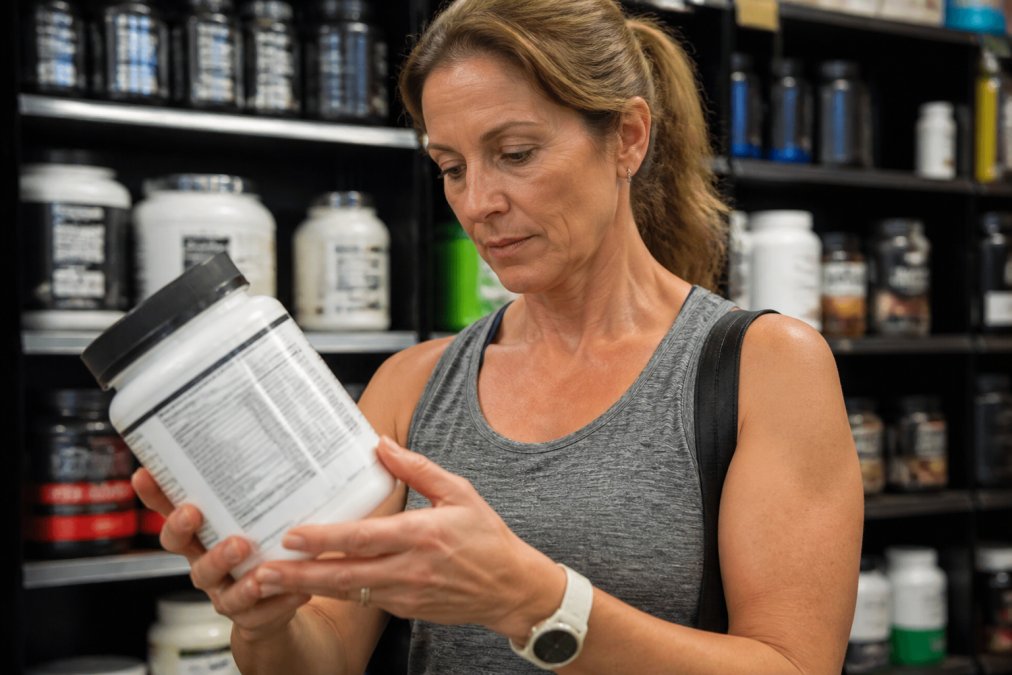
Start with protein content per serving. For women over 40, aim for 25-40 grams per serving. Anything less than 20 grams is underdosed for your needs.
Next, look at the ingredient list. If you see more than 10 ingredients, the product is padded with fillers. A quality protein powder has: whey isolate or concentrate, natural flavors, sweetener, and maybe a thickener. That's it.
Watch Out Third-party testing is non-negotiable. Prioritize protein powders with certifications like NSF Certified for Sport, Informed Choice, or Clean Label Project Certified. These verify label accuracy and test for banned substances and contaminants, a critical safeguard in an unregulated supplement industry.
Check the amino acid profile if available. You want leucine content listed separately. Aim for at least 2-3 grams per serving.
Examine the sweetener. Stevia and monk fruit are cleaner options than sucralose or aspartame. If the product uses sugar alcohol, check the fiber content.
Look at the macronutrient ratio. For muscle maintenance, you want high protein with moderate fat and minimal carbs unless it's a post-workout formula. A 25-gram protein serving should have no more than 5 grams of carbs and 2-3 grams of fat in an isolate.
Finally, check the expiration date and look for batch testing information. Reputable brands publish third-party test results on their websites.
Ingredients to Avoid in Protein Powders
Some ingredients signal low-quality products designed to cut costs.
Dextrin and maltodextrin are cheap carb fillers that spike blood sugar rapidly. If these appear in the first five ingredients, the brand is cutting corners on protein and padding with carbs.
Artificial sweeteners like aspartame and sucralose are safe in normal amounts, but some women report digestive issues or headaches. Choose stevia or monk fruit instead if sensitive.
Gums like xanthan gum and guar gum are thickeners. Excessive amounts can cause bloating and digestive upset.
Soy lecithin is safe, but if you're avoiding soy, check the label. Some brands use sunflower lecithin as an alternative.
Artificial colors and flavors are unnecessary. Natural flavors don't come with potential side effects some women report.
Proprietary blends are the biggest red flag. If the label lists "Muscle Building Complex" without breaking down individual ingredient amounts, you don't know what you're getting. Avoid these entirely.
The rule is simple: shorter ingredient list, fewer additives, third-party tested.
Protein Powder for Muscle Maintenance and Sarcopenia
Sarcopenia, age-related muscle loss, is the real threat. Protein powder alone doesn't stop it. Resistance training does. But protein powder amplifies the effect.
Higher protein intake of 1.2 g/kg body weight/day led to significantly better muscle mass composition, stronger grip strength, and better knee flexion compared to 0.8 g/kg body weight/day in postmenopausal women. That's a measurable, MRI-verified difference.
Your muscles require amino acids to rebuild after training. With age-related anabolic resistance, you need more amino acids to trigger the same response. Protein powder delivers those amino acids conveniently and consistently.
For sarcopenia specifically, leucine becomes critical. Leucine directly activates mTOR, the signaling pathway responsible for muscle protein synthesis. Aim for 2-3 grams of leucine per serving, spread across multiple meals throughout the day.
Key Takeaway Protein powder works best paired with resistance training. Without strength work, supplementation shows minimal benefit. With training, it becomes a powerful tool for preserving muscle mass and fighting sarcopenia.
Collagen peptides support joint health, bone density, and skin elasticity, all relevant for women over 40. But collagen alone won't build muscle. Use it as an add-on alongside a complete protein source, not as your primary protein.
How to Choose the Right Protein Powder for Your Goals
Your goal determines which powder makes sense.
For muscle preservation and strength: Whey isolate with at least 25 grams of protein per serving and 2-3 grams of leucine. Third-party tested. Short ingredient list. This is non-negotiable if sarcopenia prevention is your priority.
For weight loss: High-protein, low-sugar powders that promote satiety. Aim for 30+ grams of protein with minimal added carbs. High protein intake preserves muscle during a calorie deficit, critical for maintaining metabolic rate as you age.
For digestive sensitivity: Plant-based powders or whey isolate with digestive enzymes. Avoid gums and sugar alcohols.
For budget: Whey concentrate works fine if you tolerate lactose.
For convenience: Meal replacement powders with balanced macros if you're skipping meals. But these should supplement whole food, not replace it entirely.
| Goal | Protein Type | Protein Per Serving | Key Feature | Best For |
|---|---|---|---|---|
| Muscle Preservation | Whey Isolate | 25-40g | High leucine, third-party tested | Sarcopenia prevention, strength training |
| Weight Loss | Whey Isolate or Plant | 30-40g | Low sugar, high satiety | Fat loss while preserving muscle |
| Digestive Health | Plant-Based or Isolate | 20-30g | Digestive enzymes, low lactose | Sensitive stomachs, bloating prevention |
| Budget-Conscious | Whey Concentrate | 20-25g | Cost-effective, quality protein | Basic muscle maintenance |
| Vegan/Plant-Based | Plant Protein Blend | 20-30g | Complete amino acids, clean label | Ethical preference, digestive sensitivity |
The biggest mistake is buying "protein for women" as a marketing category. The biological mechanisms for muscle building are the same regardless of sex. What matters is a clean, high-quality protein with an adequate dose and a short ingredient list.
Tiger Fitness carries multiple options across these categories. Whether you choose GHOST Vegan Protein for plant-based muscle recovery ($49.95), Thentic Plant Protein for clean fuel ($50.97), Rule 1 Plant Protein for budget-friendly plant options ($32.99), or Nutrakey V-Pro for comprehensive plant-based nutrition ($39.99), the key is consistency and quality.

Test a product for two weeks. If it mixes well, tastes good enough that you'll actually drink it, and doesn't upset your stomach, keep it. Consistency beats perfection every time.
Protein powder for women over 40 isn't complicated once you strip away the marketing noise. You need adequate protein, more than younger people require, distributed consistently throughout the day, paired with resistance training. Choose a third-party tested product with a short ingredient list and sufficient leucine. Skip the gimmicks and proprietary blends.
Tiger Fitness provides an extensive selection of high quality protein powders at competitive prices, backed by fast shipping and expert guidance. Use our FREE TOOLS & FITNESS CALCULATORS to dial in your exact protein requirements based on your body weight and training intensity, then access our comprehensive selection to find the right protein powder for your specific goals, whether muscle preservation, weight loss, or healthy aging, with support from a team that understands what women over 40 actually need.
Frequently Asked Questions
How much protein should a 40-year-old woman consume daily?
Women over 40 need approximately 1.2 to 1.6 grams of protein per kilogram of body weight daily, roughly 50% more than the outdated RDA of 0.8g/kg. For a 150-pound woman, that's roughly 82-109 grams daily. This higher threshold exists because muscle protein synthesis becomes less efficient after 40. Research shows older adults require 0.40g of protein per kilogram of body weight per meal (compared to 0.24g for younger adults) to maximally stimulate muscle growth, a 68% higher requirement per meal.
Is whey isolate or plant-based protein better for women over 40?
Whey isolate is considered the gold standard for muscle protein synthesis due to its complete amino acid profile and high leucine content. However, plant-based proteins work when you consume enough volume and pair them with resistance training. Research on postmenopausal women found whey protein was more beneficial when paired with strength training. The best choice depends on your digestive tolerance, dietary preferences, and consistency, a plant-based powder you'll actually drink beats whey you avoid.
Does protein powder help prevent muscle loss during menopause?
Yes, when paired with resistance training. Women lose 1-2% of muscle mass annually starting at 40, accelerating to 3% or more after 60. A 2025 study of 126 postmenopausal women found that 1.2g/kg daily protein intake resulted in significantly greater muscle mass and double the fat loss compared to the 0.8g/kg standard. Menopause triggers a 30% collagen decline in five years, making protein intake and strength training critical for maintaining lean tissue and bone density.
What should I look for on a protein powder label?
Check protein content (20-30g per serving for most women), amino acid profile (look for complete proteins with adequate leucine), sugar content (under 5g per serving), ingredient list length (shorter is better), third-party testing certifications (NSF Certified for Sport, Informed Choice, or Clean Label Project), and digestibility aids if you have a sensitive stomach. Avoid artificial sweeteners in excess, dextrins, and proprietary blends that hide ingredient quantities.
Leave a comment