





BEST TIME TO TAKE CREATINE
Creatine Dosage for New Lifters: Science Backed Protocol
Table of Contents
- What Is Creatine Monohydrate and Why New Lifters Should Care
- Creatine Dosage for New Lifters: The Numbers That Matter
- Creatine Loading Phase vs Maintenance: Which Route for You
- Best Time to Take Creatine for Maximum Absorption
- Creatine Side Effects and Safety for New Users
- Real Performance Gains: What the Research Shows
- Conclusion: Your Creatine Action Plan
- Frequently Asked Questions
Last Updated: September 25, 2026
What Is Creatine Monohydrate and Why New Lifters Should Care
Creatine monohydrate is a compound that helps your muscles produce ATP, the energy currency your body burns during intense lifting. According to research from the Journal of the International Society of Sports Nutrition, novice lifters using creatine see 20-25% greater strength gains compared to those on a placebo over several weeks of training.

Here's what matters: creatine works. It's not a stimulant, it's not magic, and it's not going to turn you into a freak overnight. What it does is give your muscles more fuel to contract harder and recover faster between sets. That translates to more reps, heavier weight, and faster progress.
At Tiger Fitness, we stock multiple creatine options because we know new lifters need clean, effective supplementation without the guesswork. The research is clear. Creatine has been studied for decades. It's safe, it's proven, and it's one of the few supplements worth your money.
Pro Tip Creatine works best when you're consistent. Skip doses and you lose the benefit. Commit to a protocol and stick with it for at least 4-6 weeks before assessing results.
Creatine Dosage for New Lifters: The Numbers That Matter
The dosage question is where most new lifters get confused. There's no single "right" answer because it depends on your body weight and how fast you want results. What matters is understanding the two main approaches: loading and non-loading.
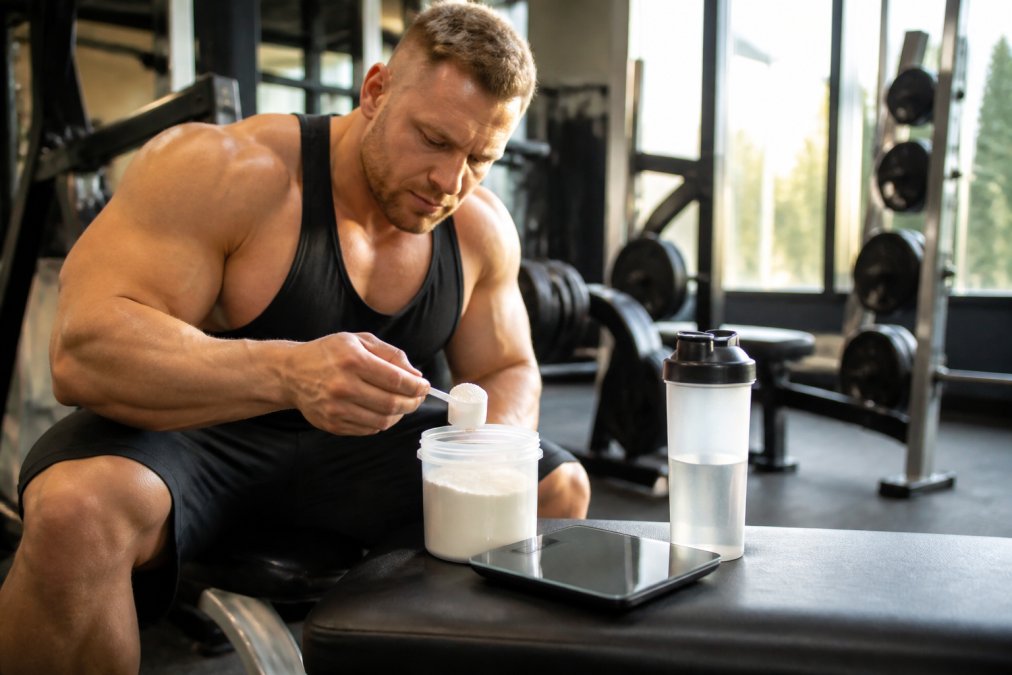
Loading Phase Protocol
A loading phase gets creatine into your muscles fast. According to the Gatorade Sports Science Institute, the standard loading protocol is 20 grams per day divided into four 5-gram doses for 5 days. This saturates your muscle stores quickly, so you see results within a week.
The math is simple: 20 g/day for 5 days, then drop to maintenance. Some lifters report bloating or mild digestive upset during loading. If that's you, split doses further or skip loading entirely.
The upside? You're ready to go in a week. The downside? You might feel fuller, and some people experience water retention. It's temporary and harmless.
Maintenance Dosing
If you skip loading, maintenance takes longer but gets you there. ScienceDirect research shows that 3-5 grams per day for 30 days reaches full muscle saturation without the loading phase. No bloating, no drama, just consistent daily supplementation.
This is the approach I recommend for new lifters. It's easier to stick with, cheaper per week, and your body adjusts gradually. You'll see strength gains kick in around week 3 or 4.
Body Weight-Based Dosing
Forget the one-size-fits-all 5-gram rule. The National Strength and Conditioning Association recommends dosing based on body mass: 0.3 grams per kilogram of body weight per day for loading, then 0.1 g/kg/day for maintenance.
If you weigh 180 pounds (82 kg), that's 24.6 grams for loading and 8.2 grams for maintenance. A 150-pound lifter needs less. This approach scales to your actual muscle mass, which is why it works better than blanket recommendations. Our FREE TOOLS & FITNESS CALCULATORS can help you determine your exact dosage based on your body weight in seconds.
Key Takeaway Body weight-based dosing beats the generic 5g/day standard because it accounts for your actual muscle mass. Heavier lifters need more creatine to saturate their stores.
Creatine Loading Phase vs Maintenance: Which Route for You
The loading phase vs. non-loading question comes down to your timeline and tolerance. Loading gets results in a week. Non-loading takes 4 weeks but avoids potential digestive stress.
New lifters should pick based on three factors: your stomach sensitivity, your timeline, and your consistency.
Watch Out Missing doses kills your progress. Creatine builds up in your system over time. Skip a week and you're back to baseline. Treat it like your morning coffee: non-negotiable.
Best Time to Take Creatine for Maximum Absorption
Timing matters less than consistency, but here's the science: creatine absorption is enhanced by insulin. When you eat carbs and protein, your body releases insulin, which shuttles creatine into muscle cells more efficiently. This is why post-workout is ideal, your muscles are depleted, insulin sensitivity is elevated, and your body is primed to absorb nutrients.


The Practical Protocol
Take creatine with a meal containing carbs and protein. Post-workout shake is ideal because the insulin response is highest. But if you miss that window, take it with breakfast, lunch, or dinner instead. Your muscles don't care if it's 8 AM or 6 PM, they care that you're dosing every single day.
Always pair it with food.
Stacking Creatine with Pre-Workouts and Other Supplements
Most new lifters use a pre-workout. Here's how to stack creatine without wasting money or creating conflicts.
The One Timing Rule That Matters
Consistency beats perfection. Taking creatine at the same time every day, with food, is better than obsessing over the optimal window. Your muscles don't care if it's 8 AM or 6 PM. They care that you're dosing every single day for 4-6 weeks minimum. Miss doses and you lose the benefit. Commit to a protocol and stick with it.
Creatine Side Effects and Safety for New Users
Creatine is safe. Decades of research confirm this. The International Society of Sports Nutrition has published position stands affirming creatine monohydrate safety in healthy individuals at recommended doses. Your kidneys are not at risk. Your liver is not at risk. If you have pre-existing kidney disease, consult your physician first, but for healthy lifters, creatine is one of the safest supplements on the market.
Water Retention and Scale Weight
Your muscles will hold more intramuscular water. This is not subcutaneous bloating, it's water inside the muscle cell, which is why you look fuller and your scale weight climbs 2-4 pounds in the first week. This is temporary and harmless. It reverses when you stop taking creatine. Don't panic and don't drop the dose. This is how you know it's working.
Digestive Distress: The Real Problem
The loading phase can sometimes lead to bloating, cramping, or loose stools. You're forcing 20 grams of powder into your system over five days, and your GI tract isn't adapted to it.
If you experience bloating or cramping during loading:
- Split doses smaller. Instead of four 5-gram doses, take six 3-gram doses spread across the day. Your gut absorbs it the same way; you just don't shock your system all at once.
- Mix with more water. Creatine monohydrate doesn't dissolve completely. Undissolved particles can cause bloating. Stir your dose into 12-16 ounces of water and let it sit for 30 seconds. Better yet, use warm water, it improves solubility.
- Take it with a meal. Creatine on an empty stomach irritates the GI lining. Always pair it with food, especially carbs and protein. This also improves absorption.
- Skip loading entirely. If you're sensitive, go straight to 3-5 grams daily for 30 days. You'll reach saturation without the digestive drama. This is the approach I recommend for new lifters anyway, it's easier to stick with and your body adapts gradually.
If you experience loose stools:
Caffeine and Creatine: No Conflict
You've probably heard that caffeine interferes with creatine. This is outdated information. Older research suggested caffeine might reduce creatine's effectiveness, but modern studies show no meaningful interference. You can take creatine and caffeine together without issue. They have different mechanisms, caffeine is a stimulant that blocks adenosine receptors; creatine is an energy substrate. They don't compete.
Watch Out The only real risk: dehydration. Creatine draws water into your muscles, and caffeine is a mild diuretic. If you're stacking both, drink more water than you normally would, at least an extra 16-24 ounces per day. This is not a reason to avoid either supplement; it's just a reason to stay hydrated.
Creatine and Existing Health Conditions
If you have kidney disease, liver disease, or diabetes, talk to your doctor before starting creatine. If you're healthy, creatine is non-negotiable for strength gains. The research is that clear.
Real Performance Gains: What the Research Shows
The data is consistent: creatine works for strength and power. Novice lifters using creatine see measurable improvements in the weight they can lift and the reps they can complete. The gains aren't massive, we're talking 5-10% improvement over 4-8 weeks, but that's real progress.
Conclusion: Your Creatine Action Plan
Creatine dosage for new lifters boils down to this: pick your protocol (loading or non-loading), stick to the dose based on your body weight, take it daily with food, and be patient. Results show up in 3-4 weeks minimum.
| Protocol | Daily Dose | Timeline to Saturation | Best For |
|---|---|---|---|
| Loading | 20 g/day (5 days), then 3-5 g/day | 5-7 days | Lifters wanting fast results |
| Non-Loading | 3-5 g/day | 30 days | Lifters preferring steady approach |
| Body Weight-Based | 0.3 g/kg/day (loading), 0.1 g/kg/day (maintenance) | 5-30 days | Lifters wanting precision dosing |
Frequently Asked Questions
Do beginners need a creatine loading phase?
No, loading is optional. A loading phase (20 grams daily for 5-7 days) saturates muscle stores faster, but you reach full saturation in 3-4 weeks using 3-5 grams daily without loading. New lifters can skip loading and start at maintenance dose. Loading causes temporary water retention and digestive stress in some users, so many beginners prefer the gradual approach for comfort and consistency.
What is the best time of day to take creatine?
Timing is less critical than total daily intake. Post-workout with carbs and protein may offer a slight absorption advantage due to increased insulin and blood flow. However, consistency matters more, take creatine at the same time daily, whether morning, pre-workout, or post-workout. The supplement accumulates in muscle tissue over weeks, so one missed dose won't derail progress.
Does creatine cause water retention in new lifters?
Yes, creatine increases intramuscular water retention, which is normal and desirable, it supports muscle fullness and strength. This is not the same as bloating or subcutaneous water retention. Most new lifters gain 2-4 pounds in the first week from this effect. It's not fat; it's water inside the muscle cell, which enhances performance and appearance during training.
Is 5 grams of creatine per day safe for long-term use?
Yes, 5 grams daily is safe for long-term use in healthy individuals. Recent research indicates that some lifters may benefit from higher intakes (0.1 g/kg body weight for maintenance), but 5 grams covers most new lifters adequately. Monitor hydration and kidney function if you have pre-existing conditions. Third-party tested creatine monohydrate from reputable suppliers eliminates contamination risk. Consult a healthcare provider if you have kidney concerns.
Leave a comment