







Third Party Tested Supplement Brands: 2026 List
Table of Contents
- Why Third Party Testing Actually Matters for Supplement Brands
-
Top Third Party Tested Supplement Brands List
- MTS Nutrition: Full COA Transparency
- HPN (Human Performance Nutrition): Professional-Grade Testing
- CleanForm Nutrition: NSF Certified for Sport
- Core Nutritionals: Complete COA Transparency
- Ambrosia Collective: BSCG Drug Tested Certifed
- Revive MD: Informed Sport Certified and Science-Backed
- EFX Sports: 3x Quality Tested & Approved
- NOW Foods: Affordable In-House and Third Party Testing
- Dymatize Nutrition: Informed Choice Banned Substance Tested
- How to Read a Supplement Certificate of Analysis
- NSF Certified for Sport Brands List and What It Means
- How to Verify Third Party Testing Claims
- What Separates Certified from Non-Certified Supplements
- Conclusion
Third Party Tested Supplement Brands: 2026 List
Last Updated: August 3, 2026
When you're serious about performance, you don't guess on what goes into your body. A third-party tested supplement brands list isn't marketing fluff; it's the difference between getting what you paid for and getting a bottle of expensive filler with banned substances that'll wreck your career. The reality is simple: internal testing alone tells you nothing. Third-party testing means an independent laboratory with zero financial incentive to make the brand look good tests raw materials and finished products for identity, potency, and contamination. That's the only number that matters when choosing supplements.
Why Third Party Testing Actually Matters for Supplement Brands
The FDA doesn't pre-approve dietary supplements before they hit shelves. That responsibility falls on manufacturers and on you as the consumer. Third party tested supplements change that equation entirely.
An independent laboratory tests for three critical things: label accuracy (does the bottle actually contain what it claims?), potency verification (are you getting the stated dose?), and contaminant screening (heavy metals, microbial pathogens, pesticides, banned substances). One study found approximately 10-15% of supplements tested positive for substances not listed on the label. That's a career-ending risk if you're competing at any serious level.
The difference between certified and non-certified supplements comes down to accountability. A brand submitting to third-party testing has something to prove. Brands that refuse are betting you won't ask questions.
Pro TipCheck the product label for certification seals from cGMP FDA Inspected Facility, USP, NSF Certified for Sport, Informed Choice, or IFOS. If you don't see one, the product hasn't been independently verified.
Top Third-Party Tested Supplement Brands List
The brands below have made serious commitments to quality assurance and regulatory compliance. They publish certificates of analysis, test finished products, and operate in facilities exceeding FDA good manufacturing practices.
1. MTS Nutrition: Full COA Transparency
MTS Nutrition logs & publishes Certificates of Analysis for every product they manufacture. You can see exactly what's in each batch, the testing date, and lab results at any time. They test frequently for heavy metals and microbial safety. Their ingredient labels show no proprietary blends; you know the exact dose of every ingredient. If you value complete transparency and want to verify claims with actual lab data, this brand respects that.
2. HPN (High Performance Nutrition): Professional-Grade Testing
Every HPN product undergoes third-party testing for heavy metals, pesticides, and microbial contaminants. They publish Certificates of Analysis (COAs) on request for batch-specific data. Their NSF-GMP registered facility exceeds USP standards. They formulate without unnecessary additives, fillers, or artificial ingredients. The trade-off is price; HPN costs more than mass-market brands. They also carry NSF Certified for Sport certifications, which matters for tested athletes. For someone willing to pay for quality and transparency, this brand delivers.
Key TakeawayHPN is the choice for people who want complete transparency and rigorous third-party testing on every batch.
3. CleanForm Nutrition: NSF Certified for Sport
If you compete in a tested sport, CleanForm Nutrition is the only choice that makes sense. Every product carries NSF Certified for Sport certification, tested for 290 banned substances. Manufacturing occurs in NSF-GMP-registered U.S. facilities. Raw materials and finished products undergo comprehensive in-house and third-party testing. They formulate without artificial coloring or artificial sweeteners. If you're competing, the peace of mind is worth every penny.
4. Core Nutritionals: Complete COA Transparency
Core Nutritionals makes it easy to see exactly what you’re getting. Certificates of Analysis are available on their website, showing batch-specific testing dates, ingredient verification, and laboratory results. Products are regularly tested for heavy metals and microbial safety, and every ingredient is fully disclosed with its exact dosage no proprietary blends. For customers who value transparency and want claims backed by real testing data, Core Nutritionals delivers.
5. Ambrosia Collective: BSCG Drug Free Certified
Ambrosia Collective specializes in BSCG Drug Free Certified supplements. All products undergo third-party testing for label-claim accuracy and for contaminants. Every product carries the BSCG Drug Free certification. If you're focused on clean sourcing and drug-free testing, Ambrosia Collective delivers. For competitive athletes looking for a For-Sport Plant Protein Option, this is your brand.
6. Revive MD: Informed Sport Certified and Science-Backed
Revive MD manufactures in ISC and TGA (Therapeutic Goods Administration) certified facilities. All products carry Informed Sport Certifications, making them suitable for tested athletes. They emphasize research-backed formulations and high-quality ingredients. For someone willing to pay for science-backed products with serious certifications, Revive MD delivers credibility.
7. EFX Sports: 3x Quality Tested & Approved
If you're buying fuel for sports, EFX Sports is the standard. Known for their flagship Karbolyn Fuel, EFX Sports is owned by All America Pharmaceuticals, which has the luxury of having its own in-house testing laboratory built in. The 3x Testing guarantees they don’t cut corners! In order to know if a product meets label claim, it must be tested and verified. Few supplement companies have the capability to test in-house, but at EFX Sports they have an on-site lab that verifies that ALL of their products are spot on!
8. NOW Foods: Affordable In-House and Third-Party Testing
NOW Foods conducts over 16,000 tests monthly on raw materials and finished products. Select products carry third-party certifications like Informed Sport. They were among the first companies certified by UL Solutions for supplement manufacturing. For budget-conscious buyers who want assurance without premium pricing, NOW Foods is solid.
9. Dymatize Nutrition: Informed Choice Banned Substance Tested
Dymatize offers Informed Choice Banned Substance Tested protein products for all. Their top-selling ISO100 Protein Powders are reliable and affordable. For high-quality tested protein supplements at some of the best prices with Informed Choice, this is hard to beat.
Watch OutDon't assume all protein powders are tested like Dymatize protein. Make sure you check the label; some products lack third-party certification.
How to Read a Supplement Certificate of Analysis
A Certificate of Analysis (COA) is your proof that independent testing actually happened. Understanding what you're looking at separates informed buyers from people sold on marketing.

A COA shows four critical pieces of information: the testing date (if older than 6 months, the product may have degraded), the tested ingredient and its measured potency compared to the label claim (±10% variance is acceptable), contaminant screening results for heavy metals, microbial pathogens, and pesticides, and the testing lab's name and accreditation status.
Look for the "Results" column and compare measured amounts to label claims. In the contaminant section, heavy metals like lead, cadmium, and arsenic are tested at specific limits. Any detection above safe limits is a red flag. Microbial testing checks for dangerous bacteria like E. coli and Salmonella. Any detection is disqualifying.
Pay attention to testing method. HPLC (High Performance Liquid Chromatography) is standard for potency verification. ICP-MS (Inductively Coupled Plasma Mass Spectrometry) is standard for heavy metals.
Red Flags on Certificates
A legitimate COA includes specific details: batch numbers, exact testing dates, and the lab's contact information and accreditation number. If the certificate is vague or generic, it's not real.
Watch for certificates that don't match the product. If you're buying a specific batch and the COA shows a different batch number, that certificate doesn't apply. Some brands publish generic certificates supposedly applying to all batches; that's not how testing works. Each batch is unique and should be tested separately.
If a brand won't tell you the batch number of the product you're buying, they're hiding something.
NSF Certified for Sport Brands List and What It Means
NSF Certified for Sport is considered the gold standard for athletes in tested sports. This certification means the product has been tested for 290 banned substances and manufactured in an NSF-GMP registered facility. It's not a guarantee of effectiveness; it's a guarantee that it doesn't contain banned substances.
NSF randomly selects finished products from retail shelves and tests them in independent laboratories. They also audit manufacturing facilities. If a product fails testing, it loses certification immediately.
Brands with NSF Certified for Sport products include CleanForm Nutrition, HPN, and select products from other manufacturers. Not every product carries the certification, so check the label.
How to Verify Third Party Testing Claims
A brand claiming third-party testing is one thing. Verifying it yourself is another.
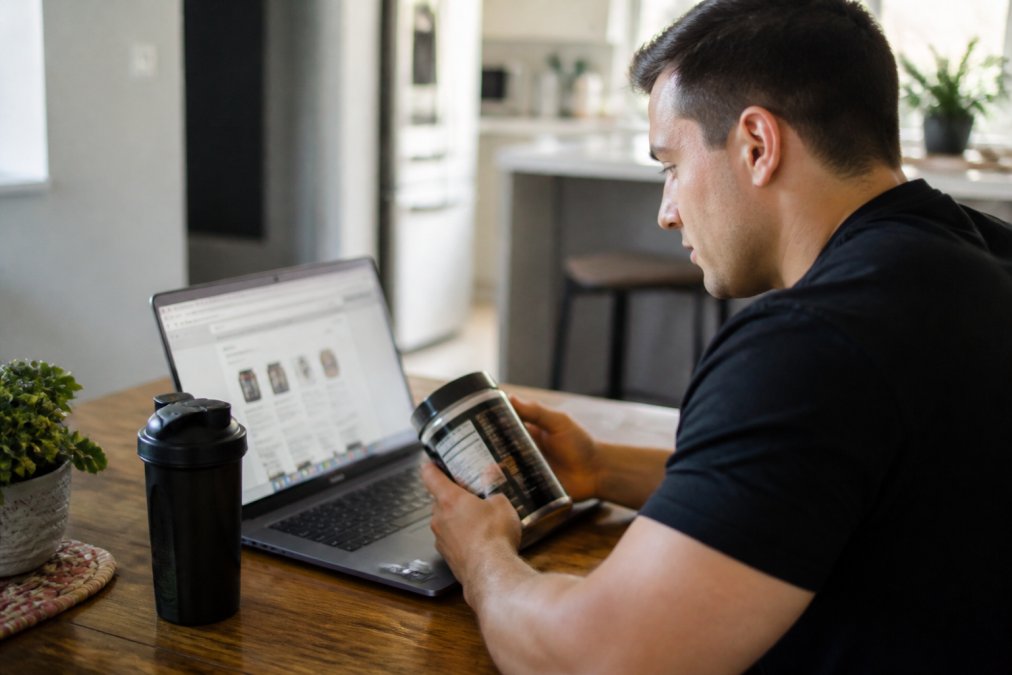
Check the Certification Database
The NSF website maintains a searchable database at nsfsport.org. Search by brand or product name. If the product appears, it's certified. If it doesn't, the brand is lying.
USP maintains a database at usp.org. Informed Choice has a searchable database at informed-choice.org. IFOS maintains their directory at ifos.nu. Use these databases before you buy.
Spot Counterfeit Certification Logos
Counterfeit certification seals are common. A real NSF Certified for Sport seal includes the NSF logo, the phrase "Certified for Sport," and typically a batch-specific number. Real USP Verified seals include the USP logo, product name, and specific verification language.
The easiest verification is visiting the official database. If the product doesn't appear, the seal is fake. Brands counterfeiting certifications are committing fraud, report them to the FTC.
What Separates Certified from Non-Certified Supplements
The gap between certified and non-certified supplements is the difference between accountability and hope. A certified product has been tested by an independent authority. A non-certified product relies entirely on the manufacturer's word.
Non-certified supplements are cheaper. That's the only real advantage. The cost savings come from skipping independent testing, meaning you're accepting unknown risk. You don't know if the product contains what the label claims. You don't know if it's contaminated. You're gambling with your health and, if you're an athlete, your career.
Certified supplements cost more because testing costs money. That money goes to independent laboratories with zero financial incentive to give a brand a passing grade. For competitive athletes, the choice is obvious, non-certified supplements carry banned substances risk. For general health, certified supplements are worth the cost difference because you're actually getting what you paid for.
Conclusion
Finding a third party tested supplement brands list is one thing. Actually using it to make smart buying decisions is another. The brands above have committed to independent verification, published their testing data, and built reputations on transparency. Start with these. Check the certification databases. Read the labels. Demand proof before you spend money. Your health is too important to guess on supplements. Use FREE TOOLS & FITNESS CALCULATORS to dial in your nutrition strategy alongside quality supplements, build a complete plan, not just a supplement stack.
Frequently Asked Questions
How do I know if a supplement brand is actually third party tested?
Check the label for certification seals from recognized organizations like USP, NSF, IFOS, or ConsumerLab.com. Request the Certificate of Analysis (COA) directly from the brand—legitimate companies provide these freely. Verify the certification through the organization's official database. Watch for vague claims like 'tested in our lab'—that's internal testing, not third party verification. Real third party tested supplements display batch-specific testing results, not just general marketing claims.
What does NSF Certified for Sport actually guarantee?
NSF Certified for Sport means the product has been tested for 290+ banned substances and verified for label accuracy and purity. The facility meets NSF Good Manufacturing Practices standards. This certification matters most for competitive athletes subject to drug testing. Klean Athlete, Thorne Research, and select products from other brands carry this seal. It's the gold standard for sports supplements but doesn't guarantee the product works better—only that it's clean and accurately labeled.
What's the difference between USP Verified and other third party testing certifications?
USP Verified confirms identity, strength, purity, and label accuracy through independent testing. It's widely available and affordable, making it common on mainstream supplements like Nature Made and Kirkland Signature. NSF Certified for Sport tests for banned substances and is stricter for athletes. IFOS certification focuses specifically on omega-3 purity and freshness. ConsumerLab.com tests for potency and contaminants. Each certification targets different quality markers—USP is foundational, NSF is athlete-focused, IFOS is omega-specific.
How do I read a supplement Certificate of Analysis to verify quality?
A COA shows batch-specific testing results for potency (does it contain the claimed amount?), heavy metals, microbial contamination, and other contaminants. Check the test date matches the product batch. Look for the testing lab name and accreditation. Verify potency falls within acceptable ranges—typically 90-110% of label claim. Red flags: missing test dates, vague lab names, no accreditation listed, or results showing heavy metals above safe limits. Transparent Labs publishes COAs on their website for every product, making verification straightforward.
Are third party tested supplements actually worth the higher cost?
Yes, if you prioritize safety and label accuracy. Third party tested brands cost more because independent testing, facility audits, and batch verification add real expenses. You're paying for confirmation that the product contains what the label claims and is free from harmful contaminants. For basic vitamins, budget options like Kirkland Signature offer USP verification at lower prices. For performance supplements or if you have sensitivities, the extra cost prevents wasting money on ineffective products or risking contamination. It's risk mitigation backed by data.
Comments
Leave a comment