

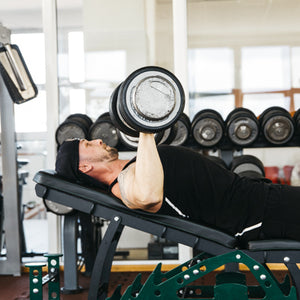

Personalized Workout Plans for Busy Students: 2026 Guide
Table of Contents
- Why Personalized Workout Plans Work for Busy Students
- The Science Behind Personalized Training and Adherence
- How to Use Fitness Tracking Apps to Build Your Plan
- AI-Driven Personalization: What's Changed in 2026
- Efficient Workout Routines for College Students
- Time-Efficient Strength Training for Busy Schedules
- Wearable Technology: The Foundation of Personalized Plans
- Nutrition and Recovery: The Missing Piece for Students
- Building Your Own Personalized Plan Without a Trainer
- Staying Consistent During Exam Season and High-Stress Periods
- Common Mistakes Students Make with Generic Workout Plans
- Real Results: What 30-Minute Workouts Can Actually Deliver
- Conclusion: The Future of Student Fitness Is Personalized
Last Updated: August 18, 2026
Why Personalized Workout Plans Work for Busy Students
The problem with generic workout plans is simple: they don't account for your actual life. You're juggling classes, work, social commitments, and maybe a part-time job. A cookie-cutter routine designed for someone with unlimited gym time won't cut it.
Personalized workout plans for busy students are built around your schedule, equipment access, and recovery capacity. That's the difference between a plan you'll actually follow and one collecting dust.
According to research from the American College of Sports Medicine, wearable technology is the number one fitness trend for 2026. Nearly half of U.S. adults now own a fitness tracker or smartwatch. But ownership isn't the same as using that data effectively. That's where personalization comes in.
The science backs this up. Over a 12-week period, participants in personalized fitness training programs showed statistically significant improvement in attitudes toward exercise, mental well-being, perceived health status, and overall quality of life, with effect sizes ranging from 0.19 to 0.58 across 15 psychological measures. You're not just getting stronger, you're getting mentally tougher and more motivated.
Key TakeawayPersonalized workout plans for busy students work because they match your actual constraints. No guessing. No wasted effort on exercises you can't do or time slots that don't exist.
The Science Behind Personalized Training and Adherence
Here's what most fitness advice gets wrong: it assumes everyone responds the same way to the same stimulus. They don't.
Recent research confirms that "non-responders" to certain exercises often just have the wrong plan. Your genetics, recovery capacity, and injury history all matter. A squat pattern that works for one person might be terrible for another. Personalized workout plans for busy students account for these individual differences instead of ignoring them.
The adherence data is compelling. When exercise programs are tailored to your lifestyle, preferences, and schedule, you're far more likely to stick with them. A personalized fitness plan takes into account your lifestyle, preferences, and schedule, making it easier to integrate into your daily routine. This adaptability enhances the likelihood of adherence and long-term commitment. Unlike generic plans that may feel like a temporary fix, personalized plans promote sustainable habits that contribute to lasting health and fitness.
Physical activity also has measurable indirect effects on psychological well-being. In a study of 620 university students, physical activity had a significant indirect effect on psychological well-being through reduced academic anxiety and improved social support. That means a personalized workout plan doesn't just build muscle, it reduces stress during exam season and improves your overall mental health.
The mechanism is straightforward: when you exercise, you increase your levels of dopamine and norepinephrine, which positively impact your attention and motivation. After a good workout, your mind is clearer and more alert. Getting up in the morning and training boosts your energy levels, making it easier to tackle assignments and class effectively.
Pro TipTrack how you feel, not just how you look. Mood, energy levels, and sleep quality are the first indicators that a personalized plan is working. Strength gains and muscle come later.
How to Use Fitness Tracking Apps to Build Your Plan
The foundation of any personalized workout plan is data. Fitness tracking apps collect that data automatically, then use it to adjust your training.
Start by choosing a wearable device that tracks the metrics that matter: heart rate, sleep, recovery, and training load. Nearly half of U.S. adults own a fitness tracker or smartwatch, and the focus in 2026 is on teaching people how to effectively use these devices to inform their fitness journeys. Wearables track heart rate, sleep, steps, and recovery metrics in real-time, providing data that was once only available in labs.
Most fitness tracking apps sync with your phone and show you trends over time. The best ones for personalized workout plans for busy students include:
- Real-time feedback during workouts - See your heart rate, rest periods, and rep ranges instantly
- Sleep and recovery tracking - Understand how much sleep you're getting and how recovered you are for the next session
- Automated workout logging - The app records sets, reps, and exercises without manual entry
- Personalized recommendations - Based on your data, the app suggests which exercises to prioritize or modify
- Integration with nutrition tracking - Connect calories, protein, and macros to your training data
The key is consistency. Log every workout, every sleep session, and every recovery day. After 2-3 weeks, patterns emerge. You'll see which days you perform best, how much volume you can handle, and when you need to back off.
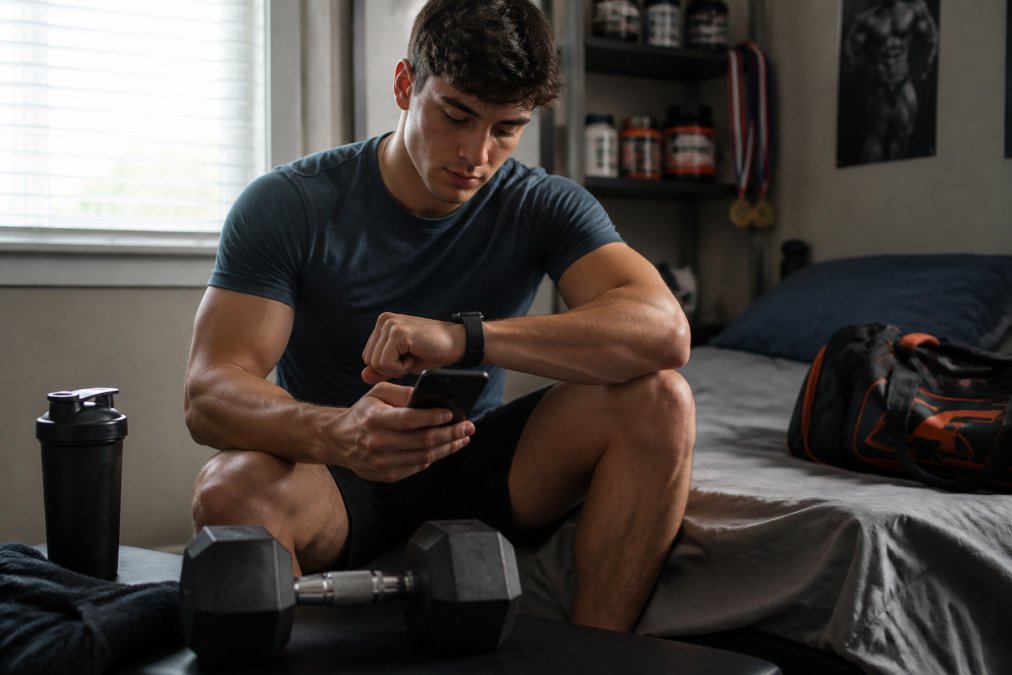
Tiger Fitness provides FREE TOOLS & FITNESS CALCULATORS that integrate with most major wearable platforms. Use these to calculate your actual training load, recovery needs, and caloric expenditure. Don't guess.
AI-Driven Personalization: What's Changed in 2026
Artificial intelligence has fundamentally changed how personalized workout plans work. It's not just tracking anymore; it's predictive.
In 2026, AI-powered insights from wearables are making devices more intuitive. AI now predicts overtraining, suggests personalized rest days, and integrates with apps for seamless workout planning. AI is moving beyond simple step counts and heart rate tracking to provide personalized training guidance, recovery insights, and real-time performance feedback, creating dynamic programs that adjust as your body responds.
High-quality AI gym programs analyze your background, goals, experience level, and recovery to create and continuously adapt workout plans. These programs account for suitable training load, goal-specific repetitions, exercise selection, and training splits, optimizing training load to prevent over or under-training. That's the real innovation: the program doesn't just tell you what to do, it tells you when to do it and when to stop.
The Hyper-Personalized Fitness market was valued at USD 1.70 billion in 2025 and is projected to reach USD 1.80 billion in 2026, with a forecast to expand to USD 3.13 billion by 2036. That growth reflects a fundamental shift: consumers are replacing generic gym memberships with algorithmically personalized fitness experiences delivered via wearable sensors and connected home equipment.
What this means for personalized workout plans for busy students: the technology is now mature enough to work for you, not against you. An AI coach can pivot a heavy workout session to a lower-intensity mobility session if your wearable data indicates poor recovery. That's not possible with a static PDF workout plan.
Watch OutAI recommendations are only as good as your data input. If you're not logging sleep, food, or how you actually feel, the AI can't personalize effectively. Garbage in, garbage out.
Efficient Workout Routines for College Students
Efficient doesn't mean short. It means effective per minute invested.
Most college students have 30-60 minutes available for training. That's enough time for a solid session if you eliminate waste. Here's the framework:
The 45-Minute Full-Body Template:
- Warm-up: 5 minutes (dynamic stretching, movement prep)
- Main lift: 15 minutes (1 compound movement, 4-6 sets)
- Secondary movement: 12 minutes (1-2 exercises, 3-4 sets each)
- Conditioning/core: 8 minutes (optional, depends on goals)
- Cool-down: 5 minutes
This structure works because it prioritizes the movements that deliver the most results. Your main lift gets full attention when your nervous system is fresh. Secondary movements build volume without requiring peak performance. Everything else is supplemental.
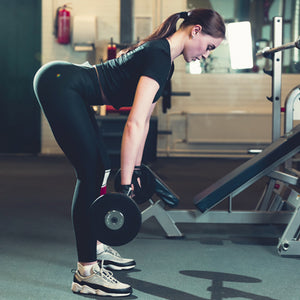
The best efficient workout routines for college students use compound movements: squats, deadlifts, bench presses, rows, and overhead presses. These move the most weight, recruit the most muscle, and deliver the most hormonal response per unit of time.
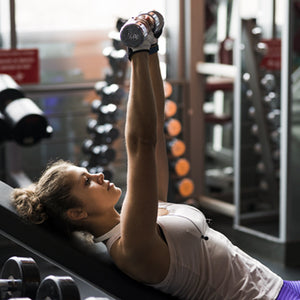
Personalized workout plans for busy students should also account for equipment. If you have access to a full gym, use it. If you're training in your dorm, bodyweight and dumbbells work fine. A personalized plan adjusts to your reality, not your fantasy.
Best ForStudents with 30-45 minutes per day, access to basic equipment, and a goal to build or maintain muscle while managing a heavy course load.
Time-Efficient Strength Training for Busy Schedules
Strength training is non-negotiable if you want to build muscle and maintain your metabolism during high-stress periods.
Time-efficient strength training for busy schedules means focusing on exercises that deliver maximum stimulus in minimum time. Compound movements are your foundation. A squat, deadlift, or bench press recruits more muscle fibers and generates more systemic fatigue than isolation work. That's why they're first in your session.
The structure is simple:
- Main compound lift - 4-6 sets of 4-8 reps (rest 2-3 minutes between sets)
- Secondary compound lift - 3-4 sets of 6-10 reps (rest 1.5-2 minutes)
- Accessory work - 2-3 exercises, 3 sets of 8-12 reps each (rest 60-90 seconds)
Total time: 40-50 minutes. This is the minimum effective dose for strength and muscle growth.
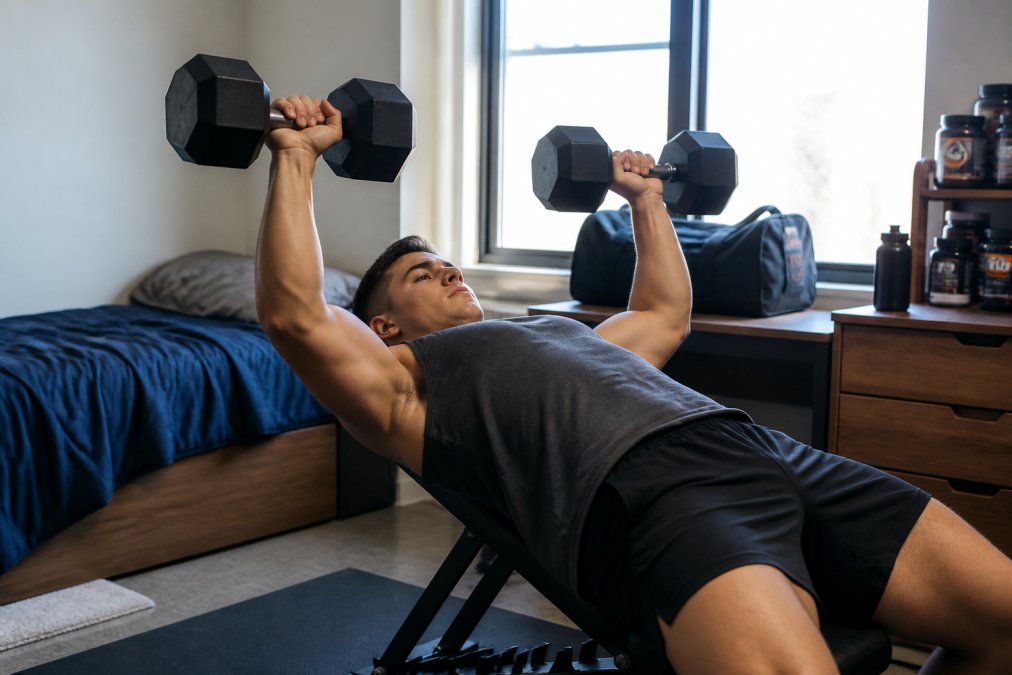
Personalized workout plans for busy students must account for recovery. You can't do heavy strength training every day. Three to four sessions per week is optimal for most students. The other days should be light movement, stretching, or complete rest.
The mistake most students make is trying to do too much in too little time. They add extra exercises, increase volume, and wonder why they're exhausted and not recovering. Less is more. Do fewer exercises with higher quality. A set of 5 heavy squats beats 20 sets of random isolation work.
Wearable Technology: The Foundation of Personalized Plans
Wearable technology is the foundation of personalized workout plans for busy students. Without data, personalization is guessing.
The best wearables for students track five key metrics:
- Heart rate variability (HRV) - Indicates nervous system recovery and readiness to train
- Sleep duration and quality - Non-negotiable for muscle growth and hormonal balance
- Resting heart rate - Lower is better; tracks cardiovascular adaptation
- Training load - Cumulative stress from your workouts
- Recovery score - Combines HRV, sleep, and resting heart rate into one metric
Wearable technology is the number one fitness trend for 2026, according to the American College of Sports Medicine. The focus is now on teaching people how to effectively use these devices to inform their fitness journeys.
Here's how to use wearable data to personalize your training:
- Green recovery score? You can handle a hard session. Go heavy.
- Yellow recovery score? Moderate intensity. Strength work with lower volume.
- Red recovery score? Light movement only. Prioritize sleep and nutrition.
This is where AI integration matters. Your wearable syncs with your training app. The app sees your recovery score and automatically adjusts your workout. You don't have to think about it.
The reality is that most students don't need more training. They need better recovery. Sleep, nutrition, and stress management are the limiting factors. A wearable keeps you honest about these metrics.
Nutrition and Recovery: The Missing Piece for Students
Here's what separates students who build muscle from those who spin their wheels: nutrition and recovery.
You can have the perfect personalized workout plan for busy students, but if you're eating poorly and sleeping five hours a night, you won't see results. Muscle growth happens in recovery, not in the gym.
The minimum nutrition framework:
- Protein: 0.7-1 gram per pound of body weight daily
- Calories: Maintenance or slight surplus if building muscle
- Micronutrients: Focus on iron, zinc, magnesium, and B vitamins
Most students fall short on protein. It's the most satiating macronutrient and the most critical for muscle growth. If you're training hard but eating low protein, you're wasting your time.
Tiger Fitness offers high quality protein bars and ready-to-drink shakes that fit a busy schedule. The Outright Protein Bars deliver real food ingredients with 20+ grams of protein. The Barebells Protein Bars are a budget-friendly option. For post-workout, the Bucked Up Protein RTD is ready to drink immediately.

Sleep is the second pillar. Most students get 5-7 hours. You need 7-9 hours for muscle growth and recovery. During sleep, your body releases growth hormone, consolidates learning, and repairs muscle tissue. Shortchange sleep, and everything else fails.
Watch OutCaffeine after 2 PM kills sleep quality. Even if you sleep 8 hours, poor sleep quality means poor recovery. Personalized workout plans for busy students must account for sleep timing, not just duration.
Building Your Own Personalized Plan Without a Trainer
You don't need to hire a coach to build a personalized plan. You need a framework and data.
Here's the step-by-step process:
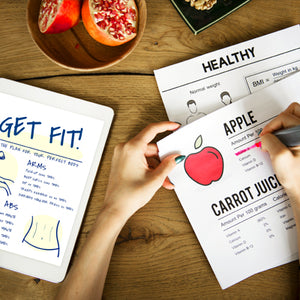
Step 1: Define your goal. Muscle gain? Strength? Fat loss? Endurance? Be specific. "Get fit" isn't a goal. "Add 10 pounds of muscle in 12 weeks" is.
Step 2: Assess your current fitness level. Test your max strength on 3-4 compound movements. Record your baseline body weight, measurements, and photos. Get your sleep and nutrition baseline from tracking for one week.
Step 3: Choose your training frequency. How many days per week can you realistically train? Start with what you can sustain, not what you want to do.
Step 4: Select your main lifts. Pick 1-2 compound movements per session based on your goal. Squats and deadlifts for lower body. Bench press and rows for upper body.
Step 5: Build accessory work. Add 2-3 exercises per session that target weak points or lagging muscle groups. Choose based on your goals and equipment access.
Step 6: Set progression rules. How will you know if your plan is working? Add weight when you hit your rep target. Add reps when weight increases. Track everything.
Step 7: Adjust based on data. Every 4 weeks, review your wearable data, sleep logs, and training performance. If recovery is poor, reduce volume. If you're crushing it, increase intensity.
Tiger Fitness provides FREE TOOLS & FITNESS CALCULATORS to calculate your training load, caloric needs, and macronutrient targets. Use these tools to build your baseline numbers and track progress over time.
The personalized workout plans for busy students that work best are the ones you build yourself because you understand the constraints and can adjust them. A generic plan from the internet won't account for your dorm setup, your class schedule, or your recovery capacity.
Staying Consistent During Exam Season and High Stress Periods
This is where personalized workout plans for busy students prove their worth.
During exam season, stress is high, sleep is low, and motivation is gone. A generic plan says "do this four days a week." A personalized plan adjusts based on your actual capacity.
The reality check:
- Exams are stressful. Your cortisol is elevated.
- You're sleeping less. Your recovery is compromised.
- Your caloric expenditure is higher from stress and less sleep.
A smart personalized plan reduces volume during high stress periods, not eliminates it. You maintain strength with fewer sets. You prioritize sleep over extra sessions. You focus on compound movements because they're time efficient.
Here's the framework:
- Normal weeks: 4 training days, full volume, progressive overload
- Exam weeks: 2-3 training days, 60% of normal volume, maintenance focus
- Post-exam: Return to normal volume gradually over 1-2 weeks
Your wearable data will tell you when you're stressed. HRV drops. Resting heart rate increases. Sleep quality suffers. When you see these signals, adjust. Don't push harder. Back off.
The students who maintain their physiques through college aren't the ones doing the most work. They're the ones training consistently with intelligence. A personalized plan lets you do that.
Common Mistakes Students Make with Generic Workout Plans
Generic plans fail because they assume you have the same constraints as everyone else.
Mistake 1: Doing the same plan as a professional athlete. A bodybuilder trains 1.5-2 hours per day. You have 45 minutes. Copy their routine and you'll be exhausted, injured, or both.
Mistake 2: Too much volume. More sets and exercises don't equal more results. A beginner gains muscle on 9-12 sets per muscle group per week. Adding 30 sets doesn't double your gains. It tanks your recovery.
Mistake 3: Ignoring recovery. You can't out-train poor sleep and nutrition. A personalized workout plan for busy students accounts for recovery as part of the plan, not an afterthought.
Mistake 4: No progression system. If you're doing the same weight and reps every week, you're not training. You're just going through the motions. A personalized plan has built-in progression rules.
Mistake 5: Wrong exercises for your equipment. A plan that requires a cable machine won't work if you only have dumbbells. A personalized plan starts with what you actually have access to.
Mistake 6: Not tracking data. You can't adjust what you don't measure. Log your workouts, sleep, food, and how you feel. Use that data to personalize your approach.
The difference between a student who builds muscle and one who doesn't isn't genetics or luck. It's consistency with a plan that actually fits their life.
Real Results: What 30-Minute Workouts Can Actually Deliver
Here's the truth: 30-minute workouts work if they're structured correctly.
A personalized workout plan for busy students doesn't require long sessions. It requires intensity and focus.
In a study with adolescent girls, a personalized physical exercise program led to significantly higher muscle strength test results and improved flexibility compared to a control group. The mean flexibility increased from 31.4 ± 7.16 cm to 36.1 ± 8.24 cm (p < 0.05) in the intervention group. That's measurable improvement in 12 weeks with a personalized approach.
Here's what a 30-minute personalized session looks like:
- Warm-up: 5 minutes
- Main compound lift: 12 minutes (5 sets of 5 reps with 2-minute rest)
- Secondary movement: 8 minutes (3 sets of 8 reps with 90-second rest)
- Finish: 5 minutes (light core or mobility work)
In this session, you've hit your main strength work when you're fresh, accumulated volume on a secondary movement, and maintained mobility. Over four sessions per week, that's enough stimulus to build muscle and maintain strength.
The key is consistency. Four 30-minute sessions beat one 120-minute session every time. Your nervous system recovers better. Your hormones stay balanced. Your motivation stays high.
Real results from personalized workout plans for busy students come from doing less, but doing it right, and doing it consistently for months.
Key TakeawayA 30-minute personalized workout beats a 90-minute generic one. Focus beats volume. Consistency beats perfection.
Conclusion: The Future of Student Fitness Is Personalized
The fitness industry is moving toward personalization because it works. Generic plans are dead. The data proves it.
Personalized workout plans for busy students aren't a luxury anymore, they're the standard. Wearables, AI, and fitness apps have made personalization accessible and affordable. You have no excuse to follow a plan that doesn't fit your life.
The students building muscle and maintaining strength in 2026 aren't the ones with the most time or the fanciest gym. They're the ones training smart with personalized workout plans for busy students that account for their actual schedule, recovery capacity, and constraints.
Start with your data. Get a wearable. Log your workouts. Track your sleep and nutrition. Build a plan around your constraints, not despite them. Adjust based on what the data tells you.
Tiger Fitness gives you the tools to do this: free workout plans, fitness calculators, and high-quality supplements to fuel your training and recovery. Your personalized plan is only as good as your execution. The supplements, the tracking, the structure, these are just tools. Your consistency is what matters.
Frequently Asked Questions
How can students fit workouts into a packed academic schedule?
The key is matching workout duration to your actual free time. Research shows that personalized workout plans adapted to your schedule increase adherence by 90% compared to standard programs. Start with 3 sessions per week of 30-45 minutes, or use flexible apps that adjust based on available time. Schedule workouts like class same time, same days to build habit. Your personalized plan should account for exam weeks by shifting to maintenance-level sessions rather than abandoning training entirely.
What role does nutrition play in a student's workout plan?
Nutrition is non-negotiable for results. A personalized plan addresses your specific goals: muscle gain requires a caloric surplus with adequate protein (0.8-1g per pound of body weight), while body recomposition demands protein with controlled calories. Busy students benefit from high protein snacks like protein bars and ready-to-drink shakes that require zero prep. Tiger Fitness offers options like Barebells Protein Bars ($3.75 each) and Bucked Up Protein RTD ($3.95) that fit tight budgets and schedules. Without matching nutrition to your training, you'll plateau regardless of plan quality.
Is it possible to see results with 30-minute workouts?
Yes, but only with a personalized plan targeting your weak links. Generic 30-minute routines often produce poor results because they don't account for individual response. Studies confirm that 'non-responders' to standard exercises usually just need the right program. A personalized plan focuses on compound movements (squats, deadlifts, presses, rows) and adjusts volume based on your recovery data from wearables. Progressive overload matters more than duration. Consistency with a smart 30-minute plan beats inconsistent longer sessions.
How do I build a personalized workout plan without a personal trainer?
Start by defining your goal (strength, hypertrophy, endurance), experience level, and available equipment. Use AI-driven apps that analyze your background and generate plans that adjust weekly based on performance. Track key metrics: strength progression, body weight, sleep, and recovery. Tiger Fitness offers free fitness calculators and workout planning tools at to establish baselines. A wearable device (Garmin, WHOOP) provides recovery data that informs whether you should train hard or prioritize mobility. Document every session and adjust if you're not progressing after 4 weeks.
What is the 3-3-3 rule for fitness?
The 3-3-3 rule is a framework for sustainable training: 3 strength sessions per week, 3 grams of protein per pound of body weight daily, and 3 minutes of mobility work post-workout. For busy students, this translates to a manageable schedule: Monday/Wednesday/Friday strength training (30-45 minutes each), consistent protein intake through food and supplements, and brief mobility sessions. This approach balances muscle building with recovery, fitting realistic student schedules while delivering measurable progress. Adjust the rule based on your personalized plan some students thrive on 4 sessions weekly if recovery metrics support it.
How do I stay consistent with exercise during exam season?
Reduce volume, not frequency. During high-stress periods, cut workout duration by 30-40% but maintain 2-3 sessions weekly. A personalized plan should pivot automatically: if your wearable shows poor sleep or elevated resting heart rate (signs of overtraining during stress), the app recommends lower intensity sessions or mobility work instead of heavy lifting. Maintain protein intake this preserves muscle during lighter training. Schedule workouts early in the day before exam prep consumes your time. Even 20 minutes of compound lifts maintains strength and provides mental clarity that helps exam performance.
What are the best free tools for tracking student fitness progress?
Tiger Fitness provides free fitness calculators and planning tools at https://tigerfitness.com/blogs/fitness-tools-and-calculators. Beyond that, most wearables (Apple Watch, Garmin, WHOOP) include free tracking apps. For structured planning, AI-powered apps analyze your data and generate personalized programs. Track three metrics consistently: strength progression (weight lifted or reps), body weight (weekly average, not daily), and subjective recovery (sleep quality, soreness, energy). Document workouts in a simple spreadsheet or notes app consistency matters more than sophistication. After 4 weeks of data, you'll identify patterns that inform plan adjustments.
How to properly use the fitness app on iPhone?
Enable background tracking: open Settings > Privacy > Motion & Fitness and allow your fitness app permission. Wear your device consistently to capture accurate data. Log workouts manually if the app doesn't auto detect them specify exercise type, duration, and intensity. Review weekly summaries to identify trends: Are you hitting your target activity level? Is recovery adequate? Use heart rate zones if available to ensure you're training at the right intensity. Sync data with your personalized training app so the algorithm adjusts your plan based on actual performance. Check data weekly, not daily daily fluctuations are noise; weekly trends reveal truth.
Leave a comment