



Best Snacks for Muscle Gain: Data-Driven Picks
Table of Contents
- Why Snacks Matter for Muscle Growth
- Protein Bars: Convenience Without Compromise
- Meat Snacks and Whole-Food Protein Sources
- Crunchy Protein Snacks: Chips and Pretzels
- How to Track Macros for Beginners
- Post-Workout Nutrition for Muscle Growth
- Pre-Workout vs. Post-Workout Snack Timing
- Frequently Asked Questions
Last Updated: August 31, 2026
Why Snacks Matter for Muscle Growth
Most people leave gains on the table by treating snacking like an afterthought. The data is clear: 71% of Americans actively seek high protein foods, up from 52% four years ago. You can't build muscle without adequate protein distributed throughout the day. Your muscles respond to consistent amino acid availability, and snacks bridge the gaps between meals. The difference between someone who gains 5 pounds of lean mass and someone who gains 15 pounds often comes down to snacking strategy.
Key Takeaway Muscle growth requires 1.6-2.0 grams of protein per kilogram of body weight daily, distributed across 3-4 meals. Snacks aren't optional; they're a delivery mechanism for hitting that target consistently.
The best snacks for muscle gain share three traits: high protein content (20+ grams per serving), bioavailable amino acids, and reasonable macronutrient balance. You need carbs and fats to support energy and hormone production, but protein is the star.

Protein Bars: Convenience Without Compromise
A quality protein bar delivers 20-25 grams of protein in a form you can carry anywhere. The U.S. protein bar market was valued at USD 1.98 billion in 2025 and is expected to grow at a CAGR of 6.80% through 2034. An analysis of 1,641 protein bars found that while 81% were high in protein from whey and soy, digestibility dropped significantly when processed into bar form. Translation: a bar that looks good on the label might sit in your stomach like a brick.
Real-Food Bars vs. Processed Alternatives
Real-food bars skip sugar alcohols and artificial sweeteners. Made with nut butters, whey protein, honey, and oats, they're built for daily use without GI distress. The tradeoff is cost, you're paying more per bar, but ingredient quality and digestibility justify it.
Budget bars deliver solid macros (20-25g protein, low sugar) without the premium price. These work post-workout or between meals, but expect occasional bloating from sugar alcohols like maltitol or erythritol.
Mid-tier bars split the difference: 20g protein, minimal sugar, real ingredients, and dessert-level flavor. Most athletes find the sweet spot between cost and performance here.

Macro-Nutrient Breakdown: What Actually Matters
For muscle-building days (training + surplus):
- Protein: 20-25g
- Carbs: 30-45g
- Fat: 5-10g
- Total calories: 250-350
A bar with 20g whey protein, 35g oats and honey, and 8g almond butter fits this profile. You get complete amino acids, fast-digesting carbs for glycogen replenishment, and satiety without excess calories.
For cutting days (training + deficit):
- Protein: 20-25g
- Carbs: 15-25g
- Fat: 8-12g
- Total calories: 200-280
A bar with 25g whey isolate, 20g erythritol, and 10g MCT oil gives you protein density without carb bloat.
For pre-workout (1-2 hours before training):
- Protein: 15-20g
- Carbs: 40-60g
- Fat: 3-5g
- Total calories: 250-320
A bar with 18g whey protein, 50g oats, and 3g coconut oil digests in 60-90 minutes, giving you steady fuel without heaviness.
Ingredient Red Flags
Whey protein isolate absorbs faster than concentrate. Soy and pea protein are complete but slower-digesting.
Sugar alcohols to watch:
- Maltitol: highest glycemic impact, most bloating
- Erythritol: minimal impact, minimal bloating (best choice)
- Allulose: minimal impact, closest taste to sugar
Bars with 8-12g fiber are great for satiety on a cut, but they slow digestion. Post-workout, aim for 3-5g fiber. Pre-workout, 5-8g is ideal for sustained energy.
How to Choose Based on Your Goal
Bulking: Prioritize carbs and total calories. A bar with 35-45g carbs and 250-350 calories fits perfectly as a between-meal snack.
Cutting: Prioritize protein density and satiety. A bar with 25g protein, minimal sugar alcohols, and higher fat (8-12g) keeps you full longer.
Training fasted or with minimal pre-workout fuel: Choose a bar with 40-60g carbs and 15-20g protein, consumed 60-90 minutes before training.
Post-workout: Choose a bar with 20-25g protein and 35-50g carbs, consumed within 2 hours of finishing.
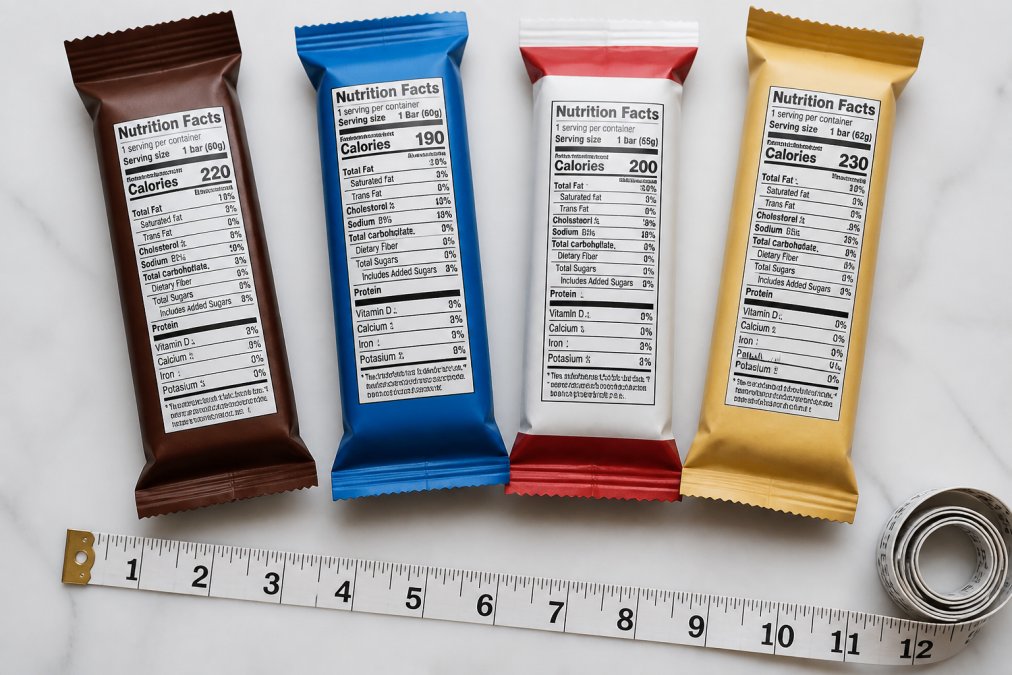
Treat bars as snacks, not meal replacements. Use them to hit your daily protein target and fit your macro goals.
Meat Snacks and Whole Food Protein Sources
Meat snacks are the least processed option available. They deliver complete protein with minimal fat and zero carbs. Meat snack sales have increased more than 45% in the past four years, reaching $4.4 billion annually. A University of Illinois study found that a post-workout meal of 20 grams of protein from lean pork produced significantly stronger muscle-building effects compared to plant-based alternatives.
The advantage is satiety and muscle protein synthesis response. Your body recognizes real meat as complete protein. Amino acid absorption is more efficient, and the thermic effect of protein digestion is higher with whole-food sources.
Pro Tip Stack meat snacks with carbs for post-workout recovery. A meat stick plus a banana or rice cake gives you complete amino acids plus glycogen replenishment without bloat.
Crunchy Protein Snacks: Chips and Pretzels
Not all crunchy snacks are junk. Crunchy protein options made from real chicken breast and egg whites deliver 13g protein per serving without grain fillers. These work because they solve a real problem: cravings. If you're cutting or maintaining, the psychological satisfaction of a crunchy snack matters. A snack you'll actually eat consistently beats a "perfect" snack you avoid.

How to Track Macros for Beginners
Stop guessing. Tracking macros isn't complicated, it's just consistent.
Step 1: Calculate Your Targets
- Protein: 1.6-2.0g per kg of body weight daily
- Carbs: 4-6g per kg for training days
- Fats: 0.8-1.2g per kg (minimum 20% of calories)
For a 200-pound (91kg) lifter: 145-182g protein, 364-546g carbs, 73-109g fat daily. If you're unsure where to start, FREE TOOLS & FITNESS CALCULATORS can help you dial in your exact targets based on your body weight, training intensity, and goal.
Step 2: Log Everything for One Week Use a tracking app. Log every meal, snack, and beverage. Weigh your food with a kitchen scale. This teaches you portion sizes and reveals where your macros actually are.
Step 3: Adjust Based on Progress
- Gaining too fast? Cut 200 calories (reduce carbs or fats, keep protein high).
- Not gaining? Add 300 calories (mostly carbs around training).
- Adjust monthly based on weekly weigh-ins.
| Goal | Protein Target | Carb Timing | Adjustment Frequency |
|---|---|---|---|
| Muscle Gain | 1.6-2.0g/kg | Higher on training days | Weekly weigh-in |
| Fat Loss | 1.8-2.2g/kg | Lower on rest days | Weekly weigh-in |
| Maintenance | 1.4-1.6g/kg | Consistent | Bi-weekly check |
Watch Out Never drop protein when cutting calories. Protein protects muscle mass during a deficit. Never compromise on protein targets for the sake of hitting a calorie number.
Post-Workout Nutrition for Muscle Growth
The "anabolic window" is wider than most think. If you consumed 20-40g of protein 1-2 hours before training, your post-workout window extends 4-6 hours. Your muscles aren't starving for immediate protein the moment you finish your last rep.
That said, post-workout nutrition matters. Your muscles are primed for amino acid uptake. Consuming 20-40g of protein plus 40-80g of carbs within 2 hours post-workout optimizes muscle protein synthesis and glycogen replenishment.
Young adults under 40 need 20-30g protein per meal to fully activate muscle protein synthesis. Adults over 40 need 30-40g per meal to overcome anabolic resistance. Distributing protein across 3-4 meals outperforms consuming it in 1-2 large meals at equal daily totals.
Pre-Workout vs. Post-Workout Snack Timing
Pre- and post-workout snacks aren't interchangeable. Your body's metabolic state is completely different before and after training.
Pre-Workout Snacking: Fuel Without the Bloat
The goal: Provide sustained energy and amino acid availability without heaviness, cramping, or GI distress during your lift.
Timing: 60-90 minutes before training. This allows digestion to complete so you're not lifting with food sloshing in your stomach.
Macro targets:
- Protein: 15-20g
- Carbs: 40-60g
- Fat: 3-5g
- Total calories: 250-320
Protein digestion takes 2-3 hours. Fifteen to twenty grams provides amino acid availability without digestive lag. Carbs are the star; they're fast-digesting and replenish muscle glycogen.
Digestion rate matters. Fast-digesting carbs (white rice, white bread, dextrose, fruit) hit your bloodstream in 30-45 minutes. Slower carbs (oats, brown rice, sweet potato) take 60-90 minutes. For a 60-minute pre-workout window, use faster carbs.
Real examples:
- Turkey sandwich on white bread + banana: 18g protein, 55g carbs, 4g fat. Digests in 75 minutes.
- Rice cakes with honey and whey protein powder: 20g protein, 50g carbs, 2g fat. Digests in 60 minutes.
- Bagel with turkey slices: 16g protein, 52g carbs, 3g fat. Digests in 75 minutes.
What to avoid pre-workout:
- High fat (>8g): Slows digestion
- High fiber (>8g): Causes bloating and cramping
- Processed sugar alone: Causes blood sugar spike and crash mid-workout
Post-Workout Snacking: Rapid Absorption and Glycogen Replenishment
The goal: Rapidly deliver amino acids to primed muscle tissue and replenish glycogen depleted during training.
Timing: Immediately to 2 hours post-workout. If you trained fasted, prioritize immediate protein intake (within 30 minutes).
Macro targets:
- Protein: 20-40g (adults over 40 need 30-40g to overcome anabolic resistance)
- Carbs: 40-80g
- Fat: 5-10g
- Total calories: 300-450
Carbs are critical post-workout because they spike insulin, which drives amino acids into muscle cells more efficiently than protein alone. The combination of protein + carbs post-workout produces significantly stronger muscle-building effects than either macronutrient alone.
Post-workout, you want fast-digesting protein and carbs. Whey protein isolate absorbs in 30-45 minutes. Dextrose, white rice, and white bread absorb in 30-60 minutes. This is the ONE time you want simple carbs and fast protein.
Real examples:
- Whey protein shake with dextrose and banana: 25g protein, 60g carbs, 2g fat. Absorbs in 45 minutes.
- Grilled chicken breast + white rice: 30g protein, 50g carbs, 3g fat. Absorbs in 60 minutes.
- Tuna on white bread + apple juice: 22g protein, 55g carbs, 4g fat. Absorbs in 55 minutes.
What to prioritize post-workout:
- Fast-digesting protein (whey isolate, lean meat)
- Simple carbs (white rice, dextrose, fruit, white bread)
- Minimal fiber (<5g): Slows absorption
- Liquid options work best: Shakes absorb faster than solid food
The Fasted Training Exception
If you train fasted (no food 6+ hours before training), your post-workout window becomes critical. Your muscles are glycogen-depleted and amino-acid-starved. Prioritize immediate protein intake (within 30 minutes) with 50-80g carbs. A shake works better than solid food because it absorbs faster.
The Training Intensity Factor
Higher training intensity = greater glycogen depletion and muscle damage = greater post-workout carb and protein needs.
Heavy strength training: Glycogen depletion is moderate, muscle damage is high. Prioritize protein (30-40g) and moderate carbs (40-50g).
Hypertrophy training: Glycogen depletion is high, muscle damage is high. Prioritize both protein (25-30g) and carbs (60-80g).
Endurance or conditioning work: Glycogen depletion is very high. Prioritize carbs (80-100g) and moderate protein (20-25g).
Practical Decision Tree
Before training:
- Did you eat 1-2 hours ago? Skip the snack; you're still digesting.
- Did you eat 3+ hours ago? Eat 15-20g protein + 40-60g fast carbs 60-90 minutes before.
- Are you training fasted? Eat 20g protein + 40-50g carbs 60 minutes before (minimal fat).
After training:
- Did you train fasted? Eat immediately: 30-40g protein + 60-80g carbs.
- Did you eat pre-workout? Eat within 2 hours: 20-30g protein + 40-60g carbs.
- Are you cutting? Prioritize protein (25-30g), reduce carbs to 30-40g.
- Are you bulking? Prioritize carbs (60-80g), protein 20-25g.
Key Takeaway Pre-workout is about sustained fuel and avoiding bloat. Post-workout is about rapid absorption and glycogen replenishment. Use different snacks for each window, and your recovery and gains will improve noticeably.
Frequently Asked Questions
How can I get 20g of protein in a snack?
Twenty grams of protein is the threshold for activating muscle protein synthesis in younger adults. A single protein bar like Outright (20g protein) or ONE Bar (20g protein) hits this target immediately. Alternatively, pair a smaller snack, like Greek yogurt (15g) with a handful of almonds, or use meat sticks like Ostrim (14g per stick) with cheese. The key is hitting that 20g threshold within one snack window to maximize muscle-building stimulus.
What are the best high-protein snacks for muscle recovery?
Post-workout recovery demands both protein and carbohydrates. Protein bars with 20-30g of protein plus carbs work well. Outright Bars deliver real-food carbs alongside protein without sugar alcohols that cause bloating. Meat snacks like Ostrim provide lean protein but lack carbs, so pair them with fruit or a carb source. Research shows 20-40g of protein post-workout fully activates muscle protein synthesis; older adults (40+) need the higher end of that range.
How many grams of protein should a snack contain for muscle growth?
For muscle building during resistance training, aim for 1.6-2.0 grams of protein per kilogram of body weight daily, distributed across 3-4 meals. Each snack should contain 15-30g of protein depending on your total daily target and meal frequency. For post-workout specifically, 20-40g of protein is optimal; higher doses don't increase muscle protein synthesis further. A 180-pound athlete needs roughly 130-180g daily, so snacks should hit 20-30g to contribute meaningfully.
Are protein bars effective for building muscle?
Protein bars can support muscle growth if they deliver bioavailable protein and fit your macros. However, an analysis of 1,641 protein bars found that digestibility drops significantly when protein is processed into bar form. Real-food bars like Outright, made with nut butters, honey, and whey, digest better than bars loaded with sugar alcohols and artificial fillers. The bar itself doesn't build muscle; resistance training plus adequate protein intake does. Bars are a tool for hitting protein targets when whole food isn't convenient.
What should I eat between meals to support hypertrophy?
Between-meal snacks should provide 15-25g of protein to maintain amino acid availability for muscle protein synthesis. Portable options include protein bars (Barebells, Alani Nu), meat snacks (Ostrim), or protein chips (WILDE, Legendary Foods). Pair protein with carbs if your training was recent, this improves amino acid uptake. Avoid snacks heavy in sugar alcohols or excessive fiber, which can cause bloating and discomfort. Timing matters less than total daily protein intake, but eating every 3-4 hours keeps amino acid levels stable.
Leave a comment