


Gym Apparel for CrossFit Athletes: 2026 Buying Guide
CrossFit apparel for 2026 means clothing built to survive a single workout that moves from barbell cycling to rope climbs to sprints, without changing outfits in between. The right gear controls chafing, keeps grip intact through high-rep pulling, and doesn't restrict a deep squat or an overhead lockout.
CrossFit athletes need apparel that works across radically different movement patterns in one session, unlike a runner or a powerlifter who repeats one motion for an hour.
TL;DR
- Gym apparel for CrossFit athletes needs 4-way stretch fabric that survives squats, pull-ups, and sprints in the same session.
- Cross-training shoes with a flat, stable sole beat running shoes for Olympic lifts and rope climbs.
- Compression shorts under looser bottoms cut chafing during high-rep box jumps and burpees.
- Grip protection (tape, gloves, or chalk) matters more than any single clothing item for pull-up-heavy WODs.
- Tiger Fitness stocks the [gym chalk](https://tigerfitness.com/products/gym-chalk) and training support products that pair with your apparel setup for grip and recovery in 2026.
Why gym apparel matters for CrossFit athletes
A CrossFit workout of the day can ask a body to squat, pull, throw, and sprint inside 20 minutes. Apparel that's fine for a bench session fails fast here: a cotton tee soaks through by minute five, loose shorts ride up during box jumps, and running shoes roll an ankle under a loaded barbell.
The category is different from bodybuilding or general gym apparel for women or men buying for a single lift and leave routine. CrossFit gear has to move through gymnastics, weightlifting, and metabolic conditioning in the same hour, so fabric stretch, shoe stability, and grip protection all carry more weight than they would for a treadmill session.
Update your bottoms for multi-directional movement
Shorts and leggings need to move through a full squat, a lunge, and a sprint without binding.
- Look for 4-way stretch fabric that moves with hip hinges and deep squats
- Choose an inseam long enough to prevent thigh chafing during high-rep box step-ups
- Pick a compression liner if you wear looser shorts on top, especially for double-unders
- Avoid drawstrings that can catch on rings or pull-up bars
- Test the waistband under a loaded barbell before you buy a second pair
Choose a top that survives sweat and overhead reps
The shirt has to stay out of your face during muscle-ups and not trap heat during a 15-minute AMRAP.
- Moisture wicking polyester or poly spandex blends beat cotton for anything over 10 minutes of work
- A slightly fitted cut avoids fabric bunching under a weight vest or during ring dips
- Racerback or sleeveless styles reduce underarm chafing on pull-up bars
- Flat-seam construction prevents rubbing where a barbell rests across your back
Get shoes built for mixed movement, not just running
This is the single biggest apparel decision a CrossFit athlete makes, and it's where most beginners get it wrong first.
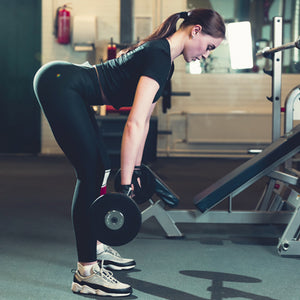
- A flat, firm sole gives you stability for back squats and deadlifts
- A slight heel lift (common on training shoes) helps ankle mobility in front squats and thrusters
- Enough flex in the forefoot matters for box jumps, burpees, and short sprints
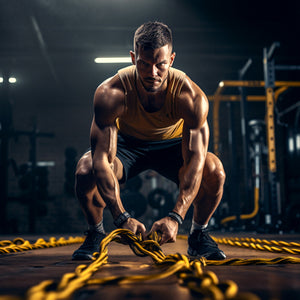
- Reinforced toe and side panels hold up under rope climbs
- Running shoes with soft, cushioned midsoles compress under a loaded bar and cost you stability on max-effort lifts
Add grip protection before you add anything else
Hands fail before lungs do in a WOD full of pull-ups, toes to bar, and rope work. This step matters more than most athletes realize until they've torn a callus mid-workout.
- Gymnastics grips or tape protect palms through high volume pull-up sets
- Chalk cuts slip on barbells and pull-up bars during sweaty, high-rep work Tiger Fitness's gym chalk is built for exactly this kind of grip demand
- Wrist wraps support the joint during heavy overhead work like jerks and snatches
- Fingerless gloves work for some lifters on barbell cycling but can reduce bar feel on gymnastics movements
Support your joints under repeated load
CrossFit stacks squatting, jumping, and overhead pressing back to back, which is harder on joints than a single modality workout.
- Knee sleeves add warmth and light compression for high rep squatting and box jumps
- A weightlifting belt helps brace the spine on max effort lifts, not on gymnastics or conditioning pieces
- Elbow sleeves reduce strain from repeated dips and push presses
- Ankle mobility matters more than ankle support for most CrossFit movement patterns
Layer for recovery days and open gym sessions
Apparel needs shift on lower intensity days, and treating every session like a competition WOD wears out both gear and joints faster.
- Looser, breathable cotton blends work fine for mobility work and accessory lifts
- Compression tights on rest days can support recovery between heavy training blocks
- Slides or flat shoes are fine for warm-ups and stretching, never for the working sets
Rotate your gear to extend its life
CrossFit apparel takes more abrasion than standard gym wear because of rope climbs, barbell contact, and turf work.
- Own at least two pairs of shorts and two shirts so sweat soaked gear can fully dry between sessions
- Check shoe soles for wear every 4-6 months of regular training
- Replace grip tape and gloves at the first sign of thinning material, not after they tear mid-set
Comparison: Apparel options by CrossFit need
| Option | Best for | Key limitation |
|---|---|---|
| Compression shorts/leggings | High-rep box jumps, burpees, chafing prevention | Can feel too tight for athletes who prefer looser gymnastics movement |
| Cross-training shoes (flat sole) | Barbell cycling, Olympic lifts, general WODs | Less cushioned than running shoes on long metcon runs |
| Running shoes | Long-distance conditioning pieces only | Unstable under loaded squats and deadlifts |
| Wrist wraps | Heavy overhead work, jerks, snatches | Not needed for gymnastics-heavy WODs |
| Knee sleeves | Repeated squatting and jumping | Adds heat; not ideal in hot, humid gyms |
| Chalk or grip tape | Pull-up and rope-heavy WODs | Chalk residue requires gym cleanup; tape needs replacing after tearing |
The verdict for most CrossFit athletes in 2026: build your kit around a flat-soled training shoe, 4-way stretch shorts, and grip protection first everything else is a secondary layer.
Common mistakes CrossFit athletes make with apparel
- Wearing running shoes to lift. The cushioned midsole compresses under a loaded barbell and costs stability on squats, deadlifts, and cleans.
- Buying cotton tees for WODs. Cotton holds sweat, gets heavy, and chafes during pull-up and rope work that a moisture wicking blend handles cleanly.
- Skipping grip protection until a tear happens. Most palm tears show warning signs thinning callus, hot spots days before they open up mid-set.
- Ignoring shorts length under load. Shorts that ride up during box jumps or double unders become a mid-workout distraction instead of a non-issue.
- Treating every apparel piece as one-size-fits-all across movements. Gear that works for barbell cycling can actively hurt gymnastics performance, and vice versa.
FAQ
What is the best gym apparel for CrossFit athletes in 2026?
The best setup pairs 4-way stretch shorts or leggings, a moisture wicking top, and a flat-soled cross-training shoe. Grip protection like tape or chalk matters as much as any clothing piece for pull-up-heavy workouts.
Are running shoes okay for CrossFit workouts?
Running shoes are fine for long conditioning runs but unstable for squats, deadlifts, and Olympic lifts. Their cushioned midsole compresses under load and reduces the flat, stable base a barbell lift requires.
Do I need a weightlifting belt for CrossFit?
A belt helps brace the spine during max effort lifts like heavy squats and deadlifts, not during gymnastics or high-rep conditioning pieces. Most CrossFit athletes use one selectively rather than for every movement.
Is chalk or grip tape better for CrossFit workouts?
Chalk cuts slip on barbells and pull-up bars and works well for most WODs, while tape offers more direct palm protection for high volume gymnastics sets. Many athletes carry both and choose based on the workout.
What fabric works best for CrossFit apparel?
Moisture wicking polyester or poly spandex blends outperform cotton for any workout over 10 minutes because they don't hold sweat weight. Cotton also increases chafing risk during rope climbs and pull-up sets.
How often should I replace CrossFit training shoes?
Check sole wear every 4-6 months of regular training since rope climbs and turf work wear down soles faster than standard gym use. A flattened or uneven sole reduces the stability you need for lifting.
Do knee sleeves help with CrossFit workouts?
Knee sleeves add light compression and warmth that helps during high-rep squatting and box jump volume. They're a support tool, not a substitute for proper squat mechanics.
What should beginners buy first for CrossFit apparel?
Start with a flat-soled cross-training shoe and 4-way stretch shorts before adding sleeves, wraps, or specialty gloves. Grip protection is the next priority once you're doing higher volume pull-up work.
One Last Thing
Most grip tears in CrossFit happen on the same movements every time high volume pull-ups, toes to bar, and rope climbs and nearly all of them show a warning sign first: a hot spot or thinning callus that gets ignored until it opens mid-set. Chalk up before that set, not after the first tear, and you'll save a training week. Tiger Fitness carries gym chalk built for exactly that kind of high rep grip demand, and it belongs in every CrossFit athlete's gym bag alongside the apparel basics covered above.
Related guides
- Best gym apparel for women in 2026
- Best gym apparel for big and tall lifters
- Best weightlifting shoes for squats and deadlifts in 2026
- Gym gloves ranked by grip and padding in 2026
- Best supplement stack for CrossFit athletes
Leave a comment