
Pick This Year's Olympia T-Shirt

Last Updated: September 4, 2026
Caffeine is the most studied performance enhancer in sports nutrition, yet the industry has pushed doses to 387 mg per serving, a level that leaves many athletes shaking before their first warm-up set GoodRx analysis of pre-workout stimulant levels. A low caffeine pre-workout flips that script, delivering enough stimulant to sharpen focus without the jitters, anxiety, or crash that follow mega-dosed formulas. At Tiger Fitness, we field questions daily about how these products actually work, so let's break down the science, the pumps, and the practical choices. Low caffeine pre-workout is a formula that typically provides roughly 170 to 200 mg of caffeine per serving, or none at all, paired with ingredients that support blood flow and endurance through non-stimulant pathways Garage Gym Reviews market analysis of pre-workout formulations. Below, we'll examine what counts as low-stim, how these products work in your body, and when they beat the high-caffeine alternatives.
The fitness industry has lost its mind with stimulants. Products now routinely pack 350 to 387 mg of caffeine per scoop, which is like drinking four cups of coffee before you touch a barbell. Health experts recommend capping your pre-workout caffeine at 200 mg per serving to keep stimulant intake manageable Cleveland Clinic guidance on pre-workout safety. A low caffeine pre-workout falls in that 170 to 200 mg range, while stimulant-free versions drop the caffeine entirely and rely on other pathways to drive performance.
The key distinction is intent. A low-stim product is not a watered-down version of a high-stim formula. It is a deliberate formulation that uses moderate caffeine for alertness and pairs it with nitric oxide boosters and focus ingredients to deliver a complete training experience.
Caffeine's mechanism is straightforward: it blocks adenosine receptors, reducing the perception of fatigue and keeping you alert. Performance research most consistently supports doses of 3 to 6 mg per kilogram of body weight, which for a 180-pound athlete means roughly 245 to 490 mg, but that upper end is unnecessary for most lifters MitoHealth evidence-based caffeine dosing guide. The body absorbs caffeine rapidly, reaching 99% absorption within about 45 minutes of ingestion, which is why timing your dose matters Onnit pharmacokinetics of pre-workout stimulants.
"Caffeine can be great in the appropriate amount. It stimulates the body's central nervous system, improves reaction time and can enhance athletic output." -- Dr. Amy Patton, Sports Medicine Specialist at Cleveland Clinic (Cleveland Clinic Health Essentials, 2026)
At 170 to 200 mg, you get the central nervous system boost without the side effects that plague high-dose formulas. The distinction matters for training quality. A moderate dose sharpens reaction time and perceived energy; an excessive dose spikes heart rate and anxiety, which detracts from lifting performance.
Caffeine sensitivity and workout performance are directly linked. Athletes who metabolize caffeine slowly, or who train in the evening, often find that even 200 mg disrupts sleep quality. For these lifters, caffeine sensitivity dictates a lower dose or a complete switch to non-stimulant formulas that still support maximal force production.
Research from the National Institutes of Health confirms that multi-ingredient pre-workout supplements, regardless of caffeine content, are associated with improved physical performance NIH review of multi-ingredient pre-workout supplements. The body does not need caffeine to contract muscle forcefully. It needs the right combination of nutrients and blood flow, which is where pump ingredients take over.
This is where low-stim and stim-free products earn their keep. Instead of hammering your nervous system, they flood working muscles with blood and nutrients. But understanding these ingredients isn't just about knowing their names, it's about understanding how they behave in your shaker and in your bloodstream. The primary pump ingredients you will find in these formulas include:
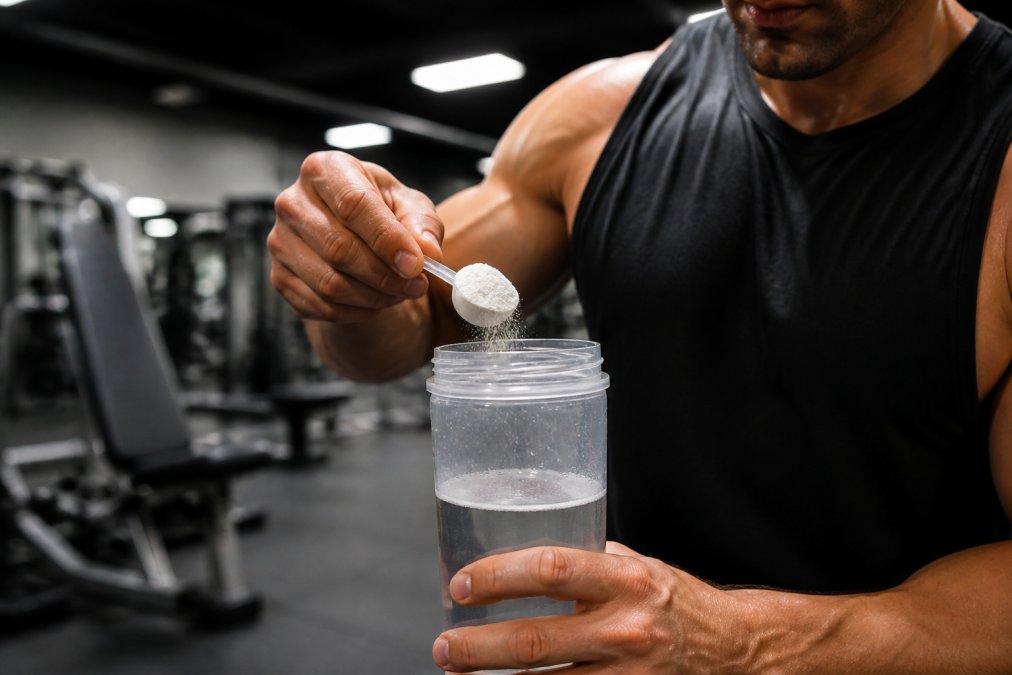
You're not just mixing a drink; you're creating a suspension of compounds with wildly different solubility rates. If you chug your pre-workout and leave a layer of grit at the bottom, you're leaving a portion of your citrulline and betaine behind. That means you're not getting the full clinically studied dose. This is why the 'Double-Shake' technique and using a shaker ball aren't just convenience tips, they are essential for ensuring you actually consume the full dose of the ingredients you paid for.
These ingredients work through vasodilation rather than stimulation. You get the pump, the fullness, and the endurance without the central nervous system spike. For lifters who train at 6 PM and want to sleep by 10, this is a game-changer. But the synergy is critical: citrulline dilates the blood vessels, glycerol increases blood plasma volume, and betaine supports cellular hydration. Together, they create a compounding effect that delivers a noticeably fuller, more vascular pump than any single ingredient could on its own.
High-stim formulas have their place. If you train at 5 AM on four hours of sleep, a big caffeine dose might be the only thing standing between you and the couch. But for most training sessions, a low caffeine pre-workout is the smarter choice.
Evening training is the clearest case. Caffeine has a half-life of roughly five to six hours, meaning a 200 mg dose at 6 PM leaves 100 mg in your system at midnight. That residual stimulant degrades sleep quality, which directly impairs recovery and muscle growth. A stimulant-free pre-workout eliminates that problem entirely while still delivering the pump.
The research supports this shift. Consumer preferences are moving toward low-caffeine and caffeine-free formulations that provide energy and pump without disrupting sleep cycles, a trend documented across fitness communities in 2026 Reddit r/Fitness discussion on low-stim pre-workout preferences. For lifters who train twice a day, the second session should never include a high stimulant dose. Your nervous system needs the recovery more than your muscles do.
How to choose a pre-workout supplement comes down to three questions: when you train, how you respond to caffeine, and what you want from the session.
| Your Situation | Caffeine Level | Best Approach |
|---|---|---|
| Early morning, poor sleep | 170-200 mg | Low caffeine pre-workout for alertness |
| Evening training | 0 mg | Stimulant-free formula for pumps |
| High caffeine sensitivity | 0 mg | Non-stim with focus ingredients |
| Afternoon sessions | 170-200 mg | Moderate dose, no jitters |
If your primary goal is maximizing strength on heavy compound lifts, a moderate caffeine dose helps with focus and reaction time. If your goal is hypertrophy and you train with moderate loads for higher reps, pump ingredients matter more than stimulants because blood flow drives the muscle fullness and nutrient delivery that support growth.
The biggest mistake lifters make is assuming that less caffeine means less effectiveness, then chasing that feeling with a second scoop. A low caffeine pre-workout is not a weak product. It is a targeted tool. Doubling the dose doubles the stimulant load and defeats the entire purpose.
Another common error is poor timing. Because caffeine is 99% absorbed within 45 minutes, taking your pre-workout too close to training means you peak halfway through your session. Take a low-stim product 20 to 30 minutes before you start lifting so the caffeine and pump ingredients align with your working sets.
Finally, do not ignore hydration. Pump ingredients like glycerol and citrulline require water to work. A low caffeine pre-workout mixed with 8 to 12 ounces of water and followed by adequate hydration throughout training will outperform the same product taken with minimal fluid.
Here is where most guys screw up before they even scoop. The reason your pre-workout turns into a solid rock in the tub isn't because it's cheap, it's because of hygroscopy. Ingredients like citrulline malate, betaine, and even caffeine are hygroscopic, meaning they actively pull moisture from the air. Every time you open the tub, you're letting humidity in. Leave it in a humid gym bag or a steamy bathroom, and you're essentially baking a moisture cake.
The Fix: Store your pre-workout in a cool, dry, dark place. Never keep the tub in your gym bag between sessions. Use a desiccant packet if you have one. And always screw the lid on tight immediately after scooping, don't leave it open while you mix your drink.
You're not mixing a protein shake; you're dissolving a complex matrix of compounds with different solubility rates. Pure L-citrulline is notoriously hard to dissolve, while caffeine is highly soluble. That's why a single 10-second shake leaves you with grit at the bottom.
Here is the method that works. First, add your water, then your powder. Shake vigorously for 15 seconds. Let it sit for 2 to 3 minutes, this rest period allows the hygroscopic particles to hydrate and start breaking down. Then, shake it again hard for another 15 seconds. This 'Double-Shake' technique gives the stubborn ingredients time to actually dissolve rather than just clump together. If you're still seeing residue, you're not using enough water or your powder is old and has absorbed too much moisture.
You hear it everywhere: 'drink more water.' But with low-stim and stim-free pre-workouts, this isn't just general health advice. Glycerol, a key ingredient for cell volumization, works by osmotically pulling water into your muscle cells. If you're dehydrated, glycerol has nothing to pull, and your pump will be flat. The same goes for citrulline, which needs adequate blood volume to effectively vasodilate. Mixing your pre-workout with 8 to 12 ounces of water is the minimum. For a hard training session, aim to consume another 16 to 24 ounces of water over the course of your workout to keep those pump pathways fully operational.
The supplement industry convinced lifters that more caffeine equals more results. The data says otherwise. A low caffeine pre-workout delivers the focus, endurance, and pump you need without the anxiety, heart palpitations, and sleep disruption that come with 350 mg doses. At Tiger Fitness, we stock stimulant-free and low-stim formulas like CleanForm Birds of Prey, Bucked Up Pump-Ocalypse, Animal Pump, and Thentic Non-Stim, all built around clinically dosed pump ingredients rather than stimulant overload. Pair your choice with our FREE TOOLS & FITNESS CALCULATORS to dial in your programming and track your progress with precision.

Low caffeine pre-workout works by using alternative ingredients to support performance. Instead of relying on a large caffeine spike, formulas use components like citrulline and agmatine sulfate to boost blood flow and pump. This supports endurance and focus through different pathways than the central nervous system. The result is energy that feels smooth and consistent, without the sudden crash associated with high-stimulant products.
Yes. Research from 2022 shows that both caffeinated and non-caffeinated pre-workout formulas improved maximal force production. The effectiveness depends on the specific pre-workout pump ingredients, such as citrulline for blood flow and beta-alanine for endurance. If your training relies on heavy lifting and controlled reps, a low-stim formula can deliver the focus and performance you need, minus the jitters.
Anyone who trains in the evening, is sensitive to caffeine, or dislikes jitters should try a low caffeine pre-workout. If you're sensitive, even 200 mg of caffeine can disrupt sleep and cause anxiety. Low-stim formulas let you train hard without compromising your rest. They're also a smart choice if you already consume coffee or other caffeine sources during the day and want to avoid exceeding the recommended 200 mg threshold per serving.
Choosing the right pre-workout is about matching the formula to your training schedule and your body's response, not chasing the highest caffeine number on the label. Train hard, sleep well, and let the pump ingredients do the work your nervous system should not have to do. Get started with Tiger Fitness and find the pre-workout that fuels your sessions without the crash.
{"one"=>"Select 2 or 3 items to compare", "other"=>"{{ count }} of 3 items selected"}

Leave a comment