







How Much Whey Protein Is Safe Per Day? (2026 Guide)
Most healthy adults can take 25 to 50 grams of whey protein per serving, one to three times a day, and stay well within safe limits in 2026 as long as total daily protein from all sources lands around 1.6 to 2.2 grams per kilogram of bodyweight. The number that trips people up isn't the scoop count it's forgetting that whey protein is one ingredient in a daily total, not a separate safety category with its own ceiling.
TL;DR
- 25-50 grams of Whey Protein per serving, 1-3 times daily, is the safe range for most lifters in 2026.
- Total daily Protein across all foods matters more than whey alone: target 1.6-2.2 g per kilogram of bodyweight.
- A one year study on resistance trained men found no kidney or liver harm at intakes up to 4.4 g/kg per day.
- No official US upper intake limit exists for protein; digestion, not toxicity, usually sets the practical ceiling.
- Whey protein like MTS Nutrition Machine Whey works best as a way to hit a daily target, not replace whole food.
Whey protein dosing at a glance
25-50g
Safe per-serving whey dose
1.6-2.2 g/kg
Daily total protein target
4.4 g/kg
Highest tested intake, no harm found
1-year study, JISSN 2016
Why This Matters
Protein fear is still everywhere in 2026 people worry a second scoop will wreck their kidneys or that "too much protein" turns straight into fat. Neither claim holds up against the research, but dosing whey badly still wastes money and causes stomach issues that have nothing to do with safety.
The real question isn't "is whey protein dangerous," it's "how much do I actually need for my goal, and where does whey fit into that number." Get that right and the rest of your nutrition gets a lot simpler. Getting familiar with the basics in Whey Protein for beginners helps before you start stacking servings.
How much Whey Protein per day is safe?
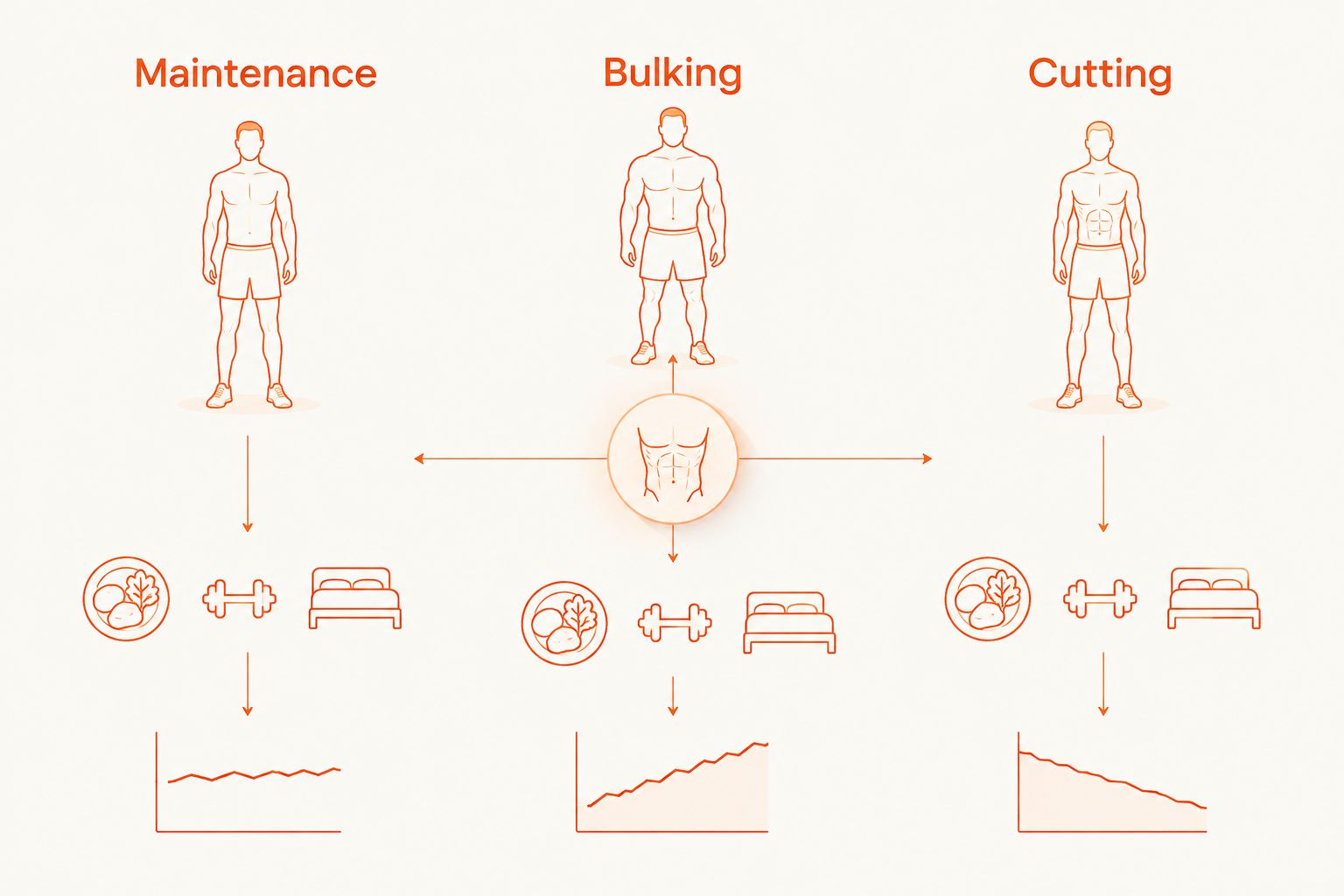
Safety comes down to two numbers working together: your total daily protein target and how much of that you're getting from whey specifically. Here's how that breaks down by training goal.
| Goal | Daily total protein target | Whey protein role | Typical servings/day |
|---|---|---|---|
| General fitness / maintenance | ~1.6 g/kg bodyweight | Fills small gaps between meals | 1 scoop (~20-25g) |
| Muscle building (bulking) | 1.8-2.2 g/kg bodyweight | Primary post-workout source | 2-3 scoops (~50-75g) |
| Fat loss (cutting) | 2.0-2.4 g/kg bodyweight | Satiety + muscle preservation | 1-2 scoops (~25-50g) |
The pattern holds across all three: whey covers roughly a third to half of daily protein, and the rest comes from meat, eggs, dairy, or other whole food. Whey isn't meant to be the whole diet.
Bulking: 50-75 grams of Whey Protein per day
During a muscle building phase, total protein needs climb toward 1.8-2.2 grams per kilogram of bodyweight, and whey becomes the easiest way to close the gap between meals without adding a lot of extra cooking or cost. Two to three servings a day, spaced around training, gets most lifters there without forcing down more food than they can comfortably eat.
A product like MTS Nutrition Machine Whey Protein works well here as a straightforward, high-protein-per-scoop option to stack on top of regular meals rather than replace them. Best for: lifters actively trying to add size who need more daily protein than food alone easily covers.
Cutting: 25-50 grams of Whey Protein per day
On a cut, total protein often goes up even as calories go down, because higher protein intake helps hold onto muscle while you're in a deficit. One to two servings of whey a day, usually 25-50 grams total, plus a food-first approach for the rest, keeps protein high without adding a lot of extra calories from powder alone.
Best for: anyone dropping calories who still wants to protect muscle mass during the cut.
Maintenance: 20-25 grams of Whey Protein per day
If you're not actively bulking or cutting, one serving of whey protein a day is usually enough to round out a diet that's already getting most of its protein from food. This is also the easiest starting point for anyone new to supplementing check how protein powder works for beginners before jumping straight to two or three scoops a day.
Best for: people training for general health who eat enough whole-food protein already.
Why your safe Whey Protein intake varies
A handful of factors push your personal number up or down from the general ranges above:
- Bodyweight — total protein needs scale with kilograms of bodyweight, so a 200-pound lifter and a 130-pound lifter land on very different gram totals even at the same g/kg target.
- Training volume — more weekly training sessions generally means a higher total protein target to support recovery.
- Whole-food protein intake — the more protein you already get from meat, eggs, and dairy, the fewer whey servings you need to hit your total.
- Digestive tolerance — some people get bloating or GI discomfort above 30-40 grams in a single serving, regardless of what's technically "safe."
- Goal (bulk, cut, maintain) — protein needs shift with calorie intake, especially on a cut where protein is deliberately raised to protect muscle.
- Lactose sensitivity — whey concentrate carries more lactose than isolate, which can lower the comfortable per-serving amount for some people.
Whey protein options for daily dosing

High quality whey protein blend built to support muscle recovery and daily protein targets.
$62.99

Whey Protein isolate formulated for lean muscle recovery and faster digestion.
$64.95
Isolate digests faster than concentrate and strips out more lactose, which suits people who want their shake in and out fast around training. Concentrate keeps more of the naturally occurring compounds removed during isolate filtering, and it's usually the more affordable per-gram option. Neither is unsafe the choice comes down to digestion speed and tolerance, not risk.
Is 100 grams of Whey Protein a day too much?
100 grams of whey protein a day is too much for most people if it's replacing whole food rather than supplementing it, since that would mean four full scoops with little room left for meals. It's not dangerous by itself in a healthy adult, but it usually signals the rest of the diet has been neglected in favor of shakes.
Does Whey Protein damage your kidneys?
Does whey protein damage your kidneys no, not in people with normal kidney function, and a one year study on resistance trained men (Journal of the International Society of Sports Nutrition, 2016) found no negative change in kidney or liver markers even at intakes up to 4.4 grams per kilogram of bodyweight daily. Anyone with existing kidney disease should still get individual guidance before increasing protein, since that's a different situation entirely. More detail on this specific worry is covered in is whey protein bad for your kidneys.
Should you drink Whey Protein on rest days?
Should you drink whey protein on rest days Yes, because your daily total protein target doesn't pause when you skip the gym, and muscle repair happens on rest days too. Skipping the shake on off days just makes it harder to hit your overall number for the week.
FAQ
How much Whey Protein per day is safe for beginners?
20 to 25 grams of whey protein per serving, taken once a day, is a safe starting point for most beginners in 2026. Increase serving size only after your digestion adjusts to the added protein.
Can you take Whey Protein twice a day?
Yes, two servings of whey protein a day (roughly 40-50 grams total) is common for people training regularly who need a higher total daily protein number.
Is 100 grams of Whey Protein a day too much?
100 grams of whey protein a day is too much for most people using it as their primary protein source, since it crowds out whole food. It isn't dangerous on its own, but it usually points to an unbalanced diet.
Does Whey Protein cause kidney damage in healthy people?
No credible evidence links whey protein to kidney damage in people with normal kidney function; one study found no harm at intakes up to 4.4 grams per kilogram daily over a full year. People with existing kidney disease should get individual medical guidance.
Should you drink a Whey Protein shake on rest days?
Yes, whey protein on rest days still counts toward your daily total protein target, which matters more for muscle retention than workout-day timing alone.
Is Whey Protein isolate safer than whey concentrate?
Whey protein isolate isn't inherently safer than concentrate the real difference is protein purity and lactose content. Isolate suits lactose sensitive people better since more lactose is removed during processing.
What's the best time to take Whey Protein for muscle gain?
Post-workout and whenever you're short on daily protein both work well; total daily intake drives muscle gain more than the exact minute you drink the shake.
One Last Thing
The US doesn't have an official tolerable upper intake level for protein at all the researchers behind the 4.4 g/kg study only stopped increasing intake because the subjects physically couldn't eat more food, not because anything went wrong in their bloodwork. That's a good reminder that the ceiling on whey protein is set by your stomach and your grocery bill long before it's set by any actual safety limit.
Leave a comment