
Pick This Year's Olympia T-Shirt

Last Updated: September 14, 2026
You want to know how to get shredded without supplements? It starts with math, not pills. A 24-week pilot study published through the National Institutes of Health research database showed that a structured dietary protocol paired with resistance training manages body composition effectively, with no supplement stack required. That is the whole game. Here at Tiger Fitness, we have watched thousands of lifters chase fat loss with powders while ignoring the one variable that actually decides the outcome: energy balance. Below, I will show you exactly how to set your deficit so you strip fat and keep every ounce of muscle you built.
Your basal metabolic rate is the number of calories your body burns at complete rest to keep you alive. Multiply that by an activity factor to get your total daily energy expenditure, or TDEE. That TDEE is your maintenance line.
Use these multipliers:
Track your weight for two weeks at your estimated TDEE. If your weight holds steady, that number is correct. If it drifts, adjust by 100-150 calories and re-test. If you want to skip the manual math, our FREE TOOLS & FITNESS CALCULATORS can run these numbers for you in seconds.
A deficit of 300-500 calories below maintenance is the sweet spot for most lifters. Go deeper and you accelerate muscle loss, crush your training performance, and tank your metabolic rate as your body fights back.
Here is the honest part most guides skip: your caloric deficit, not your supplement shelf, drives fat loss. Recent guidance from Examine.com's research feed on high protein hypocaloric diets indicates that a high protein, mildly hypocaloric diet helps young adults in resistance training lose fat while maintaining or even adding lean mass. Mildly hypocaloric. Not starve yourself. Not two hours of cardio. A controlled deficit plus protein plus lifting.
High protein whole food sources are foods where the protein arrives with the micronutrients, fiber, and digestion your body actually uses. Chicken breast, lean beef, eggs, Greek yogurt, cottage cheese, fish, lentils, and tofu. Research cited by Superpower's analysis of protein source research confirms that muscle growth depends on total daily protein intake and resistance training, regardless of where that protein comes from. Source matters less than total. That is settled.
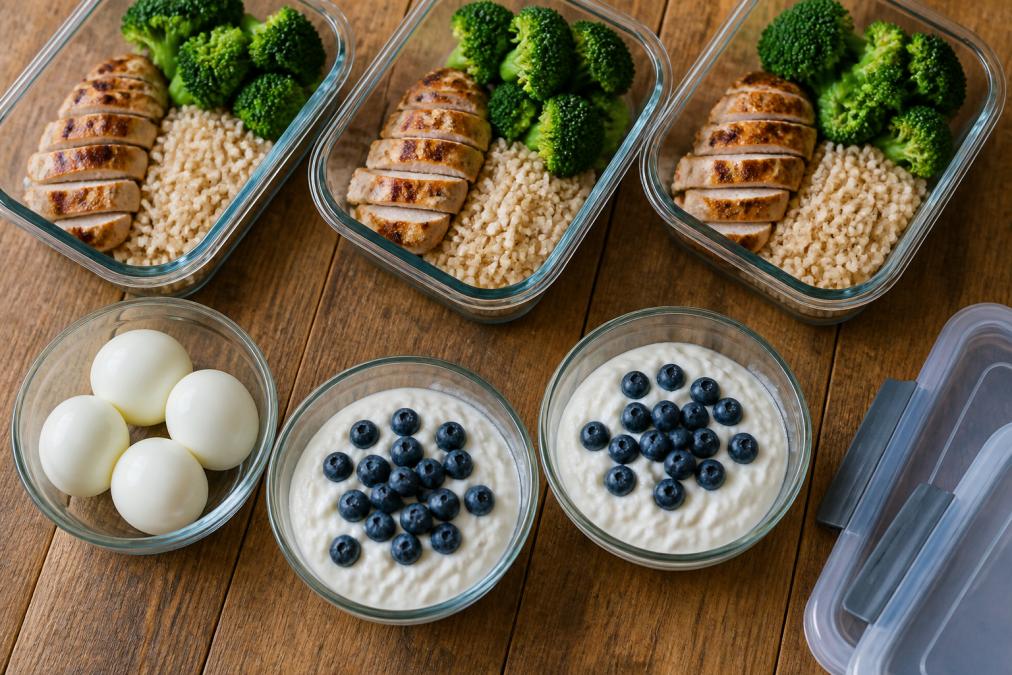
Aim for roughly 1 gram of protein per pound of body weight daily while cutting. At 180 pounds, that is about 180 grams. Split it across 3-4 meals so each feeding delivers 30-50 grams and stimulates protein synthesis. Here is what that looks like in real portions, not theory:
Stack those and you clear 180 grams without a single scoop of powder.
You do not need filet mignon to get lean. Eggs, canned tuna, chicken thighs, ground turkey, and dried lentils deliver protein for pennies per gram. Buy in bulk, cook in batches on Sunday, portion into containers. A simple template:
That structure hits your protein target, keeps fiber intake high, and makes the deficit sustainable instead of miserable.
Most guys blow their food budget on the wrong proteins. Here is the honest ranking by cost per gram of protein, based on typical grocery pricing:
Build your week around these options and you will hit your protein target for less than what most people spend on a supplement stack they do not need.
Progressive overload is the practice of systematically adding weight, reps, or sets over time to force adaptation. It is non-negotiable during a cut. Your job is to give your body a reason to hold onto muscle while calories are scarce.
Industry analysis from fitness training frequency benchmarks shows that 3-4 well-structured resistance training sessions per week beat 6 inconsistent ones for body composition. Consistency over chaos. Every time.
Keep your compound lifts heavy. Squat, deadlift, bench, row, overhead press. Add weight or reps whenever you can. If your strength holds steady through a cut, you are winning. If it climbs, you are dominating.
You can train hard without a commercial gym. A basic home gym setup can provide effective training for a cut:
| Item | Purpose | Typical Cost |
|---|---|---|
| Adjustable dumbbell set | Full-body strength work | $200-$300 |
| Flat bench | Pressing and rows | $80-$120 |
| Pull-up bar | Back and grip | $25-$40 |
| Resistance bands | Warm-ups and accessory work | $20-$30 |
| Jump rope | Conditioning | $10-$15 |
Buy used when you can. With a home setup, you can run progressive overload principles, minus the commute and the membership fee.
No gear? No excuse. Body weight training builds real muscle if you apply progressive overload correctly. The progression model is simple: make the movement harder, not just longer.
Push progression:
Pull progression:
Leg progression:
Core progression:
Run 3-4 sessions per week. Each session, either add reps, add a harder variation, or slow the tempo. That is progressive overload without a single plate.
With the under-$500 setup, run a simple upper/lower split four days per week:
Keep the compound lifts heavy. Add weight or reps whenever you can. If your strength holds steady through a cut, you are winning. If it climbs, you are dominating.
Recovery is where muscle is actually built. Two levers matter most: sleep and stress. Get 7-9 hours of sleep a night. Poor sleep hygiene raises cortisol, wrecks hormonal balance, and blunts recovery. No supplement fixes that.
A 2021 meta-analysis indexed on PubMed on protein supplementation as a stand-alone intervention found that protein supplementation alone is often ineffective for improving muscle mass. Read that again. The powder is not the magic. Sleep, food, and training are.
Stay hydrated. Your hydration status affects strength, endurance, and how you feel in the gym. Drink water throughout the day and add electrolytes if you sweat heavily. Take a rest day when your joints ache. Training into the ground does not make you leaner, it makes you injured.
The biggest mistake is treating supplements as the plan instead of a garnish. They are not. Here is what actually derails a cut:
Fix those five and you will see significant progress.
Getting lean is not complicated, it is just hard. Set a modest deficit, eat protein from real food, lift with progressive overload, and sleep like it is your job. Do that for 12-16 weeks and you will see the difference in the mirror.
When you want convenience without cutting corners, Tiger Fitness has you covered. Our free fitness tools and calculators help you dial in your numbers, and our training app keeps your plan on track. For protein on the go, our protein bars and snacks make hitting your daily target easy. Get started with Tiger Fitness and build the physique you have been chasing.
Yes. A 2025 NIH pilot study (PMC11990763) found that a structured bulk-and-cut protocol with resistance training works for body composition without any supplement stack. The Built With Science case study reached 11% body fat through five daily habits focused on calories and training consistency. Supplements are optional tools, not requirements. Your total daily protein intake and training quality drive results.
Research indicates muscle growth depends on total daily protein intake, not the source. For most people cutting, aim for roughly 0.8 to 1 gram of protein per pound of body weight from high protein whole food sources like chicken, eggs, beef, fish, and dairy. A 2021 PubMed meta-analysis of 112 citations found protein supplementation alone is often ineffective for muscle mass improvement when total intake is already adequate.
Your caloric deficit size and your training stimulus. A high protein, mildly hypocaloric diet combined with resistance training lets you lose fat while keeping or building muscle, according to Examine.com research in young adults. Keep the deficit moderate, hit your protein target, and train with progressive overload. Crash dieting without lifting is how you lose muscle alongside the fat.
Sleep drives hormonal balance, recovery, and appetite regulation. Poor sleep raises cortisol and ghrelin (hunger hormone) while lowering leptin (satiety hormone), which makes staying in a deficit harder. Aim for 7 to 9 hours per night. Pair solid sleep hygiene with your training and nutrition plan. Recovery is when muscle repair happens, not during the workout itself.
{"one"=>"Select 2 or 3 items to compare", "other"=>"{{ count }} of 3 items selected"}





Leave a comment