

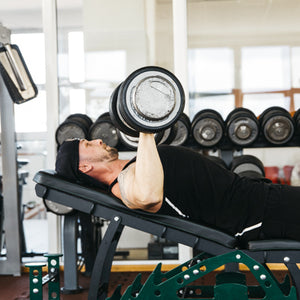

ANABOLIC WINDOW MYTH VS REALITY
Post-Workout Nutrition for New Bodybuilders
Table of Contents
- Why Post-Workout Nutrition Matters for Muscle Growth
- The Role of Protein in Muscle Repair and Protein Synthesis
- Post-Workout Carbohydrate Timing and Glycogen Replenishment
- The Anabolic Window Myth vs Reality
- Hydration and Electrolyte Balance After Training
- Supplements for Muscle Recovery That Actually Work
- Practical Post-Workout Meal Plans for Beginners
- Frequently Asked Questions
Last Updated: September 26, 2026
Why Post-Workout Nutrition Matters for Muscle Growth
Post-workout nutrition for new bodybuilders isn't optional, it's the foundation of everything you're working toward in the gym. You can train hard and lift heavy, but without proper nutrition after your workout, you're leaving gains on the table.
When you train, you create microscopic damage in muscle fibers. Your body repairs that damage and builds back bigger and stronger, but only if you give it the right fuel. According to International Society of Sports Nutrition recovery protocol, the post-workout window is critical for initiating muscle protein synthesis, the actual process where your body repairs and builds muscle tissue.
Research from Journal of the International Society of Sports Nutrition on protein distribution shows that optimal protein distribution throughout the day, including a solid post-workout meal, significantly improves body composition and resting metabolic rate in natural bodybuilders.
The Role of Protein in Muscle Repair and Protein Synthesis
Protein is the raw material your body uses to build muscle tissue. When you lift weights, you signal your body to adapt and grow. Protein provides the amino acids needed to make that growth happen.
How Much Protein You Actually Need
Your total daily protein intake matters more than post-workout timing. According to Fitness CF Gyms muscle-building nutrition guidelines, you need 1.6-2.2 grams of protein per kilogram of body weight daily to support muscle hypertrophy. For a 200-pound bodybuilder (about 91 kg), that's 145-200 grams daily, roughly 30-40 grams per meal.
According to Precision Nutrition post-workout protein thresholds, 20 grams of protein may be sufficient to maximally stimulate muscle protein synthesis post-workout, but most bodybuilders benefit from closer to 30-40 grams to account for training intensity and body weight.
The key insight: total daily protein matters more than the exact timing of a single meal. If you're hitting your daily target and eating protein consistently throughout the day, you're winning.
Best Protein Sources for Muscle Growth
Fast-digesting options like whey protein isolate (such as Dymatize ISO 100 with 25g per serving) are ideal post-workout because they spike amino acid levels quickly. Whole food options like chicken, lean beef, and fish provide additional nutrients and satiety. Eggs deliver complete amino acids plus choline for brain health.

For new bodybuilders, the best protein source is the one you'll actually eat consistently. The difference between "perfect" protein and "good enough" protein is minimal compared to consistency over months.
Post-Workout Carbohydrate Timing and Glycogen Replenishment
Your muscles store energy as glycogen. When you train hard, you deplete that glycogen. Carbohydrates replenish it and signal your body that recovery is happening.
Post-workout carbs should be relatively simple and fast digesting. Your body absorbs them quickly and uses them to refill glycogen stores and improve insulin response, which helps shuttle amino acids into muscle cells.
The recommended intake is 3-5 grams of carbohydrates per kilogram of body weight daily to fuel training, according to Fitness CF Gyms guidelines. For a 200-pound bodybuilder, that's roughly 270-450 grams of carbs daily. Post-workout, aim for 30-50 grams of fast-digesting carbs like white rice, potatoes, fruit, or a carb powder like Elev8 Creamy Rice.

Timing matters here more than with protein. Carbs eaten immediately post-workout have a direct impact on glycogen replenishment and recovery.
The Anabolic Window Myth vs Reality
The "anabolic window" is real, but it's not as narrow as gym mythology suggests. You don't need to chug a protein shake within 30 seconds of finishing your last rep or you'll lose all your gains.
Pre-workout nutrition and total daily protein intake are actually more critical than immediate post-workout consumption. If you trained fasted and haven't eaten all day, eat something immediately. If you had a solid meal two hours before training, a one-hour delay before eating again won't destroy your progress.
That said, if you can eat within 60-90 minutes post-workout, do it. Your body is primed to absorb nutrients and initiate recovery for several hours after training, not just 30 minutes.
Hydration and Electrolyte Balance After Training
Sweat isn't just water. You're losing sodium, potassium, magnesium, and other electrolytes that regulate muscle function, nerve signaling, and recovery.
Why Hydration Matters for Muscle Protein Synthesis
Your muscles are 75% water. When you're dehydrated, protein synthesis slows down, nutrient delivery to muscle cells decreases, and your body can't efficiently shuttle amino acids into damaged muscle tissue. According to the International Society of Sports Nutrition, even 2% dehydration impairs strength performance and recovery.
How Much Fluid You Actually Need Post-Workout
The Electrolyte Problem New Bodybuilders Miss
Practical Electrolyte Strategy
The Digestive Health Factor
How to Prevent Post-Workout Bloating and Cramping:
-
Hydrate before training: Drink 16-20 oz of water 2-3 hours before training, and 8-10 oz 15-20 minutes before.
-
Sip, don't chug: Drink your post-workout fluids gradually over 60-90 minutes. Your stomach can absorb roughly 8 oz every 15-20 minutes.
-
Choose liquid protein first: A whey isolate shake (25-30g protein) is easier to digest than solid food immediately post-workout.
-
Include electrolytes with your fluid: Sodium and potassium improve fluid absorption in the small intestine.
-
Add digestive support if needed: Ginger, peppermint tea, or a small amount of apple cider vinegar can stimulate digestive enzymes and reduce bloating.
-
Don't train fasted on a full stomach: If you ate a large meal 1-2 hours before training, your digestive system is still working. Train on an empty stomach or with a light snack 30-45 minutes before.
Real-World Hydration + Electrolyte Protocol
During Training:
- Drink 8-10 oz water every 15-20 minutes if training longer than 60 minutes.
- If training in heat or for 90+ minutes, add electrolytes to your intra-workout drink.
Immediately Post-Workout (0-15 minutes):
- Drink 8-10 oz water with electrolytes.
- Consume your whey protein shake (25-30g protein, 40-50g carbs).
60-90 Minutes Post-Workout:
- Drink another 8-16 oz water with electrolytes.
- Eat your solid post-workout meal (chicken, rice, vegetables).
2-4 Hours Post-Workout:
- Drink to thirst.
- Eat your next regular meal.
Supplements for Muscle Recovery That Actually Work
Not every supplement matters. Some are hype. Others are scientifically validated and worth your money.
Practical Post-Workout Meal Plans for Beginners
Theory is great. Here's what actually works in practice, and how to make it stick without spending two hours in the kitchen every day.

The Real Barrier: Execution, Not Knowledge
The Weekly Meal-Prep Blueprint
Shopping List (feeds one bodybuilder for 5 post-workout meals):
- 5 lbs chicken breast
- 2 lbs ground beef (93/7 lean)
- 1 dozen eggs
- 10 lbs white rice (uncooked)
- 5 lbs sweet potatoes
- 2 cans tuna (optional backup)
- Salt, black pepper, garlic powder
Prep Steps (2-3 hours total):
-
Cook proteins: Bake chicken at 375°F for 25-30 minutes. Brown ground beef in a large skillet with salt and pepper. Hard-boil eggs. Cool everything completely before storing.
-
Cook carbs: Boil white rice in bulk. Bake sweet potatoes at 400°F for 45 minutes. Cut into meal-sized portions.
-
Portion into containers: Use 5 meal-prep containers. Each container gets one serving of protein (4-5 oz), one serving of rice or sweet potato (1.5-2 cups cooked), and optional vegetables. Label with the date.
-
Store: Refrigerate for up to 5 days. Freeze extras for week two.
Sample Post-Workout Meal Sequence
| Timing | Protein | Carbs | Example |
|---|---|---|---|
| Immediately post-workout (shake) | 25-30g | 40-50g | Whey isolate + banana + 5 rice cakes |
| 60-90 min later (main meal) | 30-40g | 50-70g | Prepped grilled chicken (5 oz) + white rice (2 cups) + vegetables |
| 3-4 hours later (if needed) | 25-30g | 40-50g | Prepped ground beef (5 oz) + sweet potato (1.5 cups) |
Budget-Friendly Execution
Cheapest Protein Sources (ranked by cost per gram):
- Eggs: 6 eggs = 18g protein.
- Canned tuna: 25g protein per can. Shelf-stable, zero prep.
- Ground beef (93/7): Usually cheaper than chicken breast. Brown in bulk, portion, freeze.
- Chicken thighs (not breast): 30-40% cheaper than breast, more flavorful, higher fat content aids hormone production.
- Dried lentils and beans: 18g protein per cooked cup. Pair with rice for complete amino acids.
Cheapest Carb Sources:
- White rice: Buy in bulk.
- Potatoes and sweet potatoes: Seasonal, bulk-friendly.
- Oats: Works post-workout with fruit.
- Bananas: Portable, no prep.
Vegetarian and Vegan Recovery Options
Complete Plant-Based Protein Combinations:
- Lentils (1 cup cooked) + white rice (1.5 cups cooked) = 18g protein, all essential amino acids
- Chickpeas (1 cup cooked) + whole wheat bread (2 slices) = 16g protein, complete profile
- Tofu (5 oz firm) + quinoa (1 cup cooked) = 20g protein, complete
- Black beans (1 cup cooked) + brown rice (1.5 cups cooked) = 15g protein, complete
- Peanut butter (2 tbsp) + whole wheat bread (2 slices) + banana = 16g protein, complete
The Consistency Multiplier
Frequently Asked Questions
How soon after working out should a new bodybuilder eat to support muscle growth?
Total daily protein intake matters more than immediate post-workout timing. That said, consuming 20-40 grams of protein within a few hours after training supports muscle protein synthesis. The International Society of Sports Nutrition recommends this intake every 3-4 hours throughout the day for optimal recovery. New bodybuilders often overthink the 'anabolic window', focus on hitting your daily targets first, then optimize meal timing.
What is the ideal protein-to-carbohydrate ratio for post-workout nutrition?
A practical starting point is a 1:2 or 1:3 ratio of protein to carbs. If you consume 30 grams of protein, pair it with 60-90 grams of carbohydrates. This supports muscle protein synthesis while replenishing glycogen stores depleted during training. Individual needs vary based on workout intensity and body weight, so adjust based on your results and recovery quality over 4-6 weeks.
Are whole foods better than supplements for post-workout nutrition?
Both work. Whole foods like chicken, rice, and eggs provide micronutrients and fiber that support digestion and overall health. Supplements like whey protein isolate (such as Dymatize ISO 100) digest faster and require no preparation, making them convenient post-workout. New bodybuilders benefit from combining both: a quick shake immediately after training, then a solid meal 60-90 minutes later. The best choice is the one you'll actually use consistently.
Do I need supplements for post-workout recovery, or is food enough?
Food alone is sufficient if you're eating enough protein and carbs daily. The recommended intake is 1.6-2.2 grams of protein per kilogram of body weight, plus 3-5 grams of carbohydrates per kilogram. Supplements fill gaps when whole foods aren't convenient or when you need fast-digesting options immediately post-workout. Creatine monohydrate and BCAAs are research-backed additions if you want to optimize beyond basic nutrition.
Leave a comment