
NEW NULLA BAR FLAVORS
In-Stock Now!

Last Updated: November 23, 2026
Quick Summary
Premium fitness app features are effective only when they're tied to behavior change: adaptive programming, structured workout plans, and progress tracking. Features like badge collections and endless video libraries are mostly decoration. Paying for premium gives a short engagement boost, but systems keep you training.
Premium fitness app features are effective, but only the ones tied to behavior change: adaptive programming, structured workout plans, and progress tracking. The rest are mostly decoration. At Tiger Fitness, we watch lifters pay month after month for features they never open, and the data backs up why. Fitness apps generated $3.4 billion in revenue in 2025, a 24.5% increase year over year (Business of Apps fitness app revenue data), yet apps retain only 3% of users by Day 30 (Fitness Refined retention benchmarks). That gap tells you everything. Below, we break down which premium fitness app features earn their subscription and which ones you should cancel today.
The verdict is simple: premium features work when they force consistency, and fail when they just add content. A two-year study of over 500,000 participants found fitness apps can significantly encourage lasting physical activity when used consistently (Western University fitness app study). Consistency is the whole game. AI-driven personalization can lift retention by up to 50% compared to generic programming (FitCraft free vs paid app analysis), because it adapts to what you actually did last week, not what some template assumed.
Here is the honest catch. A Yale School of Management study found users are 11.4% more active in the first week after upgrading to premium, but that boost fades over time (Yale study on paid fitness app engagement). Paying motivates you for about a week. Systems keep you training for a year.
Free apps give you a workout library. Paid apps give you a plan. That is the core difference, and it matters more than any feature list. But the feature list is where most buyers get fooled, so let's break it down by what actually changes your behavior, not what looks good on a pricing page.
| Feature | Free Version | Paid App | Does It Change Outcomes? |
|---|---|---|---|
| Workout library | Yes, static | Yes, plus progression | No, content alone does not drive adherence |
| Adaptive programming | No | Yes | Yes, adjusts to missed sessions and stalled lifts |
| Progress tracking | Basic logging | Performance metrics and trends | Yes, visible trends drive consistency |
| Nutrition tracking | Limited | Full calorie and macro logging | Mixed, works only if you actually log |
| Coaching and accountability | No | In-app coaching, reminders | Yes, reminders reduce abandonment |
| Cost | $0 | Recurring subscription | Depends on usage, not price |
Here is the part most guides skip: the premium features that actually move outcomes are the ones that respond to your data. Adaptive programming, structured progression, and progress tracking all qualify because they close the loop between what you did last week and what you do next week. A static video library does not close that loop, it just gives you more content to ignore.
If you want to understand when leveling up actually pays off, read our guide on how to transition from beginner to advanced training apps.
Watch out: paying for two apps that both log workouts means neither one owns your data, and your progress tracking becomes useless. Pick one app to own programming and tracking, and let the rest go.
Tracking accuracy is good enough to guide training decisions but not precise enough to obsess over. Step counts and heart rate from wearables land close to lab equipment for most steady-state work. Lifting volume, sets, and rep logs are only as accurate as what you enter.
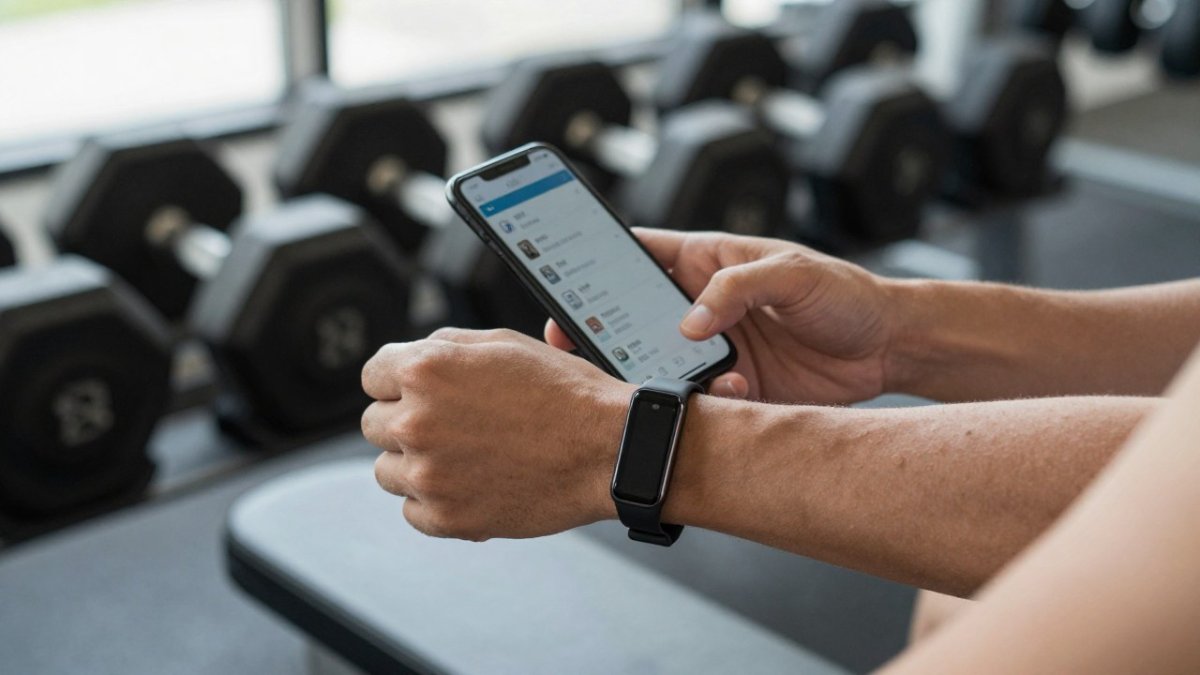
What most guides miss is that accuracy is not the point. The point is whether the data changes your behavior. Users of mobile apps or fitness trackers had nearly two times the odds of meeting aerobic physical activity guidelines, with an odds ratio of 1.91 (PMC study on fitness trackers and activity guidelines). The tracker did not get them fit. Seeing the number did.
Features that move the needle share one trait: they respond to your data. Adaptive programming, structured workout plans, progress tracking, and personalized reminders all qualify. Industry analysis from MyFitnessPal on premium app value points to automated tracking, data visualization, goal-based reminders, and recipe integration as the highest-value paid tools.
The ones that do not: badge collections, leaderboard gamification you ignore after week two, and endless video libraries. Gamification can support habit formation, but it is not the engine.
Pros of a well-chosen premium tier:
Cons to weigh honestly:
Watch out: paying for two apps that both log workouts means neither one owns your data, and your progress tracking becomes useless.
Best value comes down to one formula: cost per completed training week. Take your monthly subscription cost, divide it by the number of weeks you actually trained. A $15 app you use four weeks a month costs under $4 per training week. A $10 app you open twice costs $5 per session and delivers nothing. That is the ROI test, and it is brutal in the right way.
But cost per training week is only half the audit. The other half is feature usage. Most people pay for a premium tier and use two or three features. Run this feature audit before you renew:
If two or more of your paid features are never opened, you are overpaying for the tier.
Then run the renewal checklist:
Two or more "no" answers means cancel. For a deeper look at avoiding wasted recurring charges, read our breakdown of subscription supplement traps that waste your money.
Watch out: cancellation friction is real. Some apps require you to cancel through the app store rather than the app itself, and some auto-renew annually with a short refund window. Check the renewal terms before you sign up, and set a calendar reminder one week before the renewal date. Data ownership matters too, if you cancel, can you export your workout history? If not, you are renting your own progress. Export your logs before you cancel anything.
Premium features pay off for lifters who follow a structured program and need adaptation, and they waste money for anyone who trains on instinct. If you already show up four days a week, adaptive programming and progress tracking sharpen what you are doing. If you are still building the habit, a free app plus a written plan does the same job.
Best for: intermediate and advanced lifters chasing strength or body composition goals, and anyone whose schedule changes week to week. Skip if: you are brand new, you train with a coach in person, or you have canceled three apps in the last year.
If you want the full package, our TF Elite+ Membership bundles a training app with free workout plans, diet guides, fitness calculators, and member savings for $9.99.
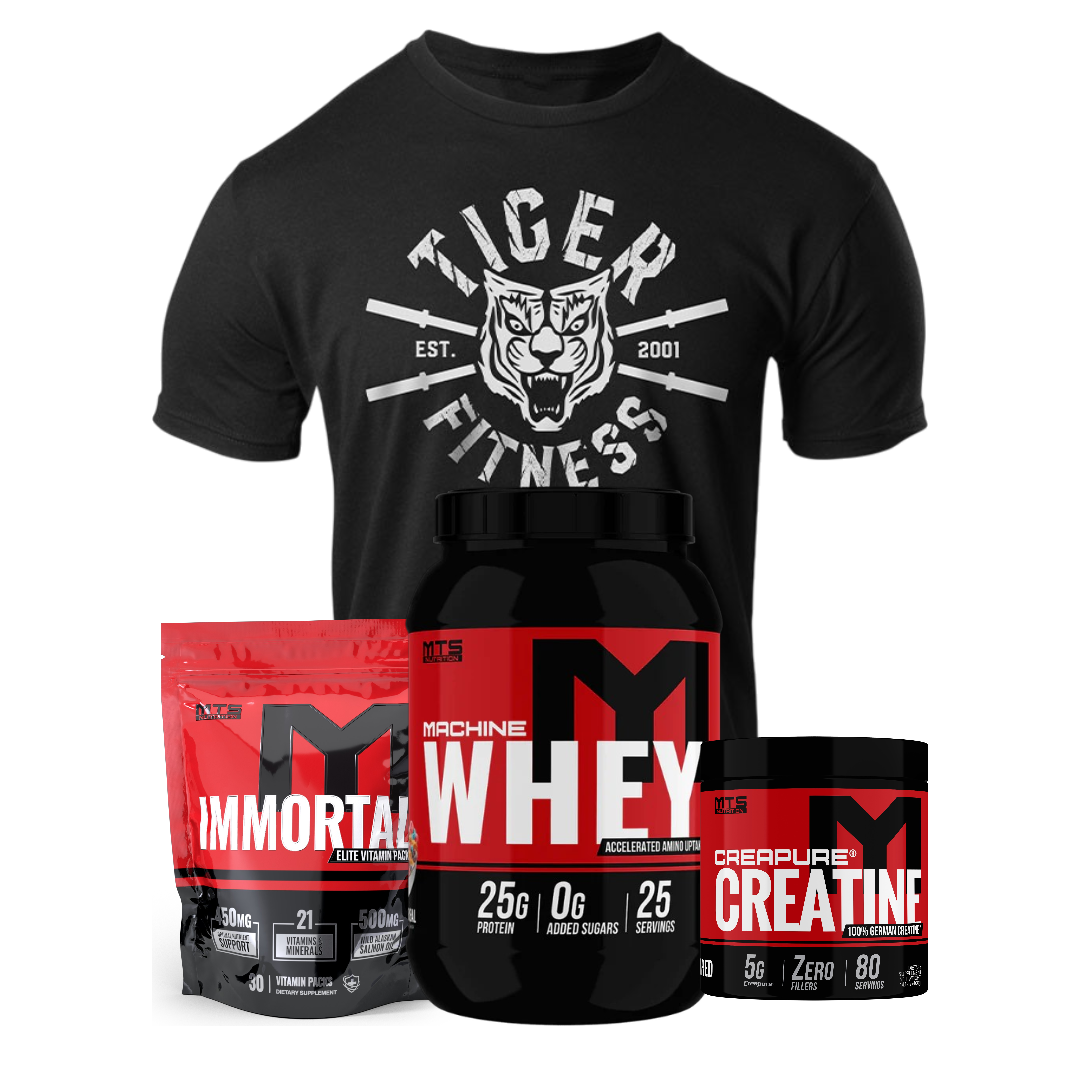
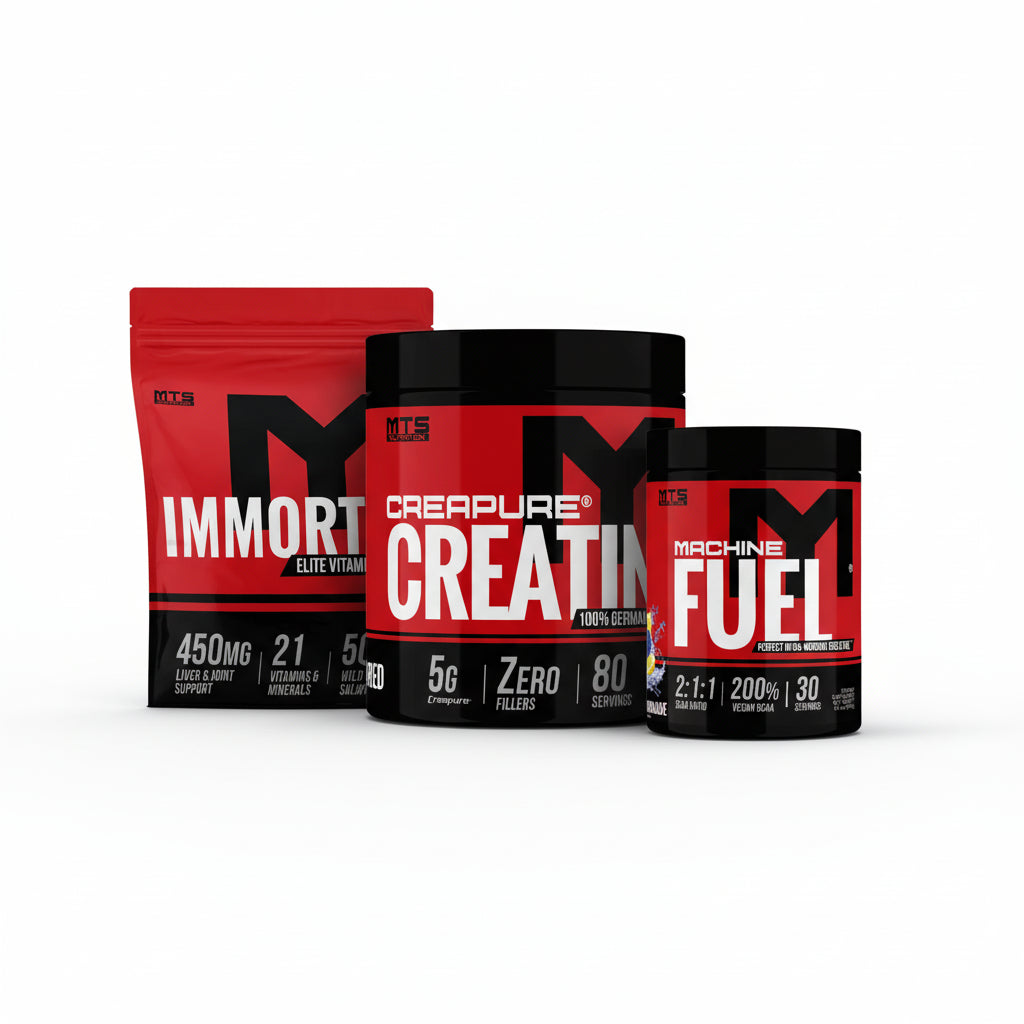
Building a training stack is about pairing one app with the supplements and structure that actually drive results, not collecting subscriptions. Pick one app that owns your programming and tracking. Add free tools where they fit: our fitness tools and calculators cover the numbers without a monthly fee. Then spend the rest of your budget on what builds muscle: protein, creatine, and consistency. The Ultimate Beginner Stack at $124.97 pairs Immortal, Machine Whey, and Creapure creatine to cover the basics, and the Total Nutrition Trio at $90.92 adds Machine Fuel for training energy. Pair a structured program with it, like the 8 Week Overreach Training Ebook, and you have a system instead of a pile of apps.
The truth is that no app has ever added a pound of muscle. It only makes consistent training easier to execute. Tiger Fitness gives you the tools to build that system: a training app, free workout plans, diet guides, and fitness calculators, plus supplements at the lowest prices with fast shipping. Get started with Tiger Fitness and turn your subscription into actual progress.
They can, but only if you use them consistently. Research has found that fitness apps can encourage lasting physical activity when used regularly. The catch is retention: many users drop off within the first month. The app itself isn't the magic bullet. The behavior change is. Premium fitness app features like adaptive programming and reminders help, but they only work if you show up.
It depends on which features you'll actually use. AI-driven personalization can improve retention compared to generic programming. But research suggests the engagement boost from upgrading to premium tends to fade over time. If you need structured exercise plans, progress tracking, and adaptive recommendations, the cost is justified. If you just need a timer and a log, a free version does the job.
Fitness app tracking accuracy varies by metric. Step counts and GPS distance are generally reliable on modern smartphones and wearables. Heart rate accuracy depends on the sensor and placement. Calorie burn estimates are the least precise because they rely on algorithms, not direct measurement. Research has linked the use of mobile apps and fitness trackers to higher odds of meeting aerobic activity guidelines. The tracking doesn't need to be perfect. It needs to be consistent enough to drive behavior change.
For basic activity tracking, yes. A free version can log workouts, count steps, and track calories. Where free vs paid fitness apps diverge is in personalization, adaptive programming, and data visualization. Premium features like AI recommendations and goal-based nutrition integration are what drive higher retention and adherence. If your fitness goals are simple, a free app works. If you need a structured training program that adjusts to your performance, premium is worth considering.
Track your usage for 30 days. If you're opening the app fewer than three times a week, cancel it. The best value fitness apps are the ones you actually use. Look for features that match your goals: strength training needs workout tracking and progressive overload, while weight loss needs calorie tracking and nutrition logging. Also check cancellation friction and data ownership before you commit. A premium fitness app should save you time and keep you consistent, not just look good in the app store.
{"one"=>"Select 2 or 3 items to compare", "other"=>"{{ count }} of 3 items selected"}







Leave a comment