







BCAA VS EAA FOR MUSCLE GROWTH BEGINNERS
BCAA vs EAA for Muscle Growth: What Beginners Need
Table of Contents
- What Are BCAAs and EAAs?
- Do BCAAs Actually Build Muscle?
- When to Take EAAs for Muscle Growth
- Best Amino Acid Supplements for Beginners
- The Leucine Threshold: What Beginners Miss
- BCAA vs EAA: Cost Per Serving vs. Whole Food Protein
- The Bottom Line for Beginners
- Frequently Asked Questions
Last Updated: September 25, 2026
What Are BCAAs and EAAs?
When discussing BCAA vs EAA muscle growth, you need to understand that both are amino acids. Your body uses them to build and repair muscle tissue. The difference between them matters more than most people realize, especially if you're just starting your muscle building journey.
Branched-chain amino acids (BCAAs) consist of three amino acids: leucine, isoleucine, and valine. They're called "branched-chain" because of their chemical structure. Your body cannot produce them, so you must get them from food or supplements. BCAAs make up roughly one-third of muscle protein, which is why they've become popular in the fitness industry.
Essential amino acids (EAAs) are all nine amino acids your body cannot synthesize on its own. This complete amino acid profile includes the three BCAAs plus six others: lysine, threonine, phenylalanine, tryptophan, methionine, and histidine. According to SupplementsWise's 2026 amino acid guide, EAAs provide a complete spectrum for muscle protein synthesis, whereas BCAAs provide only a partial one.
The Three Branched-Chain Amino Acids
Leucine is the star of the BCAA trio. It triggers the "on switch" for muscle protein synthesis. Isoleucine and valine support energy production during workouts and help reduce muscle breakdown during training.
Here's the reality: leucine alone can stimulate muscle protein synthesis, but only to a point. According to FitChef's clinical analysis, BCAA supplementation increased muscle protein synthesis by approximately 22% compared to a placebo. That sounds solid until you compare it to what complete protein sources deliver. The same research shows that BCAA supplementation efficacy is roughly half the response observed with whey protein.
Pro Tip If you're consuming adequate dietary protein, you're already getting BCAAs from whole foods. Chicken, beef, eggs, and dairy all contain all three BCAAs naturally. The question isn't whether you need them, it's whether supplementing them separately makes sense for your specific situation.
The Nine Essential Amino Acids
All nine EAAs work together. You cannot build muscle optimally without all of them. The six non-BCAA EAAs handle critical functions: lysine supports collagen production and joint health, phenylalanine influences neurotransmitter production for focus and motivation, and methionine aids detoxification and metabolism.
EAA or BCAA supplementation enhances muscle protein turnover, attenuates muscle breakdown during resistance training, and improves post-exercise recovery. But here's where it gets interesting: intravenous infusion of BCAAs alone may actually decrease muscle protein synthesis and protein breakdown, highlighting the need for a complete amino acid profile.
That's the key insight most beginners miss. BCAAs work best when paired with the other six essential amino acids. Standalone BCAA supplementation is incomplete.
Do BCAAs Actually Build Muscle?
BCAAs alone are not your best choice for muscle growth. This is the honest answer, backed by data.
BCAAs can stimulate muscle protein synthesis. The research confirms this. But the effect is limited compared to complete protein sources. You're getting roughly half the muscle-building response you'd get from whey protein for the same investment.
The real value of BCAAs has shifted. BCAAs are repositioned toward reducing fatigue and muscle soreness rather than primary muscle building. That's actually useful, BCAA supplementation effectively reduces muscle soreness. If your goal is recovery and reduced soreness between workouts, BCAAs deliver.
But if your primary goal is building muscle as a beginner, the data points elsewhere.
Watch Out A common mistake is treating BCAAs as a complete muscle-building supplement. They're not. If you're taking BCAAs and expecting significant muscle growth without adequate dietary protein intake, you're wasting your money. BCAAs only function as intended for muscle growth if the user simultaneously provides the remaining essential amino acids through diet or other supplements.
The contrarian viewpoint exists for a reason. Some practitioners argue that BCAAs are largely redundant for those consuming adequate protein.
Here's the practical truth: if you're eating enough protein from whole foods, you already have BCAAs covered. Supplementing them separately adds minimal benefit for muscle growth.
When to Take EAAs for Muscle Growth
Timing matters, but not the way most supplement marketing suggests.
EAAs work best when you take them around your training window. Pre-workout, intra-workout, or immediately post-workout all make sense. The goal is to have amino acids available when your muscles are primed for protein synthesis.
For beginners, post-workout timing is most practical. After your workout, your muscles are in an anabolic state. Consuming EAAs during this window supports muscle protein synthesis and recovery. Mix one scoop of an EAA supplement with 8-12 oz of water immediately after training.
Intra-workout use is also effective, especially during longer training sessions over 60 minutes. Sipping EAAs during your workout keeps amino acids available throughout the session, supporting endurance and reducing muscle breakdown in a catabolic state.
The timing debate often overshadows a more important point: consistency matters more than perfect timing. Taking EAAs daily, whether pre-, intra-, or post-workout, delivers better results than occasional use at the "perfect" time.
Key Takeaway For muscle growth, EAAs provide all nine essential amino acids required for muscle protein synthesis, whereas BCAAs provide only three. This complete amino acid profile makes EAAs the more comprehensive choice for beginners focused on building muscle.
Best Amino Acid Supplements for Beginners
Your choice depends on your budget, your dietary protein intake, and your specific goal: muscle growth or recovery.
Complete EAA Formulas
EAA supplements are your best bet for muscle growth. They provide all nine essential amino acids your body needs for optimal protein synthesis.
Nutrex EAA + Hydration delivers all nine EAAs plus electrolytes. The hydration component matters during intense training sessions. You get muscle recovery support plus electrolyte replenishment in one product. This is a solid entry point for beginners. Nutrex's performance recovery formula

Blackstone Labs EAA focuses on muscle growth and recovery without unnecessary additives. The formula includes electrolytes and is designed specifically for reducing muscle soreness while supporting protein synthesis.
Gaspari Proven EAAs is the premium option. It includes all nine EAAs, electrolytes, plus additional recovery-focused ingredients like L-taurine and L-glutamine.
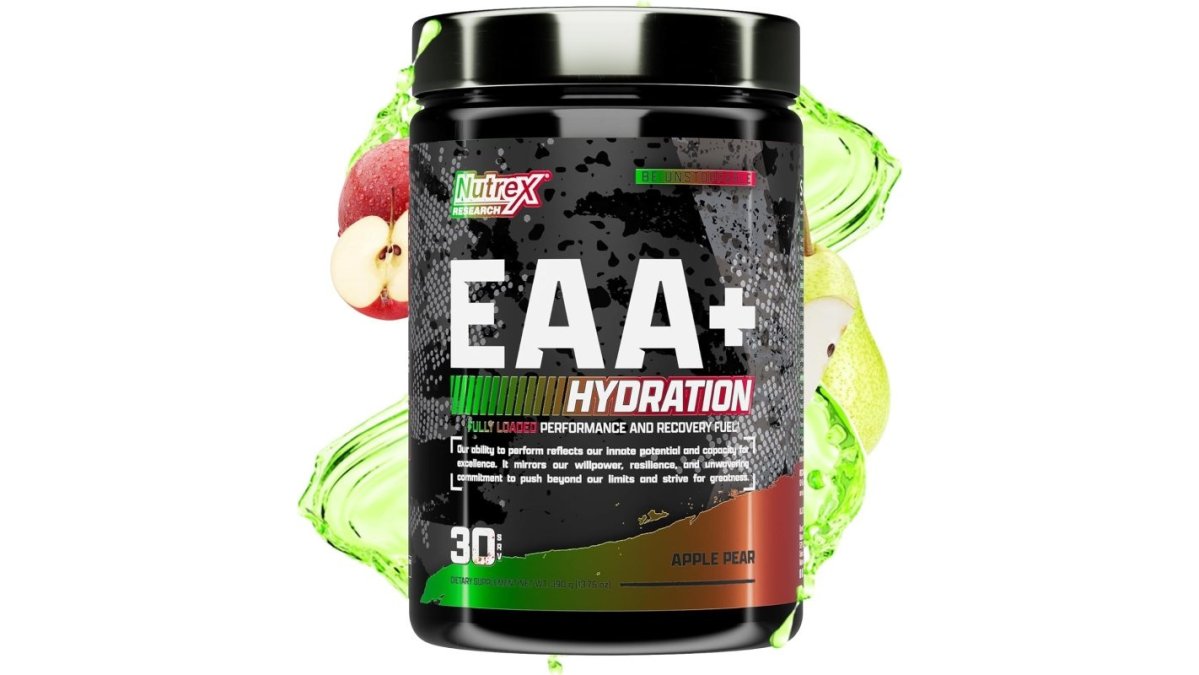
| Product | Best For | Key Feature |
|---|---|---|
| Nutrex EAA + Hydration | Budget-conscious beginners | Complete EAA + electrolytes |
| Blackstone Labs EAA | Muscle growth focus | All 9 EAAs, zero fillers |
| Gaspari Proven EAAs | Premium muscle support | EAAs + taurine + glutamine |
| BSN AminoX | BCAA/EAA blend | 10g amino blend, effervescent |
| USPLabs BCAA Supreme | Recovery and soreness | 15g BCAAs, 8:1:1 ratio |
BCAA-Focused Options
If your priority is reducing muscle soreness and you're already consuming adequate protein, BCAA supplements are worth considering.
BSN AminoX combines BCAAs with EAAs in a 10-gram amino acid blend per serving. This hybrid approach gives you some of the benefits of complete EAAs while keeping the cost reasonable. The effervescent formula mixes easily and tastes good, which matters for consistency.
USPLabs BCAA Supreme is a pure BCAA formula with 15 grams of amino acids per serving. The 8:1:1 leucine-to-isoleucine-to-valine ratio emphasizes leucine's muscle protein synthesis trigger.
The decision between EAA and BCAA formulas comes down to your situation. If you're eating 0.8-1 gram of protein per pound of bodyweight daily from whole foods, a BCAA supplement for soreness is reasonable. If your dietary protein intake is inconsistent or lower than optimal, an EAA supplement makes more sense.
The Leucine Threshold: What Beginners Miss
Leucine is the most important BCAA. It triggers muscle protein synthesis. But there's a threshold, a minimum amount needed to activate this response.
Research suggests you need approximately 2-3 grams of leucine per meal to maximize muscle protein synthesis. Most whole food protein sources contain enough leucine naturally. A chicken breast has roughly 2.5 grams. Three eggs contain about 2.2 grams. Whey protein powder delivers 2-3 grams per scoop depending on the brand.
Here's what beginners get wrong: they chase BCAA supplementation thinking it's a shortcut to muscle growth.
Pro Tip Calculate your daily protein intake. If you're consuming 0.8-1 gram per pound of bodyweight, you're hitting the leucine threshold multiple times daily through food. Additional BCAA supplementation for muscle growth becomes redundant. Your money is better spent on consistent whole food protein or complete EAA supplements if supplementation is your choice.
BCAA vs EAA: Cost Per Serving vs. Whole Food Protein
This is where the real decision gets made. Supplement cost versus whole food cost.
The Bottom Line for Beginners
Here's your action plan:
First, prioritize whole food protein. Chicken, beef, eggs, dairy, and legumes provide complete amino acid profiles at lower cost than supplements.
Frequently Asked Questions
Do I need BCAA if I take EAA?
No. EAA formulas contain all nine essential amino acids, including the three BCAAs (leucine, isoleucine, and valine). If you're taking a complete EAA supplement, adding a separate BCAA product is redundant and wastes money. The research is clear: EAAs provide a complete amino acid profile for muscle protein synthesis, making standalone BCAAs unnecessary when EAAs are already in your stack.
Does EAA increase muscle mass?
EAA supplementation supports muscle protein synthesis, which is the foundation for muscle growth. Clinical research confirms EAAs enhance muscle protein turnover and reduce muscle breakdown during resistance training. However, EAAs alone don't build muscle, you still need consistent training, adequate total protein intake (from food or supplements), and a caloric surplus or maintenance diet. EAAs are a tool that optimizes the recovery process, not a replacement for proper nutrition and training.
When should I take amino acid supplements for best results?
For muscle growth, timing matters less than total daily protein intake. That said, intra-workout and post-workout consumption of EAAs or BCAAs can support endurance and recovery. Mix one scoop with 8-12 oz of water during your workout or immediately after training. Many lifters also use amino supplements between meals to hit daily protein targets. Consistency across the day matters more than hitting a specific window.
Are amino acid supplements regulated by the FDA?
Amino acid supplements fall under the Dietary Supplement Health and Education Act (DSHEA). The FDA regulates them as dietary supplements, not as drugs. This means manufacturers are responsible for safety and labeling accuracy, but supplements don't undergo the same pre-market approval as pharmaceuticals. Look for third-party tested products to verify label claims and purity. Always check the ingredient list and verify the amino acid profile matches what's advertised.
Most beginners overthink amino acid supplementation. The real opportunity lies in mastering the basics: eating enough protein daily, training consistently, and recovering properly. Tiger Fitness provides free workout plans, diet guides, and fitness calculators to help you nail these fundamentals without guesswork. Get started with the right tools and track your progress with data, not hope.
Leave a comment