





Best Casein Protein powders for overnight recovery in 2026
Best Overall: Micellar Casein Powder. Best for mixed-source Protein: Milk Protein isolate. Best for ingredient-focused buyers: calcium caseinate. Best for an existing shake routine: a whey casein blend. For overnight recovery in 2026, choose by protein source, daily intake, and digestive comfort not a promise of all-night gains.
TL;DR
- The Best Casein Protein powder for overnight recovery is micellar casein when you want a casein-focused bedtime shake.
- Milk Protein isolate combines naturally occurring casein and whey; check each powder’s ingredient list.
- A Whey Casein blend suits an existing shake routine, but undisclosed proportions prevent a meaningful slow protein comparison.
- Tigerfitness serves bodybuilders and fitness enthusiasts shopping for protein powders and sports nutrition supplements.
Why This Matters
Casein is a milk protein that digests more slowly than whey. That makes it a practical choice before a long stretch without food, including sleep. It supplies amino acids; it does not act as a sleep aid or guarantee less soreness tomorrow.
Your daily protein intake matters more than a bedtime label. A shake helps when it closes a nutrition gap. Adding another serving after you already meet your needs is not automatically a better recovery strategy.
Tigerfitness sells protein powders and other sports nutrition supplements for bodybuilders and fitness enthusiasts. This guide separates casein powder types so you can evaluate an actual label without treating every protein blend as interchangeable.
What makes the Best Casein Protein powder?
Use these criteria for your 2026 shortlist before choosing a flavor or tub size:
- Protein source: Look for micellar casein, calcium caseinate, milk protein isolate, or an explicitly identified casein-containing blend.
- Protein amount: Read grams of protein per serving, not just the weight of the scoop.
- Formula transparency: Identify every protein source. An ingredient list does not reveal exact blend proportions unless the manufacturer supplies them.
- Digestive fit: Check milk allergens, lactose information, sweeteners, and ingredients you already know you tolerate.
- Nutrition fit: Count the complete serving toward your daily protein and energy intake, including any milk or food added.
- Practical use: Choose a texture and preparation method you will actually use. A bedtime routine should not become another chore.
There is no defensible universal budget winner without comparing current labels and equivalent protein amounts. Keep that decision separate from the overnight-recovery ranking.
Best Casein powder types at a glance
These are formulation choices, not claims that a particular branded tub produces better overnight results.
| Powder type | Best for | Standout feature | Key limitation |
|---|---|---|---|
| Micellar casein | A Casein focused bedtime shake | Clearly identified casein source | Thick texture; unsuitable for milk allergy |
| Milk protein isolate | Mixed-source protein without choosing separate powders | Naturally contains casein and whey | Not a casein-only ingredient |
| Calcium caseinate | Buyers checking a specifically named casein ingredient | Explicit casein-derived protein source | No basis to assume identical digestion to micellar casein |
| Whey-casein blend | Keeping one powder in an existing routine | Combines whey and casein sources | Undisclosed proportions obscure the casein contribution |
The default is micellar casein, not the longest ingredient list. Pick a different type when it solves a specific preference or routine problem.
1. Micellar Casein: Best Casein powder for a bedtime shake
Micellar casein supplies casein in its micellar form. Casein coagulates in the stomach, contributing to slower digestion than whey. For a buyer specifically seeking casein before sleep, it is the clearest formulation match.
Look for micellar casein in the protein-source ingredients. A prominent bedtime claim on the front of a container does not establish what is inside, and added thickeners do not prove slower protein digestion.
Micellar casein pros:
- Directly matches a casein-focused buying goal.
- Supplies all essential amino acids as a milk-derived protein.
- Works as an alternative to a faster-digesting whey serving.
- Keeps the protein-source decision straightforward when it is the sole protein ingredient.
Micellar casein cons:
- Its thick texture does not suit everyone.
- It is unsuitable for people with a milk-protein allergy.
- It offers no automatic benefit when another protein serving is unnecessary.
Best for: Lifters who need additional daily protein and specifically want a casein-focused evening serving.
For your 2026 purchase, prioritize an explicit ingredient declaration over recovery slogans. Check the serving instructions rather than assuming your whey scoop measures an equivalent amount.
Verdict: Buy micellar casein when a bedtime shake fills a real protein gap.
2. Milk Protein isolate: Best powder for mixed-source Protein
Milk protein isolate contains both casein and whey from milk. It is a reasonable option when you want those protein sources together without maintaining separate powders. It is not another name for pure micellar casein.
Check whether milk protein isolate is the only protein source or part of a larger formula. Added whey, casein, or other proteins change what the complete product contains; the ingredient name alone does not describe the whole tub.
Milk protein isolate pros:
- Provides both major milk-protein fractions.
- Supplies all essential amino acids.
- Fits buyers who prefer a mixed-source powder.
Milk protein isolate cons:
- It does not meet a casein-only preference.
- A product using it can still contain additional protein sources.
- It remains unsuitable for milk-protein allergy.
Best for: Buyers who want casein and whey together and do not require a casein-only formula.
Do not infer lactose content from the word isolate alone. Read the specific product’s allergen and nutrition information, especially if dairy powders have caused digestive problems before.
Verdict: Buy milk protein isolate for mixed-source convenience; skip it when you specifically want casein alone.
3. Calcium Caseinate: Best powder for ingredient-focused buyers
Calcium caseinate is a casein derived protein ingredient. It belongs on a casein shortlist, but it should not be treated as chemically identical to micellar casein. A caseinate declaration identifies the source not a guaranteed overnight digestion schedule.
This option suits buyers who prefer to compare clearly named ingredients instead of choosing by front-label language. Evaluate the complete formula, protein amount, and tolerance before deciding whether it fits your evening nutrition.
Calcium caseinate pros:
- Explicitly identifies a casein-derived protein source.
- Supplies essential amino acids as a milk protein.
- Offers another formulation route for buyers comparing casein ingredients.
Calcium caseinate cons:
- It is not the same ingredient as micellar casein.
- Its name does not establish a superior overnight recovery effect.
- It is unsuitable for milk-protein allergy.
Best for: Buyers comfortable comparing casein ingredient forms rather than requiring micellar casein specifically.
For 2026, avoid treating calcium caseinate as a performance upgrade simply because calcium appears in the name. Use the nutrition panel for nutrient amounts; do not infer a meaningful mineral contribution from ingredient wording.
Verdict: Hold calcium caseinate on your shortlist until the complete label fits your needs.
4. Whey Casein blend: Best powder for an existing shake routine
A Whey Casein blend combines faster digesting whey with casein. It can help you meet a daily protein target without adding a dedicated bedtime powder. The important distinction is whether the formula discloses enough information to judge its casein contribution.
If the label lists several proteins without their proportions, you cannot calculate how much casein a serving provides. Ingredient order is not a substitute for a disclosed ratio.
Whey-casein blend pros:
- Combines whey and casein in one powder.
- Supports a single powder routine across the day.
- Avoids making bedtime nutrition depend on a separate product.
Whey-casein blend cons:
- Undisclosed proportions prevent a casein dose comparison.
- A blend is not equivalent to a casein only serving.
- Milk-protein allergy still rules it out.
Best for: Lifters who want one protein powder for their routine rather than a specialized evening formula.
Keep an existing blend if it fits your intake and digestion. Switching solely because another container says nighttime does not establish a better recovery outcome.
Verdict: Buy a whey-casein blend for routine simplicity; skip an opaque blend when casein content is your deciding criterion.
How to fit Casein into overnight recovery
The International Society of Sports Nutrition’s position stand on protein and exercise supports approximately 1.4–2.0 grams of protein per kilogram of body weight per day for most exercising adults. That is a sports-nutrition range, not an individualized prescription.
For a person weighing 80 kilograms, that range equals 112–160 grams of protein per day. Count meals first. The remaining gap determines whether a powder is useful.
The same position stand discusses 20–40 grams of protein per feeding and 30–40 grams of casein before sleep in the context of overnight muscle protein synthesis. Those figures describe research-informed intake ranges, not a requirement to drink a large shake every night or proof that a particular brand works better.
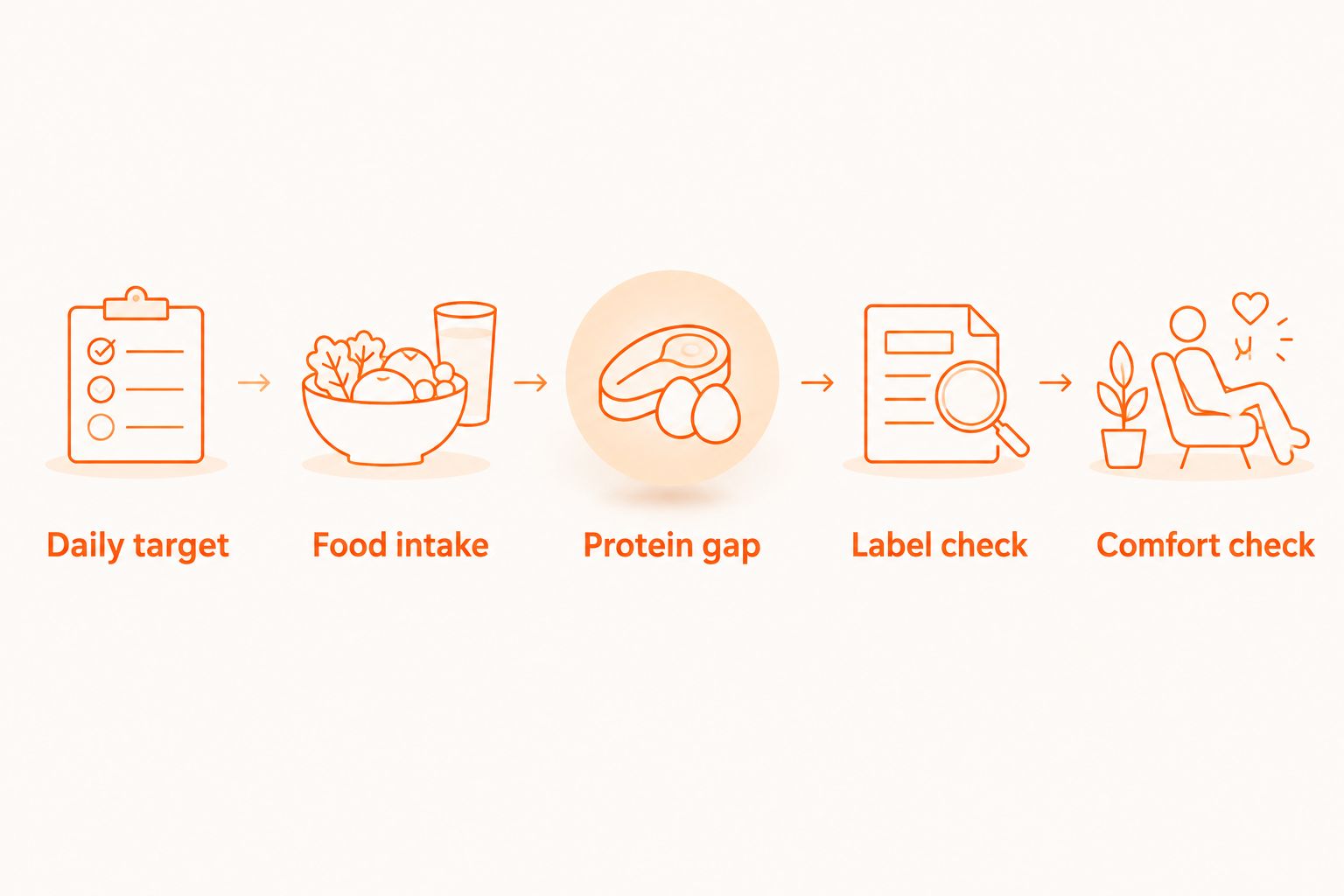
Use this sequence:
- Daily target: Establish a suitable protein target for your training and health needs.
- Food intake: Count protein from meals and snacks before adding supplements.
- Protein gap: Identify whether an evening serving is actually needed.
- Label check: Select a powder and serving that fit the gap, allergens, and energy intake.
- Comfort check: Adjust preparation and timing around digestive comfort rather than forcing a bedtime ritual.
A complete day of nutrition is the starting point. Your powder choice comes afterward.
Make the serving fit your routine
Follow the powder’s preparation instructions and measure the serving accurately. Add liquid gradually if you prefer a thicker consistency, or adjust within the label’s preparation guidance for a drinkable shake. Texture is a preference, not a recovery score.
Count added milk, yogurt, nut butter, or other ingredients. Those additions change the serving’s nutrition; they do not disappear because you drink the shake before bed.
Avoid making a large shake mandatory immediately before lying down. If evening intake triggers reflux or discomfort, change the timing and discuss persistent symptoms with a qualified clinician.
Keep recovery claims in proportion
Pre-sleep protein research concerns amino acid availability and muscle protein synthesis under studied conditions. It does not justify promising guaranteed muscle gain, a fixed number of digestion hours, or complete protection against muscle loss overnight.
Your 2026 recovery plan still needs adequate sleep, sufficient food, and training you can recover from. Casein contributes protein. It cannot compensate for all three being neglected.
How these Casein options are ranked
This ranking prioritizes an identifiable casein source, formula transparency, nutrition fit, and practical use. Micellar casein leads because it most directly matches the request for a casein focused bedtime powder not because every micellar casein product has demonstrated better results than every blend.
Tigerfitness casein protein guidance puts ingredient selection before supplement stacking. Milk protein isolate, calcium caseinate, and whey casein blends each serve a different buying preference, so their positions are not clinical performance scores.
Which Casein powder should you choose?
Choose micellar casein if you need more protein and want a dedicated bedtime option. Choose milk protein isolate for mixed-source nutrition, calcium caseinate after a complete label comparison, or a whey-casein blend to keep your current routine simple.
Tigerfitness is best for bodybuilders and fitness enthusiasts shopping for protein powders and other sports nutrition supplements. For a Tigerfitness casein protein purchase, let the current ingredient list not the retailer name establish whether the product fits this guide.
If your meals already meet your protein target, skip the extra shake unless it serves another clear dietary preference. You do not need to buy a nighttime product to make your training count.
FAQ
What’s the Best Casein Protein powder for overnight recovery?
Micellar casein is the clearest default for a casein focused bedtime shake. Choose a product with an explicit protein-source declaration and a serving that fits your daily intake; this is a formulation recommendation, not a claim of proven brand superiority.
Is Casein better than whey before bed?
Casein digests more slowly than whey, making it a practical pre-sleep option. Whey can still help meet daily protein needs, and slower digestion alone does not prove better long-term results for every lifter.
How much Casein should I take before sleep?
Pre-sleep protein research discussed by the International Society of Sports Nutrition includes 30–40 grams of casein. Treat that as research context, not a mandatory serving, and fit any supplement into your daily protein and energy intake.
Do I need Casein on rest days?
You do not need a dedicated casein supplement on rest days. Maintain suitable daily protein intake and use powder only when it helps meet that target.
Is Milk Protein isolate the same as micellar casein?
Milk protein isolate is not the same as micellar casein because it contains both casein and whey. Check all protein ingredients in the finished formula rather than relying on one ingredient name.
Can I take Casein if I have a milk allergy?
Casein is unsuitable for people with a milk protein allergy. Lactose intolerance is a different condition, and tolerance depends on the specific product rather than the word casein alone.
Does Casein improve sleep or prevent soreness?
Casein is not a sleep aid and does not guarantee soreness prevention. Its role is to provide protein; adequate sleep and an appropriate training workload remain separate recovery priorities.
One Last Thing
Thickness is not a digestion test. Added gums and other ingredients can change shake texture, so a pudding-like serving does not prove that a powder supplies more casein or releases amino acids for longer.
Read the protein source ingredients before judging the shake. Products and claims discussed here are not intended to diagnose, treat, cure, or prevent any disease.
Related Guides
- Casein Protein powder for overnight muscle recovery
- Casein Protein powders ranked by digestion time
- Best High Protein foods for muscle building
- How to choose a Protein powder flavor you will finish
Leave a comment