







BEST COLLAGEN SUPPLEMENTS FOR BONE DENSITY
Best Collagen Supplements for Bone Density
Table of Contents
- Does Collagen Improve Bone Density: What the Research Shows
- Collagen Supplements for Bone Density Comparison
- Best Type of Collagen for Bones
- How to Take Collagen Supplements for Bone Health
- Collagen Supplements for Osteoporosis: Complementary Support
- Key Nutrients That Work With Collagen for Bone Support
- Frequently Asked Questions
Last Updated: October 18, 2026
Does Collagen Improve Bone Density: What the Research Shows
Collagen is the most abundant protein in your body, making up nearly 70% of your skin and playing a critical role in bones, joints, tendons, and connective tissues. Here's the reality: as you age, your natural collagen production drops dramatically. This decline directly impacts bone mineral density, joint resilience, and recovery capacity.
The research on collagen and bone health is straightforward. A 2025 review published in Frontiers in Nutrition found that collagen-peptide supplementation, particularly when combined with calcium and vitamin D, was associated with continuous improvements in bone mineral density and bone-turnover measures. Research from UCLA Health on collagen peptides and bone density indicates that long-term supplementation with specific bioactive collagen peptides appears effective in counteracting losses in bone mineral density, especially in postmenopausal women with osteopenia and osteoporosis.
But here's what matters: collagen supplements should complement, not replace, established osteoporosis care. Screen My Bones clinical guidance is clear on this point, collagen is not a proven osteoporosis treatment. It works best alongside prescribed medication, calcium, vitamin D, and weight-bearing exercise.
At Tiger Fitness, we've analyzed the best collagen supplements for bone density to help you make an informed decision. The products we carry are formulated with specific collagen types backed by clinical research, not generic blends. Below, we'll break down what the science actually shows, which collagen types matter most, and how to use them effectively for bone support.
Key Takeaway Collagen peptides show promise for supporting bone mineral density when combined with calcium, vitamin D, and resistance training. The evidence is strongest for postmenopausal women and those with existing bone loss. Results take consistency, most studies tracked participants over 12 months or longer.
Collagen Supplements for Bone Density Comparison
When you're shopping for the best collagen supplements for bone density, you need to know what separates a product designed for bone support from one marketed for skin and hair alone.
The critical difference is collagen type. Type I and Type III collagen peptides are what your bones need. Type II targets cartilage. Type V and X support joint resilience. A quality bone-focused formula includes Types I and III in meaningful doses, typically 10-20 grams per serving.
Here's our breakdown of the top options available at Tiger Fitness:
| Product | Starting Price | Collagen Types | Best For |
|---|---|---|---|
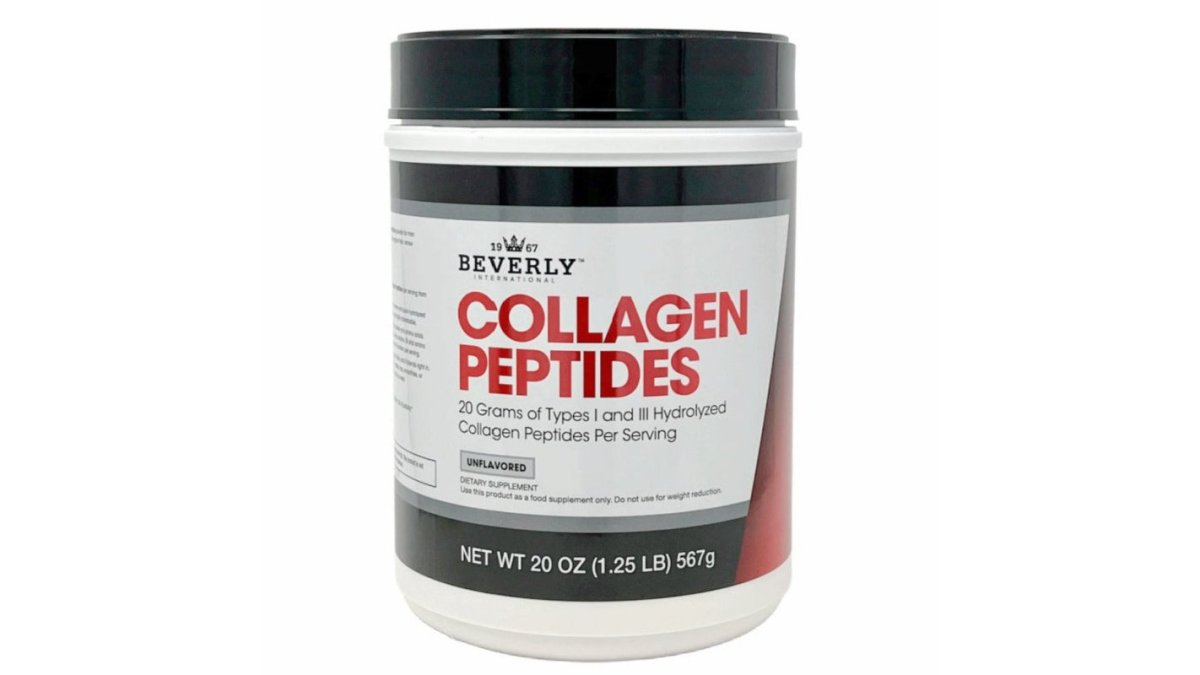
| Beverly Collagen Peptides | $41.59 | I, III | High-dose bone support |
| Core Collagen | $39.99 | I, III | Budget-conscious users |
| Panda Supps Multi Collagen | $34.99 | I, II, III, V, X | Multi-purpose joint & bone |
| MTS Collagen+ | $39.99 | Multi-source (5 types) + minerals | Athletes needing mineral cofactors |
| Cleanform Iron Feather | $39.99 | I, II, III, V, X | Lifters prioritizing recovery |
| Unmatched Collagen Peptide-6 | $54.99 | I, II, III, IV, V, X | Advanced longevity formula |
| Hi-Tech Pharma Collagen | $44.95 | Not specified | Traditional collagen users |
| BlackStone Collagen Peptides | $44.99 | Not specified | Joint-focused athletes |
| MuscleSport Café Series | $34.99 | I (grass-fed bovine) | Coffee drinkers seeking convenience |
| Spoken Grass-Fed Whey + Collagen | $82.95 | Added collagen + Tendoforte® | Athletes wanting whey + collagen blend |
The Beverly Collagen Peptides delivers 20 grams of Types I and III per serving, the highest dose in this lineup. That matters for bone density work. You're getting 18 grams of protein alongside the collagen peptides, which supports the amino acid profile your bones need.

If you're watching your budget, Core Collagen and Panda Supps Multi Collagen both start at under $40. Core focuses on Types I and III specifically, which is what bone research emphasizes. Panda's multi-type approach gives you broader connective tissue support if joint health is equally important.
MTS Collagen+ stands out because it includes key minerals and vitamin C, which is essential for collagen synthesis. This matters. Your body can't use collagen effectively without these cofactors.
For athletes, Cleanform Iron Feather and Unmatched Peptide-6 both include vitamin C and additional recovery ingredients. Unmatched goes further with hyaluronic acid, mitochondrial support (MitoPrime), and digestive enzymes. That's a premium formula for someone serious about longevity and comprehensive recovery.
Pro Tip Don't confuse collagen protein with collagen peptides. Collagen peptides are hydrolyzed, broken down into smaller molecules for absorption. Standard collagen powder doesn't absorb as well. Every product in this comparison uses hydrolyzed peptides, which is what the bone density research actually studied.
Best Type of Collagen for Bones
Type I collagen is your primary target for bone support. It makes up roughly 90% of your bone matrix, the structural foundation that holds minerals like calcium and phosphorus. Without adequate Type I collagen, your bones become brittle and fracture-prone, even if mineral density numbers look acceptable on a scan.
Type III collagen plays a secondary but important role. It provides elasticity and resilience to bone tissue. When Type III is deficient, bones become rigid and more susceptible to impact damage.
Here's what the research actually supports: Studies led by D. Zdzieblik on bioactive collagen peptides examined specific bioactive collagen peptides in people with osteopenia and osteoporosis. The results showed that long-term supplementation with Types I and III peptides appeared effective in counteracting losses in bone mineral density, particularly at the lumbar spine and femoral neck.
Type II collagen is cartilage-specific. It's valuable for joint health and can indirectly support bone by reducing inflammatory stress on joints, but it's not the primary driver for bone density improvement.
Types V and X are connective tissue support ingredients. They matter for overall structural integrity but aren't the focus of bone density research.
The takeaway: if bone density is your primary goal, look for products that emphasize Types I and III. Beverly Collagen Peptides and Core Collagen both prioritize these types. If you want broader connective tissue support alongside bone work, multi-type formulas like Panda Supps, MTS Collagen+, and Cleanform Iron Feather deliver that without sacrificing the Types I and III content.

Watch Out Don't assume all collagen peptides are created equal. Some manufacturers use lower-quality sources or don't hydrolize their collagen effectively. Look for grass-fed bovine sources (which appear in Beverly, Core, and MuscleSport formulas) or marine sources. Third-party testing matters, it confirms you're actually getting what the label claims.
How to Take Collagen Supplements for Bone Health
Consistency beats perfection. The bone density research shows results over 12 months or longer, so this isn't a quick fix. You need a daily habit that sticks.
Standard dosing is 10-20 grams of collagen peptides per day. Beverly Collagen Peptides delivers 20 grams per serving, that's a single-dose approach. Most others deliver 10-12 grams, meaning you could take one serving daily or split it into two smaller doses.
Timing doesn't matter as much as consistency. Morning coffee, post-workout shakes, smoothies, collagen peptides mix into anything. MuscleSport Café Series is specifically designed for coffee. Beverly and most others are unflavored, so they disappear into your beverage without changing taste.
The critical addition: take your collagen with vitamin C and calcium. Vitamin C is a cofactor for collagen synthesis, your body literally cannot use collagen without it. Most quality formulas include vitamin C (MTS Collagen+, Cleanform Iron Feather, Unmatched Peptide-6 all do).
Calcium intake matters equally. Collagen provides the structural matrix, but calcium fills it. You need 1000-1200 mg daily from food or supplementation. Dairy, leafy greens, and fortified foods count. If you're not hitting that target through diet, add a calcium supplement.
Resistance training amplifies results. If you're unsure how to structure your training program, use our FREE TOOLS & FITNESS CALCULATORS to design a resistance protocol that fits your schedule and experience level.
Hydration supports collagen function. Drink adequate water daily, aim for half your body weight in ounces as a baseline. Collagen works within a hydrated system.
Best For Postmenopausal women and anyone with diagnosed osteopenia or osteoporosis should combine collagen supplementation with physician-prescribed treatments, not as a replacement. Collagen is complementary support, not primary therapy.
Collagen Supplements for Osteoporosis: Complementary Support
If you have osteoporosis or osteopenia, collagen supplements can support your existing treatment plan, but they are not a substitute for medical care.
Osteoporosis is a disease of bone mineral loss and deterioration. It requires medical intervention, typically bisphosphonates, hormone therapy, or other prescription medications depending on your specific situation. Your doctor determines your treatment based on bone density scans (DEXA), fracture history, and risk factors.
Collagen's role is complementary. It supports the structural integrity of bone tissue alongside your prescribed treatment. Think of it this way: medication addresses mineral density; collagen addresses the protein matrix that holds those minerals in place.
The research on collagen for osteoporosis is encouraging but limited. Studies involved women with osteopenia and osteoporosis taking collagen peptides alongside calcium and vitamin D. Results showed improvements in bone turnover markers and, in some cases, measurable increases in bone mineral density. But these studies were relatively small, and results varied.
Here's what matters: collagen works best when combined with the full protocol, medication (if prescribed), calcium, vitamin D, weight-bearing exercise, and resistance training. Collagen alone won't reverse osteoporosis. Collagen as part of a comprehensive approach supports your overall bone health strategy.
If you're considering collagen supplementation for osteoporosis, discuss it with your physician first. Make sure it doesn't interact with your current medications. Then add it to your routine consistently.
MTS Collagen+ is particularly useful here because it includes calcium and magnesium alongside the collagen peptides and vitamin C. You're getting multiple bone-support ingredients in one product. Unmatched Peptide-6 adds hyaluronic acid for joint lubrication, which indirectly reduces inflammatory stress on bones.
Key Nutrients That Work With Collagen for Bone Support
Collagen doesn't work in isolation. Your body needs specific cofactors to synthesize, absorb, and use collagen effectively.
Vitamin C is non-negotiable. It's a required cofactor for collagen cross-linking, the chemical process that makes collagen structurally sound.
Calcium is the mineral your bones need. Collagen provides the matrix; calcium fills it. Aim for 1000-1200 mg daily from food sources first (dairy, leafy greens, fortified foods, sardines with bones).
Vitamin D regulates calcium absorption and bone remodeling. Most people are deficient, especially in winter months. Target 1000-2000 IU daily, or get your levels tested and supplement based on results.
Magnesium supports bone mineralization and works synergistically with calcium. Target 300-400 mg daily. Many collagen formulas include magnesium. Leafy greens, nuts, and seeds are food sources.
Protein overall matters. Your bones are made of protein.
Resistance Training isn't a nutrient, but it's essential. Weight-bearing and resistance exercise stimulate bone remodeling and make supplementation more effective. Three sessions per week of strength training provides meaningful stimulus.
The synergy is real. Collagen + vitamin C + calcium + vitamin D + magnesium + resistance training creates an environment where bone health improves. Skip any one component, and results diminish.
Choosing the best collagen supplements for bone density means understanding what the research actually shows and building a complete protocol around supplementation.
But here's the reality: the supplement is only one piece. Add resistance training, ensure adequate calcium and vitamin D intake, and maintain consistency before expecting measurable changes. Bone density improvements take time.
At Tiger Fitness, we stock every collagen formula listed here at the lowest prices with fast shipping.
Frequently Asked Questions
Can collagen supplements actually improve bone density?
Research shows collagen peptides, especially when combined with calcium and vitamin D, are associated with improvements in bone mineral density and bone-turnover measures. A 2021 study found that specific bioactive collagen peptides appeared effective in counteracting bone mineral density losses in women with osteopenia and osteoporosis. However, collagen is not a proven treatment for osteoporosis and should complement, not replace, prescribed medications, calcium, vitamin D, and weight-bearing exercise.
What type of collagen is best for bones?
Type I and Type III collagen peptides are most relevant for bone support. Type I collagen is crucial in bones, tendons, and connective tissues. Type II collagen supports cartilage and joint integrity. For bone density specifically, look for hydrolyzed collagen peptides.
How much collagen should I take daily for bone health?
Clinical guidance suggests 5-10 grams of collagen peptides per day. Most research studies showing bone-related benefits used daily supplementation over several months. Consistency matters more than dosage spikes. Look for products with 10 grams or more of collagen per serving, and pair it with calcium (1,000-1,200 mg daily) and vitamin D for optimal bone support.
Can I take collagen supplements if I have osteoporosis?
Collagen supplements may support bone health alongside standard osteoporosis care, but they should not replace prescribed medications or medical supervision. Consult your doctor before adding collagen to your routine, especially if you take bone health medications or have digestive issues. Weight bearing exercise, adequate calcium and vitamin D intake, and medical treatment remain the foundation of osteoporosis management.
Leave a comment