
NEW NULLA BAR FLAVORS
In-Stock Now!

Last Updated: October 16, 2026
Protein is non-negotiable when your body needs to rebuild.
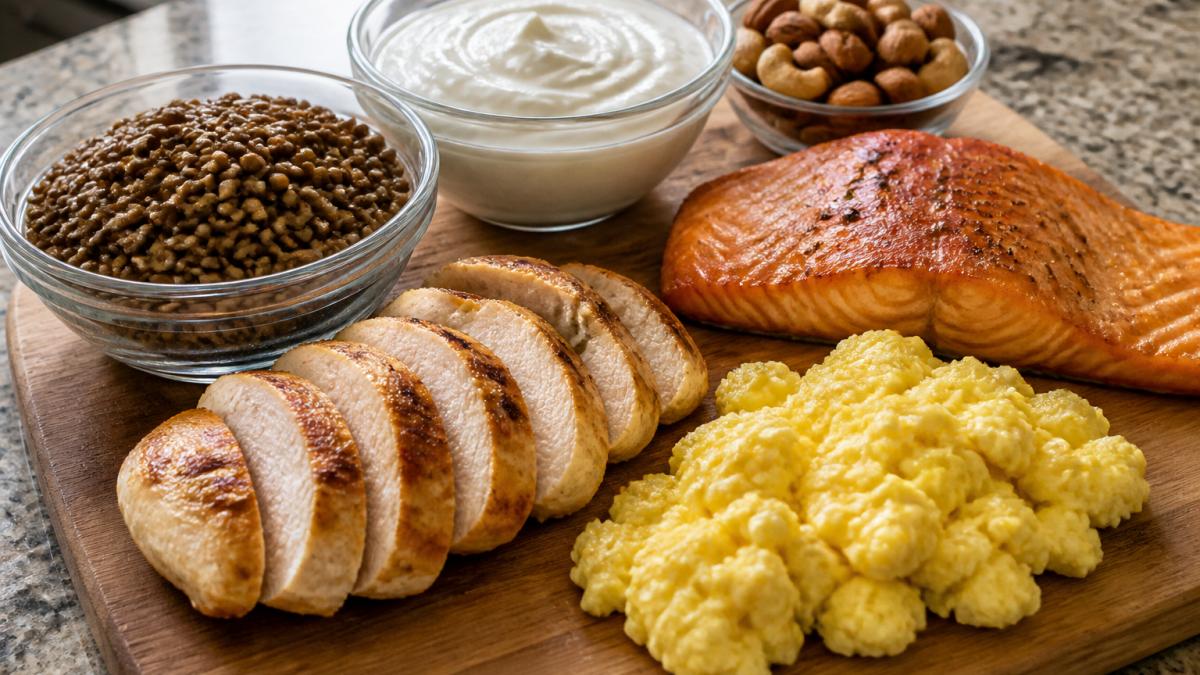
Here's the reality: wound healing and tissue repair are metabolically expensive processes. Your body demands more protein during recovery than it does during normal daily life.
At Tiger Fitness, protein isn't optional, it's foundational. The best protein sources for tissue repair combine high amino acid content with bioavailability, so your body can actually absorb and use them.
Animal proteins deliver all nine essential amino acids your body cannot produce on its own, the gold standard for tissue repair.
A 3-ounce serving of lean beef delivers roughly 25 grams of protein plus iron, zinc, and B vitamins, all critical for wound healing and tissue synthesis.
Fish adds omega-3s on top of complete protein, supporting inflammation management. Chicken and turkey are leaner options if you're managing calories while maximizing protein density.
Eggs are among the most bioavailable protein sources.
Greek yogurt delivers 15-20 grams of protein per serving plus probiotics that support gut health, critical during recovery when digestion impacts nutrient absorption.
Milk provides casein and whey in one package. Casein digests slowly, ideal before bed when your body conducts most tissue repair. Whey absorbs rapidly, optimal post-workout.
Plant proteins absolutely support tissue repair, but you have to be smarter about how you eat them. Here's the no-BS breakdown.
Lentils and beans deliver 15-18 grams of protein per cooked cup plus fiber that stabilizes blood sugar during recovery. Pair them with grains to create a complete protein.
Tofu scored highest among plant-based proteins assessed in recent protein quality analysis, delivering complete amino acid profiles comparable to animal sources (Frontiers in Sustainable Food Systems protein quality study).
Nuts and seeds contribute protein alongside healthy fats that reduce inflammation.
Plant proteins are generally lower in digestibility and leucine, the amino acid that triggers muscle protein synthesis, than animal proteins. If you're plant-based and recovering, you need more total protein, not the same amount.
A practical target: aim for 1.6-2.2 grams of protein per kilogram of body weight daily during active recovery, and push toward the higher end if you're relying solely on plant sources.
Stack these across the day: tofu scramble with hemp seeds at breakfast (25 g), lentil soup with whole grain bread at lunch (25 g), tempeh stir-fry with edamame at dinner (35 g), and a soy milk smoothie with peanut butter as a snack (20 g). That's over 100 grams before you've even tried.
You don't need to obsess over combining at every meal, your body maintains an amino acid pool across the day. Anchor each meal with a legume or soy food and add a grain or seed: rice and beans, hummus and whole wheat pita, tofu and quinoa. These combinations cover the essential amino acid gaps individual plant foods leave.
The core difference is amino acid completeness and absorption speed.
Plant proteins often lack one or more essential amino acids in sufficient quantity, lysine is frequently the limiting one.
Bioavailability matters. Your body absorbs animal protein more efficiently than plant protein, chicken delivers usable amino acids faster than an equivalent amount of lentils.
The practical reality: if you're serious about recovery, animal proteins offer a shortcut.
Standard recommendations suggest 0.8 grams of protein per kilogram of body weight daily for sedentary adults. During wound healing and tissue repair, requirements increase substantially to synthesize new tissue.
Recovery from injury or surgery typically requires 1.5-2.0 grams of protein per kilogram of body weight daily.
Individual needs vary by injury severity, age, and activity level. Older individuals often require more protein to maintain muscle mass during recovery.
The mistake most people make: they eat their normal protein amount and wonder why recovery stalls. Use our FREE TOOLS & FITNESS CALCULATORS to dial in your exact protein requirements based on your body weight and recovery goals.
Recovery isn't about occasional high protein meals. It's about consistent, adequate protein at every eating opportunity, adjusted for the tissue you're repairing.
Not all tissue repair is the same. A surgical incision, a burn, a fractured bone, and a strained muscle all demand protein, but the specifics differ.
Distribute protein evenly across breakfast, lunch, dinner, and snacks to maximize muscle protein synthesis rather than loading it into one meal. Breakfast: 25-35 grams. Lunch and dinner: 30-40 grams each. Snacks: 15-20 grams. This keeps amino acid availability constant, supporting continuous tissue repair.
Here's how protein distribution looks across a real day:
Breakfast: 3 whole eggs plus 2 slices of whole grain toast = 18 grams protein
Mid-morning snack: Greek yogurt (1 cup) = 20 grams protein
Lunch: 5-ounce grilled chicken breast plus brown rice = 35 grams protein
Afternoon snack: Peanut butter (2 tablespoons) on apple = 8 grams protein
Dinner: 6-ounce salmon plus sweet potato and broccoli = 40 grams protein
Evening snack: Cottage cheese (1 cup) = 28 grams protein
Total: approximately 150 grams of protein distributed across six eating occasions.
The biggest barrier to hitting protein targets isn't knowledge, it's reality. Poor appetite after surgery, chewing difficulty, nausea from medication, dietary restrictions, or budget constraints can all tank your intake.
Practical workarounds:
Most healthy adults can meet recovery protein needs through food alone. But with significant wounds, major surgery, burns, or a diagnosed condition affecting healing, a registered dietitian or clinician should guide your intake. Signs you need professional input: unintentional weight loss, wounds that aren't healing, difficulty eating for more than a few days, or kidney disease.
Whole food should form the foundation of your protein intake.
For joint health alongside tissue repair, collagen supplements provide specialized support.

For convenience on the go, Ostrim Grass-Fed Beef Sticks provide lean protein to support muscle recovery, energy, and satiety in a shelf-stable format.
The reality: supplements are tools, not magic. They work because they deliver protein efficiently.
Protein is essential but not sufficient alone.
Zinc supports immune function and tissue repair. Oysters, beef, pumpkin seeds, and legumes provide zinc.
Iron carries oxygen to healing tissues. Red meat, spinach, and fortified cereals deliver iron.
Calories matter. Recovery is metabolically expensive, and undereating while increasing protein creates a net deficit that impairs healing.
| Nutrient | Function in Tissue Repair | Best Sources |
|---|---|---|
| Protein | Builds new tissue and muscle fibers | Meat, fish, eggs, dairy, legumes |
| Vitamin C | Enables collagen synthesis | Citrus, berries, peppers, broccoli |
| Zinc | Supports immune function and healing | Oysters, beef, seeds, legumes |
| Iron | Delivers oxygen to healing tissues | Red meat, spinach, fortified grains |
| Calories | Fuels the repair process | All food sources in adequate quantity |
Recovery demands precision. You cannot shortcut tissue repair with inconsistent protein intake or suboptimal nutrient timing.
At Tiger Fitness, we provide the supplements and guidance to support your recovery. Access our FREE TOOLS & FITNESS CALCULATORS to dial in your exact protein requirements based on your body weight and recovery goals.
The amount depends on your body weight and activity level. For general recovery, aim for 0.8-1.0 grams of protein per pound of body weight daily. If you're rebuilding muscle after injury, 1.0-1.2 grams per pound supports faster tissue repair. A 180-pound person recovering from injury should target 180-216 grams daily. Spread protein across meals rather than loading it all at once, which improves amino acid uptake and supports continuous tissue synthesis.
Animal proteins contain all nine essential amino acids in optimal ratios and absorb more efficiently. Plant-based proteins often lack one or more essential amino acids and require higher volumes to match animal protein's tissue-building power. Recent research shows plant-based proteins rank lower in bioavailability for muscle repair. For injury recovery, animal sources (meat, fish, eggs, dairy) deliver faster results. Plant proteins work well as part of a mixed diet but shouldn't be your only source if tissue repair is the goal.
Quality protein supplements deliver amino acids efficiently and work well for post-workout recovery and convenience. Whey protein, collagen peptides, and egg protein powders all support tissue repair. However, whole foods provide additional micronutrients, fiber, and satiety that supplements alone don't offer. The best approach combines whole food sources with supplements when whole foods aren't practical. For example, a protein shake with collagen peptides after training supports recovery, but your meals should still feature meat, fish, eggs, and legumes.
Vitamin C drives collagen synthesis and wound closure. Zinc supports immune function and protein metabolism during recovery. Vitamin A promotes cell growth and skin repair. Iron carries oxygen to healing tissues. Calories matter too, your body needs extra energy to rebuild damaged tissue. Eat nutrient-dense whole foods: citrus fruits and berries for vitamin C, oysters and beef for zinc, sweet potatoes for vitamin A, and lean red meat for iron. Calorie restriction during recovery slows healing, so eat at maintenance or slightly above.
Lean beef, chicken, and fish deliver complete amino acid profiles and micronutrients essential for repair. Eggs contain all nine essential amino acids plus choline for tissue function. Greek yogurt and cottage cheese provide casein protein, which releases slowly and supports overnight recovery. Collagen-rich bone broth and collagen supplements directly supply the structural proteins your skin, joints, and connective tissue need. Plant options like lentils and tofu help but work best combined with animal sources for maximum repair support.
{"one"=>"Select 2 or 3 items to compare", "other"=>"{{ count }} of 3 items selected"}






Leave a comment