
Pick This Year's Olympia T-Shirt

Last Updated: August 19, 2026
A supplement stack is a combination of two or more supplements taken together to target specific health goals synergistically. Instead of relying on a single multivitamin, stacking allows you to address multiple physiological pathways, muscle recovery, energy production, cardiovascular health, cognitive function, with precision-targeted ingredients.
The difference between a random collection of pills and a real stack comes down to synergy. When you combine creatine monohydrate with protein and beta-alanine, you're not just adding ingredients. You're supporting ATP regeneration, muscle protein synthesis, and lactic acid buffering in a coordinated way. The components work together. That's the whole point.
According to the National Health and Nutrition Examination Survey (NHANES) 2026 analysis, supplement use among adults climbed from 51% in 1999 to 60% by 2023, with the fastest growth in targeted, condition-specific formulations rather than broad spectrum multivitamins. The proportion of adults using four or more supplements increased from 10.0% in 2011-2012 to 16.2% in 2021-2023. People aren't just taking vitamins anymore, they're building stacks.
The market data backs this up. The U.S. dietary supplement market reached $69.3 billion in 2024, growing 5.2% year-over-year, with sports nutrition driving the largest growth at 8.4% annually. That growth isn't coming from generic multivitamins. It's coming from athletes and health-conscious individuals who understand that a thoughtful stack beats guessing.
Your stack starts with the fundamentals. Without covering basic micronutrient gaps, everything else you add is working against a deficit. Most people are deficient in at least one essential vitamin or mineral, the research makes that clear.
According to GrassrootsHealth analysis of NHANES data, nearly two-thirds of Americans have insufficient vitamin D levels, with 2.6% severely deficient, 22% moderately deficient, and 40.9% insufficient. Only 34.5% of the population maintains sufficient levels. If you're training hard and not supplementing vitamin D3, you're fighting biology.
Multivitamin mineral supplements remain the most commonly consumed supplement type. According to the NHANES survey, 24.0% of men and women aged 20-39 years take a multivitamin, 29.8% of those aged 40-59 years, and 39.4% of those aged 60 and over. The numbers tell you something important: as people get older and more serious about health, they add foundational vitamins.
But here's where the market is shifting. Multivitamin multimineral (MVMM) use declined from 35% to 31% between 1999 and 2023, while standalone vitamins, minerals, and botanicals all increased. People are moving away from the "one pill does everything" approach toward targeted micronutrient support. That's smarter. A generic multivitamin at a low dose spreads its resources too thin. Targeted supplementation lets you dose each nutrient appropriately.
:::pro Start with a solid multivitamin as your base, but don't stop there. Add standalone supplements for the micronutrients you're actually deficient in. Test if you can, bloodwork takes the guesswork out. :::
Vitamin D3 is the foundation of immune function, bone density, and muscle performance. Calcium is useless without it, D3 drives calcium absorption. But calcium also needs K2 to ensure it deposits in bones instead of arteries. This is a three-part system, not three separate supplements.
Core Nutritionals Vitamin D3 + K2 combines both in one formula, eliminating the need to source them separately. If you're training hard and not getting 20+ minutes of direct sunlight daily, you need this.
The dose matters. Most research on D3 benefits uses 1,000-4,000 IU daily for maintenance, with higher doses for deficiency correction. Check your actual levels if possible, 42% of adults are deficient, and supplementation without testing is like throwing darts in the dark.
B vitamins are cofactors in nearly every metabolic process. B6, B12, and folate specifically support energy production, homocysteine metabolism, and nervous system function. If you're training hard and eating in a caloric deficit, B-complex becomes even more critical.
The MTS Nutrition Immortal includes a full B-complex with bioavailable forms. It also includes ingredients like CoEnzym Q10, Resveratrol, & Red Yeast Powder, which support cellular health, and antioxidant protection, two things that matter when you're pushing volume in the gym.

Bioavailability is the word nobody talks about but should. A synthetic B12 cyanocobalamin is cheaper but less absorbable than methylcobalamin. The MTS Immortal formula uses methylated forms, which means your body actually uses what you're taking. That's the difference between a supplement that works and one that becomes expensive urine.
Omega-3 fatty acids reduce inflammation, support cardiovascular health, and improve joint mobility. For athletes, they're non-negotiable. The research is consistent: EPA and DHA from fish or krill oil reduce triglycerides, improve arterial health, and support recovery.
The U.S. omega-3 market generated $732.3 million in revenue in 2023 and is expected to reach $1.217 billion by 2030, growing at a 7.5% compound annual growth rate. That growth reflects what athletes already know, omega-3s work.
NOW Foods Krill 1000 delivers 1,000 mg of krill oil per softgel with naturally occurring astaxanthin, a potent antioxidant. Krill oil's omega-3s are phospholipid-bound, which may enhance absorption compared to standard fish oil. The astaxanthin adds an extra layer of antioxidant protection, reducing exercise-induced oxidative stress.
Dosing: 1,000-2,000 mg daily of combined EPA and DHA is the standard recommendation. Take it with a meal containing fat to maximize absorption. Krill oil is more expensive than standard fish oil, but the bioavailability argument is legitimate.
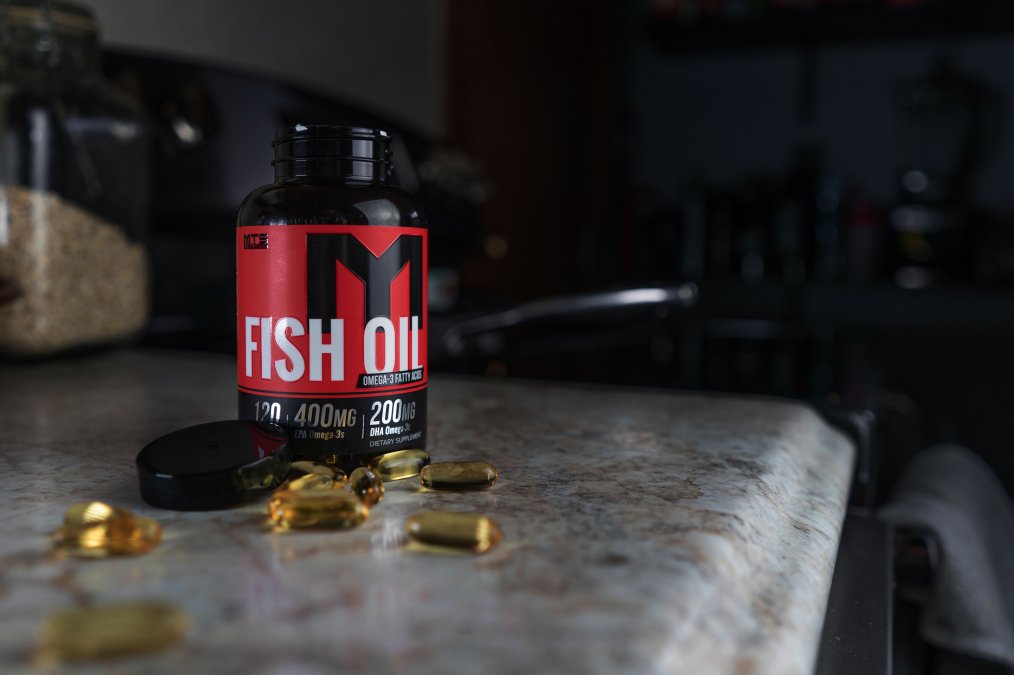
Magnesium is involved in over 300 enzymatic reactions in the body. It supports muscle relaxation, sleep quality, nervous system function, and stress response. Most people are deficient; magnesium is one of the few supplements that almost everyone benefits from adding.
The problem is absorption. Standard magnesium oxide is cheap but poorly absorbed and causes digestive upset. Magnesium glycinate is bound to the amino acid glycine, which improves both absorption and tolerability. It's more expensive, but you actually absorb it.
NOW Foods Magtein Magnesium uses magnesium L-threonate, a patented form specifically designed to cross the blood-brain barrier and support cognitive function and memory. This is different from standard magnesium glycinate, it's formulated for brain health. If you're stacking for longevity and cognitive performance, this is your magnesium choice.
Dosing: 300-400 mg daily for general health, split into two doses if possible. Magnesium is calming and works best taken in the evening. It also improves sleep quality, which is where most of your recovery happens.
No supplement stack replaces adequate protein intake. You can take every amino acid supplement on the market, but if you're not eating 0.8-1.0 grams of protein per pound of bodyweight daily, you're not building muscle. Period.
The U.S. protein supplements market was estimated at $1.90 billion in 2022 and is expected to grow at 7.8% annually through 2030. That growth reflects the simple reality: athletes need protein, and supplemental protein is convenient.
Whey protein isolate is the gold standard. It's fast absorbing, complete in amino acid profile, and cost-effective. Aim for 25-40 grams per serving, taken post-workout or between meals to hit your daily total. If you're lactose intolerant, isolate is better tolerated than concentrate.
The macronutrient foundation matters more than any micronutrient supplement. You can't out-supplement a bad diet. Get your protein, carbs, and fats right first. Then layer in the stack.
Creatine monohydrate is the most studied supplement in sports science. It works. The mechanism is simple: creatine phosphate buffers ATP regeneration in muscles, allowing you to produce more force for longer before fatigue sets in.
According to Cedars-Sinai Sports Medicine research, creatine monohydrate, the most commonly studied form, supports physical function and overall health beyond just athletic performance. The research spans decades with consistent results: 3-5 grams daily increases strength, power output, and muscle mass.
The U.S. creatine market is embedded within the broader sports nutrition segment, which grew 8.4% in 2024 alone. Creatine is foundational for anyone serious about strength training.
Dosing: 5 grams daily, every day. No loading phase needed; it takes 3-4 weeks to saturate muscle tissue, but you get there with consistent dosing. Creatine pulls water into muscle cells, so drink more water. Some people experience mild water retention; it's temporary and not fat gain.
Side effects are minimal. Creatine doesn't damage kidneys in people with healthy baseline kidney function. If you have existing kidney disease, consult your doctor. For everyone else, it's safe and effective.
If you're building a stack for overall health and longevity, you're thinking beyond the next 12 weeks of training. You're thinking about 30 years of health. That changes what you prioritize.
The longevity supplement market is exploding. Compounds like NAD+ precursors, resveratrol, and spermidine are gaining traction based on emerging research into cellular aging and mitochondrial health. The data is still developing, but the direction is clear: targeting cellular energy and antioxidant defense extends healthspan.
Oxidative stress accumulates over time. Free radicals damage cellular machinery, accelerate aging, and impair recovery. Antioxidants neutralize free radicals. The research supports this mechanism, though the practical benefit varies by individual.
Unmatched Longevity Multi+ includes Setria Glutathione, MitoPrime, and Yuth Spermidine, compounds targeting cellular wellness and antioxidant defense. It also includes omega-3s, probiotics, joint support, and liver support in convenient daily packs. It consolidates a multi-bottle stack into one.

NAD+ levels decline with age. NAD+ precursors like NMN and NR are being studied for their role in cellular energy production and longevity. The human data is still limited, but the mechanism is sound. If you're 40+, NAD+ support is worth considering.
Your liver is your detoxification engine. It processes everything you eat, drink, and supplement. If you're taking a lot of supplements or dealing with environmental toxins, liver support makes sense.
5% Nutrition Liver & Organ Defender combines milk thistle, NAC, and other hepatoprotective compounds. Milk thistle has centuries of traditional use and emerging research supporting its role in liver health. NAC is a precursor to glutathione, your body's master antioxidant.
Dosing: Follow label directions. Liver support is best taken consistently, not sporadically. Think of it as maintenance, not emergency intervention.
Not all supplements are created equal. The industry is largely unregulated at the manufacturing level, which means quality varies wildly. Some companies cut corners on ingredient quality, dosage accuracy, or contamination testing. Others don't.
Third-party testing is non-negotiable. NSF Certified for Sport, Informed Choice, and USP verification all indicate that a product has been independently tested for label accuracy and contaminants. If a supplement doesn't have one of these certifications, ask why.
Check the ingredient list, not just the label claims. Look for:
Read reviews from actual users, but weight them appropriately. One person's experience doesn't generalize. Look for patterns across dozens of reviews, not individual outliers.
Tiger Fitness carries brands that meet these standards. Products like NOW Foods, MTS Nutrition, Cleanform, Core Nutritionals, and Revive MD all use third-party testing and transparent labeling. You're not guessing with these brands.
Timing matters. Fat-soluble vitamins (D, K, A, E) require dietary fat for absorption. Take them with a meal containing fat. Water-soluble vitamins (B-complex, C) are less dependent on food, but taking them with food reduces stomach upset.
Minerals compete for absorption. Magnesium and calcium shouldn't be taken together in high doses. Separate them by 2+ hours. Iron competes with calcium, zinc, and magnesium. If you're supplementing iron, take it alone with vitamin C for enhanced absorption.
Timing your stack:
Consistency matters more than perfect timing. Taking supplements sporadically is useless. Build a routine and stick to it.
The FDA doesn't pre-approve dietary supplements the way it does drugs. That's both good and bad. Good because it allows innovation and faster market entry. Bad because it puts responsibility on manufacturers to ensure safety and efficacy.
Third-party testing fills that gap. Organizations like NSF International, Informed Choice, and USP test supplements for:
This testing costs money. Brands that do it are signaling that they're serious about quality. If a supplement isn't third-party tested, that's a red flag.
Check the label for certification marks. NSF Certified for Sport is the gold standard for athletes. Informed Choice certifies that a product is free from banned substances. USP verification means the product meets pharmaceutical standards for purity and potency.
Your stack should be built around your specific goals and current deficiencies. A 25-year-old athlete building muscle has different needs than a 55-year-old focused on longevity and joint health.
Start with the fundamentals:
Then layer in goal-specific supplements:
Don't add everything at once. Add one supplement, assess for 4 weeks, then add the next. This lets you identify what actually works for you versus what's placebo. If you want to dial in your specific needs, use FREE TOOLS & FITNESS CALCULATORS to establish your baseline requirements before building your stack.
You don't need to spend $500 a month on supplements. A solid foundational stack is affordable.
|
Supplement |
Product |
Purpose |
|---|---|---|
|
Multivitamin |
Micronutrient coverage |
|
|
Omega-3 |
Cardiovascular + joint health |
|
|
Vitamin D3 + K2 |
Bone + immune support |
|
|
Magnesium |
Recovery + cognition |
|
|
Creatine |
Strength + power |
|
|
Protein |
Muscle building |
Where to cut costs: Buy generic creatine monohydrate instead of branded versions. Buy whey protein isolate in bulk. Skip the fancy adaptogens and nootropics until you've nailed the fundamentals.
Where not to cut costs: Don't cheap out on third-party testing. Don't buy unknown brands to save money. Quality matters more than price.
If you're serious about optimization, get bloodwork done. Test for:
Biomarker testing removes guesswork. You're not supplementing based on general recommendations, you're targeting your actual deficiencies. This is how personalized nutrition works.
The cost is reasonable for comprehensive testing, but it's worth it. You'll know exactly what you need and can build a stack accordingly. Many functional medicine doctors offer this testing.
Theory is useful, but seeing actual stacks in practice is more useful. Here are three proven approaches.
Goal: Maximize strength, power, and recovery
Result: Increased strength output, faster recovery, reduced muscle soreness, improved body composition over 8-12 weeks.
Goal: Slow aging, optimize cellular health, support long-term wellness
Result: Improved energy, better cognitive function, reduced inflammation markers, enhanced recovery, increased healthspan over 6-12 months.
Goal: Fill micronutrient gaps, support immune function, maintain baseline health
Result: Improved energy, better digestion, stronger immune function, improved sleep quality, reduced inflammation.
This is where most people get careless, and it's also where the supplement industry stays silent. Supplements interact with medications. Not all interactions are equal, some require dose adjustment, some require timing separation, some require avoiding the combination entirely. You need to know the difference.
The FDA doesn't regulate supplement-drug interactions the way it does drug-drug interactions. That means the burden falls on you and your healthcare provider to identify and manage them. Most people don't. Most supplement guides don't address this at all. That's a problem.
Not every interaction is a deal-breaker. Interactions fall into three categories:
Category 1: Requires Monitoring These combinations are safe but need oversight. Your doctor or pharmacist should know you're taking both.
Category 2: Requires Timing Separation These combinations work fine if you space them out. Absorption competition is the mechanism.
Category 3: Avoid or Use with Extreme Caution These combinations carry real risk and should be avoided unless specifically approved by your doctor.
Before adding any supplement to your stack, ask these questions in order:
This takes 10 minutes per supplement. It's worth it.
Blood thinners (warfarin, apixaban, rivaroxaban): Avoid high-dose vitamin E, ginkgo, and garlic supplements. Omega-3s and vitamin K are fine with monitoring. NSAIDs (ibuprofen, naproxen) increase bleeding risk when combined with blood thinners, this is a drug-drug interaction, but it's worth knowing if you're considering adding supplements.
Blood pressure medications (ACE inhibitors, beta-blockers, calcium channel blockers): High-dose potassium supplements can dangerously raise potassium levels when combined with ACE inhibitors. Most multivitamins contain minimal potassium, so this isn't a concern. Licorice root can raise blood pressure and should be avoided. Caffeine supplements can interfere with beta-blockers. Otherwise, most supplements are safe.
Diabetes medications (metformin, insulin, sulfonylureas): Chromium and alpha-lipoic acid can lower blood sugar. Combined with diabetes medications, this increases hypoglycemia risk. If you're diabetic and want to add these supplements, work with your endocrinologist to adjust medication doses. Cinnamon has minimal effect on blood sugar despite marketing claims. Avoid it as a diabetes management tool.
Thyroid medication (levothyroxine): Calcium, iron, and magnesium all reduce absorption. Separate by 4+ hours. Iodine supplements can interfere with thyroid function in people with autoimmune thyroid disease. Most multivitamins contain iodine at safe levels. High-dose iodine supplements should be avoided unless recommended by your endocrinologist.
Statins (atorvastatin, simvastatin, lovastatin): Co-Q10 is often recommended to offset statin-induced muscle pain. This is safe and evidence-based. Red yeast rice contains naturally occurring statins and shouldn't be combined with prescription statins, you'd be doubling up on the same mechanism. Grapefruit juice inhibits statin metabolism, increasing statin levels and side effects. This is a food-drug interaction, but it's relevant if you're considering grapefruit seed extract supplements.
Before you start a new supplement stack, schedule 15 minutes with your pharmacist. Bring a list of:
Your pharmacist has access to interaction databases and can flag problems you might miss. This conversation is free and takes less time than most people spend deciding which protein powder to buy. Do it.
If your pharmacist doesn't have time or seems dismissive, find a different pharmacy. This is part of their job, and a good one takes it seriously.
Start with a foundational stack: Vitamin D3 (most adults are deficient 42% lack sufficient levels), magnesium glycinate for recovery and sleep, omega-3 fatty acids for cardiovascular health, and a quality multivitamin to fill nutrient gaps. Add protein intake to support muscle synthesis and metabolic health. If you're training hard, creatine monohydrate adds cellular energy support. These five components cover 80% of what most people need for overall health.
Look for third-party testing from NSF Certified for Sport, Informed Choice, or USP verification these confirm the product contains what the label claims and is free from banned substances. Check for drug-nutrient interactions, especially if you take medications. Start with single ingredients before stacking multiple compounds. If you have a medical condition or take prescriptions, consult your doctor before adding new supplements. Reputable brands disclose their testing results publicly.
Individual supplements give you precision you control dosage and avoid ingredients you don't need. Multivitamins simplify your routine and ensure broad micronutrient coverage, but many contain suboptimal dosages. The trend in 2026 shows a shift away from broad multivitamins (usage declined from 35% to 31% between 1999 and 2023) toward targeted, single-ingredient formulations. For most people, a quality multivitamin plus specific add-ons (like Vitamin D3 + K2 or omega-3s) beats a generic one-size-fits-all approach.
Fat-soluble vitamins (D, K, A, E) absorb best with meals containing dietary fat. Take them with breakfast or lunch. Magnesium and minerals are better taken away from other supplements to avoid competition for absorption evening is ideal since magnesium supports sleep. Protein and amino acids work best post-workout or spread throughout the day with meals. Omega-3s should be taken with food to reduce GI upset and improve bioavailability. Consistency matters more than timing pick a routine you'll stick to.
Protein is the foundation of protein synthesis the process your body uses to build and repair muscle, produce enzymes, and maintain hormonal balance. Most active individuals need 0.7–1.0 grams per pound of body weight daily. Without adequate protein intake, other supplements (creatine, amino acids, micronutrients) can't do their job effectively. Protein also supports metabolic rate, recovery time, and lean muscle mass. It's not technically a supplement it's a macronutrient but it's non-negotiable in any serious health stack.
Start by identifying your primary goal: muscle building, longevity, energy, recovery, or general wellness. Then layer in targeted compounds. For muscle gain, prioritize protein, creatine monohydrate, and beta-alanine. For longevity, add antioxidants, NAD+ precursors, and organ support. For energy, focus on B-vitamins, magnesium, and CoQ10. Use biomarker testing (blood work for vitamin D, magnesium, lipid panels) to identify deficiencies before stacking. This prevents wasting money on supplements you don't need and ensures synergistic effects between compounds.
The Dietary Supplement Health and Education Act (DSHEA) governs supplements in the U.S. Manufacturers are responsible for ensuring safety and that label claims are truthful and not misleading. The FDA does not pre-approve supplements like it does drugs it reviews them after they're on the market. Manufacturers cannot claim a supplement cures or treats disease; they can only make structure function claims (e.g., 'supports bone health'). Look for products from companies that voluntarily follow FDA cGMP (current Good Manufacturing Practice) standards and third-party testing.
{"one"=>"Select 2 or 3 items to compare", "other"=>"{{ count }} of 3 items selected"}






Leave a comment