
Pick This Year's Olympia T-Shirt

Last Updated: August 29, 2026
Endurance athletes live in a different world than strength athletes. Your goals aren't about maximum muscle mass, they're about sustained power, oxygen efficiency, and the ability to perform at a high level for extended periods. That's why the best supplements for endurance athletes differ fundamentally from what a bodybuilder takes.
The research is clear. Caffeine delivers a consistent 3% performance boost across over 100 trials in trained endurance athletes. Dietary nitrate from beetroot reduces oxygen cost by 1-3%. Electrolytes aren't optional, they're mandatory if you're training hard for more than 90 minutes. These aren't theoretical benefits. These are measurable improvements that directly impact race times and training capacity.
International Society of Sports Nutrition position stand on exercise and fluid replacement confirms that proper supplementation strategy separates competitive endurance athletes from recreational ones. The difference isn't magic. It's science applied correctly.
Below, we'll break down exactly which supplements work, which ones don't, and how to build a stack that actually delivers results. This guide covers what the research shows, not what marketing departments want you to believe.
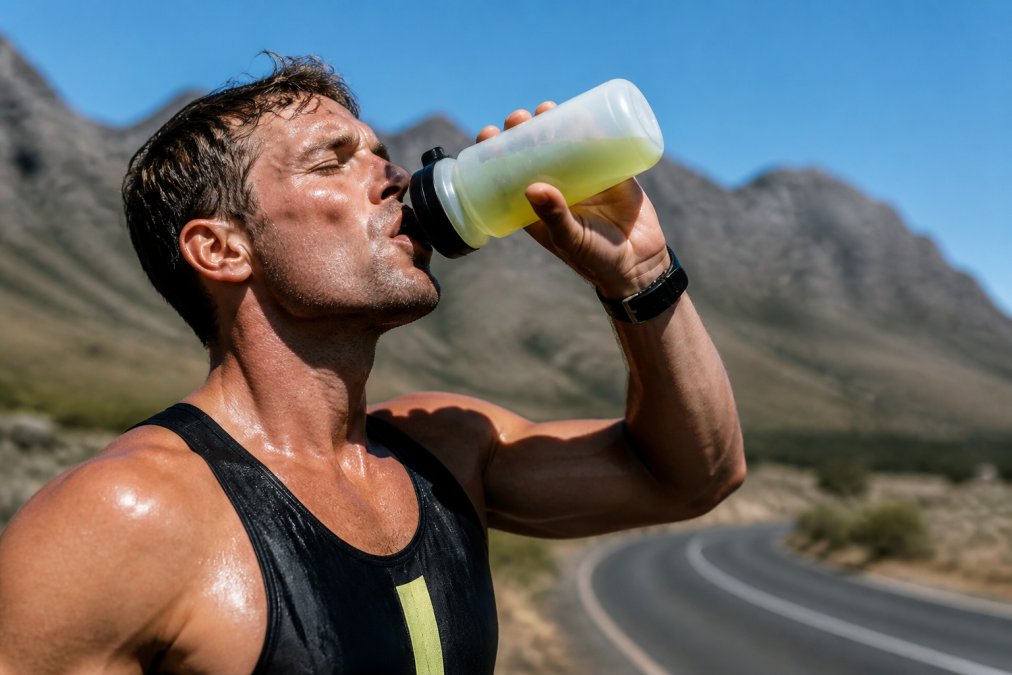
Caffeine is the most studied ergogenic aid in sports science. The data isn't debatable. More than 100 randomized controlled trials show that caffeine consistently improves endurance performance in trained athletes by approximately 3%.
Here's how it works: caffeine reduces perceived effort during exercise and delays the onset of fatigue by blocking adenosine receptors in the central nervous system. That means harder efforts feel easier. Your legs don't burn as quickly. Your mind stays sharper when you need it most.
The effective dose is 3-6 milligrams per kilogram of body weight, taken 30-60 minutes before exercise. A 150-pound athlete needs roughly 200-450 mg. That's roughly one strong cup of coffee or a standard pre-workout dose. Timing matters. Take it too early and the peak effect passes before you need it. Take it too late and you're still ramped up when you're trying to recover.
The catch: caffeine tolerance builds quickly. If you're consuming it daily, the endurance benefit diminishes. Use it strategically, before key workouts and competition, not every single session. Save it for when it counts.
Caffeine works for aerobic endurance, threshold efforts, and high-intensity intervals. It's effective for runners, cyclists, rowers, and swimmers. The data shows no meaningful difference in effectiveness across sports.
Dietary nitrate from beetroot juice or beetroot powder works through a specific mechanism: it increases nitric oxide production, which dilates blood vessels and improves blood flow to working muscles. More blood flow means better oxygen delivery and improved aerobic economy.
The research is solid. More than 30 randomized controlled trials document a 1-3% reduction in oxygen cost at submaximal exercise intensities when athletes consume 300-600 mg of dietary nitrate. That's a meaningful improvement for endurance athletes competing at threshold or just below.
The dose and timing are critical. You need 300-600 mg of nitrate consumed 2-3 hours before effort. Beetroot juice concentrates deliver this reliably. Beetroot powder works too, though absorption varies by brand. The effect peaks around 2-3 hours post-consumption and remains elevated for several hours.
The benefit shows up most clearly in efforts lasting 5-40 minutes at high intensity. If you're doing a 10K run, a time trial, or a threshold workout, nitrate supplementation gives you an edge. For longer, lower-intensity efforts, the benefit is smaller but still measurable.
Not everyone responds equally. About 40-50% of the population are "responders" who see the full 1-3% benefit. The other half see minimal improvement. You won't know which group you're in until you test it in training. Try it for 4-5 days before a key workout and measure the difference.
Electrolytes are not optional for endurance athletes. They're mandatory if you're training for more than 90 minutes or sweating heavily in hot conditions.
Here's the reality: sweat contains sodium, potassium, magnesium, and chloride. Losing these minerals impairs muscle function, disrupts fluid balance, and increases cramping risk. Replacing them isn't about performance enhancement, it's about preventing performance degradation.
Sodium is the primary electrolyte lost in sweat. The recommended replacement is 500-1,000 mg per hour during exercise in hot climates or efforts exceeding 90 minutes. Potassium and magnesium support muscle contraction and nerve signaling. Chloride helps maintain fluid balance alongside sodium.
The best approach is a sports drink or electrolyte powder containing all four minerals in balanced ratios. Tiger Fitness carries multiple options designed specifically for endurance athletes. Unmatched ElectraShred delivers 1,000 mg taurine, 500 mg acetyl-L-carnitine, and a full electrolyte blend with magnesium, sodium, potassium, and calcium. This isn't a basic hydration formula, it's built for serious endurance work.
Other solid choices include GHOST Hydration Stick Packs at $29.95 for convenient portioning, R1 Hydration at $19.99 with a five-electrolyte blend, or Cwench Hydration Electrolyte Mix at $44.79 for rapid recovery support. Each delivers the minerals you need without excess sugar or fillers.

The timing is straightforward: consume electrolytes during and immediately after exercise. If you're training for longer than 90 minutes, start electrolyte replacement at the 45-minute mark. Don't wait until you're cramping.
| Electrolyte Product | Price | Key Minerals | Best For |
|---|---|---|---|
| Unmatched ElectraShred | $44.99 | Sodium, potassium, magnesium, calcium, taurine | Serious endurance training |
| R1 Hydration | $19.99 | Five-electrolyte blend with citrulline malate | Budget-conscious athletes |
| GHOST Hydration | $29.95 | Sodium, potassium, magnesium with AstraGin | Convenient stick packs |
| Cwench Hydration | $44.79 | Full electrolyte balance with recovery support | Post-workout recovery |
Most people think creatine is only for strength athletes. That's incomplete thinking. Creatine offers real, measurable benefits for endurance athletes, just not the obvious ones.
Creatine doesn't directly boost aerobic capacity. It won't make you faster at VO2 max efforts. But it does three things that matter:
First, creatine supports strength work to prevent injury. Endurance athletes who neglect strength training get injured. Creatine helps you maintain lean muscle mass and joint stability during high-volume endurance training. That's injury prevention, which is performance maintenance.
Second, creatine aids glycogen storage. Your muscles hold more stored carbohydrate when creatine is present. For endurance athletes doing multiple training sessions per day or racing multiple times per week, better glycogen storage means better recovery between efforts.
Third, creatine helps preserve lean mass during high volume training blocks. When you're running 60+ miles per week, your body wants to shed muscle to reduce metabolic demand. Creatine provides a small buffer against that loss.

The dose is straightforward: 5 grams per day, every day, with no loading phase needed. It takes 3-4 weeks to see full benefits, but the effect is consistent and well-documented.
Creatine isn't a performance enhancer for endurance. It's a support supplement that keeps your body resilient during the demanding training required to build endurance capacity.
Beta-Alanine for Threshold Work
Beta-alanine buffers lactic acid accumulation, making it effective for efforts lasting 45 seconds to 8 minutes at high intensity. If your endurance training includes threshold repeats, tempo runs, or high-intensity intervals, beta-alanine delivers measurable benefits.
The dose is 3-6 grams per day split across multiple servings. It takes 4-6 weeks of consistent supplementation to build muscle carnosine levels and see performance benefits. Finaflex Beta Alanine at $25.99 provides a straightforward, unflavored option that stacks easily with other supplements.
One note: beta-alanine causes a harmless tingling sensation (paresthesia) at higher doses. Some athletes find it uncomfortable. Start with smaller doses and increase gradually.
Iron: Correcting Deficiency Matters
Iron deficiency impairs endurance performance by 3-4%. A systematic review of 23 studies in 669 female athletes found that iron supplementation improved performance by 2-20% in deficient athletes. The key word is "deficient", if your iron levels are normal, supplementation won't help.
Get your iron status tested before supplementing. Many endurance athletes, particularly women, run iron-deficient without knowing it. If testing shows deficiency, iron supplementation is non-negotiable. If levels are normal, skip it.
Vitamin D for Bone and Muscle Function
Vitamin D supports bone mineralization, muscle function, and immune resilience. Supplementation is particularly important for athletes training indoors or in climates with limited sunlight. Deficiency can impact muscle function, immune health, and bone density.
The recommended dose is 1,000-2,000 IU daily for maintenance, or higher if testing shows deficiency. This is especially relevant for endurance athletes training through winter months or in indoor facilities.
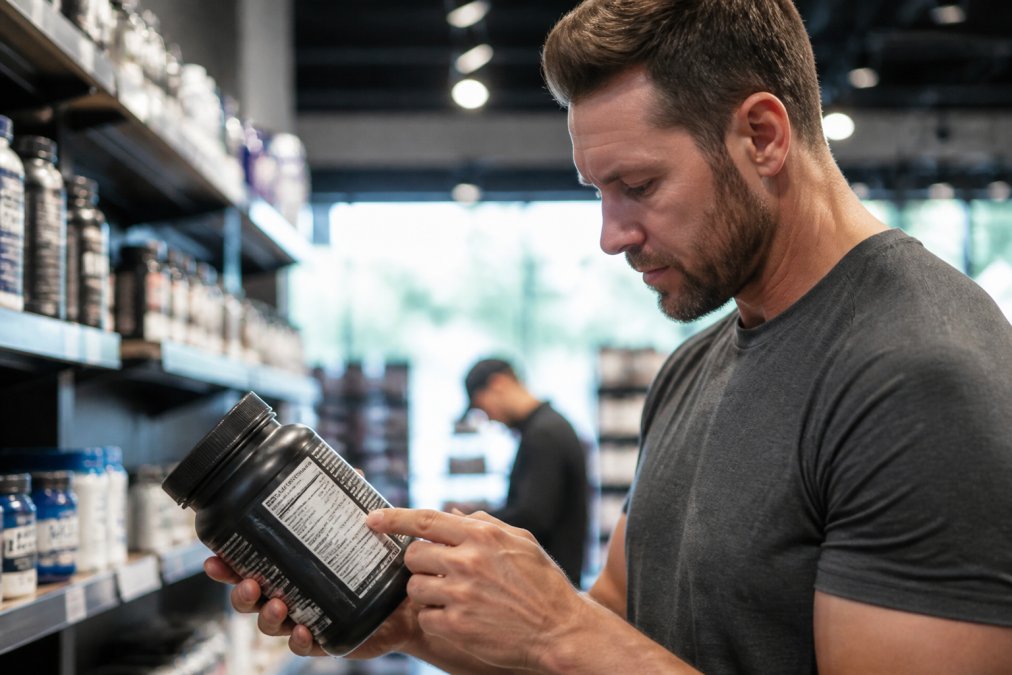
Most athletes buy supplements based on marketing, not evidence. That's a waste of money and potentially dangerous. Here are the three criteria that actually matter.
Non-Negotiable #1: Third-Party Testing
Your supplement could contain banned substances, undisclosed ingredients, or less active ingredient than the label claims. Third-party testing from organizations like NSF Certified for Sport or Informed Choice verifies what's actually in the bottle.
If a supplement isn't third-party tested, don't buy it. Period. The cost of testing is negligible compared to the risk of contamination or mislabeling.
Non-Negotiable #2: Transparent Labeling
Proprietary blends hide ingredient dosages. You don't know if you're getting an effective dose or a token amount. Avoid proprietary blends entirely. Buy supplements that list every ingredient with its exact dose.
MTS Peak Physicor at $39.99 is a good example, it discloses PeakO₂ at 1,000 mg and PhysiCor at 500 mg with full transparency. You know exactly what you're getting.
Non-Negotiable #3: Evidence-Based Ingredients
Not every ingredient in a supplement is backed by research. Some are included purely for marketing appeal. Before buying, ask: is this ingredient studied in humans? Are the doses in the supplement matching the research doses? Does the research show benefits for endurance athletes specifically?
Caffeine, dietary nitrate, electrolytes, and beta-alanine all pass this test. Unproven ingredients don't. If you can't find at least 3-5 peer-reviewed studies supporting an ingredient at the dose provided, skip it.
The best supplements for endurance athletes are built on evidence, not hype. Caffeine delivers a consistent 3% boost. Dietary nitrate improves oxygen efficiency. Electrolytes prevent degradation during long efforts. Beta-alanine supports threshold work. Iron and vitamin D fill specific nutritional gaps.
Tiger Fitness carries a full range of endurance-focused supplements backed by third-party testing and transparent labeling. From Unmatched ElectraShred's comprehensive electrolyte blend to Finaflex Beta Alanine for threshold training, every product is selected for real athletes doing real work.
Start with the fundamentals: caffeine before key efforts, electrolytes during training lasting over 90 minutes, and a solid multivitamin covering vitamin D and iron status. Add dietary nitrate and beta-alanine once you've dialed in the basics. Stack smart, and you'll see measurable improvements in training capacity and race performance.
Your supplement strategy should match your training plan. Get both right, and the results follow.
Caffeine delivers a consistent 3% performance boost by reducing perceived effort and delaying fatigue, take 3-6 mg per kilogram of body weight 30-60 minutes before exercise. Dietary nitrate (beetroot) reduces oxygen cost by 1-3% at 300-600 mg taken 2-3 hours before effort. Beta-alanine buffers lactic acid for high-intensity work lasting 45 seconds to 8 minutes. Electrolytes (sodium 500-1,000 mg per hour) maintain hydration and muscle function during efforts exceeding 90 minutes. Stack these based on your event duration and intensity.
Yes, but indirectly. Creatine supports strength work to prevent injury, aids glycogen storage, and helps preserve lean mass during endurance training. While creatine is most famous for strength gains, endurance athletes benefit from its ability to maintain muscle integrity and support recovery during high-volume training blocks. Take 3-5 grams daily for consistent results.
Electrolytes regulate fluid balance, muscle contractions, and nerve signaling during exercise. Sodium, potassium, magnesium, and chloride work together to prevent cramping, maintain hydration efficiency, and support sustained power output. In hot climates or efforts exceeding 90 minutes, replace 500-1,000 mg of sodium per hour. Deficiency leads to performance drops and slower recovery.
Check for third-party testing (NSF Certified for Sport or Informed Choice), transparent ingredient dosing with no proprietary blends, and clinically studied compounds at research backed doses. Avoid products making vague claims without cited studies. Verify electrolyte amounts match your sweat rate and event duration. Read for allergens and drug interactions, especially if you take medications. Reputable brands disclose everything on the label.
Lactobacillus plantarum shows promise for attenuating exercise induced muscle damage when supplemented for four weeks. Research published in 2026 suggests specific L. plantarum strains may increase skeletal muscle mass, enhance muscle strength, improve endurance capacity, and speed recovery. Results vary by strain and individual factors, so consistency matters. Combine with adequate protein and sleep for best results.
{"one"=>"Select 2 or 3 items to compare", "other"=>"{{ count }} of 3 items selected"}



Leave a comment