

BEST VEGAN PROTEIN FOR ATHLETES 2026
Best Vegan Protein for Athletes 2026: Top 9 Picks Ranked
Table of Contents
- Quick Comparison: Best Vegan Protein for Athletes in 2026
- GHOST Vegan Protein V2: Best Overall for Recovery and Taste
- Thentic Plant Protein: Best for Clean, Filler-Free Nutrition
- Cons:
- Nutrakey V Pro: Best Budget-Friendly Complete Plant Protein
- Black Magic Vegan Pro: Best for Cutting and Recomp Phases
- Cons:
- NOW Sports Sprouted Brown Rice Protein: Best Single-Source Option
- NOW Sports Plant Protein Complex: Best 22g Blend for Everyday Athletes
- PEScience Select Vegan Protein: Best Pea and Rice Blend for Dairy-Free Athletes
- How to Choose Vegan Protein: Amino Profile, Timing, and Dosage
- Frequently Asked Questions
Last Updated: September 17, 2026
Quick Comparison: Best Vegan Protein for Athletes in 2026
The global protein supplements market is projected to hit $31.9 billion in 2026, and plant-based options are driving a big chunk of that growth, according to Grand View Research market analysis. If you're an athlete who trains hard and avoids dairy, finding the best vegan protein for athletes 2026 comes down to one thing: a complete amino acid profile that actually supports recovery. At Tiger Fitness, we've tested enough chalky, gritty plant powders to know the difference between marketing and results.
Here's the quick breakdown before we get into the details:
| Product | Protein/Serving | Best For | Price |
|---|---|---|---|
| GHOST Vegan Protein V2 | Plant blend | Overall recovery & taste | $49.99 |
| Thentic Plant Protein | Plant-based | Clean, filler-free nutrition | $50.97 |
| Nutrakey V Pro | Plant blend | Budget-friendly complete protein | $39.99 |
| Black Magic Vegan Pro | Plant matrix | Cutting & recomp phases | $46.99 |
| NOW Sprouted Brown Rice | Single-source | Minimalist single-source option | $24.26 |
| NOW Plant Protein Complex | 22g | Everyday athletes | $42.95 |
| PEScience Select Vegan | 20g | Pea + rice blend, dairy-free | $44.99 |
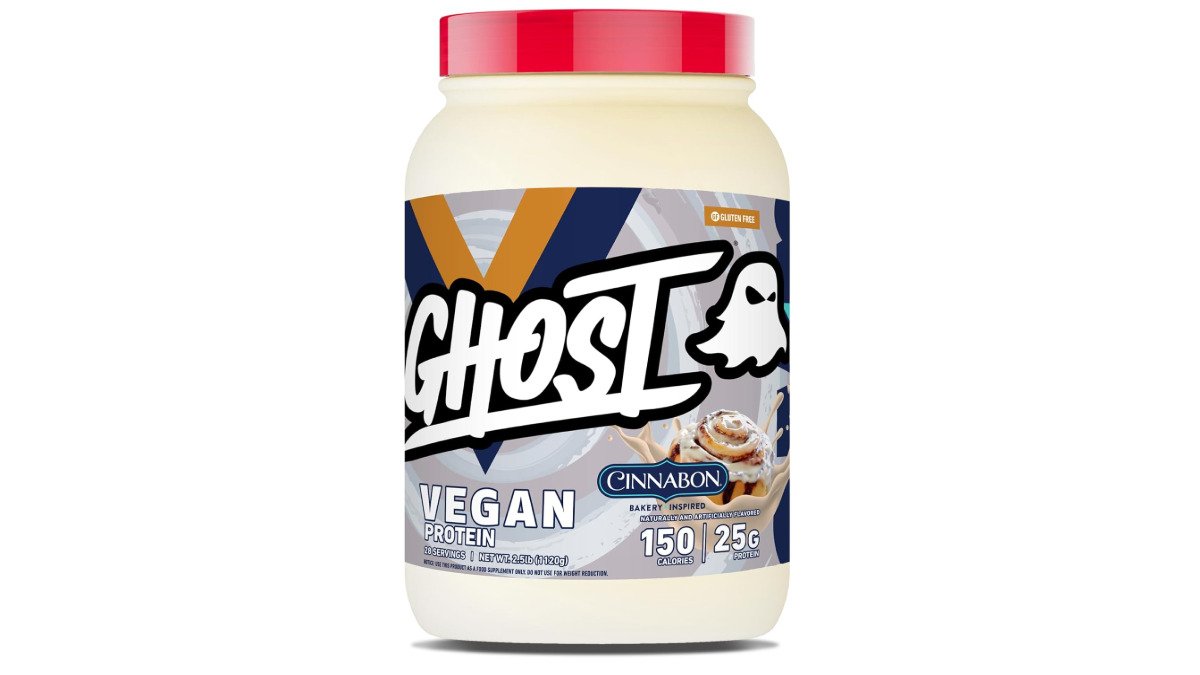
GHOST Vegan Protein V2: Best Overall for Recovery and Taste
GHOST Vegan Protein V2 takes the top spot because it solves plant protein's biggest problem: texture.


The formula delivers a 100% plant-based protein blend built for muscle recovery and lean muscle growth. It mixes smooth in 8-12 oz of water and works post-workout or between meals.
Pros:
- Smooth texture without the chalky consistency
- 100% plant-based ingredients
- Great flavor experience
Cons:
- Priced at the premium end at $49.99
Thentic Plant Protein: Best for Clean, Filler-Free Nutrition
Thentic Plant Protein is the pick for athletes who read every label. No fillers, no artificial ingredients, just plant protein that supports muscle growth and recovery.
It's gentle on the stomach, which matters if you've had trouble digesting dairy-based powders. Mix one scoop with water, milk, or your favorite beverage post-workout or between meals.
Pros:
- No fillers or artificial ingredients
- Easy to digest, gentle on the stomach
- Versatile for shakes, smoothies, or recipes
Cons:
Nutrakey V Pro: Best Budget-Friendly Complete Plant Protein
Nutrakey V Pro proves you don't need to spend $50 to get a complete plant protein. At $39.99, it delivers a blend with a more complete amino acid profile for muscle growth and recovery.

It's 100% plant-based, dairy-free, and mixes smooth. Use it post-workout, as a meal supplement, or anytime you need a protein boost. Stack it with creatine for strength or BCAAs for recovery.
Pro Tip Single-source plant proteins often fall short on essential amino acids. Blends like V Pro cover each other's gaps.
Black Magic Vegan Pro: Best for Cutting and Recomp Phases
Black Magic Vegan Pro earns its place for anyone in a calorie deficit. It's macro-friendly, dairy-free, and low in sugar, so it fits cutting, recomp, or maintenance phases without wrecking your numbers.
The plant protein matrix delivers essential amino acids to support recovery and lean mass. Mix one scoop with 8-12 oz cold water or plant milk post-workout or between meals.
Pros:
- Macro-friendly for cutting and recomp
- Dairy-free and lactose-free
- Great taste and smooth mixability
Cons:
Before You Buy: Interactions, Safety, and How Long Results Actually Take
Drug-supplement interactions. Plant proteins aren't inert, they're food, and food interacts with medication. Three to watch:
- Blood thinners (warfarin, apixaban, rivaroxaban). Leafy-green-based protein blends and greens powders can carry vitamin K, which directly counteracts warfarin. If you're on a blood thinner, check the vitamin K content per serving and keep your intake consistent day to day, consistency matters more than the absolute number.
- Diabetes medications (metformin, insulin, sulfonylureas). High-protein shakes can blunt post-meal blood sugar spikes, which is usually good, but if you're on insulin or a sulfonylurea, that blunting can stack with your medication and push you hypoglycemic. Time your shake with a meal and monitor your numbers.
- Thyroid medication (levothyroxine). Soy-based plant proteins can interfere with levothyroxine absorption. Take your thyroid med on an empty stomach, 30-60 minutes before food, and wait at least 4 hours before a soy protein shake.
- MAOIs and tyramine sensitivity. Fermented plant proteins (fermented pea, fermented rice) can carry tyramine. If you're on an MAOI, talk to your prescriber before using fermented powders.
How long until you actually see results. Here's the honest timeline:
- Week 1-2: Nothing visible. Your body is adapting. Digestion may improve if you switched from whey and were lactose-sensitive.
- Week 3-4: Recovery between sessions starts feeling easier. Soreness duration drops. This is where most people quit because they expected a mirror change.
- Week 6-8: Measurable strength gains on your main lifts if your total daily protein and training are dialed in.
- Week 8-12: Visible body composition changes, lean mass retention in a cut, or new muscle in a surplus. This is the clinical window most studies use.
Who should skip vegan protein entirely. If you have a legume allergy (pea protein is a legume), a rice allergy, or a diagnosed digestive condition like IBS that flares on high-FODMAP ingredients, talk to a qualified professional before committing.
Key Takeaway Vegan protein works. But it's still a supplement, and supplements interact with medications and take 8-12 weeks to show real body composition results. Buy a complete blend, check your meds, and give it a full training block before you judge it.
NOW Sports Sprouted Brown Rice Protein: Best Single-Source Option
Not everyone wants a blend. NOW Sports Sprouted Brown Rice Protein is the answer for athletes who prefer a single-source powder. Made from sprouted whole grain brown rice, it enhances digestibility and nutrient availability.
It's dairy-free, soy-free, and vegan friendly, with essential amino acids that support muscle repair.
Pros:
- Lowest price on this list
- Sprouted for better digestibility
- Dairy-free and soy-free
Cons:
- Single-source, so pair it with a complementary protein to complete the amino profile
NOW Sports Plant Protein Complex: Best 22g Blend for Everyday Athletes
NOW Sports Plant Protein Complex delivers 22 grams of plant-based protein per serving from a blend of pea, brown rice, and complementary plant proteins, a balanced amino acid spectrum for muscle maintenance and growth.
Pros:
- 22g protein per serving
- Non-GMO with no artificial sweeteners
- Complete amino acid profile from multiple sources
Cons:
- Flavor and sweetener details vary by formulation, so check the specific label
PEScience Select Vegan Protein: Best Pea and Rice Blend for Dairy-Free Athletes
PEScience Select Vegan Protein uses a precise pea and brown rice blend that closely mirrors dairy protein's amino acid profile. You get muscle-building support without the milk.
Pros:
- Pea and rice blend covers amino acid gaps
- Naturally sweetened, no artificial sweeteners
- Works for most restricted diets
Cons:
- 20g per serving is slightly lower than some blends
How to Choose Vegan Protein: Amino Profile, Timing, and Dosage
Label checklist, what to actually look for.
- Leucine at 2.5g or more per serving (or a pea/rice blend that gets you there)
- 20-25g complete protein per scoop
- 'Sprouted,' 'fermented,' or added protease enzymes for digestibility
- Third-party testing seal (Informed Sport, NSF Certified for Sport, or a COA on request)
- No proprietary blends hiding amino spiking
- Heavy metals testing, plant proteins pull arsenic and lead from soil, so a clean COA matters more here than with whey
Watch Out Don't chase single-source plant proteins for serious muscle building. Without a complete amino profile and enough leucine, you're leaving recovery on the table.
Pro Tip If you're stacking a vegan protein with creatine, take 5g of creatine monohydrate daily regardless of training day. It's the most-studied sports supplement on the planet and it works the same whether you eat plants or not.
Tiger Fitness analysis of plant protein limitations and research from the National Institutes of Health both confirm plant-based protein ingestion supports muscle strength and endurance in athletes when the amino profile is complete.
Frequently Asked Questions
Can athletes build muscle on a vegan diet?
Yes. A National Institutes of Health review confirmed that plant-based protein ingestion supports muscle strength and endurance performance in athletes. The key is hitting 20-25 grams of complete protein within 30 minutes post-workout. Choose a blend like pea and rice to cover all essential amino acids, and you can build muscle just as effectively as any omnivore.
What is the most complete vegan protein source for athletes?
Multi-source blends are your best bet. Single-source proteins like brown rice or pea alone may lack the full spectrum of essential amino acids. Products like PEScience Select Vegan Protein combine pea and brown rice specifically to mirror dairy protein's amino acid profile. Look for blends that include pea, rice, chia, mung bean, or hemp to ensure you get everything your muscles need.
How much protein do vegan athletes need per day?
Most vegan athletes should aim for 1.6 to 2.2 grams of protein per kilogram of body weight daily, depending on training intensity. Aim for 20-25 grams of complete protein within 30 minutes post-workout for optimal muscle protein synthesis. Spread your intake across 3-5 meals, and use a vegan protein powder to fill any gaps.
Are plant-based protein powders as effective as whey?
They can be, especially when you choose a blend. The catch is amino acid completeness. Single-source plant proteins may fall short, but blends like pea and rice cover each other's gaps. PEScience Select Vegan Protein, for example, uses a pea and brown rice blend to closely mirror dairy protein's amino acid profile. With the right blend and proper timing, you will not lose anything by going plant-based.
What should I look for in a vegan protein supplement?
Check four things. First, the amino acid profile: look for a blend that covers all essential amino acids, ideally pea and rice together. Second, protein per serving: 20-27 grams is the sweet spot. Third, digestibility: digestibility is achievable with fermented plant proteins. Fourth, label transparency: avoid proprietary blends. GHOST Vegan Protein V2 and Thentic Plant Protein both offer fully transparent labels with no proprietary blends.
Leave a comment