
NEW NULLA BAR FLAVORS
In-Stock Now!

Last Updated: November 20, 2026
Quick Summary
Collagen supplements are a connective tissue play for women who lift, not a muscle building shortcut. Keep whey or a complete protein as your base and add collagen on top for joint, tendon, and skin support.
Collagen supplements are a concentrated source of collagen protein, the structural protein your body uses to build tendons, ligaments, cartilage, and skin. Here's the honest version most guides skip: collagen supplements for women who lift weights are not a muscle building shortcut. They're a connective tissue play.
A 2024 review indexed by PubMed Central found that studies suggest hydrolyzed collagen peptides may improve muscle function and promote hypertrophy, though the review summary provides no pooled effect size (review of collagen peptides and muscle outcomes(https://pmc.ncbi.nlm.nih.gov/articles/PMC11478671/)). That's promising, not conclusive. The honest expectation is joint support and recovery help first, with muscle gains as a possible bonus.
The 2026 research picture is consistent with that. A separate review reports collagen supplementation was consistently associated with favorable outcomes for skin, musculoskeletal health, and osteoarthritis conditions (collagen supplementation review(https://pmc.ncbi.nlm.nih.gov/articles/PMC12968778/)).
What does that mean for you? If your knees ache on squat day and your shoulders complain during pressing, collagen is worth a look. If you expect it to replace your protein intake, keep reading, because that's where the confusion starts.

The strongest evidence for collagen isn't about muscle. It's about connective tissue.
A 2026 study published in Frontiers in Physiology found that specific collagen peptides combined with exercise increased collagen type I content by 29.8%, compared with 9.9% for training plus placebo (p = 0.026) (Frontiers in Physiology collagen peptide study(https://www.frontiersin.org/journals/physiology/articles/10.3389/fphys.2026.1839695/full)). Collagen type I is the main building block of tendons and ligaments. That number matters because it's a structural change, not just a feeling.
A 2025 study followed active adults for 24 weeks and reported possible improvements in muscle performance, possibly through connective-tissue remodeling and tendon related outcomes (24-week collagen study in active adults(https://pmc.ncbi.nlm.nih.gov/articles/PMC12314484/)). The summary doesn't give a sample size or a numerical effect, so we won't pretend it does.
What most guides miss: tendon adaptation is slow. Collagen isn't a painkiller. It's raw material, and your body still has to do the remodeling work through smart programming and adequate rest.
Whey is the complete protein tool for muscle. Collagen supports connective tissue. That's the short answer.
Collagen is an incomplete protein. It's low in leucine, the amino acid that triggers muscle protein synthesis. Whey is a complete protein. If your goal is adding size, whey is the tool.
Collagen's value sits elsewhere: glycine, proline, and hydroxyproline, the amino acids that make up connective tissue. A 2023 review describes collagen as extracted from bones, cartilage, tendons, and skin from cattle, pigs, chickens, fish, and other marine organisms (review of collagen sources(https://pmc.ncbi.nlm.nih.gov/articles/PMC10102402/)). Those raw materials go to work on joints and skin, not on your biceps.
Our recommendation for women who lift: keep whey or a complete protein as your base, then add collagen on top. If you're comparing options for building muscle, our guide to the best supplements for women muscle growth covers the complete-protein side in detail.
| Feature | Collagen Peptides | Whey Protein |
|---|---|---|
| Complete protein | No | Yes |
| Leucine content | Low | High |
| Primary role | Joints, tendons, skin | Muscle protein synthesis |
| Best timing | 30-60 min pre-training | Post-training or anytime |
| Typical serving protein | 10-10.5 g | 20-25 g |
The research summaries do not establish a single official dose, so follow the serving size on your product label and check with a qualified professional for your situation. The 2026 Frontiers study used specific collagen peptides alongside exercise, and the 2025 active adult study ran 24 weeks.
Watch out: more isn't better. Collagen is protein, so it counts toward your daily intake, but it doesn't replace complete protein gram for gram. Track it like any other macro.
If you want to dial in your total protein needs, our free fitness calculators give you a starting number based on your body weight and goals.
Timing is the most over-debated part of collagen. Here's the straight answer: total daily intake and consistency beat perfect timing, but if you want to give connective tissue the best shot, put collagen in your system before the load.
A practical protocol for women who lift:
Watch out: collagen is not a pre-workout stimulant and it is not a painkiller. If you take it 30 minutes before a heavy squat session and expect your knees to feel brand new, you'll be disappointed. The payoff is structural over months, not symptomatic in an hour.
If your goal is muscle growth, timing collagen around training is irrelevant. Collagen is an incomplete protein and won't drive muscle protein synthesis the way whey does. Use collagen for connective tissue, and time your whey around training for hypertrophy.
Label quality is the whole game here. The FDA says dietary supplements are regulated under a different set of regulations than conventional foods and drug products, and Ohio State Health & Discovery notes that supplements lack FDA regulation and that label claims or ingredients are not guaranteed accurate (FDA dietary supplement regulation(https://www.fda.gov/food/dietary-supplements)). Translation: do your homework.
Here's our checklist before you buy:
Safety and contraindications matter too. If you have a fish, shellfish, beef, or pork allergy, avoid the matching collagen source. If you're pregnant or breastfeeding, or take medication, talk to your doctor before adding any supplement.
Third-party testing is one way to check quality. Look for certification marks from independent programs on the label, and verify them with the certifying body.
Source transparency is next. The label should tell you the species and origin of the collagen.
Cost per effective serving is the math most women skip. Compare cost per gram of collagen, not cost per tub.
Serving size and actual collagen content vary between products. Compare cost per gram of collagen, not cost per tub.
For a vetted shortlist before you commit, our best collagen food supplements guide breaks down the top options side by side.
The right stack is simple: a complete protein for muscle, a quality collagen for connective tissue, and vitamin C to support the process.
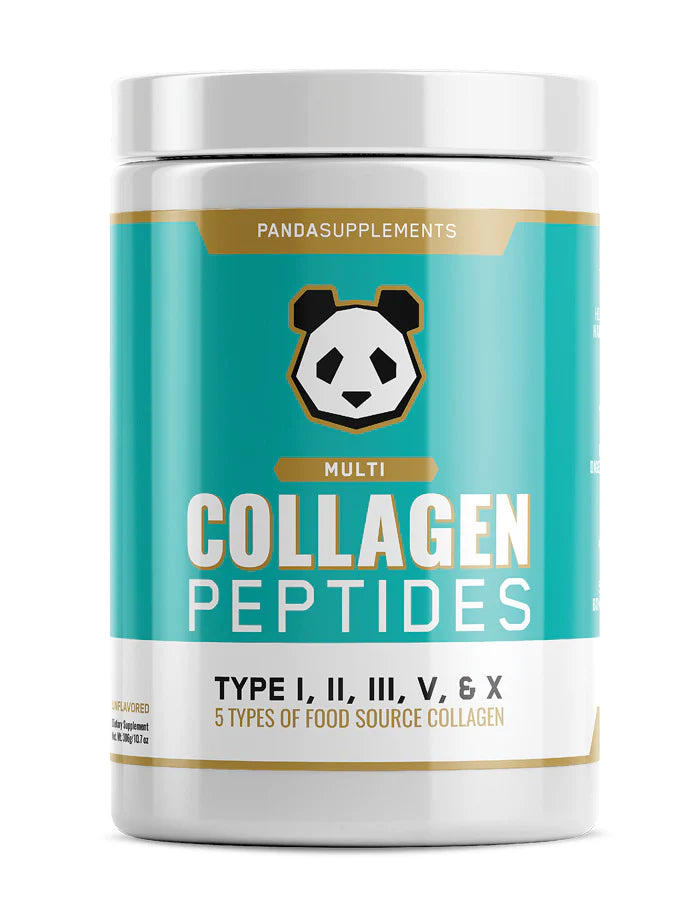
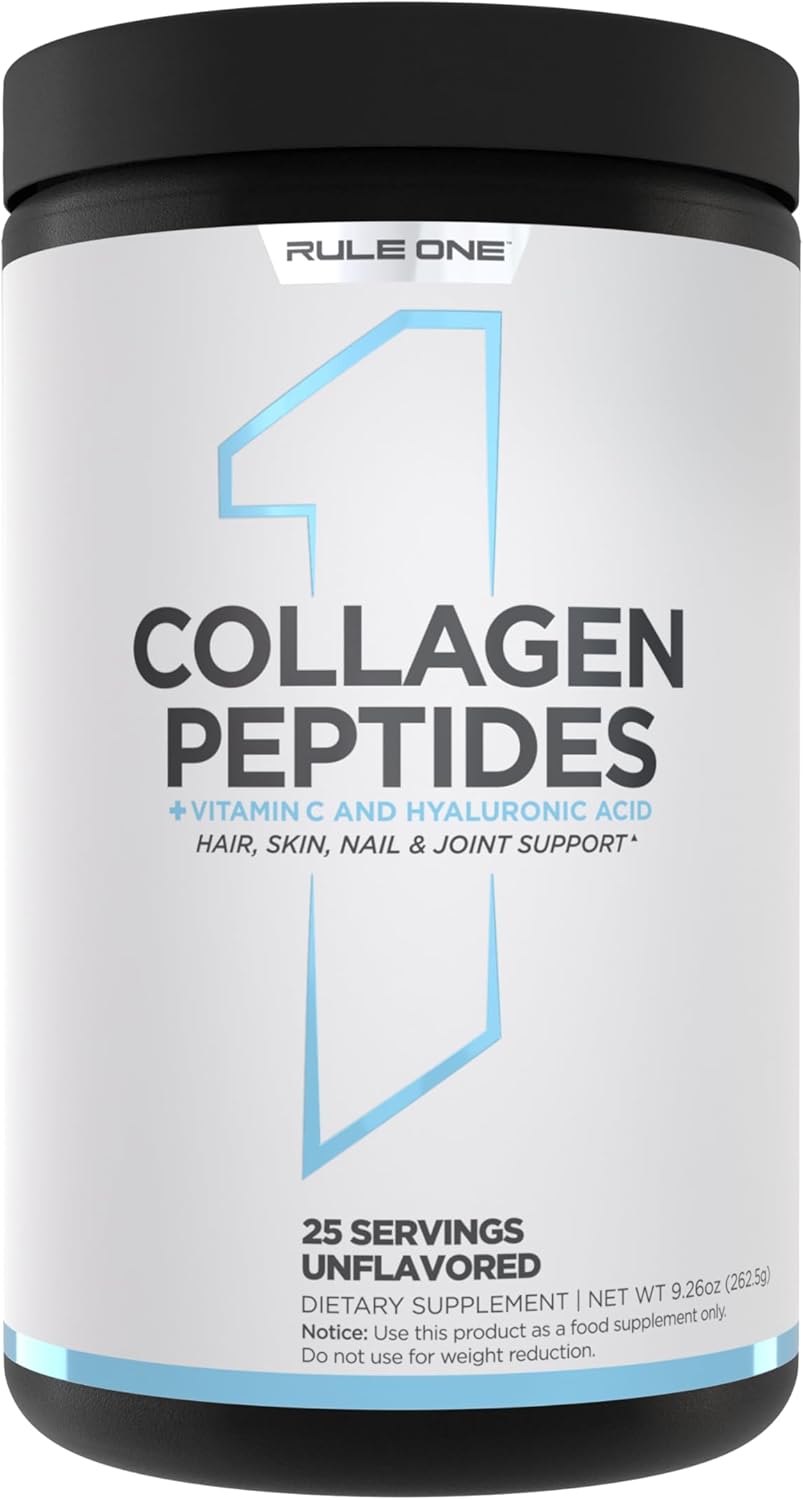
The Panda Supps™ Multi Collagen Peptides at $34.99 delivers five hydrolyzed collagen types with 10 g+ protein per serving. The Revive Md Beef Collagen Powder is a beef-based option for joint, skin, and hair support. And Rule One Collagen Peptides rounds out the lineup with unflavored flexibility for shakes and coffee.
Here's the challenge: most women who lift are under-recovering their joints and over-training their tendons. Fix that and your training career gets longer. Get started with Tiger Fitness and support the tissue that keeps you under the bar.
Not the way complete protein does. A 2024 review reports that hydrolyzed collagen peptides may improve muscle function and promote hypertrophy, but that review gives no pooled effect size. Collagen is low in leucine, so it cannot replace whey or other complete proteins for muscle growth. Use collagen supplements for joint and connective-tissue support, and keep a complete protein source as the base of your daily intake.
No. Whey is a complete protein with a full amino acid profile and high leucine content, which drives muscle protein synthesis. Collagen peptides are an incomplete protein. A 2026 study in Frontiers in Physiology found specific collagen peptides plus exercise increased collagen type I content by 29.8% versus 9.9% with training plus placebo (p = 0.026), which points to connective-tissue remodeling, not muscle growth. Keep whey for muscle and collagen for joints and tendons.
The research summaries do not establish a single official dose. What the studies do show is that collagen was tested alongside exercise, not as a standalone fix. Follow the serving size on the product label and check with a qualified professional for your situation. Tiger Fitness carries Cleanform Iron Feather Collagen at $39.99 and BlackStone Collagen Peptides at $44.99.
Daily use is common in the research, including a 24-week study in active adults. That said, the FDA regulates dietary supplements differently than conventional foods and drugs, so check labels carefully. Check with your doctor before starting, especially if you are pregnant, nursing, or taking medication.
{"one"=>"Select 2 or 3 items to compare", "other"=>"{{ count }} of 3 items selected"}






Leave a comment