
NEW NULLA BAR FLAVORS
In-Stock Now!

Quick Summary
Effective recovery stacks start with the basics: whole food protein spread across the day, enough carbohydrates to refill glycogen, fluids and electrolytes matched to what you sweat out, and seven to nine hours of sleep. Supplements like creatine monohydrate or electrolyte drinks only add value once those foundations are in place and you have a specific gap.
Last Updated: November 16, 2026
A recovery stack is a combination of nutrition, sleep and, where it's warranted, supplements used together to help your body rebuild after hard training, and the recovery stacks worth building always start with the basics. The stack only works if the basics underneath it are handled first. Most lifters I've trained skip those basics and go straight to powders.
Here's the order I'd rank things. Food and sleep come first. Hydration and electrolytes come next. Only after those are dialed in does a supplement earn its place. Compression garments and cryotherapy have some research behind them as recovery aids, according to a systematic review of recovery strategies after training, though that same review notes the individual studies are limited and the evidence is not conclusive. If you want to put numbers to your own training load and fluid or calorie needs, the FREE TOOLS & FITNESS CALCULATORS are a practical place to start before you spend a dollar on anything.
The useful question is not "what's the best recovery supplement?" It's "what is my body missing right now, and is a supplement the cheapest way to fix it?"
Before you spend a dollar on a supplement, get these four right. This is where most lifters fail, and no powder fixes a broken foundation.
Protein: hit a daily target, not a magic window. Protein needs for people doing intense resistance training are commonly discussed in the range of roughly 1.6 to 2.2 grams per kilogram of bodyweight per day. Spread it across three to five feedings of 25 to 40 grams each. Whole food sources, eggs, beef, chicken, fish, dairy, do the job. The post-workout "anabolic window" is wider than the supplement industry wants you to believe; total daily intake matters more than sipping a shake within 30 minutes. A 2022 study comparing recovery methods after high-intensity functional training found that 15 minutes of low-intensity exercise, neuromuscular electrical stimulation, and total rest all produced comparable recovery, per PMC study on recovery strategies after high-intensity functional training. The takeaway is that simple, consistent habits do a lot of the work. A more elaborate protocol does not automatically beat them.
Carbohydrates: the recovery nutrient most lifters under-eat. Hard training depletes muscle glycogen, and if you train twice a day or on consecutive days, you need to replace it. Whole food carbs, rice, potatoes, oats, fruit, work fine. If you're training hard and dieting at the same time, you're fighting a losing battle on recovery; low energy availability blunts adaptation no matter what's in your shaker.
Fluids and electrolytes: replace what you sweat out. Sweat loss takes sodium, potassium and magnesium with it. A simple field test: weigh yourself before and after a hard session. Every pound lost is roughly 16 to 24 ounces of fluid to replace. For sessions under an hour in cool conditions, water is usually enough. For long or hot sessions, or if you're a heavy sweater, add sodium, most sports drinks and electrolyte powders land in the 300 to 600 milligrams of sodium per serving range. Watch out: during long hot sessions, match your fluid intake to your sweat and your electrolytes to your fluid.
Sleep: the one most people underrate. Repair happens while you sleep. Most adults need seven to nine hours, and athletes in hard training blocks often need more. No supplement replaces a bad night's rest. If you're consistently under seven hours during a heavy block, fix your schedule before you buy anything.
Get these four right and you've handled 80 percent of recovery. The supplements below are the other 20 percent, and only if you have a specific gap.
Protein powder is convenient. If you already hit your daily protein target with food, a shake adds little beyond convenience and calories. To compare protein powders for recovery side by side, read the ranked guide to the best recovery protein powders.
It earns its place when you struggle to eat enough protein, when your schedule leaves you without a meal after training, or when your total intake runs short on heavy training days. If you want a ready-made option to consider, see the protein powder product page for the formulation and serving details. In those cases, a protein powder for muscle recovery guide option like Dymatize Elite 100% Whey Protein ($58.95) gives you 25g of protein per serving at 140 calories, which is a clean way to close a gap.
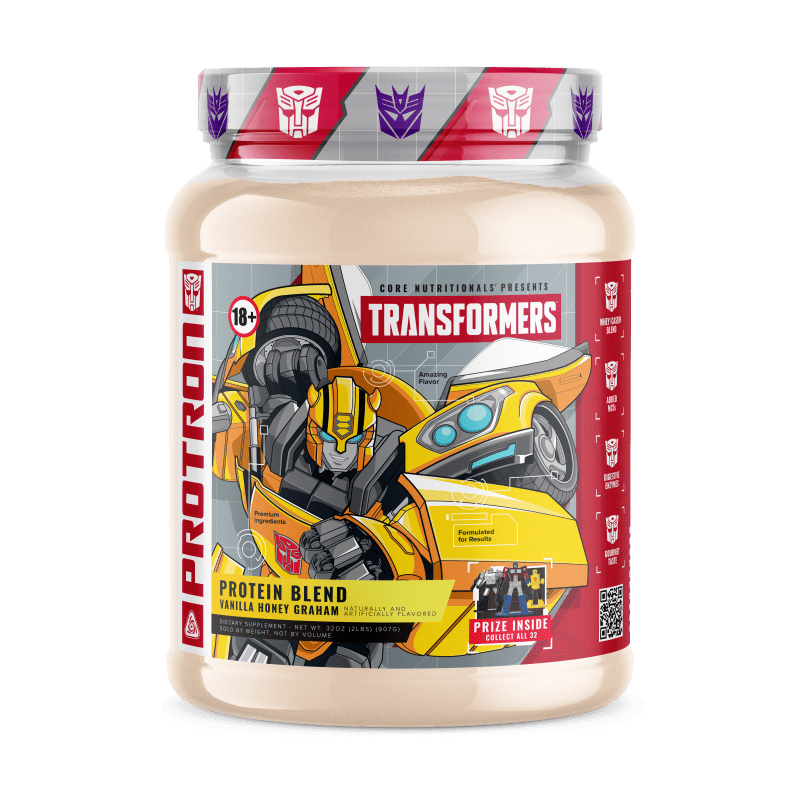
Best for: Lifters who regularly fall short on protein or need a fast post-workout option. Skip if: You already hit your protein target with whole foods and don't need the extra calories.
Creatine is among the most studied supplements in sports nutrition, and the evidence is strongest for strength and power output. For a side-by-side look at what the research does and doesn't show, read the creatine monohydrate facts versus hype guide. It supports recovery indirectly: better training quality and more repeated high-intensity efforts mean you can handle more work, which drives adaptation. Don't expect it to fix a bad sleep schedule or a poor diet.
Dosing. Consistency matters more than timing. Take creatine monohydrate with water or a drink, every day, including rest days.
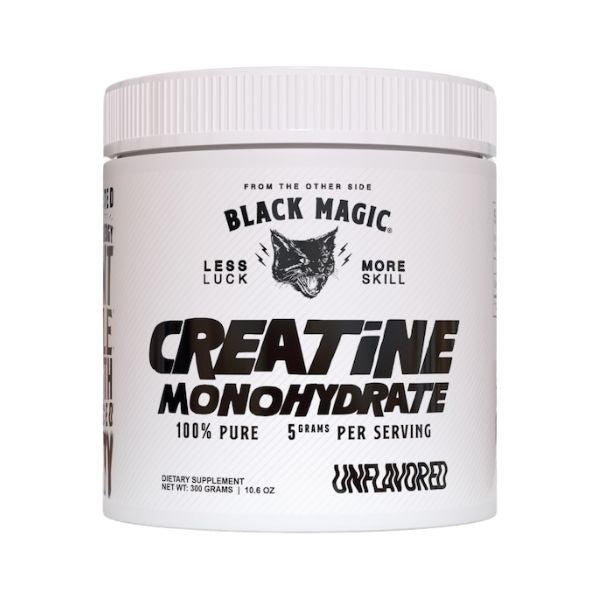
What the evidence supports, and what it doesn't. Creatine is generally associated with improvements in strength and power. It is not a sleep aid or a substitute for calories. If you're weighing whether it's worth it, read the evidence before buying anything, creatine monohydrate facts versus hype.
Safety and the fine print. People with kidney disease should talk to their doctor before using creatine. Hydration still matters.
Core Creatine Monohydrate ($39.99) is a straightforward option: one serving daily mixed into water or a drink, taken consistently alongside your training.
Here is how the main categories stack up.

| Category | Main Benefit | Main Drawback | Best Use |
|---|---|---|---|
| Protein powder | Fast, convenient protein | Redundant if diet is adequate | Filling protein gaps |
| Creatine monohydrate | Strength and training quality | Requires daily consistency | Repeated hard training |
| Electrolyte hydration | Replaces sweat losses | Only matters with heavy sweating | Hot or long sessions |
| Glutamine | Supports recovery and immune function | Evidence on benefit is mixed | Add-on for high volume |
| Sleep formula | Supports sleep quality | Not a substitute for sleep habits | Poor sleep during heavy blocks |
Pros: Simple, targeted tools that address specific gaps. Cons: Most lifters take more than they need and skip the basics.
Marc's Top Pick for muscle recovery: Start with Core Creatine Monohydrate for performance and Jocko Fuel Hydrate ($29.99) for electrolytes on hard or hot days.
Marc's Top Pick for sleep-driven recovery: Core ZZZ ($39.99) if your sleep is consistently poor during heavy training blocks. Fix your schedule first.
Read supplement labels carefully.
If a label can't tell you what's inside and how much, don't buy it.
Your stack should match your training, not a fitness influencer's routine.
Start simple, track how you feel and perform, and add one item at a time. That way you know what's actually working.
Tiger Fitness carries the products above, along with free workout plans, diet guides, fitness calculators and a training app to help you plan your recovery. Build the basics first, then add what your training actually calls for.
The strongest support comes from protein, carbohydrates, fluids with electrolytes, and sleep. Creatine is one of the more widely studied supplements for training output. Glutamine and electrolyte products are common add-ons. Tiger Fitness carries Core Creatine Monohydrate at $39.99 and Jocko Fuel Hydrate at $29.99 if you want to build a basic stack. Start with food and sleep before adding anything.
A practical recovery stack starts with a daily protein target that you hit through food, then adds supplements only where they fill a real gap. For most lifters that means creatine as the core supplement, with protein powder as a convenience if you cannot meet your intake from meals. Electrolytes make sense if you sweat heavily or train in heat. Anything beyond those three should have a specific reason and a trial period. Track how you feel, performance, and soreness for at least four weeks before judging a product.
Timing matters less than total daily intake. Spreading protein across the day is a practical approach for most lifters. Creatine works through saturation, so consistent daily dosing matters more than taking it at a specific moment. Take your post-workout protein when it is convenient, and keep creatine on the same schedule every day. Sleep-related supplements such as Core ZZZ are taken 20 to 30 minutes before bed, not after training.
Yes. Many lifters take creatine and protein together in the same shake for convenience. Mixing them is a convenience choice, not a requirement for either to work. If you use Dymatize Elite 100% Whey Protein at $58.95 and Core Creatine Monohydrate at $39.99, you can take each one at whatever time fits your day.
Check whether the claim names a specific, measurable outcome and whether the label lists exact ingredient amounts. Vague terms like 'proprietary blend' or 'supports recovery' with no dose data are a warning sign. Look for third-party testing from an independent lab, and check whether the ingredients have human trials at the dose used in the product. A claim that a single ingredient cures soreness or replaces training is not supported by the evidence. When a claim cannot be checked, treat it as marketing.
Sleep and total daily nutrition matter more than any supplement. A lifter who sleeps poorly and undereats will recover slower than one who sleeps well and eats enough protein and carbohydrates, regardless of what is in the shaker. Supplements sit on top of that foundation and offer modest gains at best. Fix sleep and food first, then decide whether a supplement fills a real gap in your routine.
No. Muscle growth depends on progressive training, adequate protein, enough total calories, and sleep. Supplements can help you hit those targets more easily, but they do not replace them. Creatine supports training output, which can indirectly support training progress. If your diet already meets your protein and calorie needs, you may not need a recovery product at all.
{"one"=>"Select 2 or 3 items to compare", "other"=>"{{ count }} of 3 items selected"}







Leave a comment