


CREATINE FOR WOMEN
Essential Supplements for Female Strength Training
Table of Contents
- Why Female Strength Athletes Need a Targeted Supplement Strategy
- Protein Powder for Women: Foundation for Muscle Repair
- Creatine for Women: Strength and Power Without the Myths
- Iron Supplements for Female Athletes: Testing and Dosing Matter
- Vitamins and Minerals: Vitamin D3, K2, and Multivitamin Support
- Supplements for Muscle Recovery: Electrolytes and Hydration
- Quick Supplement Comparison and Selection Guide
- Frequently Asked Questions
Last Updated: October 21, 2026
Why Female Strength Athletes Need a Targeted Supplement Strategy
Let's be direct: supplements for female strength require a different approach than generic advice, because women have different nutritional demands than their male counterparts. Women lose more iron through menstruation, process certain nutrients differently, and face unique challenges with bone density and hormonal fluctuations across their training cycles. The National Institutes of Health Office of Dietary Supplements documents that women engaged in strength training use iron, vitamin E, protein, and creatine at rates that differ meaningfully from general population recommendations.

Here's what matters: supplements for female strength aren't about taking more, they're about taking what actually works for your body and your goals. The research shows active women benefit from specific nutrients that support muscle repair, strength gains, and recovery without unnecessary padding in your stack.
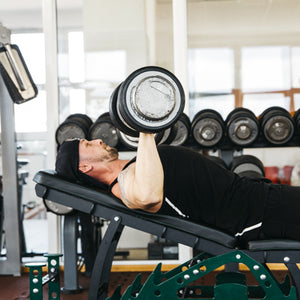
At Tiger Fitness, we've worked with strength athletes for years. The ones who see real progress are strategic about the supplements that move the needle. That's what we're breaking down here.
Key Takeaway Female strength athletes need a supplement strategy built around iron status, protein timing, creatine for strength, and foundational micronutrients. Skip the hype stack and focus on what research actually supports for your goals.
Protein Powder for Women: Foundation for Muscle Repair
Protein is non-negotiable for muscle repair and growth. Women need roughly the same amount per pound of body weight as men, around 0.7 to 1 gram per pound of body weight on training days, and most don't hit that target through food alone. That's where protein powder becomes practical, not optional.
The best choice is whey protein. It's a complete protein containing all nine essential amino acids, and it's loaded with branched-chain amino acids (BCAAs), especially leucine, which directly drives muscle protein synthesis. Harvard T.H. Chan School of Public Health Nutrition Source confirms that whey protein supports muscle recovery and growth in active populations.

Machine Whey Protein uses an 80% whey protein concentrate blend, giving you more protein per scoop than cheaper alternatives. At $49.99, it delivers around 25 grams of protein per serving with minimal carbs and fat.
When to use it: Post-workout is ideal, but honestly, timing matters less than total daily intake. Use it whenever you need to hit your protein target. Pre-workout or with breakfast works just as well.
Pro Tip Mix protein with cold water or milk depending on your diet. Add blueberries and water for "sludge", a simple, effective post-workout carb and protein combo that's been used by serious lifters for years.
Creatine for Women: Strength and Power Without the Myths
Creatine works to increase strength and power output, period.
Creatine works by increasing phosphocreatine stores in muscle, which fuels high-intensity efforts. For female strength athletes, this translates to more reps at a given weight, faster recovery between sets, and measurable strength gains over 4 to 8 weeks. The research is solid, creatine monohydrate is the most studied supplement on the market and it works.
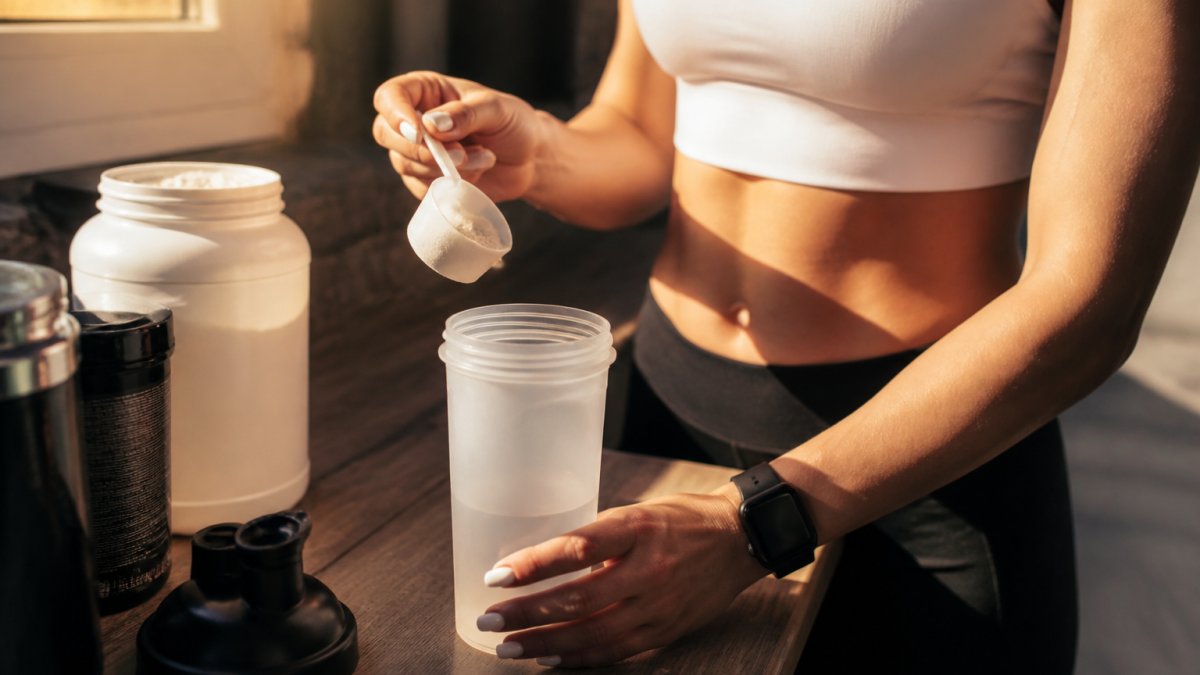
MTS Creapure Pure German Creatine Powder is the standard. Creapure is the only creatine manufactured in Germany and is known for purity and consistency. At $39.99 for a substantial supply, it's cost-effective. Dose is simple: 3 to 5 grams daily, every day. No loading phase needed, despite what you might read online.
What to expect: You may experience strength gains. You may hold slightly more water, that's intramuscular. Some women report feeling fuller; that's the creatine pulling water into muscle cells.
Watch Out Creatine requires consistent daily intake to work. If you take it sporadically, you won't see results. Commit to it for at least 8 weeks before deciding if it's for you. Also, drink more water, creatine increases your hydration needs.
Iron Supplements for Female Athletes: Testing and Dosing Matter
Let's cut the fluff: iron is the one supplement where guessing can hurt you. Female strength athletes are at higher risk for iron deficiency because of menstrual blood loss, and heavy training increases iron losses through sweat and foot-strike hemolysis. But taking iron without knowing your numbers is reckless.
Get tested first. No exceptions. Ask your doctor for a full iron panel: serum ferritin, hemoglobin, hematocrit, and transferrin saturation. Ferritin is the key marker for stored iron, and many labs use a cutoff of 15 ng/mL for deficiency, but sports medicine practitioners often flag levels below 30 ng/mL as suboptimal for athletes.
Who should get tested? Any female strength athlete who experiences fatigue, poor recovery, shortness of breath during lifts, or heavy menstrual bleeding. Also get tested if you've recently increased training volume, follow a vegetarian or vegan diet, or donate blood regularly.
Dosing if you're deficient: General guidance is 25 to 65 milligrams of elemental iron daily, but the exact dose depends on your ferritin level and should come from your doctor. Take iron with vitamin C (a glass of orange juice or a 500 mg supplement) to boost absorption.
What about iron in food? Heme iron from red meat, poultry, and fish is absorbed more efficiently than non-heme iron from plants. If you're plant-based, pair iron-rich foods (lentils, spinach, tofu) with vitamin C and avoid tea or coffee with meals. Food-first is always the goal, but if you're deficient, supplementation is often necessary.
Watch Out Do not take iron supplements without a blood test. Iron overload is a real risk, and unsupervised supplementation can cause constipation, nausea, and long-term organ damage. If you're pregnant or breastfeeding, iron needs change, so talk to your clinician before starting.
Bottom line: Test, don't guess. If you're low, supplement with a doctor's guidance. If you're normal, skip it. That's the no-nonsense approach.
Vitamins and Minerals: Vitamin D3, K2, and Multivitamin Support
Vitamin D deficiency is epidemic, especially for athletes who train indoors or live in northern climates with limited winter sunlight. Low vitamin D compromises immune function, bone health, and mood, all critical for training consistency.
MTS Creapure® Pure German Creatine Powder →
Core Vitamin D3 + K2 at $19.99 combines two nutrients that work synergistically. Vitamin D3 increases calcium absorption; vitamin K2 ensures that calcium gets directed to bone instead of soft tissue and arteries. This matters for long-term bone density, especially for female athletes managing hormonal fluctuations.
A multivitamin fills gaps that food and targeted supplementation miss. MUTANT Multi at $14.99 covers the spectrum, B vitamins for energy metabolism, antioxidants for recovery, minerals for muscle function. It's not flashy, but it works as a foundation. For athletes wanting a more comprehensive daily packet, Allmax Vitastack at $44.99 delivers over 70 nutrients in convenient daily packs, stacking electrolytes, amino acids, and antioxidants alongside core vitamins and minerals.

Best For Core D3 + K2 is best for female strength athletes focused on bone health and immune support. MUTANT Multi works for daily foundation coverage on a budget. Allmax Vitastack is ideal for serious competitors who want comprehensive nutrient insurance.
Supplements for Muscle Recovery: Electrolytes and Hydration
Recovery isn't just sleep and protein. Hydration and electrolyte balance directly affect muscle function, cramp prevention, and how you perform in your next session. For female strength athletes, this gets complicated by hormonal fluctuations across the menstrual cycle, which shift fluid balance and sodium handling.
Why electrolytes matter: Sweat contains sodium, potassium, magnesium, and chloride. When you train hard, especially in heat or for sessions over 60 minutes, you lose meaningful amounts of these minerals. Sodium is the big one, it drives fluid balance and nerve signaling. Potassium supports muscle contraction. Magnesium plays a role in muscle relaxation and sleep quality.
Female-specific considerations: Research suggests women may have different sweat rates and sodium losses than men, and some evidence points to shifts in fluid retention and electrolyte needs across the menstrual cycle. Staying ahead of hydration with a proper electrolyte formula can help stabilize performance and reduce cramping.
How to use electrolytes: For sessions under 60 minutes, water is usually enough. For longer or hotter sessions, or if you sweat heavily, use an electrolyte powder. Nitraflex Hydration at $30.00 is a stimulant-free option that replaces sodium, potassium, and other minerals without caffeine or artificial junk.
Food-first alternatives: You don't always need a powder. A pinch of salt in your water, a banana (potassium), and a handful of nuts (magnesium) can cover your bases. But for convenience and consistency, a quality electrolyte powder is hard to beat.
Pro Tip Weigh yourself before and after training to estimate sweat loss. For every pound lost, drink about 16 to 24 ounces of fluid with electrolytes. This simple method helps you replace what you actually lost, not guess.
Bottom line: Hydration is part of recovery. Don't overlook it. Use electrolytes strategically, especially around your cycle and in hot conditions, and keep it simple.
Quick Supplement Comparison and Selection Guide
| Supplement | Product | Price | Best For |
|---|---|---|---|
| Protein Powder | Machine Whey Protein | $49.99 | Daily protein intake |
| Creatine | MTS Creapure German Creatine | $39.99 | Strength and power |
| Vitamin D3 + K2 | Core Vitamin D3 + K2 | $19.99 | Bone health and immunity |
| Multivitamin | MUTANT Multi | $14.99 | Daily micronutrient gaps |
| Comprehensive Pack | Allmax Vitastack | $44.99 | Complete nutrient coverage |
| Electrolytes | Nitraflex Hydration | $30.00 | Hydration and recovery |
How to build your stack:
Start with protein powder and a multivitamin. These two cover the largest nutritional gaps for most female strength athletes. Add creatine if your goal is measurable strength gains. Add vitamin D3 + K2 if you train indoors or live in a low-sunlight climate. Add electrolytes if you train for longer than 60 minutes or in hot environments.
Don't stack everything at once. Add one supplement every two to three weeks so you can assess how your body responds. Track strength metrics, energy levels, and recovery quality. If something isn't working after four weeks, cut it and try something else.
Pro Tip Use Tiger Fitness's free fitness calculators and training app to track your progress with supplementation. Logging your lifts and recovery metrics can help you assess which supplements are working for you.
Build your supplement stack based on your actual goals, not the influencer stack du jour. Female strength athletes thrive on protein, creatine, foundational vitamins, and strategic electrolyte support. Get tested for iron before supplementing. Stay consistent. Track results. That's the no-nonsense approach that works.
At Tiger Fitness, we stock all of these products at the lowest prices with fast shipping and a rewards program that actually saves you money. We also provide free workout plans, diet guides, and fitness calculators to help you optimize your training and supplementation strategy. Start with the essentials, dial in your nutrition, and let the data guide your next moves.
Frequently Asked Questions
Is creatine safe and effective for women?
Yes. Creatine monohydrate is one of the most researched supplements available. Research shows it supports strength gains and muscle thickness in female athletes without causing hormonal disruption or water retention when dosed correctly. Standard dosing is 3-5 grams daily. The NIH Office of Dietary Supplements confirms that female athletes use creatine safely for strength and power development. Quality matters, use German-made creatine like Creapure® to ensure purity and avoid contamination.
How much protein powder should female strength athletes consume daily?
The International Society of Sports Nutrition recommends 1.6-2.0 grams of protein per kilogram of body weight for strength-trained athletes. A 150-pound woman needs roughly 109-136 grams daily. Whey protein powder, especially WPC-80 quality like Machine Whey, provides all essential amino acids and BCAAs to drive muscle protein synthesis. Space protein intake across 3-4 meals for optimal muscle repair and recovery.
Do female strength athletes need iron supplements?
Many do. The NIH reports that women use iron supplements at higher rates than men for athletic performance. Female athletes lose iron through menstruation and sweat, which impairs oxygen delivery and strength performance. Get your iron levels tested before supplementing, deficiency symptoms mimic overtraining fatigue. Work with a clinician to determine if supplementation is necessary and at what dose, as excess iron carries risks.
What is the best multivitamin for female athletes?
Look for a comprehensive formula that covers vitamins B, C, D, E, and minerals like magnesium, zinc, and calcium. MUTANT Multi ($14.99) and Allmax Vitastack ($44.99) are both engineered for athletes and fill nutritional gaps from intense training. A multivitamin is not a substitute for whole food, it supports foundational health when your diet falls short. Pair it with Vitamin D3 + K2 for bone and muscle support.
When should I take supplements for strength training?
Timing depends on the supplement. Take creatine daily with food, timing around workouts does not matter. Protein powder works best post-workout within 2 hours to support muscle repair, though any time during the day counts toward your daily total. Electrolytes like Nitraflex Hydration work intra-workout to sustain performance on long sessions. Multivitamins and vitamin D work systemically, so consistency matters more than timing.
Leave a comment