
NEW NULLA BAR FLAVORS
In-Stock Now!

Last Updated: November 21, 2026
Quick Summary
To stack collagen and joint supplements, combine products on purpose with doses and timing you can track, starting with one new product at a time and giving it two weeks before adding the next. Hold the stack steady for several weeks before judging results, and log your doses so you know what actually changed.
Most guys assume more joint products equal better joints. That's not how it works. If you want to know how to stack collagen and joint supplements, start here: to stack collagen and joint supplements means combining products on purpose, with doses and timing you can track, not dumping five bottles into a shaker and hoping.
Here's the truth. A 2025 systematic review in Orthopedic Reviews on type I collagen hydrolysate found study doses ranging from 1.2 to 20 grams per day. That's a huge spread. It tells you there is no single magic number, and it tells you the research is still working out the details.
So what does that mean for your stack?
A 2023 review in Nutrients via PubMed Central on collagen and joint health describes clinical trials of collagen for joint health and proposed mechanisms, but it does not hand you a proven stacking protocol. Nobody can. If a label promises a guaranteed stack, walk away. Browse our Collagen Supplements to see what's actually on the shelf before you buy anything.
Can you take collagen and glucosamine chondroitin together? Yes, and plenty of lifters do. These are complementary nutrients: collagen supplies peptides, while glucosamine and chondroitin target cartilage structure and joint lubrication. MSM often joins the party for flexibility support.
But here's what most guides miss. There is no established universal stack or schedule. Published reviews discuss combinations, yet the supplied research does not prove a specific pairing beats collagen alone. So treat it as a reasonable combo, not a miracle cure.
If you want both in one shot, a formula like Core Flex bundles glucosamine, chondroitin, and MSM at clinical doses. Or grab our Glucosamine Chondroitin Formulas and pair them with a plain collagen peptide.
Read every label. That's the rule. Many joint formulas already contain collagen, vitamin C, or MSM. If you stack a joint product on top of a collagen powder without checking, you may double up on the same ingredient for no reason.
Do this before you buy:
Watch out: proprietary blends can mask how much of each ingredient you actually get. If the label won't tell you the dose, you can't track your stack.
Creatine is not a joint supplement, so treat this as a side note, not the core of your stack. If you already take creatine for strength, it can be taken alongside collagen peptides.
Here's the practical breakdown:
One catch that matters for your stack: collagen is not a complete protein. It's low in tryptophan and other essential amino acids, so don't count it toward your daily protein target. Keep your whey or casein doing that job. If you're stacking collagen, creatine, and a joint formula all at once, you're adding three products, start with one, hold it for two weeks, then add the next. Browse our Best Creatine Supplements to compare and choose a product. That's how you know what's working and what's wasting money.
Watch out: some pre-workout and recovery blends already contain creatine and collagen. Read the label before you double up, or you'll overshoot your intended daily intake without realizing it.
Vitamin C is involved in collagen synthesis in the body, so pairing the two is a sensible idea. Some collagen products already include it.
Our take? If your collagen powder has vitamin C, you're covered. If it doesn't, add a Vitamin C product or get it from food. Don't overthink the dose. A standard daily vitamin C intake is enough for this purpose.
The pairing matters more than perfect timing. Take them together and move on with your day.
Plan on consistent use for several weeks before judging results, and do not expect fast relief.
What to track:
If nothing changes after two to three months of consistent use, reassess. Maybe your dose is low, maybe your product is weak, maybe collagen just isn't moving the needle for you. That's honest feedback, not failure.
Here's how we'd build it. Match the stack to your goal, not to a random label. The table below gives you dose ranges and timing you can actually track.
| Goal | Daily Stack | Timing | Check At |
|---|---|---|---|
| General joint support | 10-15 g collagen peptides + 500 mg vitamin C | Morning shake or with breakfast | 8 weeks |
| Hard training recovery | 10-15 g collagen + glucosamine (1,500 mg) / chondroitin (800-1,200 mg) | Split AM/PM; collagen post-training | 8-12 weeks |
| Strength focus | 5 g creatine monohydrate + 10-15 g collagen | Any time daily; collagen with vitamin C | 8 weeks |
| Full joint formula | One multi-ingredient joint product (check label for actual doses) | Per label | 8-12 weeks |
Check At

Three rules keep this honest:
Ingredient overlap check. Before you buy, list every ingredient and dose across your products. Many joint formulas already contain collagen, vitamin C, or MSM. If you stack a joint product on top of a collagen powder without checking, you may double up on the same ingredient for no reason. Proprietary blends are the biggest offender, if the label won't tell you the dose, you can't track your stack.
Medication interactions and higher-risk groups. This is where most guides go quiet. If you take anticoagulants (blood thinners), have a bleeding disorder, or manage a chronic condition like diabetes or kidney disease, talk to your pharmacist or clinician before stacking glucosamine, chondroitin, or high-dose collagen. Glucosamine can affect blood sugar in some people, and chondroitin may interact with blood thinners. If you're pregnant or breastfeeding, get medical clearance before adding any joint supplement. That's not a disclaimer, it's smart.
When supplements are not enough. A stack supports your joints; it doesn't fix a torn meniscus or advanced osteoarthritis. If you have persistent swelling, locking, or pain that worsens over weeks, get evaluated. Physical therapy, smart programming, and load management do more than any bottle. Supplements are the backup band, not the headliner.
Supplements are not enough on their own. Sleep, warm-ups, and smart programming do the heavy lifting. But a clean stack gives your joints a fighting chance.
We keep it simple: BlackStone Collagen Peptides at $44.99 for flavorless daily collagen, GAT Sport Joint Support at $24.99 for stimulant-free joint comfort, and Core Collagen at $39.99 for Type I and III peptides. Our Best Collagen Supplements collection puts them all in one place.

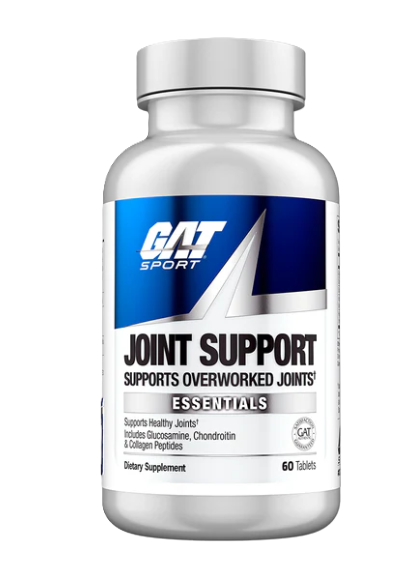
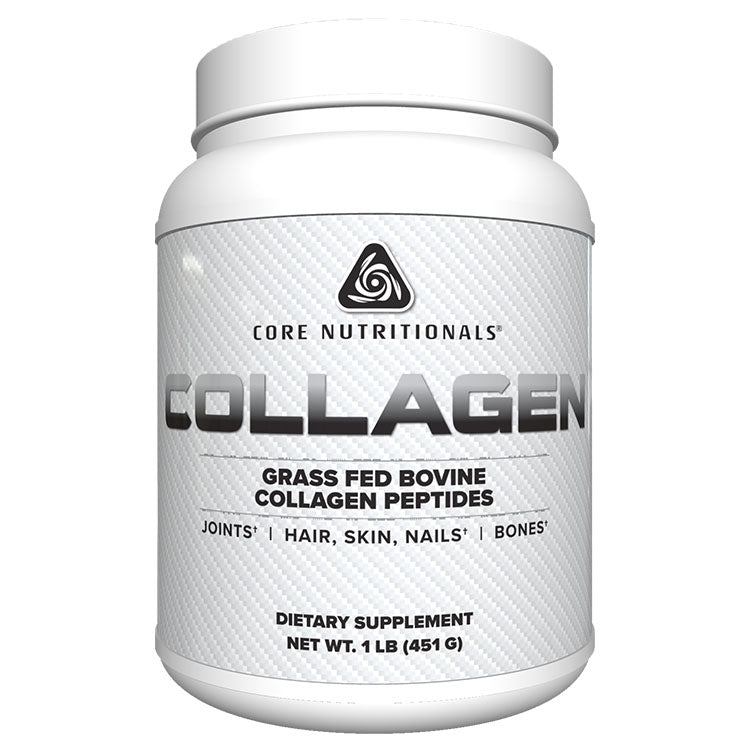
Want to dial in your recovery numbers first? Try our free fitness tools and calculators.
Your joints take a beating every session. Stop guessing at doses and start stacking with a plan. Tiger Fitness gives you the largest selection, the lowest prices, fast shipping, and a rewards program that pays you back on every order. Get started with Tiger Fitness and build a joint stack you can actually track.
Yes, and plenty of lifters do. Glucosamine and chondroitin are separate cartilage-support ingredients, so read the joint formula label first. If your joint product already contains collagen, do not add a second full dose on top. Start low, track how your joints feel, and check with a healthcare professional if you take medication.
There is no guaranteed timeline, and anyone who gives you an exact date is guessing. Results from collagen use are not guaranteed on a fixed timeline, so plan on consistent daily use over several weeks before you judge results. Track stiffness, mobility, and range of motion instead of chasing a feeling. If joint pain worsens or persists, see a qualified professional.
The bigger risk is doubling up on the same nutrient, not a specific bad pairing. Check every label for overlapping ingredients like vitamin C, zinc, or collagen itself before you stack. The benefits of collagen for skin and joint health are not well defined, so treat combinations as unproven rather than guaranteed. If you take prescription medication or have a medical condition, talk to a healthcare professional before adding supplements.
Yes. Collagen is a protein source and creatine is a separate compound, so there is no known reason to split them across the day. Collagen and creatine are separate compounds, so there is no known reason to split them across the day. Keep your daily doses consistent and read the label so you know what is in the product.
{"one"=>"Select 2 or 3 items to compare", "other"=>"{{ count }} of 3 items selected"}







Leave a comment