







BENEFITS OF PEA AND RICE PROTEIN BLENDS
Pea and Rice Protein Blends: Benefits for Muscle Growth
Table of Contents
- What Pea and Rice Protein Blends Are
- Pea and Rice Protein Amino Acid Profile
- Pea Protein vs Rice Protein: Key Differences
- Pea and Rice Protein for Muscle Growth and Recovery
- Pea Protein Powder Side Effects and Safety
- How to Use Pea and Rice Protein Blends Effectively
- Frequently Asked Questions
Last Updated: October 12, 2026
What Pea and Rice Protein Blends Are
Let me be straight with you: most people don't understand why blending pea and rice protein matters. They see "plant-based protein" and assume it's all the same. It's not.
A pea and rice protein blend combines protein isolates from two plant sources to create a more complete amino acid profile than either source alone. This is the core benefit, and it's worth understanding because the amino acid composition directly affects how your body uses the protein for muscle recovery and growth.
How Pea Protein Is Made
Pea protein starts with yellow peas. The process extracts protein through mechanical separation and processing, removing carbohydrates and fiber.
The extraction method matters. Most commercial pea protein uses water-based separation, which preserves the amino acid profile without chemical solvents. According to research published in Food Chemistry journal, pea protein isolates maintain their functional properties through this process, making them viable for muscle-building applications.
How Rice Protein Is Made
Rice protein comes from brown rice. The extraction process separates the protein from carbohydrates and fat, leaving a powder that's higher in methionine, the amino acid where pea protein falls short.
Brown rice protein isolates go through similar water based processing. Research from Bioprocess and Biosystems Engineering shows that brown rice protein maintains digestibility during extraction, which is critical because a protein your body can't digest efficiently is worthless for muscle recovery.
Pea and Rice Protein Amino Acid Profile
Here's where the science gets practical, and where most articles stop short. Pea protein is high in lysine but low in methionine. Rice protein flips this, high in methionine, lower in lysine. When you blend them, you get complementary amino acids that balance each other out. That's the headline. Now let's look at the numbers, because 'complete protein' is a claim you should be able to verify on a label.
The Numbers That Actually Matter
A typical pea protein isolate runs roughly 80 to 85 percent protein by weight. A brown rice protein isolate runs closer to 70 to 80 percent. When you blend them, the ratio determines everything. Most commercial blends land somewhere between 70/30 and 60/40 pea-to-rice.
Here's the practical breakdown per 25-gram scoop of a well-formulated blend:
- Leucine: roughly 2.0 to 2.5 grams. Leucine is the trigger for muscle protein synthesis. Research on the leucine threshold suggests around 2.5 grams per serving is the target for maximizing the anabolic response in most adults.
- Lysine: roughly 1.5 to 2.0 grams, thanks to the pea fraction.
- Methionine: roughly 0.5 to 0.8 grams, thanks to the rice fraction.
- Total essential amino acids (EAAs): roughly 9 to 11 grams.
Compare that to whey, which delivers about 2.5 to 3 grams of leucine per 25-gram scoop. A properly formulated pea and rice blend gets you into the same neighborhood. A poorly formulated one does not.
Why Complementary Amino Acids Matter
Complementary proteins work together. Your body doesn't store amino acids the way it stores carbs or fat. It needs the full spectrum available at the time of protein synthesis. When you consume pea and rice protein together, you're providing your muscles with the complete toolkit they need.
The practical implication: a well-formulated pea and rice blend can support muscle recovery as effectively as animal-based proteins for many athletes, provided the leucine dose clears the threshold. That's not hype, that's amino acid chemistry.
Complete Protein Status
A complete protein contains all nine essential amino acids in sufficient quantities. Most plant proteins fall short on one or more. Pea and rice blends, when properly formulated, achieve complete protein status through their complementary profiles.
This doesn't mean every blend on the market hits this mark. The ratio of pea to rice, the processing methods, and any added amino acids all affect whether the final product qualifies as a complete protein. Tiger Fitness's Ambrosia Planta uses a precise blend of organic brown rice and organic pea proteins with added sunflower-sourced amino acids specifically to maximize the amino acid profile for hard training recovery.

| Protein Source | Lysine | Methionine | Leucine (per 25g) | Complete Protein |
|---|---|---|---|---|
| Pea Protein | High | Low | ~2.0g | No (alone) |
| Rice Protein | Low | High | ~1.8g | No (alone) |
| Pea + Rice Blend | Balanced | Balanced | ~2.0-2.5g | Yes (if properly formulated) |
| Whey | High | High | ~2.5-3.0g | Yes |
Key Takeaway Don't trust the word 'complete' on a label. Flip the tub over and look at the amino acid panel. If leucine is under 2 grams per serving and total EAAs are under 8 grams, you're not getting the anabolic trigger you paid for.
How Blend Ratios Change the Profile
A 50/50 blend is not the same as a 70/30 blend. Push the pea side higher and you gain lysine but lose methionine. Push the rice side higher and you gain methionine but lose lysine. The sweet spot most formulators target is where both limiting amino acids clear the threshold simultaneously, which is why you rarely see a true 50/50 on a label.
If a brand won't disclose the ratio, that's a red flag. You can't evaluate completeness without it.
Pea Protein vs Rice Protein: Key Differences
Don't pick one over the other. That's the wrong question. The real question is whether you need both.
Pea protein alone gives you strong lysine content but weak methionine.
A blended approach solves this. You get the amino acid completeness without stacking multiple powders. For athletes tracking macros and managing calorie intake, this efficiency matters.
Taste and mixability differ between sources. Pea protein can have an earthy flavor that some people find off-putting. Rice protein is generally more neutral.
Pea and Rice Protein for Muscle Growth and Recovery
Here's what you need to know: plant-based proteins can support muscle growth when the amino acid profile is complete and your total protein intake is adequate.
The mechanism is straightforward. Your muscles break down during training. Protein synthesis, the process of rebuilding muscle tissue, requires amino acids. If you're consuming enough total protein from a complete source, your body has what it needs to recover and adapt.
What the Research Actually Shows
The research on pea and rice protein blends specifically is limited.
In vitro digestibility studies show that blended pea and rice proteins digest more efficiently than individual isolates, according to research in Bioprocess and Biosystems Engineering. That's good, better digestibility means better amino acid availability.
Human trials measuring actual muscle growth from pea and rice blends are sparse.
The practical reality: if you're consuming 0.8 to 1 gram of protein per pound of bodyweight daily from complete protein sources, whether animal or plant-based, and you're training hard with progressive overload, your body has the raw materials to build muscle.
Pea Protein Powder Side Effects and Safety
Plant-based proteins are generally well-tolerated. That said, some people experience digestive issues, and there are real quality and allergen concerns you need to check before you buy.
Digestive Side Effects
Common side effects include bloating, gas, and digestive discomfort, particularly when first introducing plant-based proteins. This usually resolves within a week or two as your digestive system adapts. Starting with smaller servings and increasing gradually helps minimize this.
Pea protein contains some fiber and oligosaccharides that can ferment in the gut. Rice protein is generally gentler. A blend tends to split the difference. If you're coming off whey and switching cold turkey, expect an adjustment window.
Allergen Considerations
Allergies to pea or rice are uncommon but possible. If you have a documented legume allergy, pea protein may trigger a reaction. Rice allergies are rare but can occur. Check labels carefully if you have any known sensitivities.
Here's the part most people miss: cross-contamination. A facility that runs dairy, soy, or tree nut products on the same lines can introduce allergens that aren't in the formula. If you have a serious allergy, look for a brand that discloses its manufacturing setup or carries a certified allergen-free claim.
Heavy Metals and Contamination
Because plants pull minerals from soil, rice and pea proteins can carry trace amounts of heavy metals like lead, cadmium, and arsenic. Rice, in particular, is known to accumulate inorganic arsenic from soil and water.
That doesn't mean every plant protein is dangerous. It means testing matters. A responsible brand tests every lot for heavy metals and publishes the results or makes them available on request. If a brand can't tell you what its heavy-metal testing protocol is, walk away.
Third-Party Testing and Label Accuracy
Amino spiking is a real problem in this category. That's when a manufacturer adds cheap free-form amino acids like glycine or taurine to inflate the nitrogen-based protein number on the label. You pay for protein you're not getting, and the extra aminos can cause digestive distress.
The fix is third-party testing. Look for:
- Informed Sport or NSF Certified for Sport certification, which screens for banned substances and verifies label claims.
- Independent lab COAs (certificates of analysis) available on the brand's website.
- A clear statement against amino spiking. If a brand won't say it doesn't spike, assume the worst.
Tiger Fitness's Ambrosia Planta is tested for label accuracy and guaranteed free of amino spiking, which eliminates this concern.
Who Should Be Careful
Most people tolerate pea and rice protein blends without issue. But if you have kidney disease, a legume allergy, or you're on a low-potassium or low-phosphorus diet, talk to your doctor before adding any protein powder. Plant proteins carry more potassium and phosphorus than whey, and that matters for some medical conditions.
If you experience persistent digestive problems, try reducing serving size or switching products. If symptoms continue, get it checked.
Watch Out Heavy metals and amino spiking are the two biggest quality risks in plant protein. Don't buy from a brand that won't show you test results. The extra few dollars for a tested product is cheaper than the alternative.
How to Use Pea and Rice Protein Blends Effectively
Dosing is straightforward: use the industry standard of 0.8 grams of protein per pound of bodyweight daily.
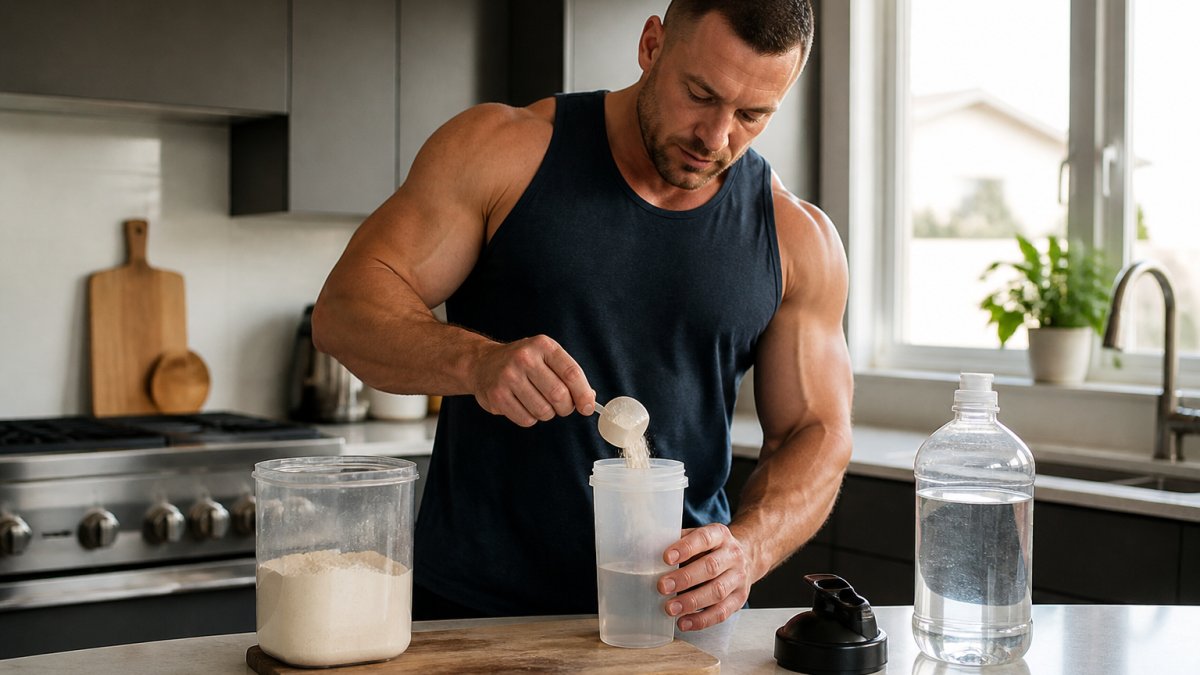
Most people mix one scoop with 8-12 ounces of water or milk. A standard scoop provides 20-25 grams of protein.
Blending with other foods improves taste and adds micronutrients. Mix into oatmeal, yogurt, smoothies, or pancake batter.
Consistency matters more than perfection. Taking the same amount daily, hitting your protein target, and training hard will deliver results.
To dial in your exact protein needs based on your bodyweight and goals, use FREE TOOLS & FITNESS CALCULATORS to determine your nutrition targets around your training.
Pea and rice protein blends work.
Frequently Asked Questions
Does pea and rice protein provide all essential amino acids?
Pea and rice protein together create a more complete amino acid profile than either source alone. Pea protein is high in lysine but low in methionine; rice protein has the opposite profile. When blended, they complement each other's amino acid composition. However, research shows the blend improves in-vitro digestibility compared to individual isolates. Whether this translates to superior muscle building in humans requires direct human trials, which have not yet been published for this specific blend ratio.
Is it safe to take pea protein powder every day?
Pea protein is generally recognized as safe for daily use as part of your protein intake. Most athletes and fitness enthusiasts use plant-based protein powders consistently without issue. If you have a documented pea allergy, avoid pea protein entirely. For anyone else, the limiting factor is total daily protein intake relative to your bodyweight and training goals, not the source. Use the industry standard of 0.8 grams of protein per pound of bodyweight to determine your daily needs, then adjust your intake accordingly.
How does pea and rice protein compare to whey for building muscle?
Whey protein is a complete protein with all nine essential amino acids in optimal ratios for muscle protein synthesis. Pea and rice blends are less researched for direct muscle building outcomes in humans. What matters most for muscle growth is total protein intake, consistency, progressive training, and adequate calories. If you're vegan, dairy-free, or prefer plant sources, a quality pea and rice blend can support your protein goals when consumed at the right volume alongside proper training.
What should I watch for when choosing a pea and rice protein blend?
Look for products tested for label accuracy and free from amino acid spiking, a cost-cutting practice that artificially inflates protein counts. Check the ingredient list for added sugars, artificial sweeteners, and allergen warnings. Verify the blend ratio and total protein content per serving. Quality products like Ambrosia Planta combine organic brown rice and pea proteins with added amino acids to optimize the profile. Third-party testing and transparent labeling are non-negotiable if you want to know what you're actually consuming.
Leave a comment