
NEW NULLA BAR FLAVORS
In-Stock Now!

Last Updated: November 12, 2026
Quick Summary
To prevent moisture in protein powder, keep it in an airtight container below 75°F, use a bone-dry scoop and dry hands, and never scoop over steam or a running faucet. Good protein powder storage means sealing the lid between scoops and storing away from heat, sunlight, and humid rooms.
Here's the hard truth: poor protein powder storage is the silent killer of your supplement investment. Learning how to prevent moisture in protein powder is not optional if you care about your gains or your bank account. Too many lifters toss half-used tubs because they turn into brick-hard clumps.
Protein powder is hygroscopic, meaning it pulls water straight out of the air. Once moisture gets in, clumping starts, texture changes, and flavor goes downhill fast. According to Tiger Fitness storage guidance, heat and humidity are the two biggest threats to shelf life. Keep your powder in an airtight container below 75°F and you protect both quality and your wallet.
The moment you break that seal, the clock starts ticking. How to store protein powder after opening comes down to three rules: seal it tight, keep it cool, and keep it dry.
Transfer powder to a clean, dry, airtight container, or reseal the original bag completely after every scoop. Gainful's storage guide flags heat and moisture as the major risks and advises keeping packaging away from sunlight and water. Squeeze the air out of bags before sealing. Store tubs in a cool, dark cabinet, not above the stove or in a steamy bathroom. If you want to restock while you're organizing, browse our whey protein powder selection.
Clumping is a moisture problem, not a quality problem. Keep the powder dry and clumps rarely form. But 'keep it dry' is where most articles stop, and that's why people still end up with bricked tubs. Here's the mechanism and the protocol.
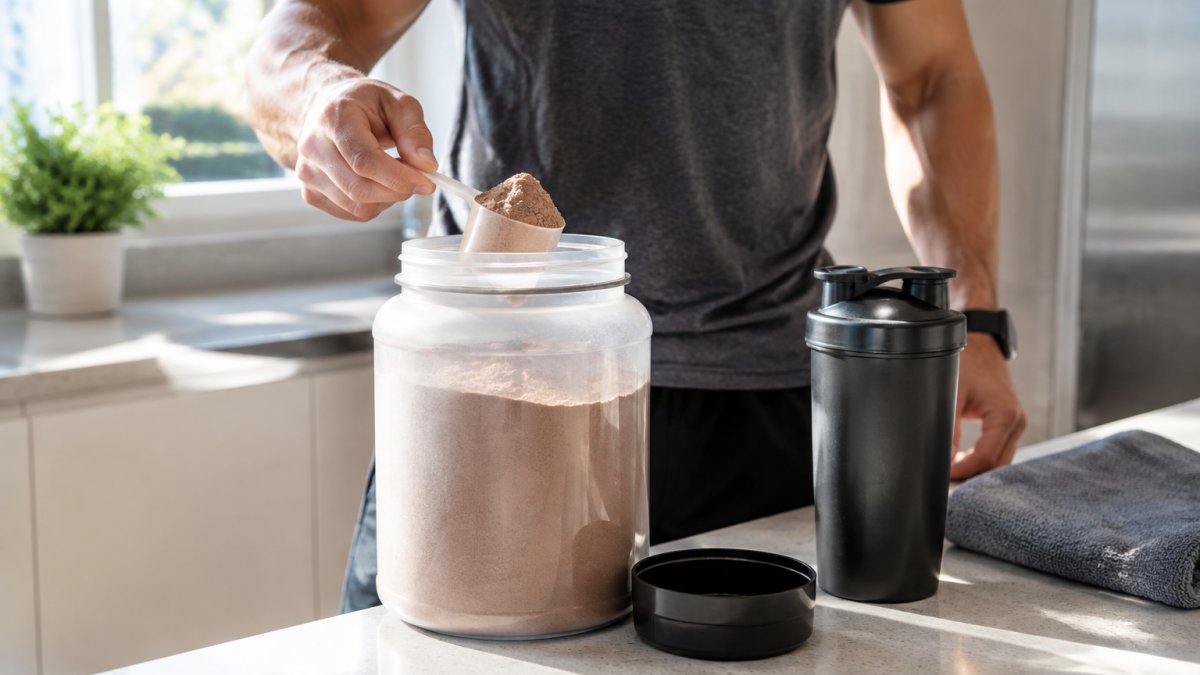
Protein powder is hygroscopic, it pulls water vapor out of the air. Whey and casein powders are especially prone because their protein fractions are hydrophilic, and many blends include hygroscopic additives like maltodextrin, dextrose, or certain flavor systems. When ambient relative humidity climbs, water vapor migrates into the powder, particles stick together at contact points, and you get caking. A 2022 study in Foods journal on high-protein powder structure examined how powder particle structure affects hydration and water sorption, the takeaway is that surface area and particle structure drive how fast a powder pulls moisture. Finer powders and higher-protein concentrations absorb faster than coarse, blended powders.
Follow these habits in order, each one closes a specific moisture path:
Watch out: If you live in a high-humidity climate or store powder in a garage or basement, an airtight container alone may not be enough. Consider a food-grade desiccant (covered in the container section below).
Not all clumps mean the powder is ruined. Soft clumps that break apart with a gentle shake or a dry fork are usually just compaction and light moisture, the powder is still usable. Hard clumps that won't break, a sour or off smell, changed color, or visible mold mean it's time to toss it. The difference matters: breaking up soft clumps and resealing properly saves the tub, while ignoring hard clumps wastes money and risks a bad batch.
Repeated moisture exposure doesn't just clump your powder, it degrades quality over time. Every open-lid cycle and every humid day adds to the cumulative water content. Treat the tub like a sealed system to protect its shelf life.
Yes, protein powder does go bad, though "bad" usually means stale and clumpy before it means unsafe. Check the manufacturer's date on the package for shelf-life guidance, and store opened powder airtight, cool, and dry.
Signs it's time to toss it:
The right container is airtight, opaque or dark, and sized to your powder volume. That's the baseline every article gives you. Here's how to actually pick one and why each feature matters.
| Option | Best For | Watch Out For |
|---|---|---|
| Silica gel packets | Small tubs, quick moisture control | Keep away from kids and pets; never open packets |
| Food-grade desiccant canisters | Larger containers, long storage | Must be food-safe rated; replace when saturated |
| No desiccant, airtight only | Short-term storage, daily use | Less protection in humid climates |
Silica packets are a common option for small tubs, and food-grade desiccant canisters suit larger containers. Either way, they absorb ambient moisture so your powder doesn't. Desiccants add a step and need periodic replacement.
Watch out: If you transfer powder to a new container, make sure it's completely dry before you dump the powder in. A rinsed-but-not-dried container is worse than the original bag.
Most articles tell you to buy one container. The better approach is a system: keep unopened bags sealed in a cool, dark, dry spot, open one at a time, and split large orders into smaller airtight containers so you're not opening the same big tub every day. That reduces open-lid cycles, which is the single biggest driver of moisture exposure. If you're picking a container, you're likely ready to buy powder too, so check our full protein powder category and match your container size to the tub size you actually buy.
The number one mistake we see is the wet scoop. A damp scoop drops water straight into the tub, and Tiger Fitness's 2026 storage guide specifically warns that a wet scoop introduces moisture. Other common errors:
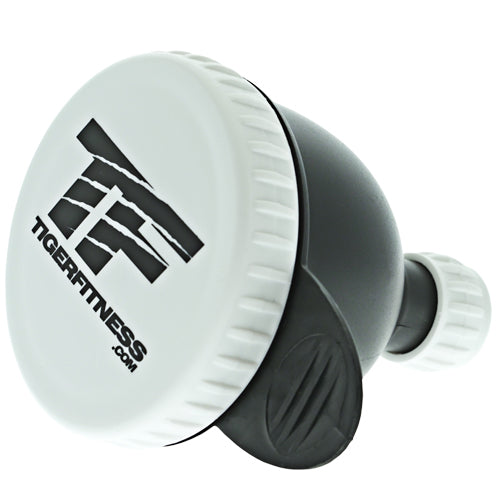
Fix the mess with a clean transfer tool. The TF Scratch Funnel is designed to transfer powder into a bottle without spilling.
Buying in bulk saves money, but only if you store it right. Keep unopened bags in a cool, dark, dry spot. Open one at a time and finish it before breaking the next seal. Split large orders into smaller airtight containers so you're not opening the same big tub every day. Planning a big restock? Start with our list of the best protein powders and buy with confidence.
Moisture control is a habit, not a one-time fix. Keep your powder sealed, cool, and dry, and you protect every scoop you paid for. Tiger Fitness stocks the powders and gear to keep your stash fresh, backed by low prices, fast shipping, and a rewards program that pays you back. Get started with Tiger Fitness and keep your protein fresh from first scoop to last.
It depends on how wet and for how long. Small clumps from humidity can often be broken up and used if the powder still smells normal and shows no mold. If the powder is visibly damp, discolored, or smells sour, throw it out. Moisture creates the perfect environment for bacteria and mold growth. A wet scoop introduced into the tub is a common culprit, which is why Always use a dry scoop and seal the container tight.
Not usually. The refrigerator introduces temperature swings every time you open the door, and condensation can form inside the container. Store protein powder in an airtight container below 75°F, away from heat, humidity, and sunlight. A cool, dry pantry is better than a fridge for most tubs. If you live in a very humid climate, a dark cabinet away from the stove and dishwasher is your best bet.
Only food-grade desiccant packets designed for direct food contact are safe. Silica gel packets that come with shoes or electronics are not food-safe and should never go in your powder. Even with food-grade packets, keep them out of reach and make sure they stay intact. A simpler approach is to use an airtight container, keep a dry scoop, and store the tub in a cool, dry place.
Clumping happens when moisture meets powder. Humidity in the air, a wet scoop, or a container that does not seal tight all let water vapor in. The powder absorbs it, particles stick together, and you get rock-hard chunks. Heat makes it worse by speeding up the process. Keep the lid sealed, use a dry scoop every time, and store the tub in a cool, dry place. If clumps form, break them up and use the powder soon.
{"one"=>"Select 2 or 3 items to compare", "other"=>"{{ count }} of 3 items selected"}







Leave a comment