




BEST NIGHTTIME RECOVERY SUPPLEMENTS
Sleep Aids for Muscle Recovery: Beginners Guide
Table of Contents
- Why Sleep Aids Matter for Muscle Recovery Beginners
- The Impact of Sleep on Muscle Growth
- Best Nighttime Recovery Supplements for Beginners
- How to Improve Sleep Quality for Athletes
- Building Your First Sleep and Recovery Stack
- Common Beginner Mistakes That Kill Recovery
- Frequently Asked Questions
Last Updated: September 26, 2026
Why Sleep Aids Matter for Muscle Recovery Beginners
You can't out-supplement poor sleep. This is the reality most beginners miss when they're obsessing over protein powder and amino acids while sleeping five hours a night.
Sleep is where the actual work happens. When you train, you create micro-tears in muscle fibers. Your body repairs those tears during sleep through a process called muscle protein synthesis. According to science-based recovery research from GOWOD, one night of poor sleep reduces muscle protein synthesis by approximately 18%. That's significant. That's the difference between building muscle and spinning your wheels.
The data backs this up consistently. Research from the National Library of Medicine on sleep and athletic recovery shows that sleep extension improves athletic performance, mitigates pain sensitivity, and enhances anabolic responses, the hormonal environment your body needs to build muscle and recover from training. Growth hormone, testosterone, and insulin-like growth factor (IGF-I) all spike during deep sleep. Without quality sleep, these hormones stay suppressed.
Key Takeaway Sleep isn't recovery, sleep IS recovery. Everything else (nutrition, training, supplements) supports what happens when you're unconscious.
This is why sleep aids for muscle recovery beginners aren't optional add-ons. They're foundational. Most beginners approach recovery backwards: they nail their training, dial in their nutrition, then wonder why they're not seeing results. The missing piece is almost always sleep quality and duration.
The Impact of Sleep on Muscle Growth
Your muscles don't grow in the gym, they grow at night. The training is just the stimulus.
During deep sleep, your body enters an anabolic state. Growth hormone secretion peaks during the first few hours of deep sleep (stages 3 and 4 of sleep architecture). This hormone triggers muscle protein synthesis, the biological process that repairs and builds muscle tissue. Without sufficient deep sleep, this process barely happens.
The research is clear: Health.com guidelines on sleep duration recommend 7-9 hours of sleep for optimal muscle recovery. But quantity alone isn't enough, quality matters more. You can sleep eight hours and still wake up feeling destroyed if you're not hitting deep sleep cycles.
Here's what most beginners don't understand: caffeine consumption directly sabotages this. According to PMC research on athlete sleep practices, approximately 20% of athletes report daily caffeine use, which can negatively impact sleep quality. If you're training late in the afternoon and consuming pre-workout stimulants, you're already fighting against deep sleep before your head hits the pillow.
Cortisol, your stress hormone, also matters. During poor sleep, cortisol stays elevated. Elevated cortisol breaks down muscle tissue and suppresses testosterone. It's literally the opposite of what you want when you're trying to build muscle.
The circadian rhythm component is overlooked too. Your body has an internal clock that regulates hormone release, body temperature, and sleep wake cycles. When you sleep at inconsistent times, you disrupt this rhythm. Even if you're getting seven hours, if those seven hours are at random times, your hormonal recovery suffers.
Best Nighttime Recovery Supplements for Beginners
Not all sleep aids are created equal. Some are stimulating. Some are habit forming. Some just don't work. For beginners, the goal is straightforward: fall asleep faster, stay asleep longer, and wake up recovered.
Tiger Fitness carries several evidence backed formulas designed specifically for athletes. The Unmatched Longevity Sleep formula from Kris Gethin includes PeptiSleep™, a rice protein hydrolysate peptide designed to support deep sleep architecture. It also contains magnesium glycinate and tart cherry extract, both backed by research for supporting sleep quality and recovery.

For budget-conscious beginners, HTLT Delta Sleep delivers the core ingredients: melatonin for circadian rhythm regulation, magnesium for relaxation, GABA and L-theanine for calming neurotransmitter activity, and ashwagandha as an adaptogen to lower stress hormones. This is a solid entry point.

PANDA Supps Snoozzzze focuses on the practical outcome: fall asleep faster, stay asleep longer, wake up recovered. It combines melatonin, magnesium, L-theanine, and GABA, proven ingredients without unnecessary complexity.

5% Nutrition Knocked The F*ck Out is built for lifters who need deep sleep and next-day performance. It includes botanicals and amino acids designed for relaxation and sleep cycle support, stacking well with other recovery supplements like magnesium or protein.
Key Ingredients to Look For
Not every ingredient in a sleep formula matters equally. When evaluating sleep aids, focus on these evidence backed compounds:
Magnesium Glycinate, This is the form that matters. Magnesium supports muscle relaxation and nervous system calm, but only certain forms absorb well. Glycinate is chelated, meaning it's bound to an amino acid for better bioavailability. Look for this specifically, not just "magnesium."
Melatonin, Your body produces this hormone naturally to regulate sleep-wake cycles. Supplemental melatonin (typically 3-10mg) helps reset circadian rhythm and reduce sleep latency, the time it takes to fall asleep. It's not sedating; it's signaling your body that it's time to sleep.
GABA (Gamma-Aminobutyric Acid), This neurotransmitter calms nervous system activity. Higher GABA levels correlate with deeper sleep and reduced anxiety. Most sleep formulas include 1-3g per serving.
L-Theanine, An amino acid from green tea that promotes relaxation without sedation. It increases GABA and serotonin production, creating a calm mental state without the grogginess of traditional sleep aids.
Tart Cherry Extract, Contains natural melatonin and anthocyanins. Research supports it for improving sleep duration and quality, particularly for athletes. It's one of the few ingredients with peer-reviewed support specifically for recovery.
Valerian Root, A herbal compound traditionally used for sleep support. It works, but effects take 2-4 weeks to build. Not ideal for immediate sleep problems, but solid for long-term sleep architecture improvement.
Glycine, An amino acid that lowers body temperature and promotes deep sleep. Most formulas include 2-3g. It's also used in collagen and protein synthesis, so it supports recovery on multiple levels.
Natural vs. Synthetic Sleep Aids
This distinction matters less than you think. The question isn't "natural vs. synthetic", it's "does it work and is it safe?"
Natural ingredients like valerian root, tart cherry, and passionflower have traditional use and some research backing. But "natural" doesn't mean safer or more effective. Melatonin is naturally produced in your body, but supplemental melatonin is synthesized in a lab. Both work the same way.
Synthetic compounds like pharmaceutical sleep aids (prescription options like zolpidem) are habit-forming and come with morning grogginess and dependency risks. Over-the-counter antihistamines (Benadryl, etc.) work but lose effectiveness quickly as your body adapts.
The supplements in Tiger Fitness's lineup fall into a middle ground: they use both natural extracts (tart cherry, valerian, ashwagandha) and synthesized compounds (melatonin, GABA, L-theanine) in non-habit-forming combinations. This approach is safer and more sustainable than relying on prescription sleep aids, especially for beginners who just need better sleep quality to support training recovery.
The real difference: natural ingredients often work slower and require consistent use. Synthetic compounds in supplements work faster but need proper dosing. For beginners, start with formulas that combine both, you get faster results and longer-term benefits.
How to Improve Sleep Quality for Athletes
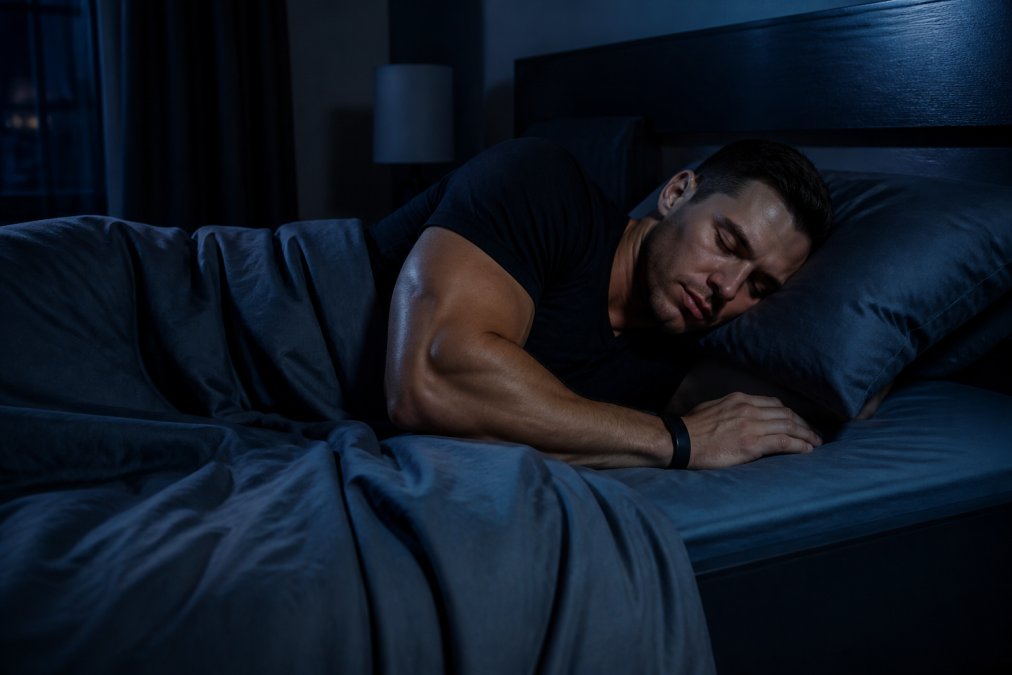
Sleep hygiene beats supplements. This is the part most beginners skip, then wonder why their sleep aid isn't working.
Your bedroom should be cool (around 65-68°F), completely dark, and quiet. Light suppresses melatonin production. Temperature affects how quickly you enter deep sleep. Noise disrupts sleep cycles. These aren't minor factors, they're foundational.
Consistency matters more than you'd think. Your circadian rhythm thrives on predictability. Going to bed at 10 PM every night and waking at 6 AM every morning trains your body to release hormones at those times. Random sleep schedules sabotage this, even if total sleep hours are adequate.
Caffeine timing is critical. Caffeine has a half-life of 5-6 hours, meaning half of what you consume is still in your system six hours later. If you're training at 4 PM with pre-workout, you're still running on caffeine at 10 PM. Cut caffeine by 2 PM if you're serious about sleep quality.
Blue light from screens suppresses melatonin. Stop using your phone, laptop, and TV at least 30-60 minutes before bed. This isn't theoretical, it's measurable. Your melatonin production drops when blue light hits your eyes.
A consistent bedtime routine signals your body that sleep is coming.
Building Your First Sleep and Recovery Stack
Don't overcomplicate this. A beginner's sleep and recovery stack should be simple, effective, and sustainable.
| Component | Purpose | Timing | Frequency |
|---|---|---|---|
| Sleep aid formula | Support sleep onset and deep sleep | 30-60 minutes before bed | Every night |
| Magnesium glycinate | Muscle relaxation and nervous system calm | With dinner or before bed | Daily |
| Casein protein or collagen | Overnight muscle protein synthesis | 30-60 minutes before bed | 4-5x per week |
| Consistent sleep schedule | Circadian rhythm regulation | Same time every night | Every night |
Common Beginner Mistakes That Kill Recovery
Mistake 1: Taking sleep aids inconsistently. Your body adapts to supplements over time. Taking melatonin three nights a week won't work. Commit to daily use for at least 2-3 weeks before assessing effectiveness.
Frequently Asked Questions
Does sleep aid muscle recovery?
Yes. One night of poor sleep reduces muscle protein synthesis by approximately 18%, according to science-based recovery research. Sleep is when your body releases growth hormone and repairs tissue damage from training. Without adequate sleep, your muscles cannot fully recover, and your gains stall. This is why sleep aids for muscle recovery are critical for beginners, they help you hit the 7-9 hours recommended for optimal muscle repair.
What are the best ingredients in nighttime recovery supplements?
Look for magnesium glycinate, melatonin, GABA, L-theanine, tart cherry extract, and valerian root. Magnesium supports muscle relaxation and recovery. Melatonin regulates your circadian rhythm and sleep onset. GABA and L-theanine calm your nervous system. Tart cherry and valerian root support deep sleep cycles. The best nighttime recovery supplements combine these ingredients to address multiple aspects of sleep quality and muscle repair.
How long before bed should I take a sleep aid?
Most sleep supplements work best taken 20-45 minutes before bedtime, depending on the formula. This timing allows ingredients like melatonin and magnesium to enter your system before you need to sleep. Check your specific product's label for exact timing. Consistency matters, take it at the same time every night to establish a predictable bedtime routine and maximize recovery benefits.
Can poor sleep quality negate my gym progress?
Absolutely. Poor sleep sabotages muscle protein synthesis, hormone balance, and recovery. It also elevates cortisol (a catabolic hormone) and impairs next-day performance and focus. Beginners who train hard but sleep poorly will see minimal muscle growth and may even lose strength. Quality sleep is non-negotiable if you want your training to actually build muscle. This is why sleep hygiene and recovery aids are worth your attention from day one.
Leave a comment