







ALPHA-LIPOIC ACID NERVE BENEFITS
Top 5 Vitamins for Nerve Damage Recovery
Table of Contents
- Top 5 Vitamins for Nerve Damage Recovery: Quick Comparison
- 1. Vitamin B12 (Methylcobalamin): The Primary Nerve Regenerator
- 2. Vitamin B1 (Thiamine): Energy and Nerve Function Support
- 3. Folic Acid (B9): Cellular Repair and Homocysteine Management
- B-Complex Vitamins for Neuropathy: Why They Work Together
- 4. Alpha-Lipoic Acid: Antioxidant Nerve Benefits
- 5. Magnesium: Supporting Nerve Signaling and Recovery
- How to Support Nerve Recovery: Practical Implementation
- Frequently Asked Questions
Last Updated: September 22, 2026
Top 5 Vitamins for Nerve Damage Recovery: Quick Comparison
Nerve damage affects millions. Whether peripheral neuropathy, diabetic nerve damage, or injury related issues, recovery requires the right nutritional support. Specific vitamins have solid research backing their role in nerve regeneration and repair.
Vitamin B12 is the primary nerve regenerator. B-complex vitamins work synergistically to support nerve function. Alpha-lipoic acid provides antioxidant protection. Magnesium enables proper nerve signaling. This guide breaks down the top 5 vitamins for nerve damage recovery based on current research and practical application.
Quick Picks:
- Best Overall Nerve Support: Vitamin B12 (Methylcobalamin), superior peripheral nerve regeneration
- Best for Energy & Nerve Function: Vitamin B1 (Thiamine), converts carbs to usable energy
- Best for Cellular Repair: Folic Acid (B9), manages homocysteine and supports cell division
- Best Antioxidant Protection: Alpha-Lipoic Acid, reduces oxidative stress on nerves
- Best for Nerve Signaling: Magnesium, regulates 300+ enzymatic processes
| Vitamin | Form | Key Benefit | Best For | Tiger Fitness Option |
|---|---|---|---|---|
| B12 | Methylcobalamin | Nerve regeneration | All nerve damage types | NOW Methyl B-12, $12.95 |
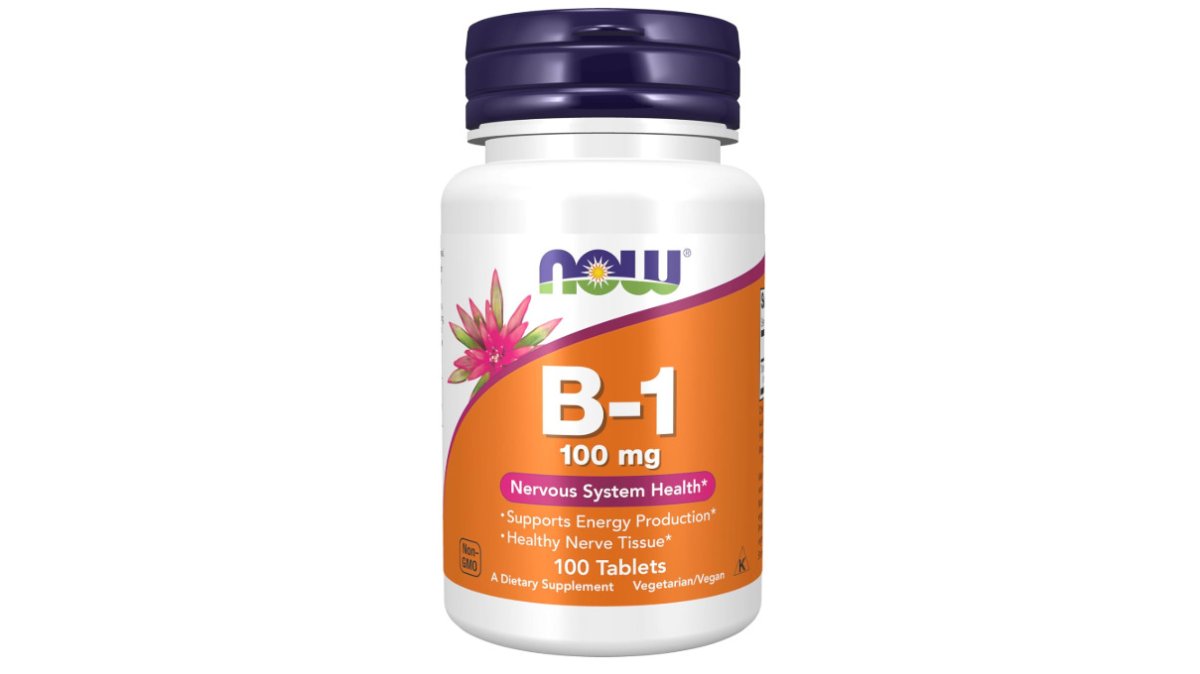
| B1 | Thiamine | Energy metabolism | Carb-heavy diets | NOW Vitamin B-1, $9.95 |
| B9 | Folic Acid | Cellular repair | Homocysteine management | NOW Folic Acid + B-12, $8.95 |
| R-ALA | Alpha-Lipoic Acid | Antioxidant defense | Oxidative stress | Hi-Tech Pharma R-ALA, $34.95 |
| Magnesium | Glycinate | Nerve signaling | Sleep & relaxation | Revive Magnesium Glycinate, $19.95 |
1. Vitamin B12 (Methylcobalamin): The Primary Nerve Regenerator
Vitamin B12 is the heavy hitter for nerve recovery. Research shows B12 was found to be superior in augmenting peripheral nerve regeneration compared to vitamin B1 and B6 alone Cureus review of peripheral nerve injury recovery. That's not hype, that's data.


Here's why it works: methylcobalamin is the active, coenzyme form of B12 that your body uses immediately without conversion. Unlike cyanocobalamin (the synthetic form), methylcobalamin doesn't require processing in your liver. It goes straight to work supporting nerve cell function and energy production.
B12 plays a critical role in myelin formation, the insulation around nerve fibers. Damaged myelin means slow nerve signals and pain. Restore B12 levels, and you're literally rebuilding the infrastructure that allows nerves to communicate.
Practical application: Take 1,000 mcg daily. The sublingual form (under the tongue) or lozenges work best because they bypass digestive absorption issues. NOW Methyl B-12 delivers the methylcobalamin form.
Pro Tip Methylcobalamin is superior to cyanocobalamin for nerve health because it's the form your nervous system actually uses. Your body doesn't need to convert it, which means faster bioavailability and more efficient nerve repair.
2. Vitamin B1 (Thiamine): Energy and Nerve Function Support
Thiamine isn't flashy, but it's essential. B1 converts carbohydrates into ATP, the energy currency your cells use. Nerve cells are metabolically expensive, they need constant energy to maintain ion channels, transmit signals, and repair damage. Starve them of thiamine, and recovery stalls.
Thiamine also supports myelin formation and protects nerve cells from oxidative stress. For athletes and active people, B1 becomes critical because intense training depletes water-soluble vitamins rapidly. If you're recovering from nerve damage, you need targeted support. NOW Vitamin B-1 gives you 100 mg per capsule, enough to support energy metabolism without excess.
Daily dose: 100 mg with a meal. B vitamins are water soluble, so your body doesn't store them. Consistent daily intake matters more than occasional megadoses.
Watch Out B1 deficiency causes beriberi in severe cases, but subclinical deficiency is common in people with high carb intake or poor diet quality. You might not have full beriberi, but you could still be leaving nerve recovery on the table.
3. Folic Acid (B9): Cellular Repair and Homocysteine Management
Folic acid does two critical things for nerve recovery: it supports cell division (essential for rebuilding nerve tissue) and it manages homocysteine levels.
Here's why homocysteine matters: elevated homocysteine damages blood vessel walls and increases inflammation. Neurotropic B vitamins (B1, B6, B12) are identified as key players in maintaining neuronal viability PMC study on B vitamins in nerve regeneration. Folic acid works with B12 to keep homocysteine in check, protecting the vascular system that feeds your nerves.
Folic acid also participates in methylation pathways, biochemical processes that regulate gene expression and reduce systemic inflammation. This matters for long-term nerve health.
B12 and folic acid work together. NOW Folic Acid + B-12 combines both. You get 800 mcg of folic acid plus 25 mcg of B12 in one tablet. If you're already taking B12 separately, you still want folic acid, the combination is more effective than either alone.
B-Complex Vitamins for Neuropathy: Why They Work Together
B vitamins are a team, and the dosing ratios matter.
Neurotropic B vitamins (B1, B6, B12) work synergistically to support nerve function and regeneration. You can't just load up on B12 and expect full recovery. B1 provides energy. B6 supports neurotransmitter synthesis. B12 rebuilds myelin. Together, they create an environment where nerve cells can actually repair themselves.
A combination of vitamin B12 and other neurotropic vitamins shows potential in enhancing peripheral nerve regeneration outcomes Foundation for Peripheral Neuropathy resource. That's why athletes and people in recovery often use B-complex formulas alongside targeted individual supplements.
Why the ratio matters:
B vitamins compete for absorption. Keep B1, B6, and B12 in a 1:1:1 ratio by milligram equivalent: if you're taking 100 mg of B1, aim for 100 mg of B6 and 1,000 mcg (1 mg) of B12. Folic acid (B9) amplifies B12's effectiveness at a 2:1 ratio: 800 mcg folic acid paired with 1,000 mcg B12 manages homocysteine.
Timing and absorption:
B vitamins are water-soluble and require consistent daily intake. Take your B-complex with breakfast or lunch, not dinner, B vitamins can interfere with sleep. Pair them with fat (eggs, avocado, nuts) to improve absorption. Magnesium and B vitamins don't compete, so take B vitamins in the morning and magnesium in the evening to support sleep.
The maintenance question: What happens after recovery?
After 8-12 weeks of improved nerve function, adjust your protocol.
Implementation for long-term success:
Key Takeaway B vitamins don't work in isolation. You need them all on site. And once the job is done, you still need maintenance staff to keep the systems running.
4. Alpha-Lipoic Acid: Antioxidant Nerve Benefits
Alpha-lipoic acid (ALA) is a mitochondrial antioxidant that reduces oxidative stress on nerve cells. Increased focus on antioxidant-based support for nerve health is now mainstream in research. Alpha-lipoic acid is frequently cited for its ability to mitigate oxidative stress in nerves Foundation for Peripheral Neuropathy guidance.
5. Magnesium: Supporting Nerve Signaling and Recovery
Magnesium regulates over 300 enzymatic processes and is critical for nerve recovery because it regulates calcium influx into nerve cells, a key mechanism in nerve signaling and muscle contraction. Magnesium deficiency impairs nerve function and slows recovery. Athletes are especially vulnerable because intense training depletes magnesium through sweat. The glycinate form (magnesium bound to the amino acid glycine) is superior for nerve health.
Best For Athletes and active people recovering from nerve damage who need both nerve signaling support and improved sleep quality. Magnesium glycinate is gentler than other forms and includes glycine's calming benefits.
How to Support Nerve Recovery: Practical Implementation
Recovery from nerve damage takes time. With consistent supplementation and the right vitamins, you can support your body's natural repair processes. The key is doing it safely and knowing exactly what you're taking.
Critical safety considerations before you stack:
Verify what you're actually buying:
Frequently Asked Questions
What is the number one vitamin to heal nerve damage?
Vitamin B12 (methylcobalamin) stands out as the primary vitamin for nerve damage recovery. Research from Cureus (2022) found B12 superior in augmenting peripheral nerve regeneration compared to B1 and B6 alone. B12 is directly involved in neuronal viability and myelin formation, making it essential for nerve repair. The methylcobalamin form is preferred because it doesn't require conversion in the body, it's already in the active form your nervous system needs.
How do B-complex vitamins for neuropathy work together?
B-complex vitamins work synergistically to support nerve health. B1 (thiamine) converts carbohydrates to energy and maintains nerve cell function. B12 supports myelin formation and neuronal viability. Folic acid (B9) regulates homocysteine levels, which protects nerves from damage when elevated. Together, these neurotropic B vitamins create an environment where peripheral nerves can regenerate. Research from PMC (2021) identified B1, B6, and B12 as key players in maintaining neuronal viability, they work best as a combined approach.
How long does it take for B12 to repair nerve damage?
Nerve repair is a gradual process. B12 supplementation typically shows measurable improvements in nerve function over 8-12 weeks of consistent use, though individual timelines vary based on damage severity and baseline B12 levels. Some people notice energy improvements within 2-3 weeks. However, complete reversal of severe nerve damage is not guaranteed, B12 supports the regenerative process but doesn't reverse all damage. Consistency matters: daily supplementation yields better results than sporadic use.
What role does alpha-lipoic acid play in nerve benefits?
Alpha-lipoic acid (R-ALA) is a powerful antioxidant that mitigates oxidative stress in nerves, a major driver of neuropathy progression. The Foundation for Peripheral Neuropathy (2022) frequently cites alpha-lipoic acid for protecting nerve tissue from free radical damage. It also enhances cellular energy production and improves glucose metabolism, both critical for nerve function. R-ALA is the biologically active form, making it more effective than standard ALA for nerve protection and recovery support.
How should I support nerve recovery with supplementation?
Start with a structured approach: take B12 (methylcobalamin) daily at 1,000 mcg, add B1 at 100 mg, and include folic acid at 800 mcg. Layer in magnesium glycinate for nerve signaling support and alpha-lipoic acid for antioxidant protection. Space doses throughout the day with meals for optimal absorption. Third-party tested products matter, verify purity before buying. Consistency over 8-12 weeks yields results. Consult a healthcare provider before starting, especially if you take medications or have existing conditions.
Nerve damage recovery requires a systematic approach. The five vitamins covered here address the core mechanisms: energy production, myelin formation, cellular repair, antioxidant protection, and nerve signaling. Tiger Fitness stocks all of them at the lowest prices with fast shipping and personalized support. Start with B12 and magnesium, stay consistent, and give your nervous system the tools it needs to recover.
Leave a comment