






Best Muscle Recovery Supplements for Injury
Table of Contents
- Best Muscle Recovery Supplements for Injury: What the Science Says
- How Supplements Aid Injury Recovery
- Collagen for Muscle Repair and Connective Tissue Support
- Benefits of Creatine for Injury Recovery and Strength Maintenance
- Omega-3 Fatty Acids for Inflammation and Recovery
- How to Speed Up Muscle Recovery After Injury
- Top Recovery Supplements: Glutamine, Magnesium, and Protein
- Supplement Interactions and Safety Considerations
Last Updated: August 26, 2026
Best Muscle Recovery Supplements for Injury: What the Science Says
Americans consume over 4 million kilograms of creatine annually, and the sports nutrition market hit $43.16 billion in 2024, with muscle recovery supplements driving significant growth. The best muscle recovery supplements for injury aren't magic pills, they're evidence-based tools that support your body's natural repair processes when you're sidelined or rebuilding after trauma.
At Tiger Fitness, we've identified which supplements actually work for injury recovery versus which ones are expensive placeholders. This guide breaks down the science, shows you which products deliver real results, and tells you exactly how to use them without wasting money or risking interactions with medications.
How Supplements Aid Injury Recovery
Injury forces your body into a catabolic state where muscle breakdown exceeds muscle protein synthesis. Your training stimulus disappears, but protein demands don't. This is where supplementation becomes strategic.
When injured, three things happen simultaneously: you lose the mechanical tension that triggers muscle growth, inflammation spikes as part of healing, and your ability to consume whole foods may be limited by pain or medication side effects.
Research from the Journal of the International Society of Sports Nutrition shows that 68.3% of supplement users target sports performance enhancement, while 34.1% focus on general health. Injury recovery sits at the intersection of both. The best supplements address three mechanisms: reducing inflammation, supporting muscle protein synthesis despite reduced training, and maintaining micronutrient status when dietary intake drops.
According to a 2024 athlete survey from the National Institutes of Health, 41.7% of college athletes used protein products, 28.6% consumed energy drinks, and 14% took creatine. These target specific recovery pathways. Protein drives amino acid availability. Creatine supports ATP production. Anti-inflammatory compounds like omega-3s reduce oxidative stress that slows healing.
Collagen for Muscle Repair and Connective Tissue Support
Collagen is the structural protein holding tendons, ligaments, and joint cartilage together, tissues that take longer to heal than muscle and often limit your return to training.
The collagen supplement market reached $425.82 million in 2025 and is projected to expand to $608.56 million by 2032, according to MarkNtel Advisors' collagen market analysis. This growth reflects real results. When you tear a ligament or damage cartilage, collagen synthesis becomes the bottleneck. Your body rebuilds muscle relatively quickly with adequate protein and training stimulus. Connective tissue heals slower and requires specific amino acids, glycine, proline, and hydroxyproline, that collagen supplements provide in concentrated form.
Collagen peptides also support muscle protein synthesis independent of their structural role. The amino acid profile triggers anabolic signaling, making collagen a legitimate muscle-building supplement during injury recovery when whole-food protein intake might be compromised.
Dosing: 10-20 grams daily of hydrolyzed collagen peptides. Timing doesn't matter; collagen works systemically. Consistency over weeks and months drives results.
Pro Tip Collagen absorbs best when paired with vitamin C and consumed with a meal containing carbs. The carbs trigger an insulin response that improves amino acid uptake into muscle tissue.
Benefits of Creatine for Injury Recovery and Strength Maintenance
Creatine is a cellular energy tool critical when you can't train hard enough to maintain ATP production naturally. The creatine market reached $139.4 million in 2024 and is projected to grow at 25.1% CAGR to $531.3 million by 2030, according to Grand View Research's creatine market report.
When sidelined, you lose high force contractions that normally drive ATP turnover. Creatine supplementation maintains cellular energy status, directly supporting muscle protein synthesis and reducing muscle loss during immobilization or low-activity phases.
For injury recovery, creatine's benefits include:
- Reduced muscle atrophy: Maintains force production capacity during reduced training
- Faster ATP resynthesis: Supports cellular repair processes requiring energy
- Anti-inflammatory effects: Emerging research suggests creatine modulates inflammatory cytokines
- Neurological support: Maintains cognitive function during injury stress
Watch Out Creatine requires consistent hydration. Water shifts into muscle cells, increasing daily fluid needs. Dehydration during injury recovery slows healing and increases pain. Drink an additional 500-750 milliliters of water daily when using creatine.
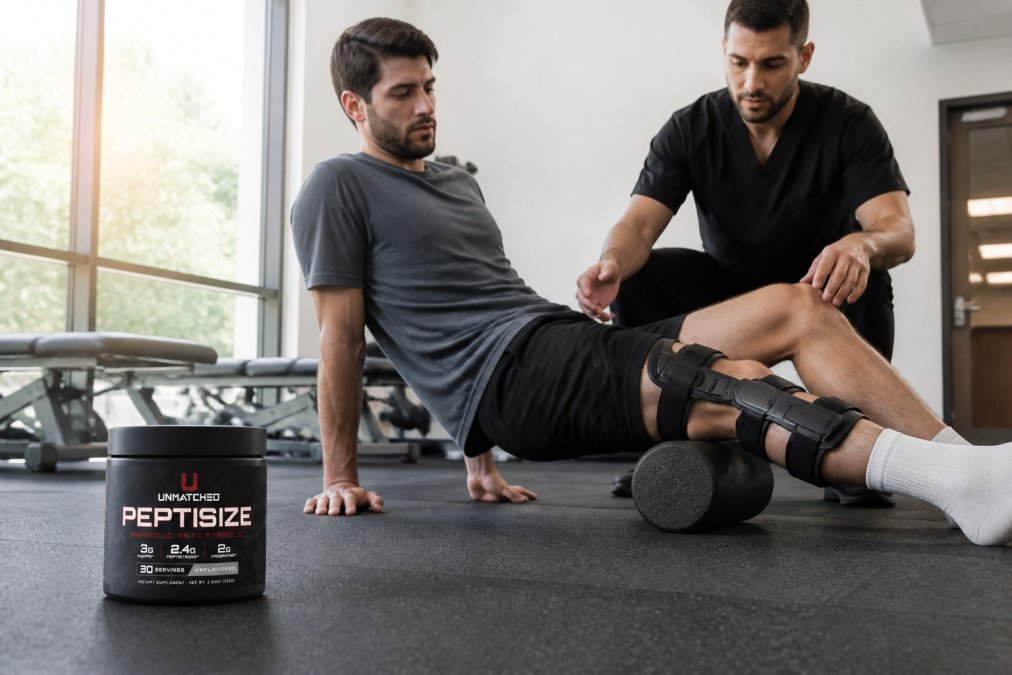
Dosing: 5 grams daily of creatine monohydrate. No loading phase necessary. Unmatched PeptiSize combines creatine with HMB and peptide support for comprehensive recovery.

Omega-3 Fatty Acids for Inflammation and Recovery
Inflammation is necessary for healing, but excessive inflammation prolongs recovery and increases pain. Omega-3 fatty acids, specifically EPA and DHA, modulate inflammatory signaling without suppressing the immune response needed for tissue repair.
A systematic review of 13 studies found that omega-3 supplementation may improve muscle recovery when taken for over 4 weeks. Omega-3 fatty acids are incorporated into cell membranes, where they influence signaling molecules controlling inflammation. They compete with omega-6 fatty acids for inflammatory pathways, tipping the balance toward resolution.
For injury recovery:
- Reduced DOMS: Post-exercise soreness decreases with consistent omega-3 supplementation
- Faster tissue repair: Anti-inflammatory signaling accelerates the transition from acute inflammation to tissue remodeling
- Joint health: EPA and DHA support synovial fluid production and cartilage integrity
Dosing: 2-3 grams combined EPA/DHA daily. Fish oil is most bioavailable; algae-based options work for vegetarians. Take with meals containing fat to maximize absorption.
How to Speed Up Muscle Recovery After Injury
Recovery speed depends on three controllable factors: nutrition, supplementation, and movement quality. You can't change the injury itself, but you can optimize healing conditions.
First, prioritize total protein intake at 0.8 grams per pound of bodyweight. Protein is the raw material for collagen synthesis, immune function, and hormone production. If whole-food intake is compromised by pain or nausea, protein supplements become non-negotiable.
Second, maintain micronutrient status. Injury increases demands for zinc, vitamin C, and magnesium, all critical for collagen synthesis and immune function. If appetite drops, supplementation prevents deficiency-driven delays in healing.
Third, implement strategic supplementation targeting three recovery mechanisms: protein synthesis support (protein, creatine, HMB), inflammation modulation (omega-3s), and connective tissue support (collagen). post-workout recovery gear.
Movement quality matters more than volume during recovery. Gentle, pain-free range-of-motion work stimulates blood flow and proprioceptive retraining without triggering excessive inflammation.
Key Takeaway The fastest recovery path combines adequate protein, targeted supplementation for your specific injury type, consistent gentle movement, and sleep. Sleep is where tissue repair happens. Prioritize 7-9 hours nightly. If sleep is disrupted by pain, [Unmatched Longevity Sleep supports deep, restorative sleep](/products/unmatched-longevity-sleep) while providing magnesium and recovery-focused ingredients.
Top Recovery Supplements: Glutamine, Magnesium, and Protein
These three supplements form the foundation of any injury recovery stack because they address the most common bottlenecks: amino acid availability, muscle relaxation, and micronutrient status.
Glutamine for Muscle Repair and Gut Health
Glutamine is the most abundant amino acid in muscle tissue and becomes depleted during injury and stress. Supplementing with glutamine supports muscle protein synthesis while maintaining gut barrier integrity, important because gut health directly influences immune function and inflammation levels.
Glutamine's mechanisms include:
- Muscle protein synthesis: Provides substrate for anabolic pathways
- Gut barrier integrity: Maintains intestinal tight junctions, reducing systemic inflammation
- Immune support: Fuels immune cells that coordinate healing responses
- Nitrogen balance: Helps maintain positive nitrogen balance during immobilization
Tiger Fitness carries multiple glutamine options. Unmatched Glutamine delivers 5 grams per serving of vegan fermented L-glutamine. MuscleMeds Glutamine Decanate includes DecaDrive delivery technology for enhanced absorption. Rule 1 Micronized Glutamine offers a pure, unflavored option that stacks easily with other supplements.

Dosing: 5-10 grams daily, split between morning and evening.
Magnesium for Muscle Relaxation and Recovery
Magnesium is involved in over 300 enzymatic processes, including muscle contraction and relaxation. During injury, magnesium becomes critical for reducing muscle tension, supporting sleep quality, and maintaining nervous system function.
The best magnesium form for recovery is magnesium glycinate, a chelated form bound to the amino acid glycine. This combination provides magnesium while glycine itself supports collagen synthesis and sleep quality. Glycinate also minimizes digestive side effects.
Magnesium's benefits for injury recovery:
- Muscle relaxation: Reduces cramping and tension around injured areas
- Sleep support: Promotes deep sleep where tissue repair occurs
- Nervous system balance: Reduces pain perception and stress response
- Electrolyte balance: Maintains cellular hydration and function
Tiger Fitness offers several magnesium options including Hi-Tech Pharma Magnesium Glycinate, Core Magnesium Bisglycinate, and Revive Magnesium Glycinate.
Dosing: 200-400 milligrams daily, taken in the evening. Start at the lower end and increase gradually to avoid digestive effects.
Pro Tip Magnesium and calcium compete for absorption. If supplementing with both, separate them by at least 2 hours.
Protein Supplements and Muscle Protein Synthesis
Protein supplementation is non-negotiable during injury recovery. A Bayesian multilevel meta-analysis of 75 randomized controlled trials involving 1,206 athletes found that pure protein supplements enhanced both muscle strength and endurance compared to placebo, with statistically significant effects on post-exercise recovery.
Injury reduces your ability to train hard. Without training stimulus, you rely entirely on nutritional signals, amino acids and insulin, to drive muscle protein synthesis.
Protein supports recovery through:
- Direct amino acid provision: Supplies building blocks for muscle and collagen synthesis
- Anabolic signaling: Triggers mTOR and other pathways driving protein synthesis
- Satiety: Reduces total calorie intake, preventing excessive weight gain during immobilization
- Immune support: Provides amino acids needed for antibody and immune cell production
Quality matters. Whey protein isolate absorbs fastest and provides the highest leucine content per serving. Leucine most directly triggers protein synthesis. Casein absorbs slowly, making it ideal for overnight recovery.
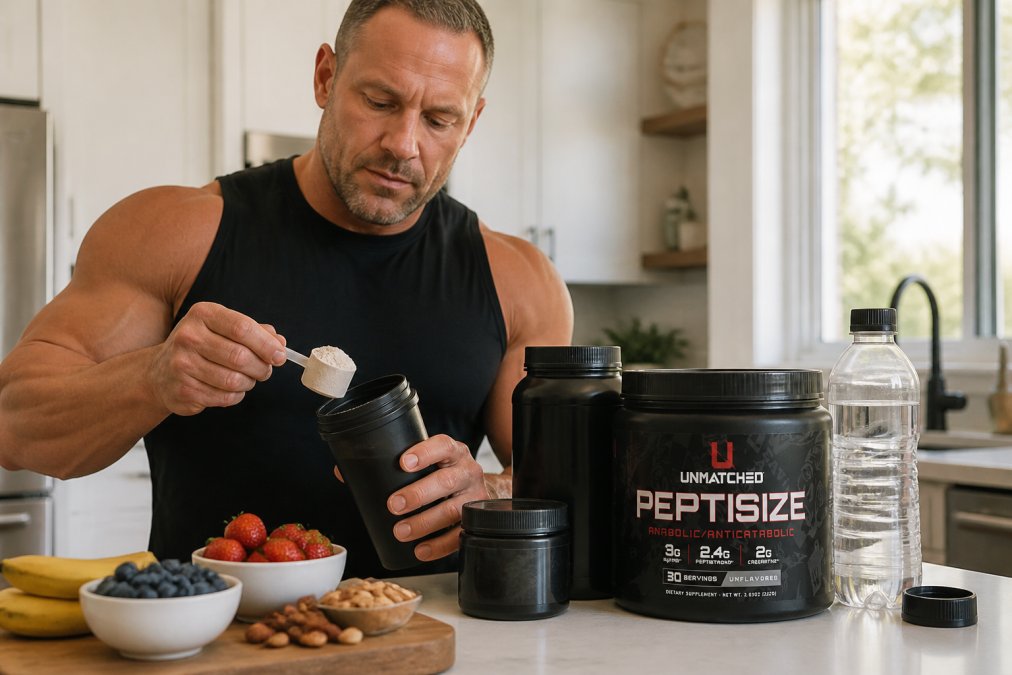
Dosing: 1.6-2.2 grams per kilogram of bodyweight daily. For a 200-pound athlete, that's approximately 145-200 grams daily. Spread across 4-5 meals for optimal muscle protein synthesis.
| Supplement | Key Benefit | Best For |
|---|---|---|
| Unmatched Glutamine | Muscle repair, gut health | Daily amino acid support |
| Hi-Tech Pharma Magnesium Glycinate | Muscle relaxation, sleep | Evening recovery support |
| Unmatched PeptiSize | Comprehensive recovery formula | Multi-mechanism support |
| MuscleMeds Glutamine Decanate | Enhanced absorption delivery | Advanced glutamine option |
| Core Magnesium Bisglycinate | Dual magnesium + glycine | Collagen support + relaxation |
Supplement Interactions and Safety Considerations
Supplements don't exist in isolation. If you're taking medication for pain, inflammation, or any chronic condition, supplementation can create interactions that reduce efficacy or increase side effects.
Protein and kidney function: If you have existing kidney disease, high-dose protein supplementation requires medical clearance. For healthy individuals, protein supplementation doesn't damage kidneys.
Magnesium and certain medications: Magnesium can interfere with absorption of bisphosphonates, fluoroquinolone antibiotics, and some other medications. If you're on any of these, separate magnesium supplementation by at least 2 hours.
Omega-3s and blood thinners: High-dose omega-3 supplementation (over 3 grams daily) can potentiate anticoagulant effects of warfarin or other blood thinners. If you're on anticoagulation therapy, discuss omega-3 supplementation with your physician.
Creatine and hydration status: Creatine pulls water into muscle cells. If you're dehydrated or have compromised kidney function, creatine supplementation requires adequate hydration and medical oversight.
Inform your healthcare provider about all supplements you're taking. Most interactions are manageable through timing adjustments or dose modifications.
Watch Out If you're recovering from surgery, wait for medical clearance before starting new supplements. Post-operative inflammation is necessary for healing. Aggressive anti-inflammatory supplementation immediately after surgery can impair tissue repair. Wait 2-3 weeks, then introduce collagen, magnesium, and omega-3s as part of your recovery protocol.
Injury recovery is a numbers game. The athletes who return strongest optimize every controllable variable: protein intake, sleep quality, movement quality, and strategic supplementation. The best muscle recovery supplements for injury work because they address specific bottlenecks, amino acid availability, inflammation modulation, and micronutrient status, that determine healing speed.
Tiger Fitness has built an entire product ecosystem around recovery because we understand that most athletes don't have the luxury of time. You need to return to training. Our selection of glutamine products, magnesium formulas, and comprehensive recovery supplements like Unmatched PeptiSize and Unmatched Longevity Sleep removes the guesswork. Start with protein, add magnesium for sleep, layer in collagen for connective tissue support, and use creatine to maintain cellular energy. That foundation covers 80% of injury recovery needs.
Get started with Tiger Fitness and access FREE TOOLS & FITNESS CALCULATORS designed specifically for injury recovery, plus free workout plans and diet guides.
Frequently Asked Questions
Q: Do supplements actually speed up muscle injury recovery?
A: Yes, but with conditions. Research shows protein supplements enhance muscle protein synthesis and post-exercise recovery. A 2025 meta-analysis of 75 studies found pure protein supplements showed statistically significant effects for maintaining glycogen resynthesis compared to carbohydrates alone. Creatine supports strength maintenance during rehabilitation. Collagen has shown promise for connective tissue repair. However, supplements work best alongside proper rehabilitation, nutrition, and medical guidance, not as replacements for them.
Q: What is the best supplement for muscle tissue repair?
A: Protein is foundational. A 2024 survey found 41.7% of college athletes used protein products specifically for muscle growth and recovery. For injury-specific repair, collagen peptides target connective tissue, while glutamine supports muscle protein synthesis and reduces post-exercise soreness. The most effective approach combines protein (for amino acids), creatine (for strength maintenance), and magnesium (for muscle function). Choose based on your injury type, tendon injuries benefit from collagen; muscle tears from protein and creatine.
Q: Can collagen help with muscle and tendon injuries?
A: Collagen specifically supports connective tissue repair. Clinical evidence shows collagen supplementation aids tendon and ligament recovery by providing amino acids (glycine, proline, hydroxyproline) needed for collagen synthesis. The collagen supplement market reached $425.82 million in 2025, driven largely by athletes targeting joint and connective tissue support. While collagen alone won't rebuild muscle, it complements protein intake for comprehensive tissue repair. Results take 8-12 weeks minimum; consistency matters more than dosage.
Q: How does protein intake affect muscle healing?
A: Protein directly fuels muscle protein synthesis, the process your body uses to rebuild damaged tissue. During injury recovery, protein demands increase because your body is repairing tissue while potentially losing muscle mass from reduced activity. Research shows adequate protein intake (0.7-1.0 grams per pound of body weight during recovery) reduces muscle atrophy and accelerates return to function. Timing matters: spreading protein across meals (30-40 grams per meal) optimizes muscle protein synthesis better than single large doses.
Q: What should I avoid taking when recovering from a muscle injury?
A: Avoid excessive NSAIDs (non-steroidal anti-inflammatory drugs) during the acute recovery phase, they suppress inflammation, which is necessary for tissue repair. Skip isolated BCAAs without complete essential amino acids; your body needs all nine EAAs for effective muscle building. Avoid high dose stimulants that mask pain and encourage overtraining. Check for interactions: magnesium can interact with certain antibiotics and bisphosphonates; creatine requires adequate hydration. Always consult your healthcare provider about supplement interactions with any medications you're taking.
Leave a comment