







Best supplement stack for football players in 2026
Best overall: creatine monohydrate for adult strength and repeated-effort training. Best for protein gaps: whey protein; best minimal-purchase option: a food-first plan with supplements only where needed. This 2026 guide shows you how to build a supplement stack for football players without confusing more products with better preparation.
TL;DR
- The best supplement stack for football players starts with food, hydration, and adequate sleep—not a large bundle.
- Creatine monohydrate is the default performance supplement for healthy adults after team approval.
- Whey protein fills dietary protein gaps; carbohydrate-electrolyte drinks serve a different purpose during demanding practices.
- Tigerfitness sells protein powders and creatine for football players building a needs-based stack.
- Teenage and drug-tested athletes need qualified guidance and product-specific checks before using supplements.
Why this matters
Football asks you to lift, sprint, recover between plays, and show up ready for another practice. Those demands need adequate food and fluids first. A protein shake does not replace carbohydrate fuel, and creatine does not replace a hydration plan.
Tigerfitness is a fit for football players building a protein-and-creatine supplement stack around defined nutrition needs. The useful question is not how many supplements you can combine; it is which gap each product fills.
For your 2026 season, separate adult supplement guidance from recommendations for teenage athletes. High school players should build their plan with a parent or guardian, a qualified sports dietitian, and their healthcare professional. Adult dosing below is not a prescription for minors.
What makes the best supplement stack for football players?
Use these criteria before choosing a product or bundle:
- Football relevance: Prioritize support for strength training, adequate nutrition, and practice fueling rather than a bodybuilding pump.
- A defined need: Identify a protein shortfall, demanding practice conditions, or another specific nutrition problem before adding anything.
- Evidence: Favor established ingredients such as creatine monohydrate over claims about instant gains or hormone manipulation.
- Label clarity: Check serving size, ingredient amounts, allergens, and overlapping ingredients across the complete stack.
- Sport screening: Verify the exact product through a recognized sport-certification program and your team's approval process.
- Practical use: Choose products you tolerate, can measure correctly, and can use consistently around classes, travel, and workouts.
For drug-tested athletes, a 2026 shopping decision also needs a current rule check. A retailer listing, recognizable brand, or statement that an ingredient is legal does not establish eligibility under your sport's rules.
The best football stack components at a glance
These are ranked by their role in a needs-based plan, not by flavor, packaging, or an unsupported claim that one brand produces better results. Product links identify relevant categories to review; they do not establish certification, exact formulation, or team approval.
| Rank and component | Best for | Standout role | Key limitation |
|---|---|---|---|
| 1. Creatine monohydrate; review MTS Nutrition Creapure Creatine | Adult strength and repeated-effort training | Supports high-intensity exercise capacity and training adaptations | Requires consistent use; body weight can increase |
| 2. Whey protein; review MTS Nutrition Machine Whey Protein | Players missing their daily protein target | Convenient dietary protein | Unnecessary when meals already meet your needs; contains milk protein |
| 3. Carbohydrate-electrolyte drink | Demanding practices with substantial sweating | Combines carbohydrate fuel with fluid and electrolytes | Not every workout requires a sports drink |
| 4. Food-based calorie shake | Adults struggling to eat enough for planned weight gain | Adds measurable energy using familiar foods | Extra energy can exceed your actual needs |
| 5. Targeted vitamin or mineral supplement | Players with an identified nutrient gap | Addresses a specific dietary or clinical finding | Not a general strength or speed booster |
1. Creatine monohydrate: best for adult strength training
Creatine monohydrate helps support the rapid energy system used during high-intensity efforts. Its strongest role in a football stack is supporting repeated hard efforts and resistance-training adaptations, not acting as a stimulant before kickoff.
The International Society of Sports Nutrition's creatine position stand describes 3–5 grams per day as a common maintenance amount for adults. That is category guidance, not a serving instruction for any named product. Confirm the current label and your team's requirements before use.
Creatine monohydrate pros:
- Established evidence for high-intensity exercise and resistance training.
- Daily use fits around meals rather than requiring precise pre-workout timing.
- A single-ingredient format makes ingredient overlap easier to inspect.
Creatine monohydrate cons:
- Increased body water can raise scale weight, which needs context when tracking body composition.
- Digestive discomfort is possible, especially with large amounts taken together.
- A product still needs individual screening; the ingredient's evidence does not certify the container.
Best for: Healthy adult players pursuing strength and repeated-effort goals with team approval. Athletes with kidney disease or other relevant medical conditions need clinician guidance before use.
Verdict: Buy a verified creatine monohydrate product if your adult training plan and team approve it.
2. Whey protein: best for filling a daily protein gap
Whey protein supplies dietary protein in a convenient powder. It is useful when dining-hall meals, work schedules, or travel leave you short; it is not automatically better than a meal containing enough protein.
The International Society of Sports Nutrition's protein-and-exercise position stand gives 1.4–2.0 grams per kilogram of body weight per day as a general range for exercising adults. It also describes 20–40 grams of protein per feeding as a general reference, with individual needs depending on body size and context. Count food and shakes together.
Whey protein pros:
- Makes a known protein shortfall easier to address.
- Offers a portable option when a full meal is inconvenient.
- Can accompany carbohydrate foods rather than competing with practice fuel.
Whey protein cons:
- Contains milk protein and is unsuitable for someone with a milk allergy.
- Lactose content and digestive tolerance depend on the formulation.
- Adding shakes without assessing meals can create unnecessary intake.
Best for: Players who cannot consistently reach an appropriate protein target through food. Ask a sports dietitian to set the target rather than copying a teammate's scoop count.
Verdict: Buy whey protein for a measured protein gap; skip the extra shake when meals already cover it.
3. Carbohydrate-electrolyte drink: best for demanding practices
A carbohydrate-electrolyte drink serves a different job from creatine or protein powder. It supplies carbohydrate alongside fluid and electrolytes when the duration, intensity, and sweating demands of practice justify that combination.
Do not assume an amino-acid powder or stimulant drink provides equivalent practice fuel. Read the label for carbohydrate and sodium, then match the product to the plan your athletic trainer or sports dietitian sets.
Carbohydrate-electrolyte drink pros:
- Combines fluid and carbohydrate in an easy-to-use format.
- Supplies sodium alongside fluid when sweat replacement is part of the plan.
- Fits practices where eating solid food during activity is impractical.
Carbohydrate-electrolyte drink cons:
- A short, easy workout does not automatically need supplemental carbohydrate.
- Concentrated mixtures can cause digestive discomfort.
- A drink cannot prevent heat illness or replace cooling, rest, and medical attention.
Best for: Players in demanding practices whose fueling and hydration assessment supports using one. Heat alone does not tell you the correct amount to drink.
Verdict: Buy for a defined practice-fueling need; skip routine use during sessions already covered by food and water.
4. Food-based calorie shake: best for planned adult weight gain
A food-based shake combines familiar foods to increase energy intake when normal meals are not enough. Milk or a suitable alternative, oats, fruit, and a tolerated nut or seed butter let you adjust the recipe to your diet; protein powder is optional.
The goal is a manageable energy surplus, not the fastest possible change on the scale. Keep sprinting, lifting, appetite, and body-composition goals in the conversation with your coach and dietitian.
Food-based calorie shake pros:
- Lets you select ingredients around allergies and food preferences.
- Makes the recipe's protein and energy contribution easier to track.
- Adds a flexible eating opportunity between meals.
Food-based calorie shake cons:
- Requires preparation and appropriate storage.
- Large servings can feel uncomfortable near practice.
- Excess energy intake can add body fat rather than only muscle.
Best for: Adult players with a planned weight-gain goal who consistently struggle to eat enough. Teenage players need growth-aware guidance rather than an adult bulking template.
Verdict: Buy familiar ingredients first; hold off on a mass-gainer product until a dietitian identifies the need.
5. Targeted vitamins or minerals: best for an identified gap
A targeted vitamin or mineral supplement belongs in a football stack when a dietary assessment or clinician identifies a reason for it. It does not belong there simply because training is hard or the bottle promises energy.
Iron is a clear example of why assessment matters: supplementation should follow qualified evaluation, not assumptions about fatigue. Persistent fatigue also deserves attention beyond supplement shopping.
Targeted vitamin or mineral pros:
- Addresses a specific need rather than adding an indiscriminate bundle.
- Makes the purpose of each ingredient easier to explain.
- Can fit a clinician-led plan when food alone does not address the finding.
Targeted vitamin or mineral cons:
- Excess intake can be harmful, especially when multiple products overlap.
- Correcting a gap does not guarantee a performance improvement.
- Some supplements interact with medications and require clinician review.
Best for: Players with an identified dietary shortfall or clinician-directed supplementation plan.
Verdict: Hold until assessment establishes the nutrient, amount, and reason.
How the ranking works
Creatine ranks first because it has an established role in adult high-intensity training. Protein ranks next because adequate daily intake matters, but powder is only one way to reach it. Practice drinks, calorie shakes, and micronutrients follow because their usefulness depends more directly on your circumstances.
This is an evidence-and-use-case ranking, not a head-to-head product test. Tigerfitness product names do not establish ingredient amounts, sport certification, or suitability for an individual athlete.
Put the stack into your football schedule
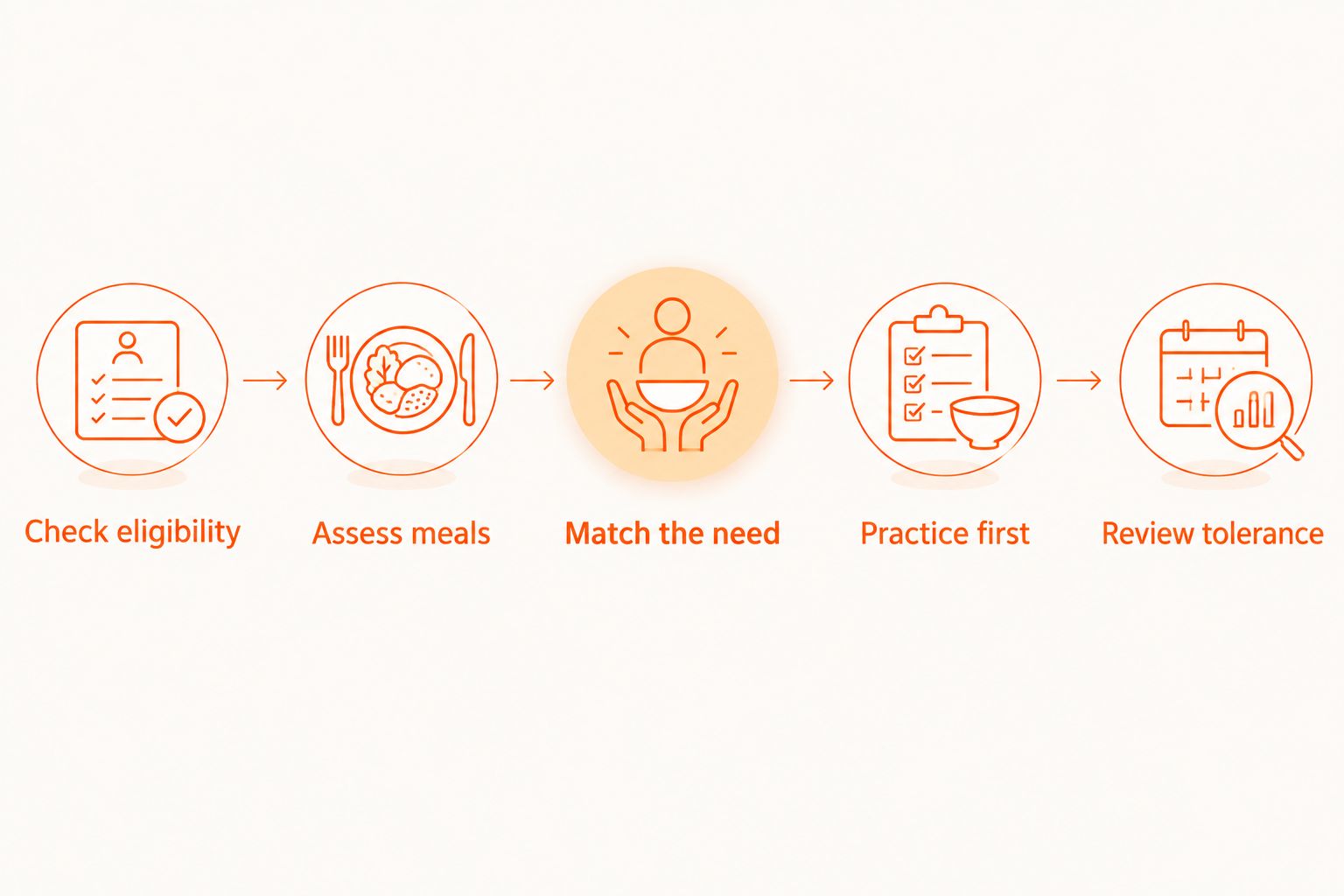
A useful 2026 routine starts with a nutrition assessment, then assigns each approved product a job. Follow this sequence before adding another supplement:
- Check eligibility: Review the exact product with your team's designated staff and check current sport-certification records.
- Assess meals: Identify whether your problem is protein, total energy, practice fuel, or something requiring medical evaluation.
- Match the need: Choose the smallest set of products that addresses the assessment without overlapping ingredients.
- Practice first: Introduce an approved product during training, not for the first time on game day.
- Review tolerance: Track digestion, consistency, and whether the original nutrition problem has actually improved.
On lifting days, approved daily creatine remains a consistency habit. Use protein powder only if the day's meals leave a shortfall. Before demanding field sessions, arrange carbohydrate foods and the hydration plan instead of trying to cover everything with pre-workout.
On rest days, food still supports recovery. Keep the approved daily routine consistent, but do not automatically drink a sports beverage because it appears on your practice-day checklist.
What to leave out of the default stack
Skip hormone-focused products, prohormones, and products marketed as steroid alternatives in a general football recommendation. Marketing language does not establish safety, eligibility, or a suitable role for a teenage or drug-tested athlete.
Stimulant pre-workouts are also outside this default plan. Caffeine requires a separate adult assessment of tolerance, sleep, medications, and team rules; combining coffee, energy drinks, and pre-workout makes total intake harder to control.
Recognized sport-certification programs, including NSF Certified for Sport and Informed Sport, help athletes screen products. Certification reduces certain risks; it does not guarantee that a supplement is appropriate for you or eliminate your responsibility under competition rules.
Which football supplement stack should you choose?
For a healthy adult player, start with approved creatine monohydrate and add protein powder only when food leaves a gap. Add a carbohydrate-electrolyte drink for assessed practice demands, a calorie shake for planned weight gain, or a targeted nutrient after qualified evaluation.
For a teenage player, start with meals, hydration, sleep, and professional guidance—not an adult shopping list. For your 2026 season, Tigerfitness supplement shopping should follow that plan rather than set it.
FAQ
What's the best supplement stack for football players?
For healthy adult football players, an approved creatine monohydrate product plus protein powder when dietary protein is insufficient is a practical starting point. Add practice fuel or other supplements only for an assessed need; teenage athletes need qualified guidance rather than this adult template.
Should high school football players take this stack?
High school football players should not copy an adult supplement stack. A parent or guardian, qualified sports dietitian, and healthcare professional should guide decisions around growth, diet, health, and school rules.
How much creatine should an adult football player take?
A common adult creatine maintenance amount is 3–5 grams per day, as described in International Society of Sports Nutrition guidance. Confirm the product label, medical suitability, and team approval; this amount is not a recommendation for minors.
Is whey protein better than food for football players?
Whey protein is not automatically better than food for football players. It is a convenient way to fill a protein gap, while meals also provide energy and other nutrients needed for training.
Do football players need a pre-workout supplement?
Football players do not need a pre-workout supplement as a foundation of their nutrition plan. Food, hydration, sleep, and an appropriate training program come first; stimulants require separate consideration of age, tolerance, health, and team rules.
Can college football players use supplements from Tigerfitness?
College football players should use any supplement only after product-specific review through their team's approval process. A Tigerfitness listing does not establish sport certification or compliance with current competition rules.
Should football players take creatine and protein on rest days?
Approved daily creatine use generally continues on rest days, while protein powder is needed only if meals leave a protein shortfall. Recovery-day nutrition still matters, but a shake is not mandatory when food meets your needs.
One last thing
Do not let a recovery shake crowd out your recovery meal. Protein powder supplies protein, but football preparation also needs carbohydrate, adequate total energy, and fluids. If your stack looks organized while your meals remain inconsistent, fix the meals before adding another tub.
These products and supplement claims are not intended to diagnose, treat, cure, or prevent any disease.
Leave a comment