
Pick This Year's Olympia T-Shirt

Last Updated: August 18, 2026
Most college athletes are underfueling. They're training hard, competing harder, and eating like they're still in high school. The result? Plateaued performance, slower recovery, and a body breaking down instead of building up.
According to research on student athlete nutrition from Dairy MAX, under-fueling poses significant risk to both health and sports performance. Your metabolic demands aren't negotiable. You're burning calories in the weight room, on the field, in practice, and during competition. Your nutrition has to match that output, or you're leaving gains on the table.
This guide covers the best sports nutrition for college athletes, the real-world approach that separates athletes who peak from those who plateau. Macronutrient timing, recovery protocols, budget-friendly strategies, and supplement decisions that actually move the needle. No fluff, no generic "eat chicken and rice" advice. Just the framework that works.
Your body runs on three macronutrients: protein, carbohydrates, and fat. Get the ratio wrong, and you're either storing fat you don't want, losing muscle you fought for, or running on empty.
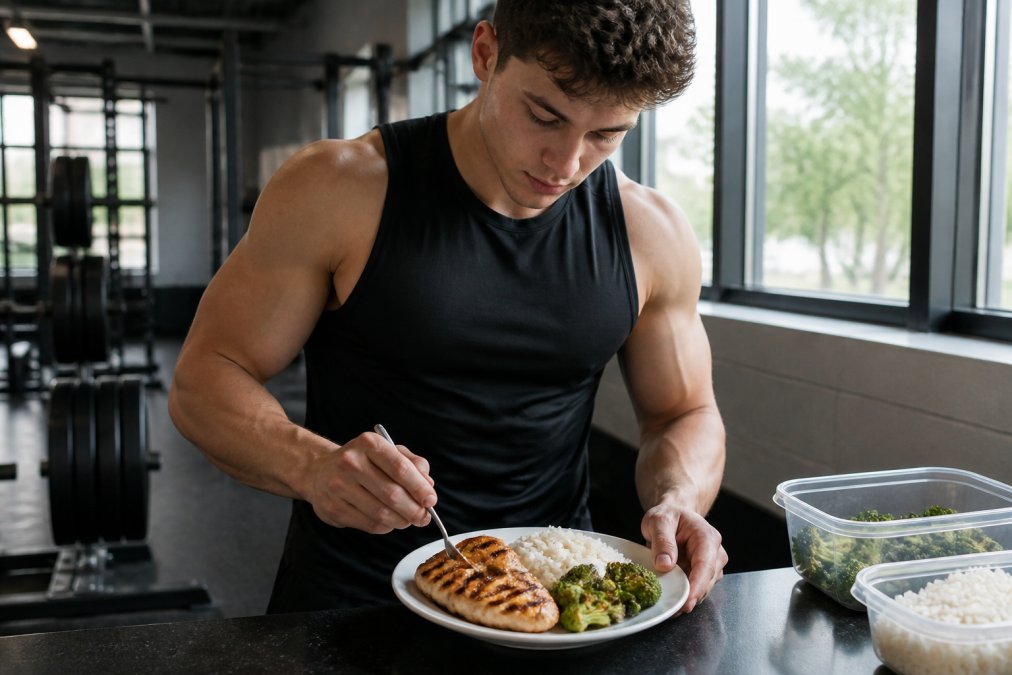
Think of protein as building material. Carbs as fuel. Fat as hormone regulator. Miss any one, and your performance suffers. Most college athletes nail protein intake but botch the carbs and fats, either cutting them too low trying to stay lean, or ignoring them entirely.
According to American College of Sports Medicine guidelines, current sports nutrition recommendations range from 1.2 to 1.7 grams of protein per kilogram of body weight for most active individuals, with strength-training athletes potentially needing up to 2.0 grams per kilogram during calorie restriction or high training volume.
When you train, you create micro-tears in muscle fibers. Protein provides the amino acids that repair those tears and build them back stronger. For a 180-pound college athlete, aim for 98 to 139 grams of protein daily, roughly 25-35 grams per meal across four meals. Whole food protein is your foundation: chicken, turkey, beef, eggs, Greek yogurt, cottage cheese. But whole food takes time to prepare. That's where Machine Whey Protein fits in. A high-quality whey protein powder gives you 25+ grams of complete protein in 2 minutes.

Carbs are your performance fuel. Your muscles store glucose as glycogen, and when you train hard, you burn through it fast. Deplete your glycogen stores, and your performance tanks. Consume complex carbohydrates around training: oats, brown rice, sweet potatoes, whole grains, and legumes. Pre-workout, eat carbs 2-3 hours before training. Post-workout, consume 30-60 grams of carbs within 30-60 minutes alongside protein to replenish glycogen and drive amino acids into muscle tissue.
Most college athletes cut fats to stay lean, not realizing that fat is essential for testosterone production, nutrient absorption, and hormone balance. Aim for 0.5-1.5 grams of fat per kilogram of body weight daily, roughly 40-65 grams for a 180-pound athlete. Focus on sources like olive oil, avocados, nuts, fatty fish, and whole eggs. These provide omega-3 and omega-6 fatty acids that reduce inflammation and support recovery.
The NCAA maintains a banned-substances list updated annually. Know it cold. Violating it costs you eligibility, period. Beyond that, most supplements are legal, but legal doesn't mean necessary or worth your money.
Here's the hard truth: 90% of your results come from whole food, consistent training, and sleep. Supplements fill gaps. They don't create results from nothing.
Tier 1: Proven, Cost-Effective, and Nearly Essential
Protein Powder, This is just convenient whole food. Whey protein isolate or concentrate provides 20-30 grams of complete protein in 2 minutes. Your body doesn't know if that protein came from a chicken breast or a shake; it processes the amino acids the same way. For a college athlete eating 4-6 times daily, whole food alone is time-prohibitive. Machine Whey Protein hits your post-workout window when whole food isn't practical.
Creatine Monohydrate, Decades of research, thousands of studies, minimal side effects. Creatine works by increasing phosphocreatine stores in muscle, which means more ATP (energy) available during high-intensity efforts. For strength athletes, sprinters, and sport-specific power movements, the performance gain is real: 5-15% improvement in repeated high-intensity efforts. Dose: 3-5 grams daily. MTS Pürest Creatine is third-party tested, meaning you know exactly what's in it. If you're doing strength training or explosive sport, this is non-negotiable.

Electrolyte Drink for Training Over 60 Minutes, Water alone during long training sessions dilutes blood sodium and impairs performance. Sodium, potassium, and magnesium regulate muscle contraction and fluid balance. You lose electrolytes through sweat. Products like R1 Lytes+ provide 300-500mg sodium and 200-300mg potassium per serving without added sugar. For endurance athletes, team-sport athletes with long practices, or anyone training over 90 minutes, this prevents hyponatremia and maintains performance.
Multivitamin, College diets are inconsistent. You skip meals, eat the same foods repeatedly, and rarely hit all micronutrient targets from whole food alone. A basic multivitamin fills those gaps. Look for one that includes B-complex (energy production), iron and zinc (immune function and recovery), and magnesium (muscle function). MuscleSport Multi Vita includes antioxidants and a greens blend.
Tier 2: Situation-Specific, Proven, But Not Essential
BCAAs (Branched-Chain Amino Acids) During Training, If you're training fasted or in a catabolic state (long endurance session, high volume), BCAAs reduce muscle breakdown. The evidence is strongest for leucine, which triggers muscle protein synthesis. A 2:1:1 ratio (leucine to isoleucine to valine) is the proven standard. Machine Fuel provides this ratio. Use this if you train fasted or do long endurance work.

Beta-Alanine for High-Intensity Repeated Efforts, Beta-alanine buffers lactic acid, delaying fatigue in efforts lasting 60-240 seconds (sprints, repeated lifts, sport-specific conditioning). Dose: 3-5 grams daily, taken consistently for 2-4 weeks to build muscle carnosine. The effect is modest, 2-3% improvement, but measurable in sport-specific testing. This is useful for wrestlers, sprinters, and combat athletes.
Tier 3: Unproven, Overhyped, or Avoid
Fat-Loss Supplements, Caffeine works (increases alertness and fat oxidation), but you can get that from coffee. Everything else, conjugated linoleic acid (CLA), garcinia cambogia, green tea extract in supplement form, shows minimal real-world effect. Skip these.
Testosterone Boosters and "Anabolic" Formulas, These don't work. Tribulus terrestris, fenugreek, D-aspartic acid: none of them meaningfully raise testosterone in healthy young athletes. The only thing that raises testosterone is training hard, eating enough, and sleeping 7-9 hours.
Proprietary Blends, If a supplement doesn't list individual ingredient amounts, skip it. You're paying for mystery. Transparent labels with individual ingredient doses are non-negotiable.
Before buying any supplement, ask three questions:
Is it on the NCAA banned list? Check the official NCAA banned-substances list before purchase. One mistake costs your eligibility.
Does it address a real gap in my diet or training? If you're hitting protein targets with whole food, protein powder is convenience, not necessity. If you're training fasted or doing long endurance work, BCAAs or electrolytes fill a real gap. Be honest about your actual needs.
Is the research solid?? Look for studies in peer-reviewed journals, not marketing claims. Creatine has 300+ studies. Whey protein has 200+. Beta-alanine has 100+. If a supplement has fewer than 10 solid studies, the evidence is weak.
The 2-3 hours before competition is when most athletes either set themselves up for success or sabotage themselves. You want energy available, digestion complete, and your stomach settled.
Eat a meal 2-3 hours before competition: lean protein (4-6 ounces), complex carbs (1-2 cups), and minimal fat and fiber. Chicken and rice. Turkey and sweet potato. Salmon and white rice. These combinations fuel performance without causing digestive distress. Stay away from high-fiber foods, high-fat foods, and anything unfamiliar.
Hydration starts the day before. By competition day morning, you should already be well-hydrated. Two hours before competition, drink 16-20 ounces of fluid. 15-20 minutes before, another 8-10 ounces. This gives you time to absorb and urinate before you compete.
Dehydration kills performance. Even 2% loss of body weight from fluid loss impairs strength, speed, and endurance. Most college athletes are chronically under-hydrated because they don't drink enough throughout the day.
Your baseline: half your body weight in ounces of water daily. For a 180-pound athlete, that's 90 ounces minimum. During training, add 16-24 ounces per hour of exercise. During competition, match sweat rate if possible; some athletes lose 1-2 liters per hour depending on intensity and climate.
Electrolytes matter. Sodium, potassium, magnesium, and calcium regulate fluid balance, muscle contraction, and nerve function. If you only drink water, you dilute your blood sodium and impair performance further. Products like R1 Lytes+ and GHOST Hydration provide the electrolyte blend you need without added sugar. During training lasting over 60 minutes, these become essential.
| Hydration Scenario | Fluid Target | Electrolyte Source |
|---|---|---|
| Daily baseline | Half body weight in ounces | Regular meals + water |
| During training (under 60 min) | 16-24 oz per hour | Water is sufficient |
| During training (over 60 min) | 16-24 oz per hour | Electrolyte drink (sodium, potassium) |
| During competition | Match sweat rate | Electrolyte drink + sports drink if needed |
| Post-workout | 16-24 oz per pound lost | Electrolyte drink + whole food |
College athletes don't have unlimited time or money. You're balancing classes, training, and life. Meal prep has to be simple and cheap.
Batch cook on Sunday: grill 5-6 pounds of chicken breast, cook 3-4 cups of rice, roast a sheet pan of broccoli and sweet potatoes. Portion into containers. You've got lunch and dinner covered for 4-5 days.
Buy in bulk. Eggs, oats, ground beef, rice, beans, and pasta are your cheapest sources. Skip the convenience foods. Pre-made protein shakes, meal replacement bars, and frozen meals cost 3-4x more than whole food. Outright Protein Bars are a convenience tool for when you're actually on the go, not your daily staple.
Use FREE TOOLS & FITNESS CALCULATORS to dial in your exact calorie and macro targets. You can't optimize what you don't measure.
This is the most critical nutrition window for an athlete. Your muscles are primed to absorb nutrients. Your glycogen is depleted. Your protein synthesis is elevated. Miss this window, and you're leaving recovery on the table.

Within 30-60 minutes post-workout, consume 15-25 grams of protein and 30-60 grams of carbs. This combo replenishes glycogen, drives amino acids into muscle, and starts the recovery process immediately. A simple post-workout protocol: whey protein powder, Greek yogurt, or a Bucked Up Protein RTD if you're rushing, paired with white rice, white bread, fruit, or a sports drink. Example: 25g whey protein + 8 ounces of orange juice + banana. Done in 2 minutes. Don't overthink it. The goal is speed and simplicity.
Most college athletes ignore micronutrients entirely. They chase protein and carbs, then wonder why they're fatigued, getting injured constantly, or recovering slowly. Micronutrients, vitamins and minerals, regulate energy production, immune function, bone health, and recovery. You can't perform without them.
College life destroys micronutrient intake. Classes run late, you skip meals, you eat the same three foods repeatedly, and dining halls rarely serve nutrient-dense options. The result is a slow bleed of deficiencies that show up as fatigue, poor recovery, and increased injury risk.
Iron, Transports oxygen in blood and muscle. Without enough iron, your aerobic capacity tanks and you fatigue faster. Female athletes are at higher risk due to menstrual losses. Red meat (beef, lamb) provides heme iron, absorbed at 15-35% efficiency. Plant sources (spinach, beans) provide non-heme iron, absorbed at only 2-20% efficiency. Target: 8mg daily for men, 18mg for women (ages 19-50).
Zinc, Critical for immune function, testosterone production, and wound healing. Athletes lose zinc through sweat and urine, especially during high-volume training. Oysters and beef are the richest sources. Target: 11mg daily for men, 8mg for women.
Magnesium, Regulates muscle contraction, energy production, and sleep quality. Most college athletes are magnesium-deficient because they don't eat enough nuts, seeds, and leafy greens. Magnesium also reduces muscle cramps and supports recovery. Target: 400-420mg daily for men, 310-320mg for women.
Calcium, Builds and maintains bone density. For college athletes, especially females, low calcium intake combined with high training volume increases stress-fracture risk. Dairy is the easiest source (milk, yogurt, cheese), but leafy greens and fortified plant milks also work. Target: 1,000-1,200mg daily.
B Vitamins (B6, B12, Folate), Essential for energy production and red blood cell formation. Whole grains, meat, eggs, and leafy greens are primary sources. Vegetarians and vegans are at risk for B12 deficiency because B12 comes primarily from animal products.
Vitamin D, Regulates calcium absorption, immune function, and mood. Most college athletes in northern climates are deficient, especially during winter. Sun exposure (15-30 minutes daily) or fatty fish (salmon, mackerel) and fortified dairy are primary sources. Supplementation is often necessary. Target: 600-800 IU daily, though many athletes benefit from higher amounts, especially in winter.
If your diet includes varied protein sources (beef, chicken, fish, eggs, dairy), whole grains, legumes, nuts, seeds, and colorful vegetables, you're likely hitting most micronutrient targets. The key word is varied. Eating chicken and rice every day will leave you deficient in micronutrients that beef, fish, and vegetables provide.
A practical whole-food approach: rotate protein sources between beef, chicken, fish, pork, and eggs. Eat at least two colors of vegetables per day. Dark leafy greens provide iron, magnesium, and calcium. Orange vegetables provide vitamin A. Cruciferous vegetables provide folate. Include whole grains like brown rice, oats, and whole-wheat bread for B vitamins and magnesium. Add dairy or fortified alternatives for calcium and vitamin D.
College life is inconsistent. You skip meals, eat the same foods repeatedly, and rarely hit the ideal whole-food approach. That's where supplementation fills gaps.
Multivitamin, A basic multivitamin covers the bases when your diet is spotty. It includes iron, zinc, magnesium, calcium, B vitamins, and vitamin D in one dose. MuscleSport Multi Vita includes a greens blend and antioxidants for additional micronutrient support.
Vitamin D Supplement, If you live north of 35 degrees latitude or train indoors year-round, supplemental vitamin D is practical. Most multivitamins include 400-800 IU, but many athletes benefit from additional amounts during winter months.
Iron Supplement, Only if blood work shows deficiency. Iron supplementation without deficiency can cause problems. If you're female, vegetarian, or vegan, get tested before supplementing.
Magnesium Supplement, If you experience frequent muscle cramps, poor sleep, or elevated resting heart rate despite adequate whole-food intake, a magnesium supplement before bed can help. Magnesium glycinate is better absorbed than magnesium oxide.
If you're unsure about deficiency, get blood work done. Most colleges offer basic health screening. Ask your athletic trainer or team physician for a micronutrient panel that includes iron (ferritin and serum iron), zinc, magnesium, calcium, vitamin D (25-hydroxyvitamin D), and B12. This takes the guesswork out of supplementation. Don't supplement blindly.
The best sports nutrition for college athletes isn't complicated. It's protein at every meal. It's carbs around training. It's consistent hydration. It's recovery nutrition within 60 minutes post-workout. It's whole food as your foundation, with supplements filling specific gaps.
Most college athletes leave 10-15% of their potential on the table because their nutrition is reactive instead of strategic. You've got the training dialed in. Your nutrition should match that intensity.
Start with FREE TOOLS & FITNESS CALCULATORS to dial in your exact calorie and macro targets. Then execute: meal prep on Sunday, hit your protein daily, hydrate consistently, and fuel your recovery window. The supplements, whey protein, creatine, electrolytes, multivitamin, amplify what you're already doing right.
You're investing time and effort into training. Your nutrition deserves the same precision. Get it right, and you'll see the difference in performance, recovery, and body composition within 4-6 weeks.
College athletes require 1.2 to 1.7 grams of protein per kilogram of body weight daily, according to ACSM guidelines. For a 180-pound athlete, this translates to 98 to 139 grams per day. During periods of calorie restriction or heavy training, this can extend to 2.0 grams per kilogram. This range supports muscle protein synthesis and recovery during intense training and competition.
Consume 15-25 grams of protein and 30-60 grams of carbohydrates within 30-60 minutes post-exercise. This combination replenishes glycogen stores and triggers muscle protein synthesis. A protein shake with fruit, a chicken sandwich, or a protein bar with juice are practical options. This timing is essential for supporting muscle recovery and training adaptations.
Whole foods should be your foundation, but supplements fill gaps when timing or convenience matters. Whey protein powder helps hit daily targets when meals aren't available. Creatine monohydrate is research-backed for strength and muscle gains. Electrolyte drinks support hydration during long training sessions. The key is using supplements to complement, not replace, solid nutrition from real food.
Buy protein sources in bulk: chicken, eggs, Greek yogurt, and canned tuna are affordable and shelf-stable. Prepare meals in batches on weekends. Use dining hall options strategically: load your plate with protein and vegetables. Budget-friendly carbs include rice, oats, and potatoes. Ready-to-drink protein shakes like Bucked Up Protein RTD cost under four dollars and eliminate prep time. Meal prep reduces food waste and ensures you eat on schedule despite classes.
Proper hydration maintains electrolyte balance, supports aerobic and anaerobic capacity, and prevents performance drops. Dehydration impairs strength, endurance, and recovery. Drink water consistently throughout the day, not just during training. During workouts lasting over 60 minutes, electrolyte drinks like R1 Lytes+ or GHOST Hydration replenish sodium and potassium lost through sweat. Monitor urine color: pale yellow indicates adequate hydration.
{"one"=>"Select 2 or 3 items to compare", "other"=>"{{ count }} of 3 items selected"}

Leave a comment