







How to Time Protein Intake Daily: A Science-Backed Strategy
Table of Contents
- How to Time Protein Intake Daily: The Framework
- Optimal Protein Intake for Muscle Growth: Daily Targets
- Protein Distribution Throughout the Day: The Practical Schedule
- Protein Before and After Workout: Timing Around Training
- Protein for Weight Loss: Timing Strategies for Fat Loss
- Protein Timing for Intermittent Fasting and Modern Diets
- Digestibility and Absorption Rates: Choosing the Right Protein Source
- Common Mistakes in Protein Timing and How to Fix Them
How to Time Protein Intake Daily: A Science-Backed Strategy
Last Updated: July 28, 2026
If you care about building muscle, losing fat, or maintaining lean body mass, understanding how to time protein intake daily isn't optional, it's foundational. Most fitness enthusiasts hit their daily protein target and assume the work is done. Wrong.
Muscle protein synthesis responds to specific timing windows, meal composition, and training stimulus. Get this right, and your body becomes significantly more efficient at building and preserving muscle. Get it wrong, and you're leaving gains on the table.
Key TakeawayThe single most important insight: protein timing matters most around your workouts and across distinct eating windows. Spreading 25-40 grams of protein across 3-4 meals per day optimizes muscle protein synthesis far better than consuming 100 grams in one meal.
How to Time Protein Intake Daily: The Framework
Timing protein intake isn't about hitting some magical 30-minute window. That's outdated bro-science. What matters is consistent stimulation of muscle protein synthesis throughout the day, strategic placement around training, and matching your protein distribution to your eating schedule and goals.
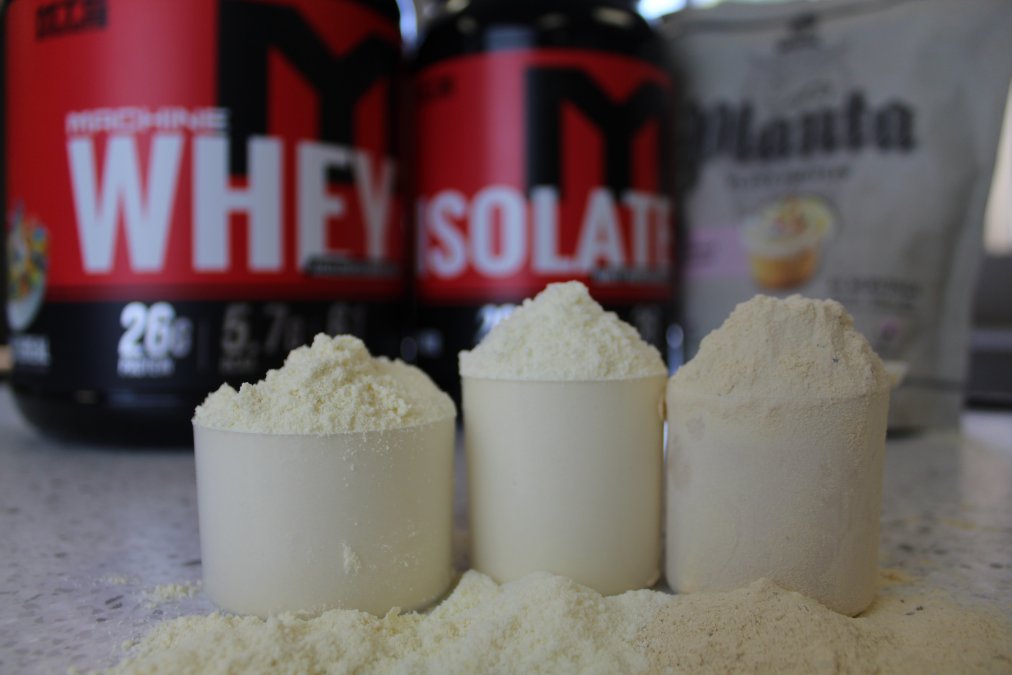
According to the International Society of Sports Nutrition position stand, protein timing becomes increasingly relevant when total intake is adequate and training stimulus is present. Without those two factors, timing becomes secondary. But when you're training hard and eating enough, timing shifts from optional to essential.
Your muscles don't care if you ate 150 grams of protein yesterday. They care about what's happening in your bloodstream right now. Amino acids trigger muscle protein synthesis when they're available in sufficient concentration at the right time.
Pro TipMost lifters underestimate how much their individual metabolism and training volume affect protein needs. A 200-pound sedentary person needs far less protein than a 200-pound person training 5 days per week. Use body weight and training status as your primary variables.
Optimal Protein Intake for Muscle Growth: Daily Targets
Your total daily protein intake is the foundation. Everything else, timing, distribution, meal frequency- is built on top of this number.
The Recommended Dietary Allowance (RDA) for sedentary adults is 0.8 grams per kilogram of body weight. This prevents deficiency but isn't a target for muscle building.
For muscle hypertrophy, research supports 1.6-2.2 grams per kilogram of body weight daily, or roughly 0.73-1.0 grams per pound of body weight. A 200-pound lifter building muscle should consume 146-200 grams of protein daily, depending on training intensity and experience level.
Calculate Your Protein Needs by Body Weight
Take your body weight in pounds and multiply by 0.73-1.0. Beginners or those training 3 days per week: 0.73 grams per pound. Intermediate lifters training 4-5 days per week: 0.85 grams per pound. Advanced lifters training 5-6 days per week with high intensity: 1.0 grams per pound.
A 180-pound lifter training 4-5 days per week: 180 × 0.85 = 153 grams daily.
A 220-pound advanced lifter training 6 days per week: 220 × 1.0 = 220 grams daily.
This isn't a hard ceiling. Going higher won't hurt; extra protein simply gets oxidized for energy or stored. But hitting this range ensures you're not leaving muscle-building potential on the table.
IMAGE: Person measuring [protein powder into a shaker bottle on a kitchen scale, with a smartphone displaying a nutrition app and meal prep containers visible in the background | section: Optimal Protein Intake for Muscle Growth: Daily Targets]
Protein Distribution Throughout the Day: The Practical Schedule
Total daily protein matters, but so does how you distribute it. Muscle protein synthesis doesn't stay elevated all day from one large meal. It spikes and returns to baseline within a few hours of consuming protein.
Meal Frequency and Protein Bolus Size
Research suggests that consuming 20-40 grams of protein per meal maximizes muscle protein synthesis in most populations. Below 20 grams, the stimulus is suboptimal. Above 40 grams, additional amino acids get oxidized rather than incorporated into muscle.
You don't need six small meals daily. Spacing your protein intake across 3-4 meals is more effective than consuming it all at once.
A practical schedule for someone consuming 160 grams daily across four meals:
- Breakfast: 40 grams (eggs, Greek yogurt, or protein powder)
- Lunch: 40 grams (chicken, fish, or beef)
- Pre-workout or afternoon snack: 30 grams (protein shake or cottage cheese)
- Dinner: 50 grams (larger meal with meat and dairy)
This distributes protein across distinct windows, each triggering a muscle protein synthesis response. The 4-5 hour gaps between meals allow synthesis to reset before the next stimulus.
Watch OutA common mistake is front-loading protein early in the day and barely eating any at dinner. This creates long periods (8+ hours) with minimal amino acid availability overnight. Distribute protein evenly across all eating windows, including a solid protein source with your final meal before bed.
Protein Before and After Workout: Timing Around Training
Your training stimulus creates an elevated state of muscle protein synthesis and protein breakdown. The hours surrounding your workout are when protein timing has the most impact.
Pre-Workout Protein Timing and Digestion Windows
Consuming protein before your workout ensures amino acids are available during and after training. Whole food proteins (chicken, beef, eggs) take 2-3 hours to fully digest. Liquid proteins (shakes, milk) take 30-60 minutes.
If you're training in the morning, consume protein 60-90 minutes before your workout. If you're training in the afternoon, eating a balanced meal 2-3 hours before is fine. A pre-workout meal should include protein plus carbohydrates. Example: 30 grams of protein (chicken or shake) plus 40-50 grams of carbs (rice, oats, or fruit) 60-90 minutes before training.
Post-Exercise Recovery and the Anabolic Window
The "anabolic window" isn't 30 minutes; it's roughly 3-4 hours post-training. What matters most is that you consume protein relatively soon after training while your muscles are primed for synthesis.
If you trained at 6 PM, consuming protein at 6:30 PM is better than 10 PM. But consuming it at 7 PM is still highly effective. Post-workout, prioritize fast-digesting protein and carbohydrates. A shake with whey protein and dextrose (or a meal with chicken and rice) consumed within 60-90 minutes of training is ideal.
If you're already hitting your daily protein target and eating within a few hours of training, you're in the window. Consistency across the day matters more than nailing a 30-minute window.
Protein for Weight Loss: Timing Strategies for Fat Loss
Weight loss requires a caloric deficit. But protein timing becomes even more important during fat loss because you're trying to preserve muscle while losing fat.
Satiety, Thermogenic Effect, and Meal Timing
Protein is the most satiating macronutrient. It increases feelings of fullness and reduces overall calorie intake more effectively than carbs or fat. Protein also has the highest thermic effect of food (TEF), roughly 20-30% of protein calories are burned during digestion, compared to 5-10% for carbs and 0-3% for fat.
During fat loss, front-load protein at each meal. Consume 30-40 grams at breakfast, lunch, and dinner. This keeps you fuller longer and preserves muscle mass during the deficit.
A practical fat-loss schedule consuming 150 grams daily across four meals:
- Breakfast: 35 grams (eggs and Greek yogurt)
- Lunch: 40 grams (lean meat and vegetables)
- Afternoon snack: 25 grams (protein shake)
- Dinner: 50 grams (fish or chicken with carbs)
The higher protein at dinner prevents late-night hunger and supports overnight muscle preservation.
Protein Timing for Intermittent Fasting and Modern Diets
Intermittent fasting (IF) changes the timing equation entirely. You're compressing eating into a shorter window, typically 4-8 hours.
Consolidating Protein Intake in Eating Windows
With IF, you must consume your daily protein target within a compressed timeframe. Instead of four meals across the day, you might eat two or three meals within an 8-hour window.
Can you stimulate muscle protein synthesis adequately if you're only eating twice daily? Yes, if each meal contains sufficient protein (35-50 grams) and you're training during your eating window.
A practical IF schedule (16:8 protocol) consuming 160 grams daily:
- First meal (12 PM): 50 grams protein, 60 grams carbs
- Second meal (4 PM): 40 grams protein, 50 grams carbs
- Third meal (7 PM): 70 grams protein, 80 grams carbs
Each meal is substantial enough to trigger muscle protein synthesis. The 3-4 hour gaps between meals still allow synthesis to reset before the next stimulus.
Pro TipIf you're doing IF and training, schedule your workouts during your eating window, ideally 60-90 minutes before your largest meal. This ensures amino acids are available during the post-workout window when synthesis is elevated.
Endurance vs. Strength Athletes: Different Timing Needs
Strength athletes (lifters, sprinters) benefit most from meal-by-meal timing. Endurance athletes (distance runners, cyclists) have different considerations.
Endurance athletes need adequate total protein (1.2-1.6 g/kg daily) but benefit less from precise meal timing. Strength athletes benefit more from post-workout timing because training stimulus is high and localized. For endurance athletes, protein availability across the entire day matters more than timing to the minute.
Digestibility and Absorption Rates: Choosing the Right Protein Source
Not all protein sources are created equal. Bioavailability, how efficiently your body absorbs and utilizes amino acids, varies significantly by source.
Bioavailability Matters for Timing Decisions
Whey protein isolate has bioavailability near 100%. Casein is slower-digesting but highly bioavailable. Whole food proteins (chicken, beef, eggs) are highly bioavailable but take longer to digest.
Plant-based proteins (legumes, grains) have lower bioavailability and often lack one or more essential amino acids. Combining plant sources improves the amino acid profile, but absorption remains slower than animal sources.
For immediate post-workout protein, whey isolate or concentrate is superior. For a pre-bed meal, casein is superior because it digests slowly and maintains amino acid levels overnight.
|
Protein Source |
Bioavailability |
Digestion Time |
Best Use |
|---|---|---|---|
|
Whey Isolate |
95-100% |
30-45 min |
Post-workout, fast absorption |
|
Whey Concentrate |
90-95% |
45-60 min |
Anytime, cost-effective |
|
Casein |
90-95% |
2-3 hours |
Pre-bed, sustained release |
|
Whole Eggs |
95-100% |
2-3 hours |
Anytime, nutrient-dense |
|
Chicken Breast |
93-98% |
2-3 hours |
Anytime, lean option |
|
Beef |
92-98% |
3-4 hours |
Anytime, micronutrient-rich |
|
Lentils/Beans |
70-80% |
2-3 hours |
Anytime, incomplete amino acids |
Animal proteins are superior for bioavailability and digestion speed. Plant proteins work but require larger quantities and combination strategies. Use whey for convenience and speed, whole foods for satiety and micronutrients, and mix sources based on your meal timing needs.
Common Mistakes in Protein Timing and How to Fix Them
Mistake 1: Consuming All Protein in One Meal
Some lifters think they can eat 150 grams at dinner and call it a day. Muscle protein synthesis spikes with 25-40 grams, then returns to baseline within a few hours. Consuming 150 grams in one meal means roughly 100+ grams are either oxidized or stored as fat.
Fix: Distribute protein across 3-4 meals, each containing 35-50 grams.
Mistake 2: Ignoring Protein at Breakfast
Many lifters prioritize post-workout protein but skip breakfast or eat carb-heavy breakfasts with minimal protein. This means they're missing an early opportunity to stimulate muscle protein synthesis.
Fix: Make breakfast a protein-first meal. Aim for 35-40 grams from eggs, Greek yogurt, cottage cheese, or a shake.
Mistake 3: Training Fasted Without Post-Workout Protein
Training fasted isn't inherently bad, but consuming zero protein for hours afterward is. If you train fasted, prioritize protein within 60-90 minutes of finishing.
Fix: If you train fasted, consume a shake or meal with 35-40 grams of protein and carbs immediately after training.
Mistake 4: Underestimating Protein Needs
Many lifters eat 100-120 grams daily and wonder why they plateau. They're below the hypertrophy range because they don't calculate based on body weight and training status.
Fix: Calculate using 0.85-1.0 grams per pound of body weight if you're training 4+ days per week.
Mistake 5: Obsessing Over the 30-Minute Window
The anabolic window exists, but it's not a hard cutoff. Lifters stress about consuming protein exactly 30 minutes post-workout and panic if they can't.
Fix: Consume protein within 2-3 hours of training. Consistency across the day matters far more than hitting a specific minute.
Watch OutA subtle but costly mistake: consuming adequate total protein but clustering it poorly. For example, eating 30 grams at breakfast, 25 at lunch, 15 at a snack, and 90 grams at dinner. The dinner meal is wasted protein. Rebalance meals to 35-45 grams each for optimal synthesis.
Key Takeaways: Your Protein Timing Action Plan
- Calculate your daily target based on body weight (0.85-1.0 g/lb for lifters) and training frequency.
- Distribute across 3-4 meals, each containing 35-50 grams of protein to maximize muscle protein synthesis responses throughout the day.
- Prioritize protein around training, consuming 30-40 grams within 2-3 hours post-workout when synthesis is elevated.
- Choose protein sources strategically: whey for speed, whole foods for satiety, casein for overnight coverage.
- Don't obsess over precision: hitting your daily target and spacing meals reasonably matters far more than timing to the minute.
- Adjust for your diet structure: IF requires larger meals within eating windows; traditional eating allows more flexibility across the day.
- Track consistency, not perfection: hitting your target 80% of the time beats obsessing over exact timing and missing days entirely.
Getting protein timing right is straightforward once you strip away the marketing noise. Calculate your target, distribute it across meals, and time strategically around training. Tiger Fitness provides free fitness calculators and meal-prep guides to help you nail your protein intake daily. Whether you're using our training app or meal-planning tools, the fundamentals remain the same: consistency beats perfection, total intake beats precise timing, and muscle responds to adequate stimulus and substrate. Start with your daily target, build your meal structure around it, and adjust based on results. That's how you build muscle systematically.
Frequently Asked Questions
How much protein can your body absorb in one meal?
Your body can synthesize muscle protein from approximately 20-40 grams of protein per meal, depending on factors like body weight, training status, and amino acid composition. However, total daily protein intake matters more than the amount per meal. You can consume larger boluses, but excess is oxidized for energy rather than stored as muscle. Focus on distributing protein evenly across meals for optimal muscle protein synthesis throughout the day.
Is protein timing around workouts really important for muscle growth?
Protein timing around workouts is less critical than total daily intake and consistency. While consuming protein within a few hours post-exercise supports muscle repair and recovery, the 'anabolic window' is wider than once believed. What matters most: hit your daily protein target (0.7-1.0g per pound of body weight for hypertrophy), distribute it across meals, and time it reasonably around training. Total protein intake beats perfect timing.
How should I time protein intake if I do intermittent fasting?
With intermittent fasting, consolidate your daily protein target into your eating windows. If you fast 16 hours and eat 8 hours, aim to distribute your total daily protein across 2-3 meals during that window. Prioritize protein at each meal to hit your hypertrophy target (typically 1.6-2.2g per kg of body weight). Timing within the eating window follows standard principles: space meals 3-5 hours apart for optimal muscle protein synthesis.
Does protein timing affect weight loss differently than muscle gain?
For weight loss, protein timing becomes slightly more strategic because protein's thermogenic effect and satiety impact adherence. Distribute protein evenly across meals to maintain fullness and metabolic rate. Consuming protein with each meal (especially breakfast) helps control hunger and supports nitrogen balance during caloric deficit. While total daily intake remains the priority, spreading protein intake helps preserve lean body mass and reduces muscle catabolism during fat loss.
Leave a comment