
NEW NULLA BAR FLAVORS
In-Stock Now!

Last Updated: November 5, 2026
Quick Summary
Buying supplements from domestic warehouses means the product is stored and shipped from inside the U.S., which can mean faster delivery and fewer handoffs. It does not mean the product was made domestically, so ask the seller where inventory is stored and who holds it. Buying direct from the brand or an authorized retailer is the safest option.
Most shoppers assume a "domestic warehouse" means the product was made in the United States. That is not what it means. It describes where the product is stored and shipped from. A supplement can be made overseas, imported in bulk, and then held in one of many domestic warehouses in the U.S. before it reaches your door. Both facts can be true at once.
Ask the seller two direct questions: where is the inventory stored, and who holds it? Then check the answer against the label and the order confirmation. A seller that cannot say which warehouse ships your order is a red flag.
Fewer handoffs generally mean fewer chances for a package to get lost in transit. Exact delivery times depend on the carrier, the destination and the day you order, so treat any promised window as an estimate.
Buying direct from the brand or its authorized retailer is the safest route. You know who sold it, the product came through a known chain, and returns go to someone accountable.
Third-party marketplaces are a different story. Learn more about the risks of buying supplements from unauthorized marketplaces before you place an order. Listings can be sold by unauthorized resellers who may hold stock for long periods in conditions nobody monitors. Heat and humidity can degrade a supplement, and counterfeit products are a documented problem in this channel. Buy from marketplaces only when the seller is verified as authorized by the brand.
Start with the label. A legitimate Supplement Facts panel lists serving size, active ingredients and amounts per serving, and inactive ingredients. Vague wording like "proprietary blend" with no amounts is a reason to look elsewhere.
Next, look for third-party testing. You can also verify ingredient purity with a few practical steps. Certifications from independent labs such as NSF or USP show that a product was checked against its label. Read why NSF certified supplements and third-party testing matter before you decide what to trust. Verify the certificate number on the certifier's own website, because certification logos are easy to copy. Our guide on how to spot fake supplement certifications walks through the checks.
For guidance on evaluating supplement safety, the NIH Office of Dietary Supplements fact sheets are a solid starting point. Keep in mind that research on general supplementation is mixed. Harvard Health Publishing notes that extra vitamins and minerals do not protect against disease for people without a documented deficiency (Harvard Health Publishing on vitamin and mineral supplements). Talk to a qualified professional before you start anything new, especially if you take medication.
Heat, humidity, light and time all chip away at potency. This is not marketing scare talk, it is chemistry. Many vitamins, probiotics, fish oils and protein powders are sensitive to temperature and moisture. A tub that sat in a hot truck or a non-climate-controlled warehouse may not deliver the dose printed on its label.
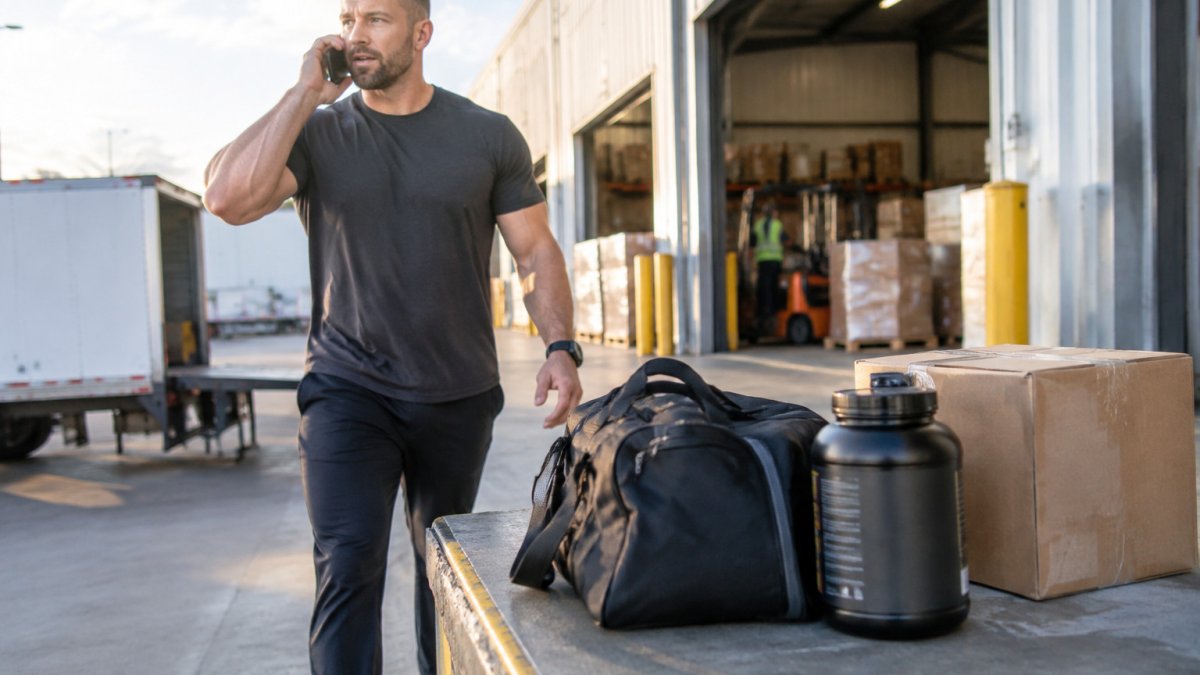
Start by understanding what you are buying. Probiotics are live cultures and are sensitive to heat. Fish oil and other polyunsaturated fats can oxidize when exposed to heat, light and oxygen, which is why storage conditions matter. Protein powder can clump and degrade in humid conditions.
When the box arrives, do these checks in order:
Watch out: A domestic warehouse does not automatically mean climate-controlled storage. Ask the seller directly whether the product is held in temperature-controlled space and how quickly stock turns over. A fast-moving warehouse with fresh lots is generally preferable to a slow one.
Lot numbers matter more than most shoppers realize. A lot code lets the manufacturer trace the batch back to production and, if there is a recall, identify exactly which units are affected. Save the lot number and a photo of the label before you throw the packaging away. If a recall is issued later, you will know in seconds whether your product is covered.
Stock rotation is the other half of freshness. A warehouse that moves product quickly will have recent lot dates on the shelf. A warehouse sitting on slow-moving inventory may ship you a product that has already spent months in storage. You cannot see the warehouse, but you can ask the seller how often they rotate stock and whether they publish lot dates.
Temperature-sensitive supplements deserve extra attention. If you order probiotics, fish oil or anything with live cultures in warm months, ask how the seller ships, insulated packaging and cold packs are common for these categories. If a temperature-sensitive product arrives warm and the seller did not use cold-chain shipping, that is a reason to request a replacement or refund before you open it.
The table below summarises the storage and freshness checks covered above, so you can scan what to look for when a supplement arrives.
| Check | What to look for | Why it matters |
|---|---|---|
| Outer packaging | Crushed corners, punctures, box feels warm | Signs of rough handling or heat exposure |
| Seal | Induction seal and shrink wrap intact | A broken seal means the product cannot be trusted |
| Lot number and expiration | Lot number recorded; date not close or passed | Ties product to a batch and shows potency window |
| Smell and appearance | Rancid oil, off colors, stubborn clumping | Signs of degradation |
| Temperature-sensitive items | Probiotics, fish oil, live cultures shipped with cold packs | Heat can reduce potency |
Counterfeits tend to show up in the same places: third-party listings with prices far below retail, sellers with no history, and products with spelling errors on the label. Our practical guide shows you how to spot fake supplement ingredients before you open the bottle. Compare the lot number, seal and label against the brand's official product page. Any mismatch is a reason to walk away.
If the price looks too good to be true on a supplement you already know, it probably is. Buy from the brand or an authorized dealer, and keep your receipt.
Most supplement buyers never read the return policy until something goes wrong. Read it before you order. The policy tells you who handles refunds, how long you have to report a problem, whether you pay return shipping, and whether opened products are eligible at all. Those four details decide whether a bad shipment is a minor annoyance or money down the drain.
Here is what to confirm before you click buy:
Document everything on arrival. Take photos of the shipping box before you open it, the inner packaging, the seal, the lot number and the expiration date. If the product is damaged, leaking, or clearly heat-exposed, photograph it in place before you move it. This is the evidence a seller will ask for, and having it ready speeds up the resolution.
Watch out: If a package arrives warm and the product is temperature-sensitive, probiotics, fish oil, live cultures, do not open the inner seal. Contact the seller first and ask for a replacement or refund. Opening it can void your eligibility under many policies.
Missing and misdelivered shipments follow a different path. Check the carrier tracking first. If tracking shows delivered but you do not have the package, file a claim with the carrier and notify the seller the same day. Most carriers have a short window to investigate, and sellers generally want the claim started quickly.
Temperature-exposed shipments are the gap most return policies do not address directly. If you ordered a heat-sensitive product in summer and it arrived warm, the seller may argue the product is fine. Ask upfront how they handle temperature-sensitive orders and whether they will replace a product that arrived outside a safe range. Get the answer before you order, not after.
A clear policy and a responsive seller are as important as the price. A cheap product from a seller who will not answer an email is not a bargain. Before you buy, send one question through the seller's contact channel and see how fast and how clearly they respond.
Check the Tiger Fitness website for current shipping and order details before you buy. Our fitness tools and calculators can also help you plan your intake. Pricing depends on quantity, dates and delivery, so confirm current costs on the site.
Usually, yes. When stock ships from a warehouse inside the United States, the package does not wait on international customs or cross-border carrier handoffs, so transit is typically shorter and more predictable. Speed still depends on the carrier, your location and whether the item is in stock. Check the listed delivery estimate and the tracking history before you pay, and confirm the seller states where the item ships from.
Start with the basics: a clear business name, a physical address, a working customer service channel and a published return policy. Check whether the product lists a lot number and expiration date on the label and packaging. Authorized sellers and direct-from-brand purchases carry the lowest risk. Be cautious with sellers offering prices far below the market, since that pricing often signals older, diverted or counterfeit stock.
Domestic fulfillment does not make a product safe by itself. It shortens the supply chain and reduces handling time, which helps freshness and traceability. Safety still depends on the manufacturer's quality practices and whether the product was tested by an independent lab. Look for third-party testing seals and a Supplement Facts panel that matches the label. A domestic warehouse with weak sourcing is still a weak source.
The safest option is usually buying directly from the brand or from an authorized retailer that stocks products from a verifiable domestic warehouse. Online marketplaces carry more risk because third-party sellers can store stock for long periods, mishandle temperature or list counterfeit goods. Compare the seller's policies, check reviews for the specific seller and keep your receipt in case you need a return or refund.
{"one"=>"Select 2 or 3 items to compare", "other"=>"{{ count }} of 3 items selected"}







Leave a comment