




BEST SUPPLEMENTS FOR ENDURANCE TRAINING
Best Supplements for Endurance Training: 2026 Guide
Table of Contents
- Quick Comparison: Best Supplements for Endurance Training
- How We Evaluated These Endurance Supplements
- Caffeine for Athletic Performance: The 2-4% Edge
- Beta-Alanine for Endurance: Buffering Muscle Fatigue
- Electrolyte Replacement Strategies for Long Sessions
- Creatine, Nitrates, and Protein: The Supporting Cast
- Which Endurance Supplement Stack Fits Your Goals?
- Frequently Asked Questions
Last Updated: September 17, 2026
Quick Comparison: Best Supplements for Endurance Training
Caffeine delivers a 2-4% performance boost for endurance athletes, according to performance enhancement analysis for endurance training. That's the kind of number that matters when you're chasing a PR. But it's not the only supplement worth your money.
The best supplements for endurance training are caffeine, beta-alanine, creatine, nitrates, and protein. These five are backed by the strongest evidence in sports nutrition research. We're here to help athletes separate what works from what's hype.
Here's the reality: most supplements on the shelf don't do much. A small subset actually moves the needle.
| Supplement | Primary Benefit | Evidence Level | Typical Dose |
|---|---|---|---|
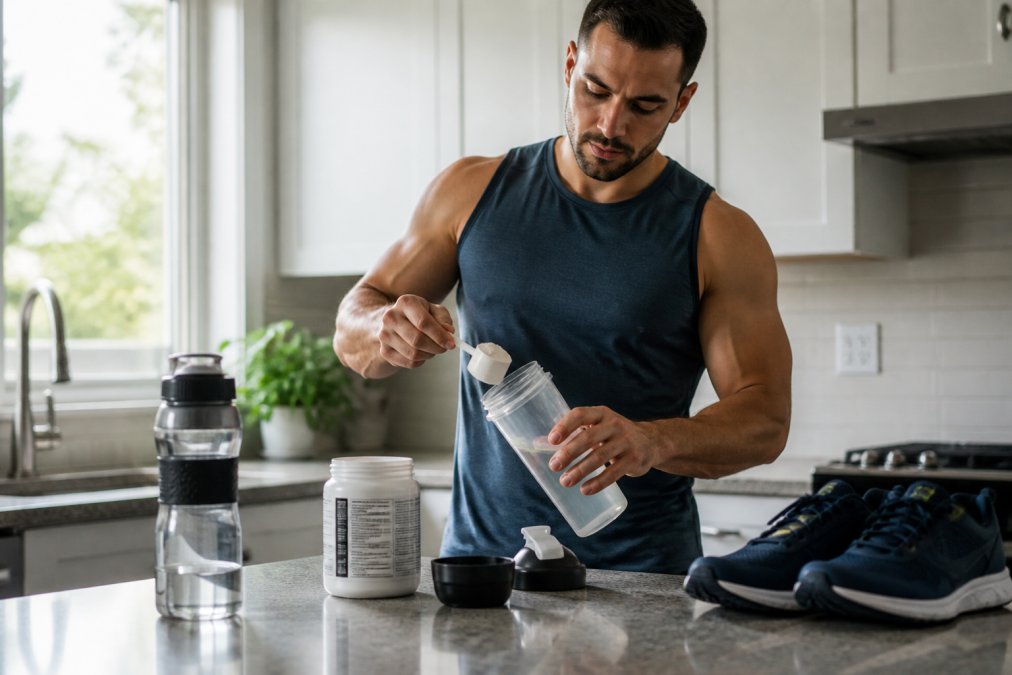
| Caffeine | 2-4% performance boost | Strong | 3-6 mg/kg |
| Beta-Alanine | Delays muscle fatigue | Strong | 3.2-6.4 g daily |
| Creatine | ATP production, power | Strong | 5 g daily |
| Nitrates | Blood flow enhancement | Moderate-Strong | Varies by source |
| Protein | Recovery, muscle repair | Strong | 1.6-2.2 g/kg |
How We Evaluated These Endurance Supplements
We ranked supplements by evidence tiers, prioritizing nitrates, creatine, beta-alanine, and caffeine. That's the same framework used by current industry guidance on endurance supplements.
Only supplements with human performance data made the cut. Animal studies and theoretical mechanisms don't count.
The International Society of Sports Nutrition position stands provided dosage guidelines. We also looked at whether ingredients actually reach therapeutic levels in the blood.
One thing most guides miss: bioavailability matters more than label claims. A supplement can list the right ingredient and still fail if your body can't absorb it.
Caffeine for Athletic Performance: The 2-4% Edge
Caffeine is the most reliable ergogenic aid in sports nutrition. It reduces perceived effort during training while boosting actual output.
The 2-4% improvement might not sound like much. Over a marathon, that's several minutes. In a cycling time trial, it's the difference between podium and pack.
Timing matters. Take caffeine 30-60 minutes before training. Doses of 3-6 mg per kilogram of bodyweight work for most athletes.
Watch Out High-dose caffeine after 2 PM can wreck sleep quality. Poor sleep hurts recovery more than caffeine helps performance. Time your intake accordingly.
Beta-Alanine for Endurance: Buffering Muscle Fatigue
Beta-alanine works by increasing carnosine levels in muscle tissue. Carnosine buffers acid buildup that causes fatigue during high-intensity efforts.
Research published in the International Journal of Sport Nutrition and Exercise Metabolism found that 3.2-6.4 g daily for 2-4 weeks increases muscle carnosine by approximately 65%. That's a meaningful change in your muscle's buffering capacity.
The catch: beta-alanine takes weeks to work. It's not a pre-workout stimulant. You need consistent daily dosing to saturate muscle carnosine stores.
Finaflex Beta Alanine provides unflavored powder that mixes into any drink. For athletes who want this benefit without a proprietary blend, it's a straightforward option.

Pro Tip Start with 1.6 g daily and split doses across the day. Taking too much at once causes paresthesia, that tingling sensation in your skin. It's harmless but annoying.
Electrolyte Replacement Strategies for Long Sessions
Electrolytes are minerals your body loses through sweat, primarily sodium, with smaller amounts of potassium, magnesium, and calcium. Sodium is the one that actually drives performance. It maintains plasma volume, supports nerve signaling, and keeps muscle contractions firing when you're three hours into a ride.
Here's the number most guides skip: sweat sodium concentration varies wildly between athletes. Sweat sodium concentration varies wildly between athletes. If you're a salty sweater and you're drinking plain water on a four-hour session, you're diluting your blood sodium and setting yourself up for cramping, headaches, and in extreme cases hyponatremia.
How to Estimate Your Own Sweat Rate
Weigh yourself naked before a one-hour session. Train normally, track exactly how many ounces you drink, then weigh yourself naked again. Every pound lost equals roughly 16 oz of fluid deficit. Add back what you drank and you have your hourly sweat rate. Do this in summer and winter, the number will change.
For sessions under 60 minutes, water is fine. Past 90 minutes, or any session where you're sweating heavily in heat, you need sodium.
What to Look For in a Formula
Skip the marketing and read the label. You want sodium listed in milligrams, not "electrolyte blend." Potassium and magnesium are supporting players, magnesium supports over 300 enzymatic reactions including muscle contraction, and potassium works with sodium to regulate fluid balance, but neither replaces sodium as the primary driver.
R1 Hydration supplies five essential electrolytes along with citrulline malate and taurine.

| Product | Key Electrolytes | Additional Ingredients |
|---|---|---|
| R1 Hydration | Sodium, potassium, chloride, magnesium, calcium | Citrulline malate, taurine |
| ElectraShred | Magnesium, sodium, potassium, calcium, chloride | Taurine, acetyl-L-carnitine |
| Cwench Hydration | Sodium, potassium, magnesium, calcium | None listed |
Watch Out If you have hypertension, kidney disease, or take a diuretic or ACE inhibitor, talk to your physician before using high-sodium electrolyte formulas. Sodium loading is not harmless for everyone, and the interaction with blood pressure medications is real.
Pro Tip Mix your electrolyte drink at half strength for the first session and see how your gut responds. High sodium formulas can cause GI distress if you slam them too concentrated. Tolerance builds fast, but start conservative.
Creatine, Nitrates, and Protein: The Supporting Cast
These three don't get the headlines caffeine does, but the data on them is just as solid, and in the case of nitrates, the mechanism is one of the most interesting in sports nutrition.
Creatine Monohydrate: Not Just for Lifters
Creatine monohydrate has decades of research behind it. The 5 g daily dose increases phosphocreatine stores in muscle, which supports ATP regeneration during short, repeated efforts, the surges, the sprints, the climbs. Endurance athletes who dismiss creatine because "it's a lifting supplement" are leaving performance on the table.
Watch Out If you take a diuretic, lithium, or have kidney disease, do not start creatine without clearing it with your physician. Creatine is one of the most studied supplements on the planet and is safe for healthy kidneys, but the interaction with nephrotoxic drugs and diuretics is a real contraindication.
Nitrates: The Bioavailability Story
Nitrates from beetroot extract work through the nitrate-nitrite-nitric oxide pathway. Your body converts dietary nitrate to nitrite, then to nitric oxide, which dilates blood vessels and improves blood flow to working muscle. The result is better oxygen delivery and a measurable drop in the oxygen cost of exercise.
Protein: Hit the Number, Then Stop Worrying
Protein rounds out the stack. Most endurance athletes need 1.6-2.2 g per kilogram of bodyweight daily. That's the range the International Society of Sports Nutrition position stand supports for athletes in heavy training. Whole food sources work fine, but powder and EAA formulas make hitting those targets easier during heavy blocks when appetite is suppressed.
Key Takeaway The supporting cast is not optional. Creatine, nitrates, and protein each have human performance data behind them. The mistake is buying all three at once and never knowing which one is working. Add one at a time, run it for 4-6 weeks, and judge by your training log, not by how you feel on a single session.
Which Endurance Supplement Stack Fits Your Goals?
Match your stack to your training demands. A 5K runner and a century cyclist have different needs.
Frequently Asked Questions
What is the best supplement for increasing stamina?
Caffeine consistently delivers a 2-4% performance boost for endurance athletes, making it the most reliable stamina aid according to 2026 consensus data. Beta-alanine also helps by increasing muscle carnosine content by roughly 65% after 2-4 weeks of daily use, which delays fatigue during high-intensity efforts. Nitrates from beetroot support blood flow, while creatine and protein round out a solid endurance training stack. No single pill replaces consistent training, but these four have the strongest evidence behind them.
How does beta-alanine for endurance actually work?
Beta-alanine raises carnosine levels in your muscles, and carnosine buffers the acid that builds up when you train hard. Research published in the International Journal of Sport Nutrition and Exercise Metabolism found that taking 3.2-6.4 g daily for 2-4 weeks increases muscle carnosine by about 65%. That translates to delayed fatigue and more quality reps or intervals. It works best for efforts lasting one to four minutes, so pair it with your interval sessions rather than long steady-state runs.
Is caffeine effective for endurance training?
Yes. Caffeine is one of the top five ergogenic aids identified in a 2024 MDPI Nutrients review, and current data shows a 2-4% performance boost plus reduced perceived effort. That matters when you are grinding through a long ride or a tempo run. Take 3-6 mg per kilogram of body weight 30-60 minutes before training. If you train late, skip it or you will pay for it at bedtime. Cycle your intake so you do not build a tolerance.
Do I really need electrolyte replacement strategies for shorter workouts?
For sessions under 60 minutes in cool conditions, water usually covers you. Once you pass the hour mark, train in heat, or sweat heavily, electrolyte replacement strategies matter. You lose sodium, potassium, magnesium, and calcium through sweat, and replacing them supports fluid balance and muscle function. A powder like R1 Hydration delivers five electrolytes plus taurine and citrulline malate with only 20 calories per serving, which beats sugary sports drinks for most athletes.
Are endurance supplements regulated by the FDA?
The FDA regulates supplements under a different framework than prescription drugs. Companies are responsible for safety and labeling, but products do not need pre-market approval. That is why third-party testing matters. Look for certifications like Informed Choice or Informed Sport, which test for banned substances. Jocko Fuel Creatine Stick Packs and R1 Hydration both carry third-party testing, so you know what is on the label is what is in the tub. Always check the certification before you buy.
Endurance training demands smart supplementation, not a cabinet full of hype. Tiger Fitness carries the products that actually work, from Finaflex Beta Alanine to Jocko Fuel Creatine Stick Packs. Our free fitness calculators help you dial in dosing, and our rewards program saves you money on every order. Get started with Tiger Fitness and build a stack backed by real evidence.
Leave a comment