







ELECTROLYTE POWDER FOR WORKOUTS
How to Use Hydration Supplements for Better Workouts
Table of Contents
- Why Hydration Supplements Beat Plain Water for Training
- Electrolytes for Workouts: What They Actually Do
- When to Take Electrolytes for Maximum Output
- How to Choose an Electrolyte Powder for Workouts
- Sports Drinks vs Electrolyte Supplements: The Honest Comparison
- Step-by-Step: How to Use Hydration Supplements on Training Days
- Common Mistakes That Kill Your Hydration Gains
- Conclusion
- Frequently Asked Questions
Last Updated: October 17, 2026
Why Hydration Supplements Beat Plain Water for Training
Here's the truth most lifters learn the hard way: water alone doesn't cut it when you're sweating hard. Hydration supplements are formulas built to replace the electrolytes you lose through sweat, and they do a job plain water can't.
When you sweat, you lose sodium, potassium, and magnesium. Water replaces the fluid but not the minerals. That's the gap.
Dr. Eby at Mass General Brigham notes that "having a little bit of sodium in your hydration can help you absorb that fluid better while you're exercising." That's the whole point. Sodium helps your body actually hold the water you drink.
Research published in Applied Sciences (Choi et al., 2021) found that water containing electrolytes before exercise helps maintain electrolyte balance. Plain water doesn't do that.
So if your workouts feel flat, your hydration might be the weak link. Hydration supplements fix it.
Key Takeaway Water replaces fluid. Hydration supplements replace fluid AND the minerals you sweat out. That difference shows up in your training.
Electrolytes for Workouts: What They Actually Do
Electrolytes are charged minerals that keep your body running. They regulate muscle contractions, nerve signals, and fluid balance. When you train, you sweat them out fast.
Here's what each one does for you:
- Sodium pulls water into your cells and holds it there
- Potassium supports nerve signaling and muscle function
- Magnesium helps with muscle relaxation and cramp prevention
- Calcium plays a role in muscle contraction
Miss these minerals and your muscles pay the price. Cramps, fatigue, and poor endurance all trace back to electrolyte loss.
Carbohydrate and electrolyte supplementation during exercise helps maintain blood glucose and preserve muscle. Electrolytes keep the fluid balance in check while that happens. Together, they support performance.
The bottom line: electrolytes for workouts aren't a gimmick. They're the minerals your body burns through when you train hard.
When to Take Electrolytes for Maximum Output
Timing isn't one-size-fits-all. The right window depends on what's in your supplement, what you ate, and how much you sweat. Most guides give you a single number and call it a day. That's lazy. Here's the real breakdown.
Sodium and fluid absorption happen fastest on a relatively empty stomach. If you're training first thing in the morning, take your electrolytes 15 to 30 minutes before you lift. That gives sodium time to pull water into your bloodstream so you start the session topped off. If you ate a full meal within 90 minutes of training, give it a little more time, closer to 30 to 45 minutes, because food slows gastric emptying and the fluid won't hit your system as fast.
Potassium and magnesium don't need the same lead time. They're more about maintaining balance across the session. You'll get them in your pre-workout serving, but their real value shows up during and after training when you're replacing losses. Don't overthink the timing on these, just get them in consistently.
Intra-workout sipping matters most when you're going past 60 minutes or training in heat. A common pattern is 8 to 12 ounces of mixed electrolyte drink every 15 to 20 minutes during long sessions. That's not a rule, it's a starting point. Weigh yourself before and after a hard session. For every pound lost, you're roughly 16 to 24 ounces down on fluid. That tells you more than any generic guideline.
Post-workout replacement is where most lifters screw up. You don't just need water, you need sodium to hold it. A serving of electrolytes after a high-sweat session helps you rehydrate faster than plain water alone. If you trained in heat or went over 90 minutes, double up on the serving.
Late-day training changes the game. If you lift in the evening, keep stimulants out of the picture. Use a stimulant-free hydration formula so you don't wreck your sleep. Caffeine has a half-life of about 5 hours, meaning a 200 mg dose at 6 p.m. still leaves roughly 100 mg in your system at 11 p.m. That's enough to fragment sleep and tank your recovery.
Pro Tip On hot or high-sweat days, use one serving before training and a second after. Your sweat rate tells you more than any generic rule. Weigh yourself before and after a session to dial in your actual fluid loss.
How to Choose an Electrolyte Powder for Workouts
Read the label. That's the first rule, and it's non-negotiable. But reading it right means knowing what to look for beyond the front-of-package claims. Here's how to separate a real formula from marketing fluff.
Start with sodium, the most important electrolyte for lifters. You want at least 300 to 500 mg of sodium per serving for a training-day formula. Some products skimp on sodium because it doesn't sell as well as "zero sugar" or "clean label." That's backwards. Sodium is the mineral that holds water in your body and drives absorption. If the label shows less than 200 mg, it's probably not built for hard training.
Check potassium and magnesium levels. Potassium should be in the 100 to 300 mg range per serving. Magnesium is trickier, many formulas use magnesium oxide, which is cheap but poorly absorbed. Look for magnesium citrate or magnesium glycinate if you want the form your body actually uses. The dose matters less than the form here.
Watch for proprietary blends. If the label says "Electrolyte Blend" without listing individual amounts, walk away. You have no idea what you're getting. Full transparency means every mineral and its dose is listed separately.
Count total caffeine from all sources. Some hydration products sneak in caffeine or green tea extract. If you're stacking with a pre-workout, that's double-dipping. Check the label for caffeine and add it to whatever else you're taking.
Look for third-party testing. Look for third-party testing. This is a quality signal that the label matches what's in the tub.
Sugar-free vs. low-sugar depends on your goal. If you're cutting or watching calories, zero-sugar formulas make sense. If you're doing long endurance work, a formula with some carbs can help maintain blood glucose. For lifting, you don't need the sugar.
5% Nutrition Hydrate Stick Packs →
We carry options that fit different needs. The 5% Nutrition Hydrate Stick Packs deliver sodium, potassium, and magnesium in grab-and-go sticks, and they're stimulant-free. The GHOST Hydration Stick Packs use a fully transparent label with AstraGin for absorption and no sugar. If you want a fuller mineral profile, RAW Replenish covers sodium, potassium, magnesium, and calcium.

What most guides miss: a flashy label means nothing without transparency. If the label hides the dose, walk away. And if the sodium content is low, it's not a training formula, it's flavored water.
Watch Out Mixing a full scoop into too little water makes the drink too concentrated and hard to absorb. Follow the label's water amount, not your guess. Most stick packs call for 12 to 16 ounces of cold water.
Sports Drinks vs Electrolyte Supplements: The Honest Comparison
Sports drinks and electrolyte supplements both replace minerals, but they are not the same product. Sports drinks often carry sugar and calories. Electrolyte supplements focus on minerals with little to no sugar.
Here's the honest side-by-side:
| Feature | Sports Drinks | Electrolyte Supplements |
|---|---|---|
| Main focus | Fluid, carbs, some minerals | Mineral replacement |
| Sugar content | Often high | Often zero or low |
| Best for | Long endurance sessions | Daily training, cutting phases |
| Portability | Bottles, bulky | Stick packs, easy to carry |
| Stimulants | Usually none | Varies, check label |
Which one wins? It depends on your goal. For long endurance work, carbs in a sports drink can help. For lifting, cutting, or everyday training, an electrolyte powder gives you the minerals without the sugar load.

We lean toward electrolyte supplements for most lifters. You get what you need without extra calories you didn't plan for.
Step-by-Step: How to Use Hydration Supplements on Training Days
Using hydration supplements is simple, but the details matter. Here's exactly how we'd do it on a training day.
Step 1: Check the label for the recommended serving. [Time: 1 minute] Start with one serving, not two. Every formula is different.
Step 2: Mix with the right amount of water. [Time: 1 minute] Most sticks call for 12 to 16 ounces of cold water. Follow your product's directions.
Step 3: Drink it 15 to 30 minutes before training. [Time: before your session] This tops off your fluid and mineral levels before you sweat.
Step 4: Sip during long or hot sessions. [Time: during workout] Past 60 minutes, or in heat, keep sipping to hold your fluid balance.
Step 5: Replace after high-sweat days. [Time: post-workout] One more serving helps you recover faster.
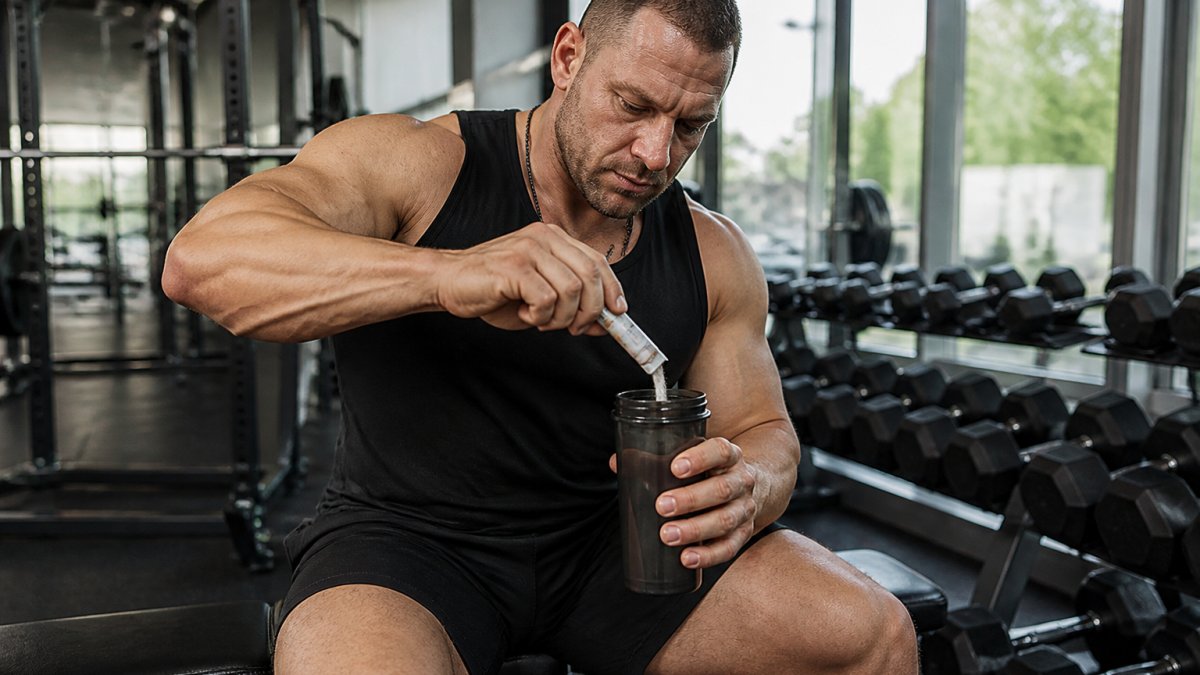
Expected Result: steadier energy, fewer cramps, and better endurance across your session.
Common Mistakes That Kill Your Hydration Gains
The biggest mistake is waiting until you're thirsty. Thirst shows up late, after performance already drops. Drink ahead of it.
Here are the other traps we see:
- Skipping electrolytes on cool days. You still sweat, even when it's not hot.
- Overdoing caffeine with your hydration. Stack too many stimulants and you get jitters and poor sleep.
- Never taking a break from caffeine. Build tolerance and you'll need more for the same effect. Cycle down periodically.
- Ignoring your individual response. Start small and adjust to how you feel.
- Chasing fancy labels over transparent ones. Read the label, always.
A common mistake is treating hydration as a one-time thing. It's a daily habit. Keep it steady on training days and you'll feel the difference in your output.
If you want to dial in your fluid needs, our free fitness tools and calculators help you plan around your body and goals.
Conclusion
Staying hydrated under hard training is a challenge, and plain water often isn't enough. Hydration supplements close that gap by replacing the minerals you sweat out. Tiger Fitness carries formulas built for real training, from stimulant-free stick packs to full-spectrum recovery mixes, all at low prices with fast shipping. Get started with Tiger Fitness and give your workouts the hydration edge they've been missing.
Frequently Asked Questions
When should you take electrolytes before exercise?
Take electrolytes 15 to 30 minutes before you train, mixed in 12 to 16 ounces of water. That window gives the sodium and potassium time to start pulling fluid into your system before your first working set. If you train in heat or sweat heavily, add a second serving intra-workout. Pre-exercise use of electrolyte supplements helps maintain electrolyte homeostasis, which means your body holds fluid better instead of dumping it. Don't chug it right before you lift; give it a few minutes to settle.
Do hydration supplements improve workout performance?
They help, but they are not magic. Carbohydrate and electrolyte supplementation during exercise supports performance by maintaining blood glucose and preserving muscle. The real win is preventing the drop-off that comes from dehydration: cramping, flat pumps, and fading endurance in the last third of a session. Dr. Eby at Mass General Brigham points out that a little sodium in your hydration helps you absorb fluid better while exercising. That absorption is the mechanism behind steadier performance.
Can you use hydration supplements with pre-workout?
Yes, and you probably should. Most pre-workouts are stimulant-heavy and light on electrolytes, so stacking a stimulant-free hydration powder with your pre-workout covers both energy and fluid balance. Mix your pre-workout and electrolyte powder in separate bottles or combine them if the flavors work. On late training days, skip the caffeine and use hydration alone. On high-sweat days, add an extra serving post-workout to replace what you lost. Just read both labels so you know your total sodium and caffeine intake.
How much water should you drink with electrolyte supplements?
Follow the label first, but most stick packs call for 12 to 24 ounces of cold water per serving. Drinking too little water concentrates the mix and can upset your stomach; too much dilutes the sodium and defeats the purpose. On training days, aim for a serving before you lift and sip another during long or hot sessions. Weigh yourself before and after a hard session: for every pound lost, replace it with roughly 16 to 24 ounces of fluid. That is a practical gauge, not a guess.
Leave a comment