
NEW NULLA BAR FLAVORS
In-Stock Now!

Last Updated: November 14, 2026
Quick Summary
Protein powder storage for travel starts with pre-measuring each serving into its own container or bag, then labeling it with product name, serving size, and date. Keep powder sealed, cool, and dry, and double bag anything loose in a carry-on.
Protein powder storage tips for travel start with one hard truth: the powder is not the problem. The packing is. Get the containers and portions right and you hit your protein numbers on the road without a single clump or spill. Get them wrong and you are scraping chocolate sludge out of a suitcase at 6 a.m.
So here is the workflow, start to finish, the same order every time, whether you are gone two days or two weeks.
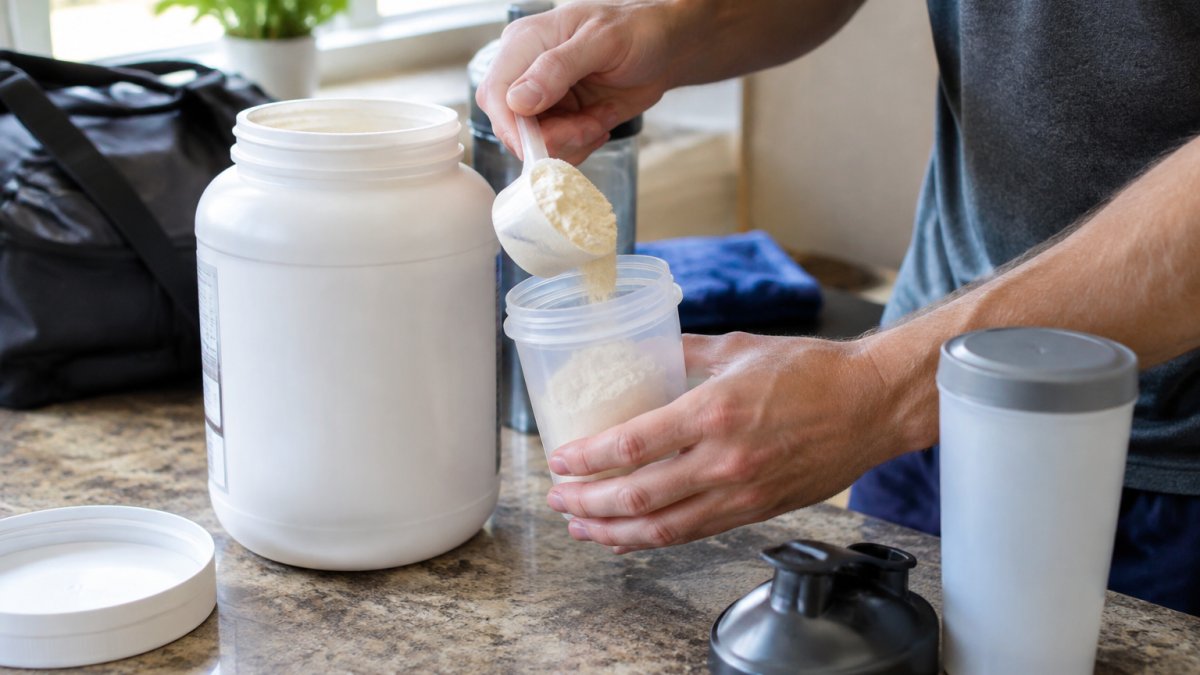
Count your days, then count your shakes. Two scoops a day for five days is ten servings. Add two spare servings for delays, missed meals, or a workout that runs long. That is your number.
Write it down before you open a single tub. Guessing at the counter is how people either run short or haul dead weight. A common pattern is to round up to the next even number so every container holds a full day's servings, it makes labeling and counting on the road dead simple.
Three options work: reusable shaker cups with a storage compartment, small airtight containers, and resealable bags. Each has a place.
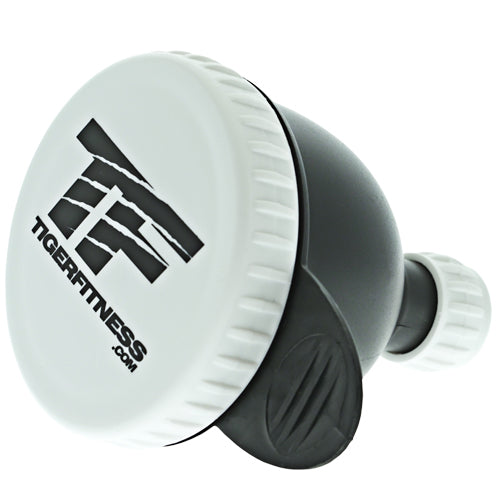
A funnel makes the transfer clean. The TF Scratch Funnel holds your powder, seals shut, and twists onto a bottle when you are ready to mix.
Flights: This is the tightest packing. Pre-measure every serving into its own container or bag, label it, and keep all powder in one spot in your carry-on so you can pull it out at security in one motion. Double-bag loose powder. If you are checking a bag, seal the container inside a plastic bag, pressure changes and handling can pop a lid.
Road trips: More forgiving. A sealed container in a cooler bag beats a bag rolling around a hot trunk. Keep it out of direct sun and off the dashboard. If you are driving through heat, pack the powder in the passenger cabin, not the trunk.
Gym bag: Skip the powder entirely if you want zero fuss. Ready to drink protein goes straight from bag to mouth with nothing to measure. If you do carry powder, use a shaker with a compartment and drink it within a few hours of mixing.
Cruises and long stays: Pack in original packaging if you can, or label every container with product name, serving size, and date. A multi-week supply belongs in checked luggage, sealed tight.
Here is the container lineup and what each one is actually good for.
| Container | Best for | Key detail |
|---|---|---|
| Shaker with a compartment | One or two servings you drink fast | Compartment holds a single serving |
| Small airtight container | Multi-day trips | Match capacity to one day's servings |
| Resealable or vacuum-sealed bag | Saving space in a carry-on | Double-bag anything loose |
| TF Scratch Funnel | Clean transfer and mixing | Seals shut, twists onto a bottle |
Yes. Protein powder can usually be brought in a carry-on, but powder-like substances may be screened differently, so check current TSA guidance.
The Transportation Security Administration has published screening guidance for powder-like substances, and travelers should check its current rules before flying.
So pack it where you can pull it out fast. A separate bin and a few extra minutes at security beat a bag search at the gate.
Carry-on wins for short trips and anything you cannot replace. You keep eyes on it and it will not sit in a cold cargo hold.
Checked luggage wins for bulk. Big tubs and multi-week supplies belong in the hold, sealed tight inside a plastic bag in case of pressure changes.
The right container keeps powder dry, sealed, and easy to identify. The wrong one leaks, holds moisture, or leaves you guessing what is inside. This is where most travel guides wave their hands, here is the actual spec sheet.
Write the product name, serving size, and date on every container. A strip of tape and a marker takes ten seconds.
Do it before you pack. Two white powders look identical at 6 a.m., and nobody wants pre-workout in their post-workout shake. If you have dietary restrictions or allergies, note the ingredient or allergen info on the label too, a decanted powder loses its original packaging and its warnings with it.
Watch out: A container that is not food-contact rated can leach into your powder, especially in heat. If the plastic is unmarked, do not use it.
Freshness comes down to three enemies: moisture, heat, and a wet scoop.
Moisture is the number one cause of clumping. Keep the lid sealed between uses and never scoop over a steaming sink or a hot shower.
If you move from cold air to warm, let the container sit closed until it reaches room temperature. Condensation forms on the inside of a cold container opened too soon.
Store powder in a cool, dry place away from direct sunlight. A car trunk in summer is the worst spot on earth for it.
Keep it in your room, in a bag, out of the sun. Heat degrades the powder and speeds up spoilage.
A wet scoop is a bacteria farm. Dry your scoop completely before it touches the powder, every single time.
No scoop? Use a clean, dry utensil and seal the container right after. Simple rule: dry in, dry out.
Portion math is easy once you fix two numbers: servings per day and days away. Multiply them, then add 20 percent for delays and missed meals.
Say you run two shakes a day for six days. That is twelve servings, rounded up to fourteen. Pre-measure each serving into its own container or bag and label it.
Pre-measuring does two things. It saves space, and it stops you from guessing scoop size with a hotel spoon.
Clumps mean moisture got in. If the powder is only damp, spread it thin on a clean tray and let it air dry away from heat, then reseal.
If it is wet through, smells off, or has changed color, discard it.
For spills, keep a spare resealable bag and a small towel in your kit. Scoop what you can, seal the rest, and clean up before it works into fabric.
The best protein powder storage plan starts before you leave the house. Right containers, right portions, right powder, and the trip takes care of itself.
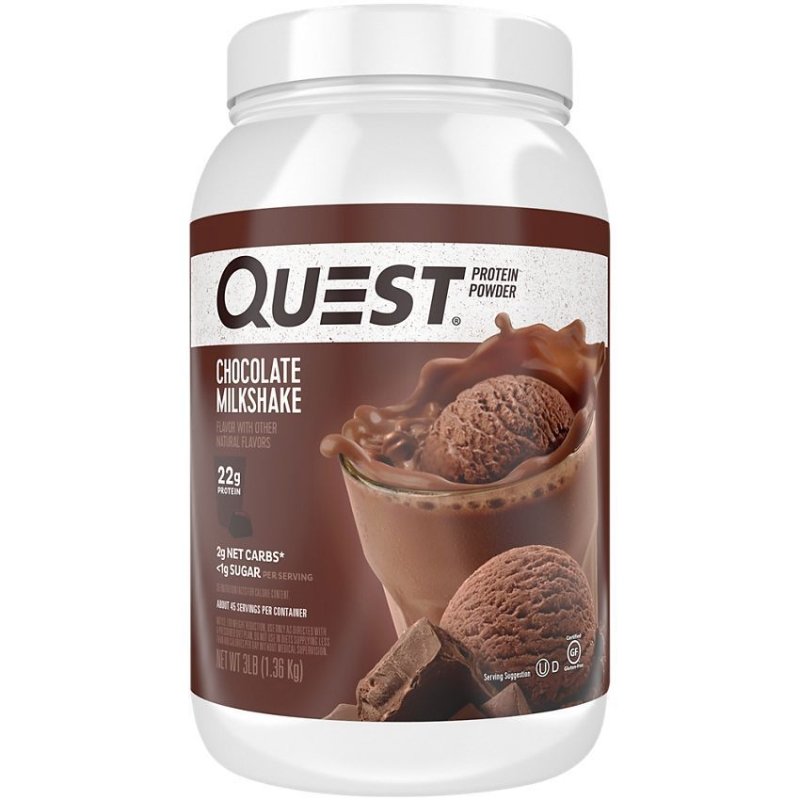
Tiger Fitness carries a range of supplements and travel-friendly accessories. Quest protein powder and Isopure protein powder both mix clean and pack well. And if you want the best price before you buy, our guide to the cheapest place to buy whey protein lays it out.
Get started with Tiger Fitness and travel with your protein locked down, sealed up, and ready to mix.
Travel does not have to cost you your protein intake. Plan your servings, pack airtight, keep it cool and dry, and you will hit your numbers anywhere. Tiger Fitness gives you the powders, the gear, and the tools to make it happen, backed by fast shipping and a rewards program that pays you back. Get started with Tiger Fitness and fuel every trip like you never left home.
Yes, you can pack protein powder in a resealable bag in your carry-on, but expect extra screening. TSA may screen powder-like substances separately and may pull them for additional inspection. A resealable bag is lightweight and space-saving, but it offers little protection against moisture, punctures, or spills. For better freshness and less mess, use a dedicated airtight container or travel pouch instead.
Protein powder can trigger additional screening, especially if it is in a large container. TSA may require powder-like substances to be screened separately and may require extra inspection. This is a screening requirement, not a ban. To speed things up, keep powder in a clear or easily accessible container, remove it from your bag for X-ray screening, and place it in a separate bin.
Checked luggage avoids the carry-on screening step for powders, but it comes with risks: extreme temperature changes in the cargo hold, rough handling, and potential spills. If you check your powder, seal it in an airtight container, place it inside a resealable bag, and pack it in the center of your luggage for insulation. Carry-on is generally better for short trips where you need access, while checked is fine for larger quantities on longer trips.
Yes. Heat, humidity, and direct sunlight degrade protein powder, causing clumping, off-flavors, and nutrient loss. Never store powder in a hot car or trunk for extended periods. If you must leave it in a vehicle, use a cooler or insulated bag and keep it out of direct sun. Once opened, powder should be kept in a cool, dry place and sealed tightly to maintain freshness.
{"one"=>"Select 2 or 3 items to compare", "other"=>"{{ count }} of 3 items selected"}






Leave a comment