
NEW NULLA BAR FLAVORS
In-Stock Now!

Military and active duty supplementation is targeted nutrition support aimed at closing dietary gaps and supporting training readiness without compromising duty requirements. This 2026 guide to supplements for military and active duty members puts ingredient screening first, then matches protein, creatine, hydration support, and other options to an actual need.
Military training combines demands that a bodybuilding only supplement plan does not address: loaded movement, conditioning, strength work, and changing duty schedules. A useful supplement must fit your mission, food access, sleep opportunities, and current restrictions not just your gym goals.
The best starting point is a food and duty review, not a larger supplement stack. A powder that helps you meet protein needs in garrison becomes less useful when you lack potable water or a clean shaker. Added body mass also deserves different consideration when running and load carriage matter alongside strength.
For broader training context, see the supplements for tactical athletes guide. Military members need an additional screening layer: current Department of Defense, service, command, and occupational requirements.
Start with the Department of Defense’s Operation Supplement Safety, or OPSS, resources, including its prohibited dietary supplement ingredients list. Review the complete ingredient panel, not just the front label. A familiar brand name does not establish that every formula meets your requirements.
For your 2026 review, ask your military healthcare team about medication interactions and any role-specific restrictions. Third-party sport certification helps reduce contamination risk, but it does not guarantee safety, effectiveness, or military authorization. Verify the exact product in the certifier’s database rather than assuming certification covers an entire brand.
Use a paper log or phone note to record meals, drinks, training, and missed eating opportunities. Separate a protein shortfall from a total energy shortfall. Neither is the same as low alertness after inadequate sleep.
A dining-facility meal, packed snack, or adjusted meal schedule is the first option. These approaches provide food beyond an isolated nutrient, though access and preparation limit their practicality. A military registered dietitian can help connect your intake to strength, endurance, body-composition, and readiness goals without treating every hard session as a reason to add another product.
Start with protein containing meals and portable foods you tolerate. The International Society of Sports Nutrition’s position stand on protein and exercise identifies 1.4–2.0 grams per kilogram of body weight per day as sufficient for most exercising individuals. This is a general sports-nutrition range, not a military prescription or a target for someone with a condition requiring individualized protein advice.
Protein powder offers a quicker preparation option when meals leave a gap. Tigerfitness sells sports nutrition supplements, including protein powders; MTS Nutrition Machine Whey Protein is a catalog option to investigate, not a claim of military clearance. Review its current label, allergens, and certification status before deciding.
Progressive training and adequate food come first. Creatine monohydrate is best suited to supporting repeated high-intensity efforts and strength-training adaptations; it does not replace aerobic conditioning or task practice. The NIH Office of Dietary Supplements’ exercise-performance fact sheet describes a common maintenance intake of 3–5 grams per day.
Creatine can increase body weight through water retention. That matters when your goals include running performance or meeting body-composition requirements. Discuss use with your healthcare team if you have kidney disease, abnormal kidney tests, or relevant medications, and tell clinicians about creatine use when reviewing laboratory results.
Start with access to potable water, regular meals, and your unit’s heat and hydration guidance. Longer exercise, substantial sweating, and heat exposure change fluid and fueling needs. Electrolytes replace minerals lost in sweat; carbohydrate provides fuel. An amino-acid drink is not automatically a substitute for either.
For 2026 field planning, read what a drink actually supplies. A product’s category name does not tell you whether its sodium or carbohydrate content fits the task. Avoid forcing excessive fluid intake: overdrinking also carries risk, and an electrolyte product does not make unlimited drinking safe.
Use a written tally of coffee, tea, energy drinks, pre-workout, and other caffeine sources. The FDA cites 400 milligrams per day as an amount not generally associated with negative effects for most adults. That figure is not a performance target, an individual safety guarantee, or permission to ignore military medical guidance.
Caffeine can improve alertness, but it does not replace sleep. Multi-ingredient pre-workouts add another limitation: caffeine is not the only ingredient requiring review. If your duty schedule leaves a narrow sleep opportunity, protecting that opportunity matters more than adding stimulation to an optional workout.
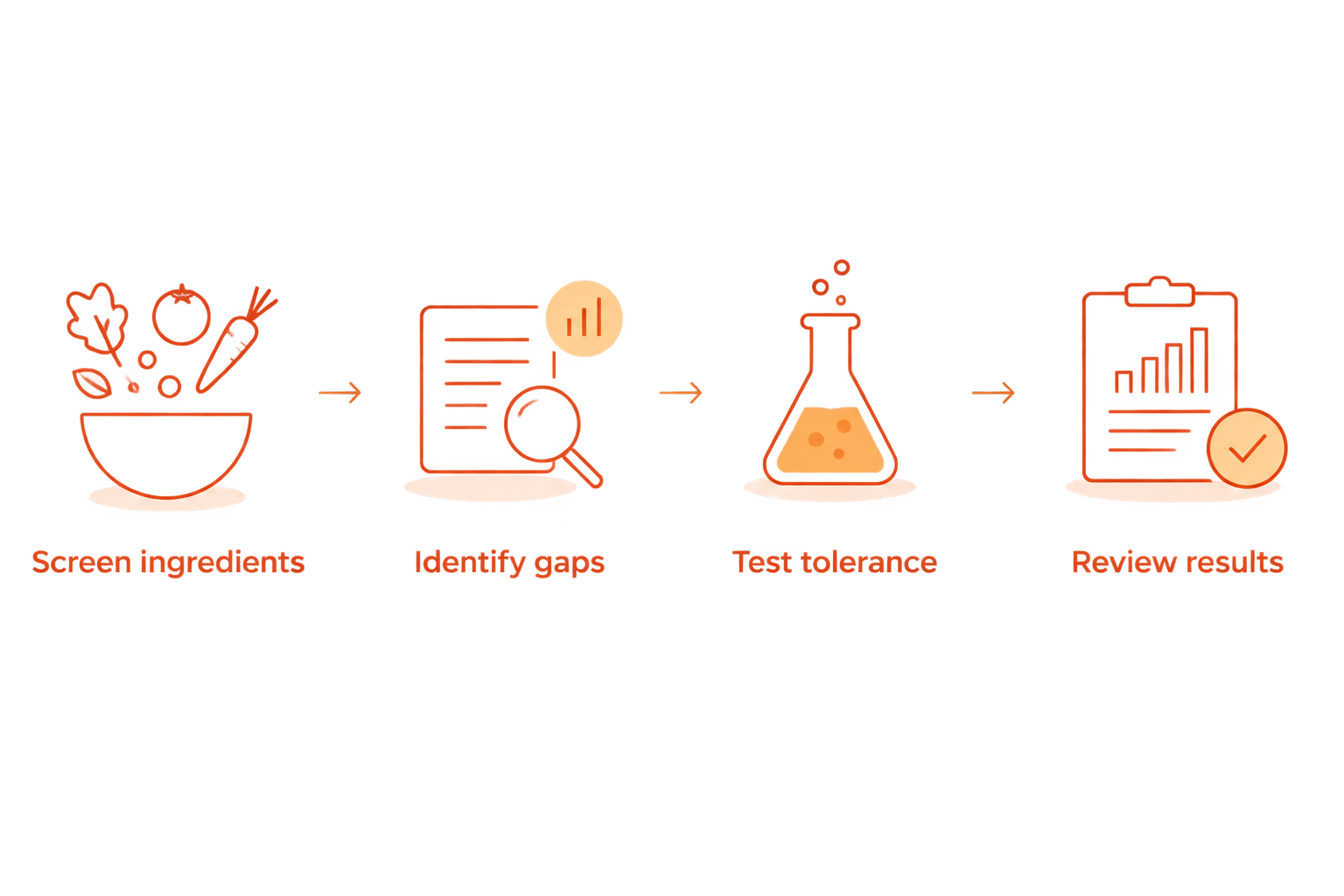
Use a simple sequence: Screen ingredients, Identify gaps, Test tolerance, Review results. Try changes during ordinary training when you can observe digestion, sleep, and workout response. Introducing several products together makes it harder to identify what caused a benefit or an adverse effect.
For your 2026 routine, keep only supplements with a clear purpose and practical use conditions. A product requiring preparation you cannot manage is not a field-ready solution. Keep original packaging where practical, and check travel and destination requirements before transporting supplements.
The test is practical, not just physiological: you need to carry, prepare, and store the product under the conditions where you expect to use it.
Tigerfitness is best for fitness shoppers comparing sports nutrition categories, not for determining military supplement clearance. Use the comparison below to choose a category to assess, then screen the exact formula. No category earns automatic approval because its main ingredient is familiar.
| Option | Best for | Main advantage | Key limitation |
|---|---|---|---|
| Food-first planning | Members with reliable meal access | Supplies energy and multiple nutrients together | Preparation, storage, and meal timing require planning |
| Protein powder | Members with a documented protein gap | Convenient protein when food intake falls short | Requires label screening, tolerance checks, and suitable preparation |
| Creatine monohydrate | Members prioritizing strength and repeated high-intensity efforts | Supports performance alongside appropriate training | Water-related weight gain matters for some goals |
| Electrolyte supplement | Members with sweat-replacement needs identified through activity and guidance | Provides labeled amounts of selected minerals | Formulas differ; electrolytes do not replace fuel or prevent all heat illness |
| Caffeine-containing product | Members seeking alertness within medical and duty guidance | Caffeine supports alertness | Sleep disruption, adverse effects, and overlapping sources complicate use |
| Multivitamin | Members whose dietary assessment identifies a role | Supplements selected micronutrients | Does not replace meals; overlapping products increase intake |
| Mass gainer | Members unable to meet an established energy goal through food | Adds energy in a drinkable format | Extra energy is unhelpful when intake already meets needs |
BCAA products are not the default next step when you already meet protein needs through complete protein sources. Likewise, a multivitamin does not establish that you need separate high-dose vitamins. For both, assess the gap before buying another container.
Tigerfitness supplement listings provide shopping options, not evidence that a particular product suits your assignment. Make the clearance and nutrition decisions separately from the retail decision.
A military-style name, image, or athlete endorsement does not establish compliance. Check the exact formula against current requirements. Retail sale and military suitability answer different questions.
An energy drink before duty plus pre-workout later creates overlapping caffeine exposure. Count the total and protect the sleep opportunity you have; persistent fatigue deserves assessment rather than an expanding stimulant routine.
A higher scale weight is not automatically improved readiness. Review mass gainers and creatine-related weight changes against running, loaded movement, strength goals, and applicable body-composition requirements.
A shaker and powder are incomplete without potable water, cleaning access, and appropriate storage. Rehearse the practical setup before relying on it during travel or field training.
Those words do not establish safety or duty compatibility. Avoid products making steroid-like promises, and take unfamiliar ingredients to OPSS resources and your military healthcare team rather than relying on a sales description.
What's the best supplement for military and active duty members?
The best choice addresses a verified nutrition or training need and passes current ingredient and duty screening. Protein powder fits a protein shortfall, while creatine monohydrate fits some strength and repeated-effort goals; neither is mandatory.
Can active duty members take creatine?
Active duty members need to check current duty requirements and screen the exact creatine product before use. A familiar ingredient does not establish that a complete formula meets service or occupational requirements.
How do I check whether a supplement is prohibited?
Review the complete ingredient list using current Operation Supplement Safety resources and applicable military guidance. Ask your military healthcare team about unclear ingredients, medications, and role-specific restrictions.
Does third-party certification guarantee I will pass a drug test?
No certification guarantees a negative drug test. Recognized sport certification reduces certain contamination risks, but it does not replace prohibited-ingredient screening or establish military authorization.
Is protein powder better than food during military training?
Protein powder is more convenient in some situations, not automatically better than food. Use it to close a protein gap while accounting for allergens, digestion, potable water, and cleaning access.
Should I take pre-workout before a ruck march?
Do not make an unfamiliar pre-workout part of a ruck march. Review its full ingredient list, total caffeine exposure, environmental conditions, and unit guidance before considering use during training.
Do I need BCAAs if I already eat enough protein?
BCAAs are not a priority when you already meet protein needs through complete protein sources. Address overall energy, carbohydrate, hydration, and meal access before adding another amino-acid product.
Write down why each supplement belongs in your bag. If you cannot name the gap it fills, explain how you screened it, and describe how you will use it under duty conditions, leave it out of your 2026 plan.
Dietary supplements are not intended to diagnose, treat, cure, or prevent any disease. Use this guide for general education, not as military authorization or individualized medical advice.
{"one"=>"Select 2 or 3 items to compare", "other"=>"{{ count }} of 3 items selected"}





Leave a comment