





About this workout
This is a 10-week strength program for climbers who want more pulling power and better grip endurance without paying for it with their fingers. Three sessions a week, 45 to 60 minutes each, built on a pull-up bar, dumbbells and bands. The pulling volume is where your progress comes from. The forearm and grip work is deliberately small, because tendon and pulley tissue adapts a lot slower than muscle does, and the fastest way to lose a season is to train your fingers like they are biceps. Lift to support your climbing. The wall is still where you get better at climbing.
Who This Program Is For
- Intermediate climbers who already have a season or two on the wall and stall on steep, powerful sequences.
- Anyone who can do at least a few strict pull-ups and wants that number to go up.
- Climbers who feel their grip fail before their back does on long routes.
- People climbing two or three days a week who have room for three short lifting sessions.
Who this is NOT for: If you came here for a hangboard or campus board protocol, close the tab. That is finger-specific training, the loads are brutal on connective tissue, and it belongs with a coach who can watch your position and your recovery in person. I am not writing you one over the internet. This is also wrong for anyone already climbing five days a week; you do not have a strength problem, you have a recovery problem, and adding three lifting days to that will just make you more tired on the wall. Complete beginners should spend the next few months climbing more, not lifting more.
What You'll Need
- A solid pull-up bar you can hang from, and your own bodyweight, which is most of the program.
- Dumbbells across a range from light to moderate, in pairs, plus a stretch of floor long enough to walk a loaded carry out and back.
- Resistance bands in two tensions, a light one for shoulder work and a heavier one for pressing and pulldowns.
The Program
Three training days a week, run on non-consecutive days so you always have at least one day between lifting sessions. Monday, Wednesday and Friday works, and so does Tuesday, Thursday and Saturday. Day 1 is vertical pulling and a small amount of grip work. Day 2 is the antagonist day, pushing and shoulders, which keeps the front of your shoulders from getting bullied by all the pulling you do on and off the wall. Day 3 is full-body pulling and core tension, the thing that keeps your feet on the wall when the angle gets steep. Put your hardest climbing days on days you are not lifting, or lift after you climb, never before.
| Day 1 | |||
|---|---|---|---|
| Vertical Pull and Grip | |||
| Exercise | Sets | Reps | Rest |
| Pull-up | 5 | 3-5 | 2-3 min |
| Archer Pull Up | 3 | 3 each side | 2 min |
| One Arm Dumbbell Row | 3 | 8-10 each side | 90 sec |
| Banded Lat Pulldown | 3 | 12-15 | 60 sec |
| Dead Hang | 3 | 20-30 sec | 90 sec |
| Reverse Grip Dumbbell Wrist Curl | 2 | 12-15 | 60 sec |
| Finger Extension Stretch | 2 | 30 sec | 30 sec |
| Day 2 | |||
|---|---|---|---|
| Antagonist Push and Shoulders | |||
| Exercise | Sets | Reps | Rest |
| Standing Dumbbell Shoulder Press | 4 | 6-8 | 90 sec |
| Push Ups | 3 | 10-15 | 60 sec |
| Pike Push Up | 3 | 8-12 | 60 sec |
| Banded Chest Press | 3 | 12-15 | 60 sec |
| Banded Face Pull | 3 | 15-20 | 45 sec |
| Dumbbell Scaption | 3 | 12-15 | 45 sec |
| Band Shoulder Dislocate | 2 | 10 | 30 sec |
| Day 3 | |||
|---|---|---|---|
| Full Body Pull and Core Tension | |||
| Exercise | Sets | Reps | Rest |
| Chin-up | 4 | 5-8 | 2 min |
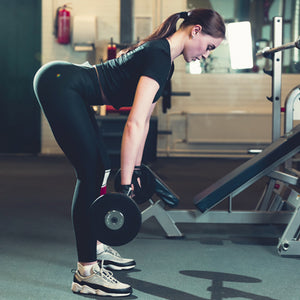
| Bent Over Dumbbell Row | 3 | 8-12 | 90 sec |
| Renegade Row | 3 | 8 each side | 60 sec |
| Hanging Leg Raise | 3 | 8-12 | 60 sec |
| Hollow Body Hold | 3 | 30-40 sec | 45 sec |
| Pallof Press | 3 | 10 each side | 45 sec |
| Suitcase Carry | 3 | 40 yards each side | 60 sec |
How to Progress
Ten weeks, four blocks, and the grip work moves slower than everything else on purpose.
Weeks 1 to 3. Learn the sessions and leave reps in the tank. On Pull-up and Chin-up, stop every set two reps before failure. If you cannot hit the bottom of the rep range on the bar, use a band under your feet or swap in Negative Pull Up for those sets, lowering for five seconds. Hold Dead Hang at the low end, 20 seconds, and do not add time yet.
Weeks 4 to 6. Add load or reps to the first movement of each day. That means more reps or a small weight added to Pull-up, more dumbbell on Standing Dumbbell Shoulder Press, and more reps or a weight belt on Chin-up. Everything else stays where it is. Dead Hang creeps up to 30 seconds, and that is the only grip progression you get in this block. Your fingers are not the limiting factor yet, your back is.
Week 7 is the deload. Cut every set count by roughly half and drop the loads about 20 percent. Keep all three days on the calendar, keep the movements the same, and finish every session feeling like you could have done twice as much. Drop Dead Hang to two sets of 20 seconds. Climb during this week if you want, but climb easy. This week is what lets weeks 8 to 10 be productive instead of just tiring.
Weeks 8 to 10. This is the hardest block. Take Pull-up and Chin-up to one or two reps from failure on the last set of each. Add a set to Archer Pull Up and to Renegade Row. Grip work stays exactly where it was in week 6; you do not chase it. At the end of week 10, take a full easy week, then either run the program again from week 1 with your new numbers or shift into a heavier climbing block.
Warm-Up and Recovery Notes
Five to ten minutes, every session, no exceptions. Start with two or three minutes of easy movement to get warm, then Cat Cow Stretch and Thoracic Spine Rotation for the mid-back, Band Shoulder Dislocate for the shoulders, and one or two ramp-up sets of the first exercise of the day at a much lighter effort. On Day 1, add 30 seconds of easy open-hand hanging before your first hard set instead of jumping straight onto the bar cold. Your fingers deserve a warm-up more than your quads do.
Recovery is where this program either works or does not. Lifting three days on top of climbing two or three days is a real workload, so sleep is not optional and neither are true rest days. Watch your elbows and the base of your fingers; low-level ache that fades by the next morning is normal training soreness, and sharp or lingering pain at a joint or a knuckle means you back off and, if it persists, you get it looked at by a professional. Nothing in this article prevents an injury. Conservative loading and honest rest days just make you more durable and give you a better shot at staying on the wall.
Nutrition and Supplementation
Climbers love to talk about being light, and I am going to be blunt: chronically under-eating to hit a strength-to-weight ratio is how you end up weak, hurt and stalled. Eat enough. Aim for roughly 0.8 to 1 gram of protein per pound of bodyweight, keep carbohydrate high enough to fuel your climbing days, and let bodyweight change slowly if it changes at all. If you are trying to lean out, do it in a small deficit over months, not weeks, and do it in the off-season rather than in the middle of a hard training block.
Once the food is handled, a quality protein powder makes the daily protein number easier to hit on days you climb straight from work, and a basic daily multivitamin covers the gaps in a busy eating schedule; neither one does anything your training and your kitchen are not already doing.
FAQ
Can I add a hangboard on top of this? Not on my recommendation. Finger-specific training is one of the most common ways climbers get hurt, and a hangboard or campus board plan needs someone who can watch your loading, your form and your recovery week to week. Find a coach for that. The grip work in this program is deliberately conservative and it is meant to sit alongside climbing, not replace finger training.
Will this make me a better climber by itself? No. The weight room supports the sport, it does not replace practicing it. This program will make you stronger through the back and shoulders, give you more grip endurance and better body tension, and make you harder to break. Technique, footwork and reading a route only improve on the wall. If you have to choose between a lifting session and a climbing session in a given week, climb.
Do I lift before or after climbing? After, or on a separate day. Climbing is the skill, and skill work happens when you are fresh. If your schedule forces both into one day, climb first, then lift, and accept that the lifting session will be a little lighter than usual.


Questions and results
Ask a coach
Running this program? Tell us what week you are on and how the progression is going. A coach answers every question here.