



BEST FITNESS ROUTINE
Best Fitness Routine: 2026 Guide to Results
Table of Contents
- What Makes the Best Fitness Routine
- Strength Training Fundamentals for Your Best Fitness Routine
- Best Workout Split for Muscle Gain
- How to Build a Home Gym That Works
- Optimal Training Frequency for Hypertrophy
- How to Track Workout Progress Like a Pro
- Recovery, Nutrition, and Consistency Win
- Frequently Asked Questions
Last Updated: September 18, 2026
What Makes the Best Fitness Routine
The best fitness routine isn't complicated. It's consistent, it's progressive, and it matches your actual goal. Most people waste months chasing routines designed for someone else's body and timeline. That's the first mistake.
Here's what separates a routine that works from one that doesn't: progressive overload, compound movements, and recovery structured into the plan itself. Only one in five adults exercise every day, according to The Good Body's 2026 fitness statistics, which tells you most people aren't showing up regularly enough to see results. That's not a genetics problem. That's a consistency problem.
A simple routine you'll follow beats an advanced routine you'll abandon. Add proper nutrition and recovery, and you've got the foundation for real progress.

Pro Tip The best fitness routine for you is the one you'll actually do. A mediocre program executed consistently beats a perfect program you quit after three weeks.
Strength Training Fundamentals for Your Best Fitness Routine
Strength training builds muscle, increases metabolic rate, and improves body composition faster than cardio alone. That's measurable.
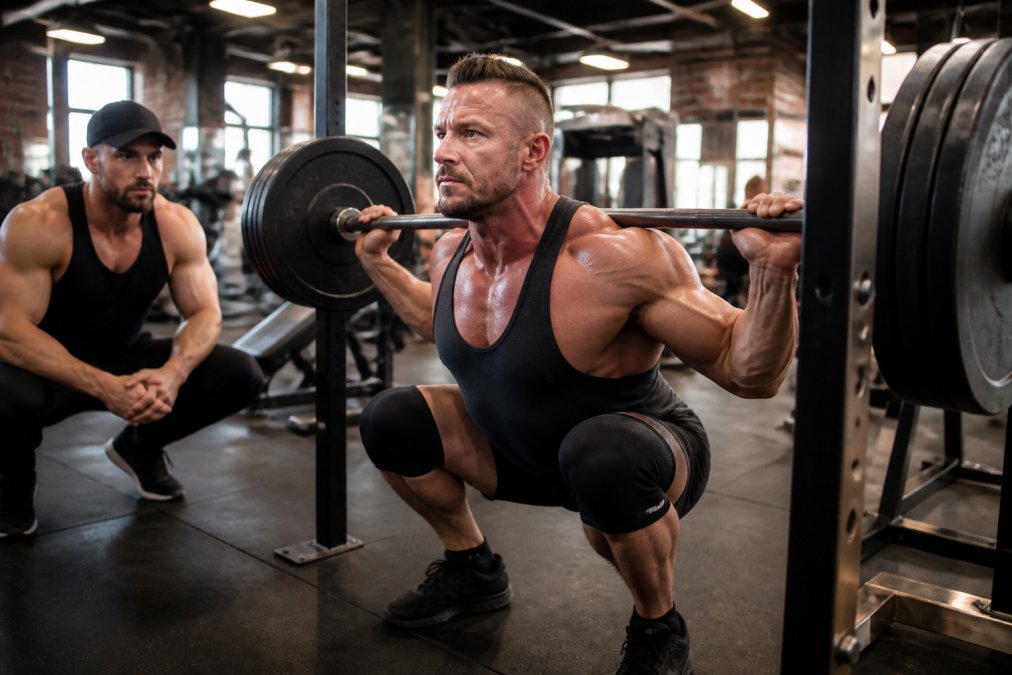
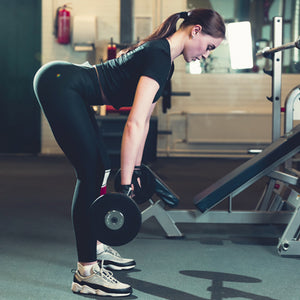
The fundamentals are simple: compound movements (squats, deadlifts, bench press, rows), progressive overload (adding weight or reps over time), and proper rep ranges. For muscle gain, 6-12 reps per set is the sweet spot. For strength, 3-6 reps. Stay in these ranges and track your numbers.
According to Garage Gym Reviews' 2026 fitness habits study, 57% of adults ages 25-34 identify strength training as their favorite workout style. That's not random. Strength training delivers visible results. You can see your numbers go up. You can see your body change. That feedback loop keeps people consistent.
The key is selecting exercises that work multiple muscle groups. A barbell squat hits your quads, hamstrings, glutes, and core in one movement. A dumbbell curl only hits your biceps. Both have a place, but compound movements should make up 70-80% of your training volume. That's where the efficiency lives.
Key Takeaway Compound movements, squats, deadlifts, presses, rows, are non-negotiable in any best fitness routine. They build more muscle, burn more calories, and save time.
Best Workout Split for Muscle Gain
Your best workout split depends on how many days per week you can train. If you train 3 days per week, use a full-body split. If you train 4-5 days, use an upper/lower split or push/pull/legs. If you train 6 days, use a body part split. Each requires consistency.
Here's what matters: hitting each muscle group 2-3 times per week with adequate volume. Users of coached workout apps report average strength improvements of 20% to 30% on major lifts over 12 weeks, according to Strive Workout's 2026 science-based workout guide. That improvement comes from structured programming, not from the sexiest split.
The best workout split for muscle gain is the one that:
- Allows you to train consistently without overuse injuries
- Hits each muscle group 2-3 times weekly
- Includes 10-20 sets per muscle group per week
- Progresses in weight or reps each week
A 4-day upper/lower split: Monday (lower), Tuesday (upper), Thursday (lower), Friday (upper). Each session takes 45-60 minutes. That's sustainable.
Don't overthink the exercise selection. Stick to 4-5 compound movements per session, add 2-3 isolation exercises, and move on. The routine that's 80% effective but you'll follow for six months beats the 95% effective routine you quit after three weeks.
How to Build a Home Gym That Works
You don't need a commercial gym to build muscle. Start with the essentials: a barbell, weight plates, adjustable dumbbells, and a flat bench. Add a squat rack when your deadlift gets heavy. Build slowly, based on what you actually need.
Buy only what supports your actual routine. Most people buy equipment they never use.
For a home gym that works:
- Barbell and weight plates (compound movements)
- Adjustable dumbbells (secondary exercises)
- Flat bench (pressing and support)
- Pull-up bar (back training)
- Resistance bands (warm-ups and accessory work)
That setup handles 95% of training needs. Anything beyond that is optimization, not necessity.
Watch Out Don't buy expensive equipment based on YouTube reviews. Buy what matches YOUR routine. A $3,000 home gym you use twice a week beats a $10,000 gym you never touch.
Optimal Training Frequency for Hypertrophy
You don't need to train six days per week to build muscle. You need to hit each muscle group 2-3 times per week with adequate volume. Anything more is diminishing returns.
A muscle grows when you apply progressive overload and give it time to recover. Hit each muscle group twice per week minimum, three times maximum.
The best training frequency depends on your schedule and recovery capacity:
- 3 days per week: full-body, each session
- 4 days per week: upper/lower split, each muscle group twice
- 5 days per week: push/pull/legs, each muscle group 1-2 times
- 6 days per week: body-part split, each muscle group once
How to Track Workout Progress Like a Pro
You can't improve what you don't measure. Write down every set, every rep, every weight. Tracking is your feedback system for programming decisions.
What to Track and Why
Use a simple spreadsheet, notebook, or app. Record:
- Exercise name and variation
- Weight used
- Reps completed per set
- Total volume (sets × reps × weight)
- Rest periods between sets
- How you felt (energy, soreness, difficulty)
This data tells you whether you're actually progressing. Most lifters don't track anything and wonder why they're not getting stronger. If you need help calculating your training metrics, FREE TOOLS & FITNESS CALCULATORS can streamline the process and keep your numbers organized.
The Progressive Overload Signal
Progressive overload is the primary driver of muscle growth. Without it, you plateau.
After four weeks, review your numbers:
- Did your squat go up in weight?
- Did you add reps at the same weight?
- Did your total volume increase (sets × reps × weight)?
If yes, you're progressing. If no, something needs to change: more volume, better recovery, or different exercise selection.
Example: Week 1, you squat 225 pounds for 3 sets of 5 reps. Week 4, you squat 225 pounds for 3 sets of 7 reps. That's a 40% increase in volume. Next week, increase the weight to 235 pounds and reset reps to 5. This is progressive overload.
Identifying Stalls and Adjusting
A stall is when your numbers don't move for 2-3 weeks.
When you stall:
- Add volume: If you're doing 3 sets of 5 reps, move to 4 sets of 5 reps. Same weight, more total reps.
- Increase frequency: If you're hitting a muscle group once per week, hit it twice. More stimulus, more adaptation.
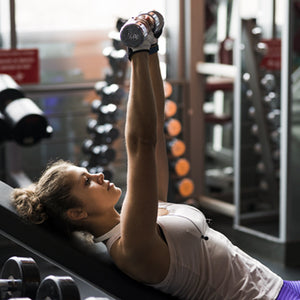
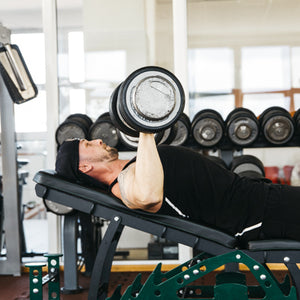
- Change exercise variation: If barbell bench press stalled, switch to dumbbell bench or incline bench for 2-3 weeks, then return to barbell. This variation prevents adaptation plateau.
- Improve recovery: If you stalled despite adding volume, the issue is recovery. Sleep more, eat more protein, reduce training stress elsewhere.
Tracking Metrics Beyond the Gym
Progress isn't just about lifting numbers. Track:
- Bodyweight: Weigh yourself 3-4 times per week and average it. Trends tell you if you're in a surplus or deficit.
- Body composition: Take progress photos every 4 weeks. Photos show muscle gain vs. fat loss.
- Strength benchmarks: Every 4 weeks, test your maxes on 2-3 compound lifts.
- Recovery markers: Track sleep quality, resting heart rate, and soreness.
The Deload Week
The Consistency Check
Key Takeaway Tracking is your feedback system. It tells you what's working, what's stalling, and what needs to change. Without it, you're guessing. With it, you're building with intention.
Recovery, Nutrition, and Consistency Win
This is where most routines fail. The training is 40% of the equation. Recovery and nutrition are 60%.
Post-Workout Nutrition: The First 2 Hours Matter
Sleep: Where Growth Actually Happens
Active Recovery: The Underrated Multiplier
Hydration and Micronutrients
Stress Management and Nervous System Recovery
The Consistency Multiplier
Key Takeaway Recovery is not rest. Recovery is a protocol: post-workout nutrition, sleep, active recovery, hydration, stress management, and consistency. Master this and progressive overload becomes inevitable.
Frequently Asked Questions
What is the best fitness routine for building muscle?
The best fitness routine combines compound movements (squats, deadlifts, bench press), progressive overload, and adequate recovery. Research shows 57% of adults ages 25-34 prefer strength training as their primary workout style. Most effective programs train 3-5 days per week with 12-20 sets per muscle group weekly. Users of coached workout apps report average strength improvements of 20-30% on major lifts over 12 weeks when following structured programming.
How often should I train each week for the best fitness routine?
Optimal training frequency depends on your experience level and recovery capacity. Beginners see results with 3 days per week; intermediate lifters benefit from 4-5 days. Studies confirm that consistency matters more than frequency. Only one in five adults exercise every day, but those who maintain a regular schedule, even 3-4 times weekly, see measurable improvements in strength and body composition within 12 weeks.
Should I do full-body or split routines for the best results?
Both work if executed correctly. Full-body routines train all muscle groups 2-3 times weekly with lower volume per session, ideal for beginners and busy schedules. Upper/lower splits train each area twice weekly with higher volume, better for intermediate lifters targeting hypertrophy. The best fitness routine matches your schedule and recovery ability.
How long does it take to see results from a new fitness routine?
Strength improvements appear within 4-6 weeks; visible muscle growth typically takes 8-12 weeks. Coached programs show users averaging 20-30% strength gains on major lifts in 12 weeks. Consistency over intensity determines results.
What supplements support the best fitness routine?
Core supplements include whey protein for muscle repair, creatine for strength and power, and BCAAs for intra-workout recovery. The Ultimate Beginner Stack ($124.97) combines protein, creatine, and multivitamins to support muscle gains and energy. Machine Fuel ($26.99) delivers the proven 2:1:1 BCAA ratio during training to reduce muscle breakdown. Hydration supplements like R1 Hydration ($19.99) replenish electrolytes lost during intense training.
Can I build muscle with a home gym routine?
Yes. You need progressive overload, increasing weight, reps, or volume over time. Dumbbells, barbells, and bodyweight movements deliver results at home. The key is compound movements: squats, deadlifts, rows, presses. Progressive overload applies equally at home or in a commercial gym. Pair your routine with proper nutrition and recovery to maximize muscle growth.
Leave a comment